Most batting cage facilities occupy industrial parks or strip mall corners, anonymous spaces you'd drive past without noticing. The San Francisco Baseball Academy chose a different approach: they moved into a defunct movie theater on Geary Boulevard and turned the auditorium into a year-round training facility. The former Bridge Theatre now houses professional-grade batting cages, HitTrax ball-tracking technology, and youth coaching programs that run regardless of San Francisco's notoriously unpredictable weather. While Little League World Series broadcasts fill ESPN's August schedule and inspire kids across the country, this Laurel Heights facility offers a rare indoor option for serious practice in a city where outdoor field access remains chronically limited.
Karpo maps the fastest route from your location to SF Baseball Academy and tracks current cage availability in real time.
From movie house to training ground
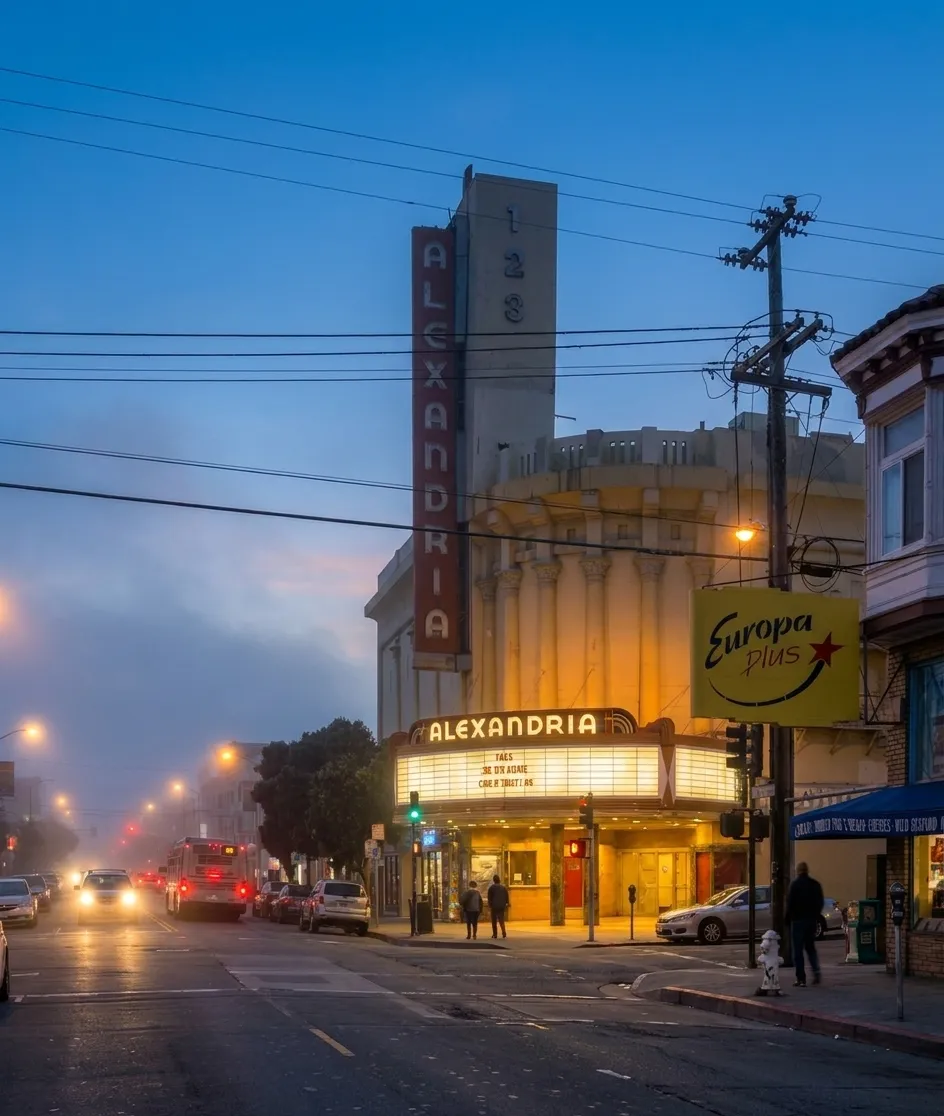
The San Francisco Baseball Academy occupies 3010 Geary Boulevard in a building that spent decades as The Bridge Theatre, a single-screen cinema that closed like so many neighborhood movie houses. When the academy moved in during 2016, they gutted the interior but kept the bones — high ceilings, the sloped floor transformed into tiered practice areas, and industrial lighting that now illuminates batting practice instead of film screenings. The address sits in Laurel Heights, a quiet residential pocket where Geary cuts through on its way toward the Richmond District.
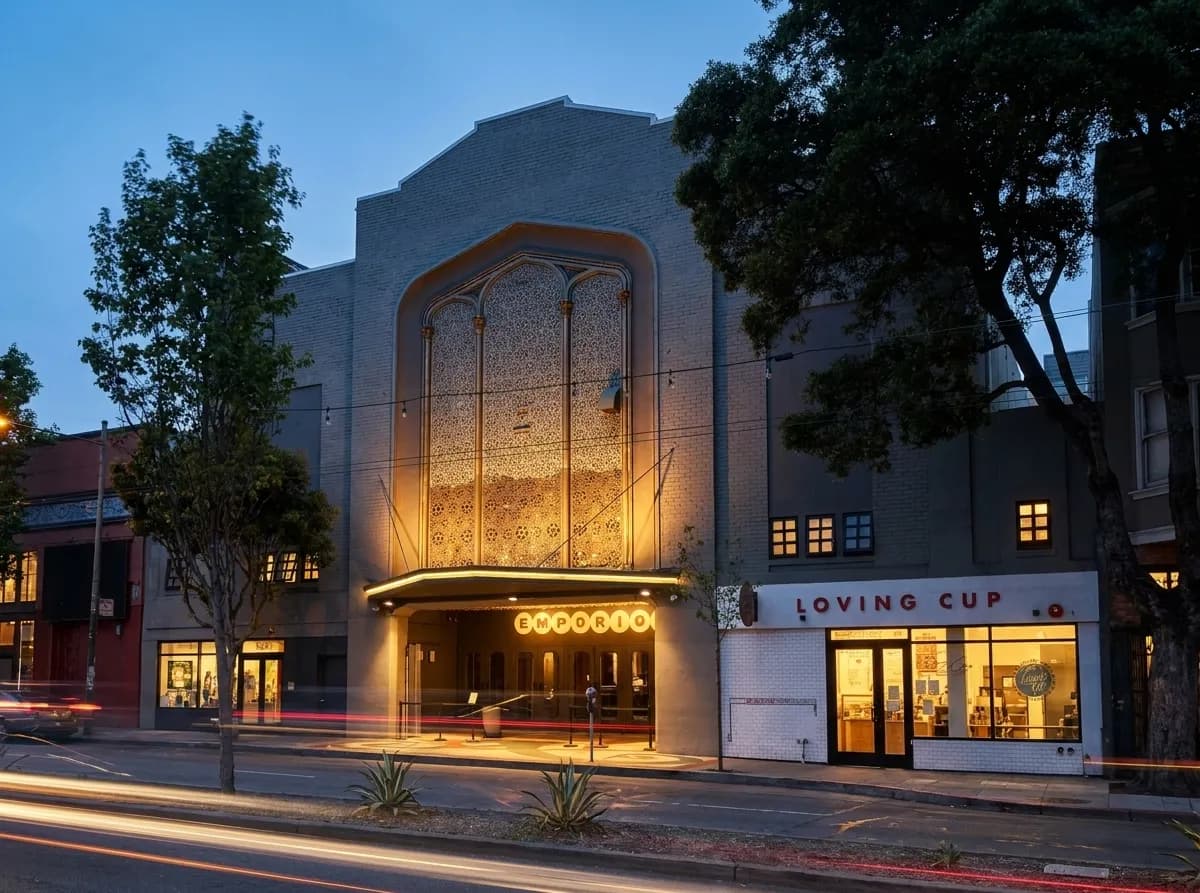
Walking past, you'd never guess what's inside unless you spot the small signage. The exterior still reads as old San Francisco commercial architecture, no flashy sports-facility branding. Inside, professional turf covers what used to be the theater floor, batting cages line the walls where moviegoers once queued for popcorn, and the whole space smells like leather gloves and fresh baseballs instead of stale concession butter. It's an unusual conversion that works precisely because the bones were solid.
The academy has operated since 2010, starting in city parks before finding this permanent home. The mission remains consistent: bring baseball instruction back to San Francisco, a city where youth leagues have struggled with field access and weather. The indoor setup solves both problems at once, offering year-round training regardless of Karl the Fog's plans for the afternoon.
Cage rentals and machine settings
Each batting cage rental requires a minimum of two players and caps at six per cage, though you'll pay an extra twenty dollars for each person beyond that limit. The 25-minute session costs fifty-six dollars, while the 55-minute block runs one hundred dollars. These aren't coin-operated machines — you feed the pitching machine yourself, adjusting speed and pitch type as you go. The machines sit thirty feet away with speeds ranging from 20 to 50 mph, suitable for elementary school players learning timing all the way up to high school athletes working on specific pitches.
If you want to use the softball pitching machine for either slow-pitch or fast-pitch work, add that request to the notes section when you book your reservation online. The academy provides bats and helmets if you don't have your own equipment, though serious players usually bring their preferred lumber. Baseball and softball supply is included in the rental price, so you're not counting pitches or rationing swings.
Walk-ins are technically accepted, but availability gets tight fast, especially during weekday evenings when youth teams block out multiple cages for team practice. Calling ahead or booking online through their website saves you from showing up to find every cage occupied for the next two hours. Saturday morning slots open at nine and tend to fill quickly with families making weekend routines out of cage time.
HitTrax technology and feedback
The academy includes HitTrax systems in their cage setups, the same ball-tracking technology used by college programs and professional organizations. The system captures every swing's exit velocity, launch angle, and projected distance, displaying results on screens mounted at each cage. You watch your line drive register as a hypothetical double off the wall at Oracle Park, complete with simulated ball flight and landing point.
For younger players, the instant feedback helps more than a coach yelling "level swing" from behind a protective screen. They see the difference between a grounder that registers 60 mph and a line drive clocking 75 mph, and they start making adjustments based on data rather than feel alone. High school players use the system to document progress over months, tracking whether their exit velocity is actually improving or just feels better.
The technology doesn't replace coaching — the academy offers private lessons separately — but it adds a layer of objective measurement that wasn't available in previous generations of batting cage work. You're not just getting reps; you're getting reps with numbers attached, which matters when you're trying to figure out if that new stance is actually working or just different.
Youth programs and private instruction
Beyond cage rentals, the academy runs structured youth programs and offers private lessons with coaches who've played collegiately or professionally. The minimum age is seven years old, which aligns with most recreational league starting points. Classes focus on fundamentals — proper throwing mechanics, fielding position, base running — rather than just batting practice. The converted theater space allows for multiple stations running simultaneously, with one group working on infield drills while another group rotates through hitting.
Private lessons book separately from cage rentals and typically run sixty to ninety minutes depending on what the player needs. A pitcher working on mechanics might spend the entire session with an L-screen and coach feedback, never stepping into the batting cage at all. Position players might split time between defensive drills and hitting work, using the turf space for ground balls before finishing with cage swings.
The facility's indoor nature means schedules don't get rained out, which matters tremendously for families trying to coordinate multiple kids' activities. When August brings Little League World Series coverage and suddenly every seven-year-old wants to play like the kids from Williamsport, the academy sees a spike in registration for fall programs. Parents appreciate not having to cancel practice because the Richmond District fields are too soggy.
Location and neighborhood context
The Geary Boulevard location puts the academy within walking distance of Laurel Village Shopping Center and a quick bus ride from either the Richmond or Fillmore districts. The 38 Geary line stops practically at the door, making it accessible without a car, though street parking along Geary and the residential side streets usually has spaces available outside of evening rush hour. The neighborhood itself is residential, meaning no crowds or chaos when you're trying to get kids in and out of the building.
Surrounding blocks hold a mix of single-family homes and small apartment buildings, the kind of San Francisco neighborhood where people actually know their neighbors and kids still play street hockey when traffic allows. A few blocks north, Laurel Hill Playground offers outdoor fields and courts if you want to combine indoor cage work with outdoor play on a decent weather day. South of Geary, the streets climb toward the hills that eventually reach Twin Peaks, though you're still in relatively flat territory here.
The academy sits about three miles from Oracle Park, where the Giants play, close enough that some families make a day of it — cage time in the morning, game in the afternoon. During Little League World Series broadcasts in late August, when the schedule fills ESPN and suddenly everyone's thinking about youth baseball again, the academy becomes a natural spot for kids inspired by watching peers compete in Pennsylvania.
Practical notes
San Francisco Baseball Academy operates Monday through Friday from noon to 8 PM, Saturdays from 9 AM to 5 PM, and closes Sundays. The facility is located at 3010 Geary Boulevard in Laurel Heights. Cage rentals cost fifty-six dollars for 25 minutes or one hundred dollars for 55 minutes, with a two-player minimum and six-player maximum per cage. Additional players beyond six incur a twenty-dollar fee each. Equipment including bats, helmets, baseballs, and softballs is provided. Reservations are strongly recommended and can be made by calling the facility or booking through their website. Walk-ins are accepted subject to availability. The 38 Geary Muni line stops nearby, and street parking is typically available on surrounding residential blocks.
Tags: #SanFranciscoBaseball #LaurelHeights #BattingCages #YouthBaseball #IndoorTraining #HitTrax #BaseballAcademy #SFSports #GearyBlvd #BaseballLessons #LLWSPrep #SFAthletics #IndoorCages #BaseballTraining #SFYouthSports
All trademarks are the property of their respective owners.
Ask Karpo first
Need the fastest route to the academy from your Laurel Heights hotel, or want to know which other baseball facilities are open late tonight? Just ask Karpo — I'll map the quickest path from wherever you are, check real-time availability at nearby cages, and help you coordinate a full practice day across the city's indoor training spots.