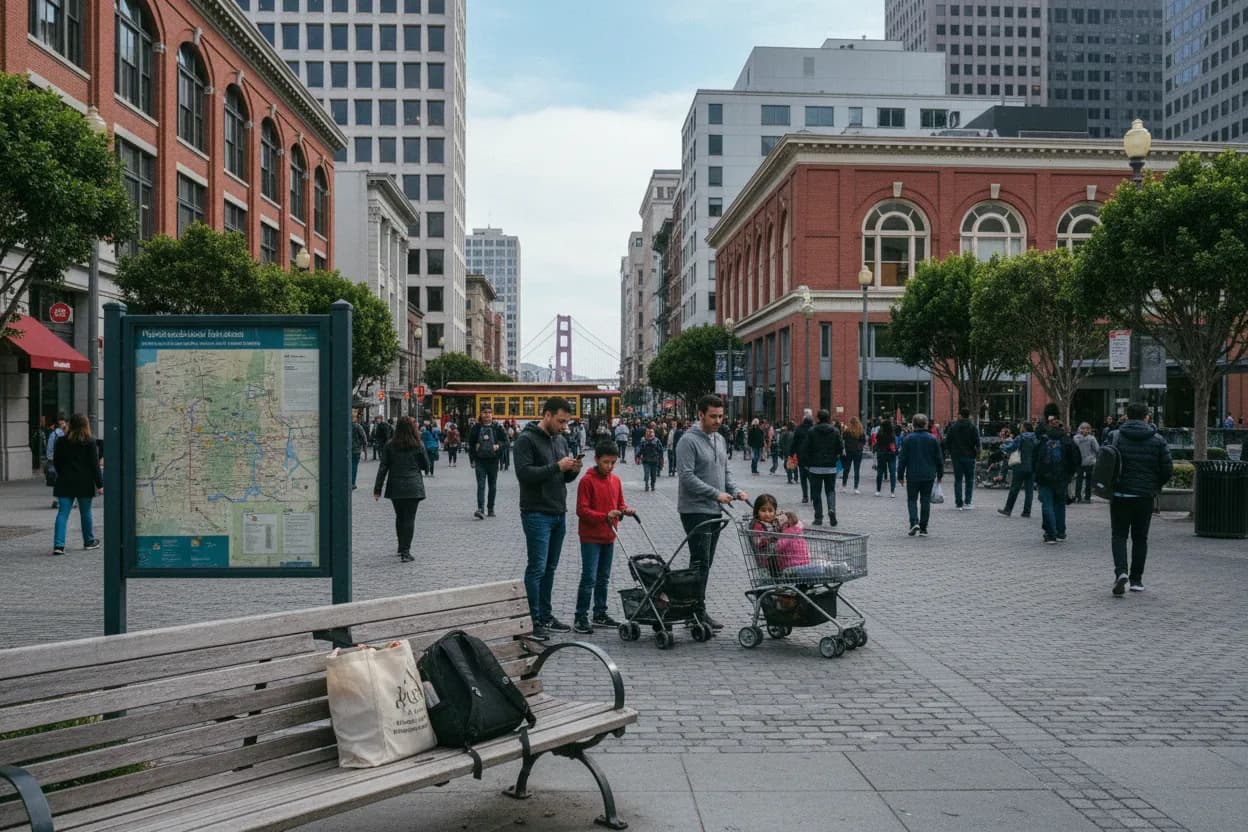
Searching for Aldi San Francisco can feel like the beginning of a cheap grocery win, but in a city where a simple errand can involve hills, transfers, bags, school supplies, and a tight afternoon schedule, the smarter move is verification first. Do not assume a search result means a nearby, open, fully stocked store is ready for you today. Treat the query as a planning prompt: identify what you actually need, confirm the destination on an official retailer page before leaving, and use SFMTA’s public trip tools to decide whether the trip makes sense by Muni, walking, biking, driving, or a mix. This guide is built for practical budget grocery planning, not hype.
Want a quick second opinion before you spend time crossing town? Text Karpo your starting area, grocery list, and carrying limit, and ask for a verification-first errand plan.

Turn The Search Into A Practical Errand
The useful way to handle an “aldi san francisco” search is not to assume the first result answers your question. Start by separating three things: the store or retailer you intend to use, the neighborhood you can realistically reach, and the items that make the trip worth it. If the result you are looking at is not an official retailer page, use it only as a clue, not as proof. A public web result can point to a different city, an old listing, or a page that does not answer local access questions.
For San Francisco, the errand decision is often less about one store name and more about time, transit, and what you can carry home. If you are planning for back-to-school lunches, snacks, dorm basics, or a shared apartment restock, write the must-buy items first. Then verify the store address, current hours, access details, and any pickup or delivery option on the official retailer page before committing. If those details are missing or unclear, treat the trip as unconfirmed.
Separate Urgent Needs From Nice-To-Haves
Budget grocery planning works better when you sort the list before you sort the route. Urgent needs are the things that affect the next 24 to 48 hours: breakfast food, lunch items, medicine-adjacent basics, diapers, pet food, or the missing ingredient for tonight. Nice-to-haves are bulk snacks, freezer items, specialty products, and pantry upgrades. A long cross-town trip can make sense for a bigger stock-up, but it is usually a poor fit for one or two urgent items unless the route is already easy.
This matters because you should not rely on unverified stock, prices, promotions, or aisle availability. Those details can change, and this guide does not guess them. Before going, check the official retailer source for the location, hours, ordering options, and any item information it provides. If you cannot confirm a critical item, build the plan around categories instead of promises: shelf-stable lunch food, low-prep breakfasts, produce you can carry, and school-week snacks that do not require a heavy haul.
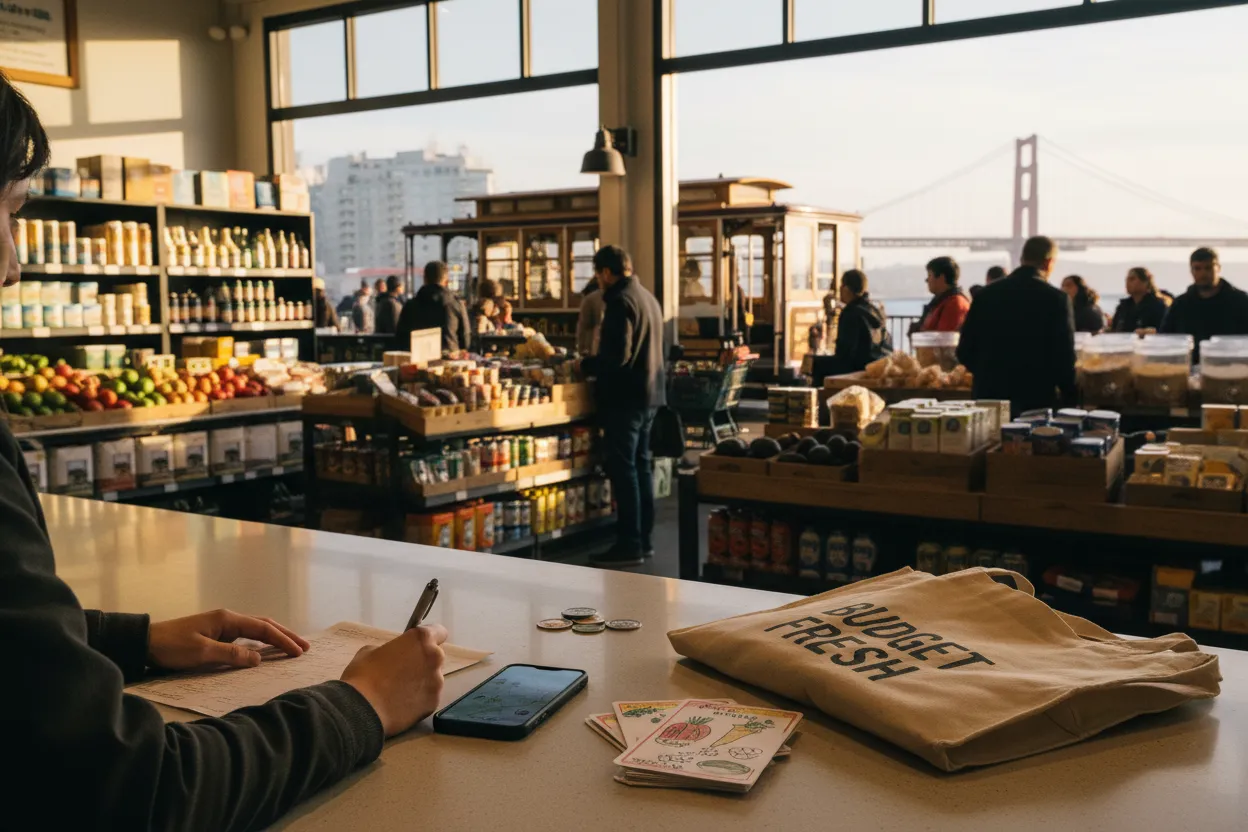
Use Public Resources Before Buying More
San Francisco’s public transit information can save you from turning a low-cost grocery idea into an expensive or exhausting errand. SFMTA’s site includes a Trip Planner with fields for starting location and ending location, plus travel choices such as Muni, bike, walk, and drive. It also organizes help around Muni routes and stops, travel maps and guides, visitor information, neighborhood transportation information, accessibility, taxi, parking, and permits. Use those public tools before deciding that a store across town is worth the trip.
If you are planning around school routines, also check SFMTA’s current homepage and updates before leaving. The site includes news and blog areas, travel and transit updates, route and stop information, and a way to subscribe to alerts. Because transit conditions, service changes, and alerts can change, verify the route, stop, transfer, accessibility needs, and any relevant update on SFMTA the day you go. A grocery trip is cheaper when you do not pay for a preventable rideshare, parking problem, or replacement run.
Plan Around Transit And Carrying Capacity
A budget store only helps if the trip home works. Before leaving, decide your carrying limit in real terms: one backpack, two tote bags, a rolling cart, or only what you can hold while standing on Muni. San Francisco errands often involve stairs, crowded vehicles, hills, narrow sidewalks, and transfers. SFMTA’s trip tools can help you compare Muni, walking, biking, driving, or drive-and-park options, but you still need to match the route to the weight and shape of your groceries.
For back-to-school shopping, avoid the trap of buying bulky items just because they seem practical. Paper goods, drinks, multipacks, and freezer items can turn a simple trip into a carry-home problem. If you are using Muni, check your route and stop choices first, then trim the list to what you can manage safely and comfortably. If you are driving, verify parking and access through official or public sources before you assume the car makes the errand easier.
Keep A Low-Cost Backup Nearby
A good San Francisco grocery plan includes a backup that is close to home, school, work, or your transfer point. That backup does not have to be perfect; it just has to cover the essentials if the main trip falls apart. Choose a nearby option for milk, bread, rice, eggs, fruit, snacks, or whatever your household cannot wait on. The backup protects your time when a retailer page is unclear, a route looks too long, or a must-have item cannot be confirmed.
Think of the Aldi search as one branch of a larger value-shopping plan, not the whole plan. If the official information does not support the trip, do not force it. A nearby store with fewer unknowns may save more money once you count transit time, carrying stress, parking uncertainty, and the possibility of needing a second stop. The cheapest errand is often the one you can finish once.

Verify Hours Stock And Access
Before you go, verify every changeable detail on official pages. Confirm the exact address, current hours, entrance or accessibility information, ordering or pickup options if relevant, and any item details the retailer publishes. Do not rely on screenshots, old reviews, third-party summaries, or assumptions from another city. If the page you found does not clearly connect the retailer to a San Francisco location, treat that as a warning sign and look for an official confirmation.
Then verify the trip itself. On SFMTA, check the Trip Planner, route and stop information, travel maps, accessibility details, and current travel or transit updates before leaving. If you need help from the city side, SFMTA lists 311, an outside-San-Francisco phone number, TTY, 511 Regional Info, and free language assistance. Your final go/no-go rule should be simple: no confirmed store details, no confirmed route, no heavy trip.
Tags: #AskKarpo #BeforeYouGo #SanFrancisco #Aldi #GroceryPlanning #BudgetGroceries #BackToSchool #Muni #SFMTA #ValueShopping #ErrandPlanning #TransitTips #LocalGuide #SmartShopping
Sources consulted: aldi · San Francisco Travel · SFMTA
All trademarks are the property of their respective owners.
Ask Karpo first
Ask Karpo first if your grocery plan depends on a long ride, a tight school-night schedule, or an unverified store result. Share your neighborhood, list size, travel mode, and carrying limit, and Karpo can help you turn the idea into a practical plan to verify before going.


