San Diego Zoo from Los Angeles is one of those day trips that sounds casual until you do it wrong. Leave late, and you spend the day fighting traffic, parking, and long gates instead of getting real time with the animals and the park around them. The smarter version is simple: start early, choose the cleanest way out of LA, and treat Balboa Park as the bonus round, not the thing that has to save the schedule. That shift makes the whole trip feel calm instead of compressed.
Karpo turns this into a clean leave-LA-early plan with train-first and drive-backup versions. You get the timing, the route logic, and the no-wasted-motion order for the zoo and Balboa Park.

Getting There
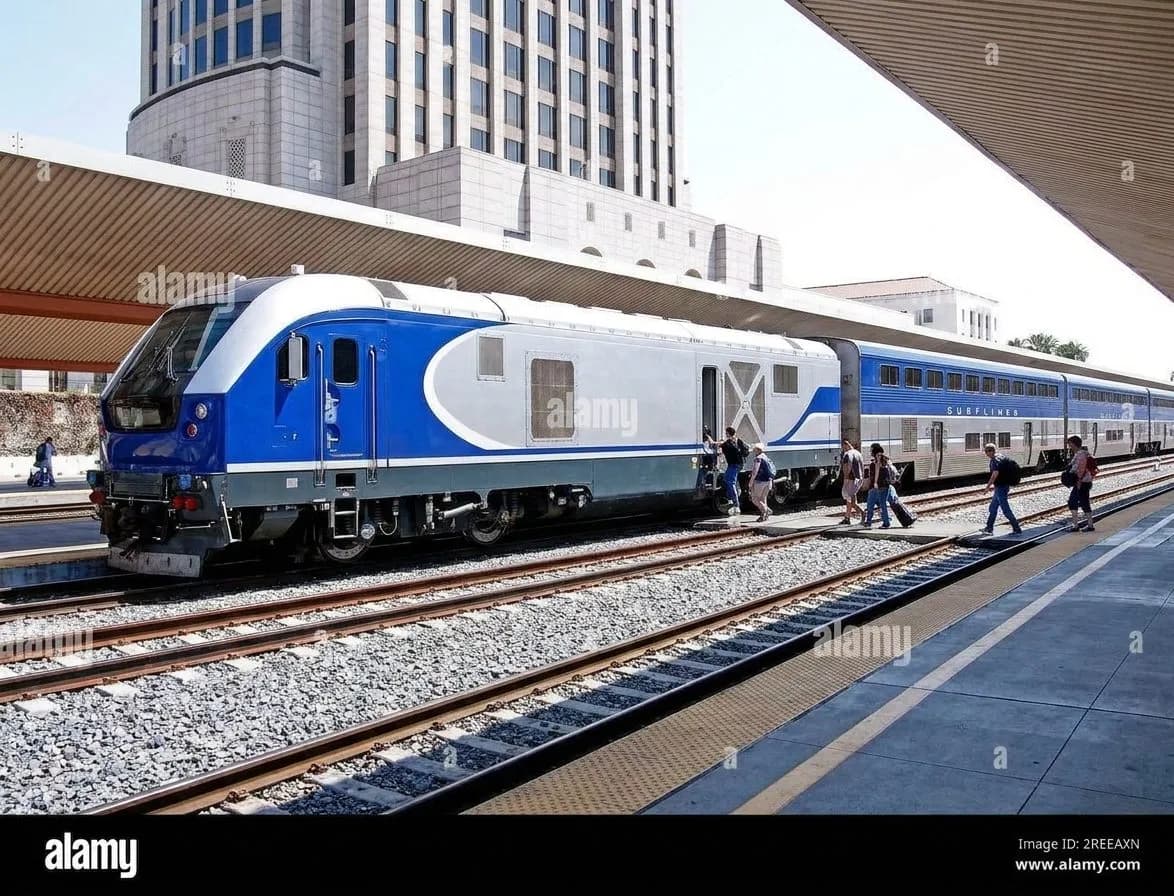
For a true day trip, Amtrak Pacific Surfliner is the least annoying way to start. It turns the drive into reading, dozing, or planning your route instead of managing freeway stress, and it keeps the day from feeling like a commuter experiment. On weekends, the earliest southbound trains are the ones that preserve your energy. If you board in LA with a small bag, refillable bottle, and nothing fragile to babysit, you arrive ready to walk rather than already tired.
Driving still works if you need stroller cargo space, but it only pays off when you leave very early and accept that the return can be the roughest part. San Diego Zoo and Balboa Park are close enough to pair, yet parking logic can still eat time if you improvise. The cleanest move is to decide before you go whether the train or the car owns the day. That one decision shapes the pace better than any other choice.
Zoo First
Start at San Diego Zoo, not around it. The place is famous for its scale, its hillside setting, and the way it rewards a morning arrival with cooler paths and fewer bottlenecks. The first hour after opening is the calmest window, when front-gate scanning moves faster and the big animal areas are easiest to appreciate without a shoulder-to-shoulder crowd. If you show up late, you spend more time yielding on narrow walks than actually looking.
Do not try to beat the zoo in one sweep. Pick a direction, commit to it, and let the map do the heavy lifting so you are not doubling back all afternoon. That matters here because the zoo is built for wandering, not speed-running. If you are with kids or first-time visitors, aim for a few anchor exhibits, a real break, and one unhurried pass through the areas you care about most. The day gets better when you stop chasing complete coverage.
Balboa Park Reset
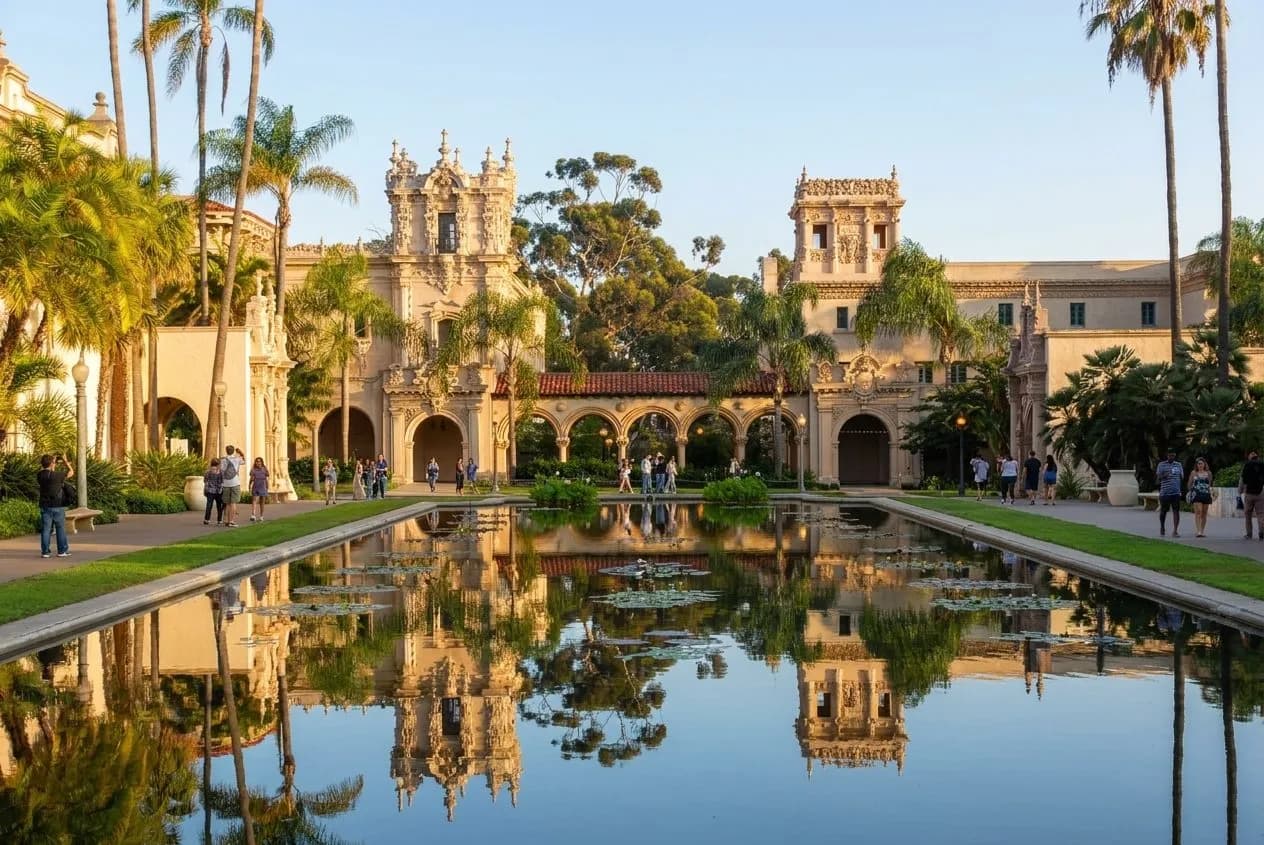
Balboa Park is what makes this more than a zoo run. After a few hours at San Diego Zoo, the park gives you shade, gardens, open paths, and a change of rhythm without leaving the same larger district. It is the right place to slow down, stretch your legs, and remember that this day trip is supposed to feel spacious. The architecture and landscaping also make the walk feel like a second attraction instead of dead time between bigger plans.
If you are coming by car, park once and stay put for this part of the day. If you are arriving by train, a short ride-share or transit hop from downtown is usually easier than trying to stitch together multiple stops on the fly. Either way, Balboa Park works best after the zoo when you want something pretty but less demanding. It is the reset button, and it keeps the trip from turning into a pure endurance test.
The Return Window
The return trip is where Pacific Surfliner really earns its place. After a full zoo day, the last thing most people want is a tired freeway grind back to Los Angeles. On the train, you can eat a snack, charge a phone, read, or just let the day unwind without negotiating traffic. Book the return before you are exhausted, because the most comfortable seats and best timing tend to disappear before the afternoon even starts to fade.
If you are driving, protect your exit the same way you protected your arrival. Do not let the day drift so late that you inherit the worst part of the evening crawl. A solid day trip ends while you still have some energy left, not after every nearby freeway has become a shared complaint. The smartest version of this plan leaves room to enjoy the zoo and park, then gets you home without turning the drive into the final attraction.
What Works Best
This trip works best when you choose one of two moods. For families, zoo-first is the move, because kids usually do better with the most active part of the day up front and a softer Balboa Park finish. For couples or solo travelers, the train version feels especially polished: one relaxed ride down, one focused zoo visit, one unrushed park walk, and no need to circle for parking twice. The whole plan gets better the less you overpack it.
The sweet spot is an early departure from Los Angeles, a morning arrival at San Diego Zoo, a slow middle at Balboa Park, and a return that still leaves the evening open. That structure keeps the day crisp without making it rigid. You do not need a spreadsheet to enjoy this route, just a little discipline around timing. San Diego is close enough for a day trip, but only if you treat the first and last hours like the valuable parts they are.
Practical notes
Bring water, sunscreen, comfortable shoes, and a light layer for the ride back, because the day can swing from bright and warm to cool and breezy. If you are taking Amtrak Pacific Surfliner, book both directions early enough to avoid settling for awkward timing. If you are driving, expect the zoo and Balboa Park to reward one clean parking decision instead of repeated car moves. Buy tickets before you go, keep your bag simple, and save your energy for walking. The best version of this trip is unhurried, not oversized.
Tags: #losangeles #sandiego #sandiegozoo #balboapark #amtraksurfliner #daytrip #weekendplans #socal #californiatravel #familytravel #publictransit #roadtrip #travelguide
All trademarks are the property of their respective owners.
Ask Karpo first
Ask Karpo for the freshest Los Angeles-to-San Diego routing, the best departure window for a San Diego Zoo day, and a live public-transit-first plan that keeps the trip respectful and easy. It can also adjust for current crowd patterns, weekend train options, and a Balboa Park stop that fits the same day without wasting movement.