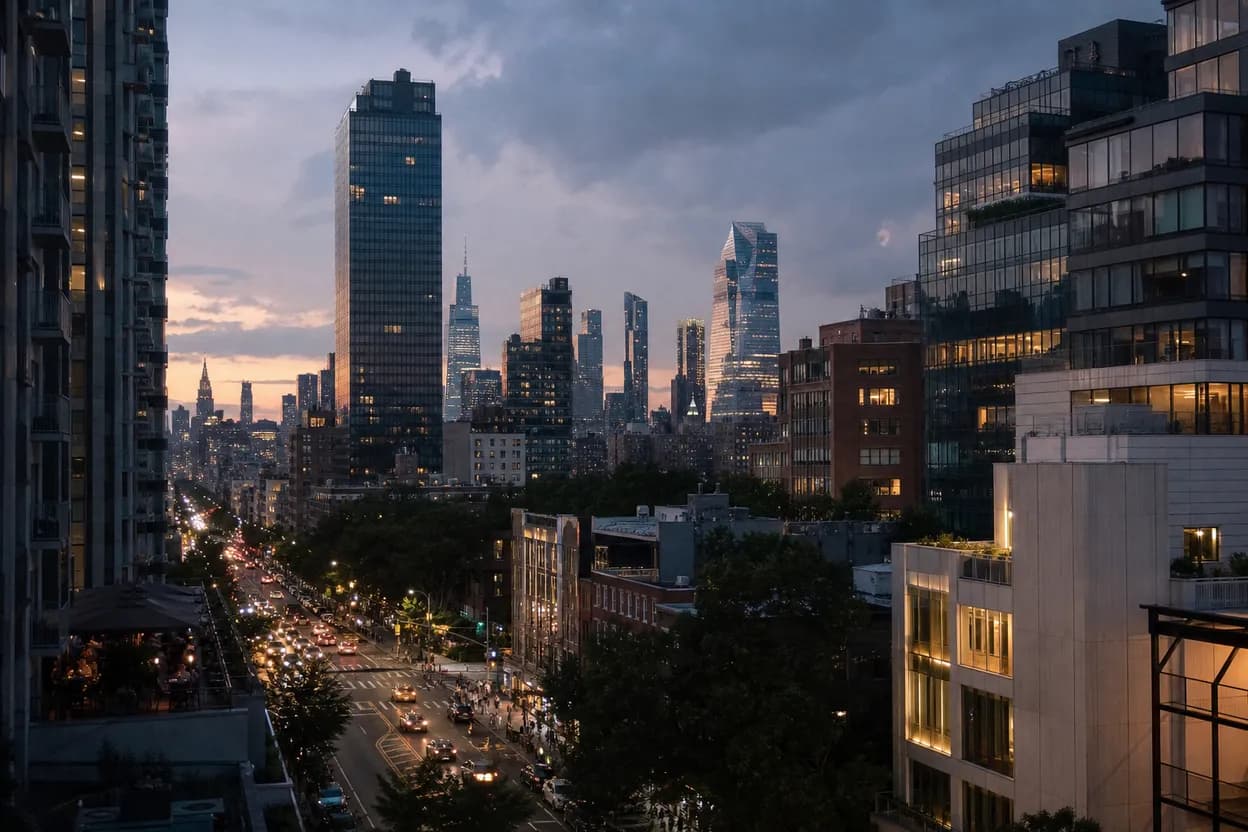
Searching samara weaving on Friday, August 7, 2026, should not send your group chasing rumors across Manhattan. Treat the phrase as a timely table topic, not evidence of a New York appearance, restaurant visit, endorsement, or event. The useful move is simpler: pick a public dining area, verify the room, check access needs, and keep a backup within reach. NYC Tourism describes the city’s food scene as legendary, with local fare and global flavors across every borough, so the problem is not finding something to eat. The problem is choosing a place that fits your group without turning dinner into crowd management. This guide keeps the plan public, flexible, and grounded in official information you can check before leaving.
Want a tighter dinner route before your group commits? Text Karpo with your neighborhood, headcount, access needs, and timing, and ask for a verified first choice plus one nearby backup.

Use the trend as a dinner conversation hook
The phrase samara weaving can work as a light social opener if your table has film fans, pop-culture watchers, or people comparing what everyone saw online this week. It should not drive the itinerary. In NYC, a trend is useful only when it helps the group agree on a place, a time, and a fallback without pretending there is inside access or celebrity certainty.
Keep the distinction clear in the group chat: you are not promising an appearance, meet-up, screening, private room, or special menu connected to anyone. You are using a public search phrase as a timely reason to gather. That keeps expectations sane and prevents the familiar NYC problem where half the group thinks dinner is casual and the other half thinks it is a secret event.
A good message sounds like this: “Let’s use the samara weaving chatter as the excuse, but choose a normal public restaurant or food hall we can verify.” That single sentence reduces hype and moves the planning toward facts: neighborhood, seating style, dietary needs, access, and how much waiting the group can tolerate.
Choose the room before choosing the menu
For groups, the room matters before the dish. NYC Tourism’s restaurant listings show how different the city’s dining formats can be: The Dutch in Soho is described as serving New American fare with local, seasonal produce and comfort food; The Terrace and Outdoor Gardens in the Times Square/Theatre District is described as a casual, all-day eatery inspired by French brasseries and American chophouses; Rowland’s Bar & Grill is listed in Herald Square on the lower level at Macy’s Herald Square.
Those descriptions do not tell you everything you need for tonight. They do give you a starting map of room types: downtown restaurant, theater-area all-day dining, department-store-adjacent gastropub. Before choosing, ask what the group actually needs. Is conversation the point? Is this before a show? Does someone need a simpler arrival point? Are you trying to avoid a room where late arrivals derail the table?
Use the official listing as the first filter, then verify directly on the restaurant’s official page or contact channel for current hours, booking options, accessibility details, and any group requirements. Public listings can orient you, but operational details can change. The smoother group plan is the one that confirms the basics before people get on the train or into a car.
Match the market or hall to the group
Not every group should start with a single full-service restaurant. If the group has mixed budgets, unclear arrival times, or competing cravings, a public market or hall-style plan can reduce friction because people can separate ordering from gathering. The official NYC Tourism extract broadly frames the city as a place with local fare and global flavors across the five boroughs, which supports a flexible search rather than one fixed cuisine.
The key is to match the setting to the group’s weakest point. If several people are chronically late, choose a first stop where early arrivals can wait comfortably and order independently if needed. If the group includes visitors unfamiliar with the city, choose an area with a clear public address and a recognizable meeting point. If access needs matter, do not rely on photos or social posts; verify the venue’s own accessibility information before committing.
A market-style choice can also help when the trend hook is doing too much social work. People may arrive expecting different versions of the night: celebrity gossip, a casual catch-up, a birthday-adjacent dinner, or a quick bite. A flexible room absorbs those differences better than a reservation that depends on everyone arriving at the same minute.
Keep the first stop easy to reach
The first stop should be the easiest part of the night, not the cleverest. In NYC, a restaurant that looks perfect on a map can still be annoying if the group is coming from multiple boroughs, offices, hotels, or showtimes. Since the official transit source was not available in the provided extract, do not rely on secondhand screenshots. Check current route conditions on official transit tools before leaving.
Neighborhood choice can do a lot of work. NYC Tourism’s sample listings include restaurants in Soho, Times Square/Theatre District, Herald Square, the Seaport, Midtown East, Flatiron District, Forest Hills, Koreatown, and Midtown West. That range is your reminder to choose around the people, not around the loudest suggestion. If two people are coming from Queens and three from Midtown, Forest Hills or Midtown may solve a different problem than Soho or the Seaport.
Send one concise route note with the restaurant name, neighborhood, meeting time, and what everyone should verify. Avoid over-planning exact arrival paths for adults unless someone asks. The practical standard is: official route check, official venue check, and a shared backup if the first room is too crowded or no longer fits.
Save a nearby option for long waits
A backup is not pessimism; it is how groups eat smoothly in NYC. Pick the second option before anyone is hungry, and keep it in the same general area so the fallback does not become a second commute. NYC Tourism’s listings show clusters that can help you think this way: Times Square/Theatre District has both The Terrace and Outdoor Gardens and Pasta Lovers listed, while Midtown East includes La Pecora Bianca Midtown and The Parlour in the sample extract.
Do not assume those places have space, a particular wait, or the same hours today. The official extract gives descriptions, not live availability. Treat each candidate as a public option to verify. If the first restaurant cannot seat the group when you need it, switch quickly instead of negotiating outside the door while the line grows around you.
Your backup should differ slightly from the first choice. If the first room is a sit-down seafood plan, the second might be a more casual Italian or gastropub-style option in the same broader area. If the first choice is built around a scenic or buzzy room, the backup should prioritize speed, clarity, and easier group movement. That way the night still works even when the preferred table does not.
Verify vendor hours before leaving
The final check is boring and essential: verify vendor hours before leaving. Official listings are a starting point, not a live guarantee. Restaurants can adjust hours, pause service, change booking rules, or handle private functions. Nothing in the provided official extracts confirms current availability for any specific restaurant, so your plan should include one last official-page check the day of the meal.
Also verify access needs with the venue, not the group chat. NYC Tourism’s restaurant search interface includes filters such as borough, neighborhood, accessibility, dietary needs, and cuisine, which makes it useful for narrowing the field. The filter result still needs confirmation from the restaurant if a specific accommodation, entrance, seating type, or dietary handling is important to someone in your party.
A clean pre-departure message can be short: “First choice verified, backup saved, everyone check your route now.” If the samara weaving conversation is still the fun spark, let it stay at the table. The operational work is separate: official hours, public access, route check, and a fallback that does not require the group to start over.
Tags: #samaraweaving #NYCRestaurants #NYCFood #GroupDining #AskKarpo #BeforeYouGo #NYCEats #ManhattanDining #QueensDining #FoodHall #RestaurantPlanning #NYCTravel #DinnerPlans #VerifyFirst
Sources consulted: nyctourism.com · nyc.gov · new.mta.info
All trademarks are the property of their respective owners.
Ask Karpo first
Ask Karpo first if the group is split between neighborhoods, arrival times, or access needs. Send the date, preferred area, headcount, and must-avoid issues. Karpo can help turn a trending conversation into a public, verified NYC restaurant plan with one realistic backup.


