 Where to Eat Near Penn Station That Isn't a Chain
US Open 2026
Ryan Zeferjahn Pitching Form: NYC Batting Cages Near 2026 Open
A practical guide to batting cages, practice facilities, and baseball-friendly stops near Flushing Meadows for visitors planning around the 2026 US Open.
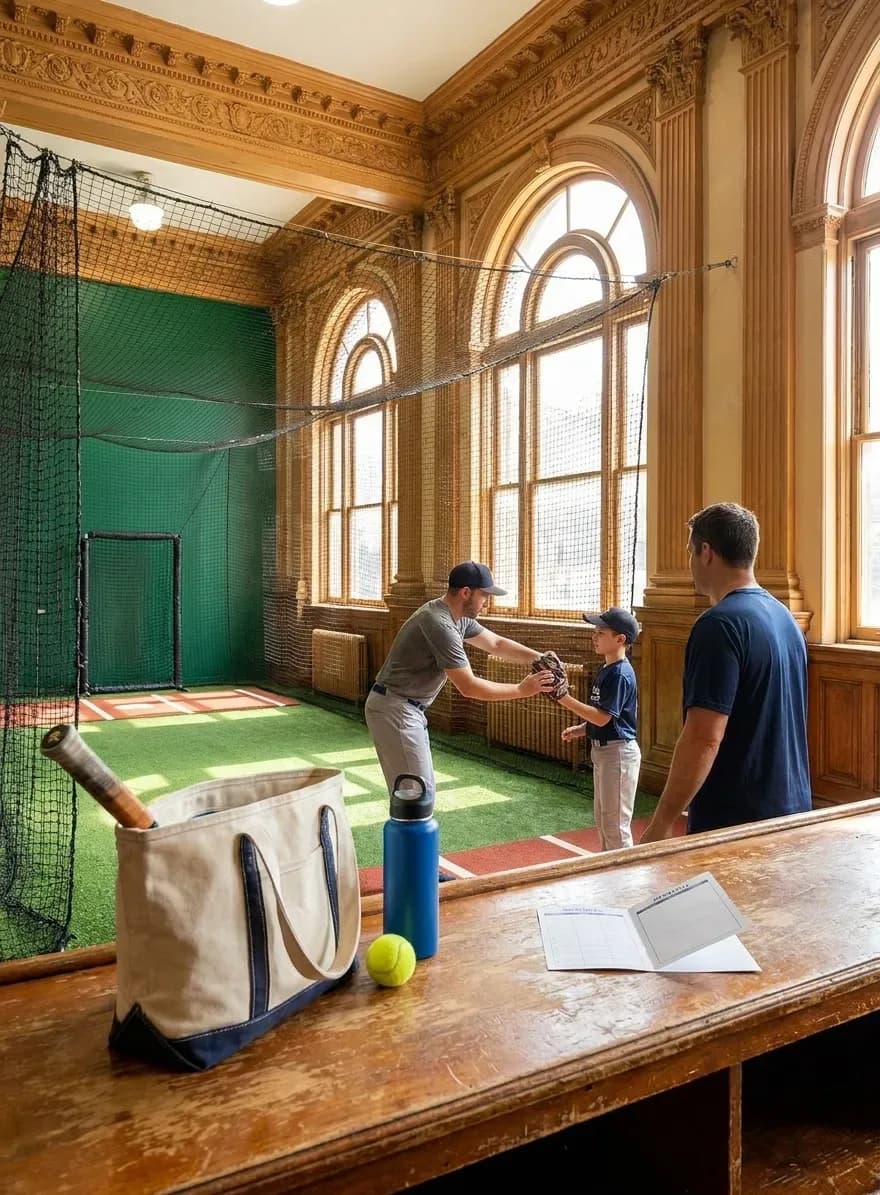
Ryan Zeferjahn's pitching mechanics have sparked fresh interest in baseball training fundamentals, and for visitors planning trips to Queens for the 2026 US Open, that curiosity pairs naturally with the neighborhood's deep baseball culture. Flushing Meadows Corona Park sits just beyond the outfield of Citi Field, and the 7 train corridor connects tennis fans to batting cages, practice facilities, and baseball-friendly stops across Queens. Whether you're traveling with young players eager to swing between tournament sessions or simply want to explore the borough's sports landscape, knowing where to find quality practice time—and how it fits into a US Open visit—turns a tennis-focused trip into a richer New York experience.
Text Karpo with your US Open session time and Queens starting point, and we’ll turn this Practice facilities for baseball enthusiasts visiting Flushing for the tournament into a practical local plan.
Why Baseball Practice Fits a US Open Visit
The US Open runs for two weeks each late August and early September, with day and evening sessions that leave mornings, late afternoons, and rest days open. Families traveling with young athletes often look for ways to keep training routines alive on the road, and Queens offers batting cages and practice facilities within a short subway or rideshare trip from Flushing Meadows. The 7 train connects the tournament grounds to neighborhoods like Corona, Jackson Heights, Woodside, and Long Island City, each with its own sports culture and access points. Checking the official event schedule at usopen.org helps you identify windows for practice, museum visits, or neighborhood exploration without rushing between commitments.
Baseball and tennis share a focus on timing, hand-eye coordination, and repetition, so a morning cage session can complement an afternoon watching serves and volleys. The key is planning around transit, confirming facility hours close to your visit, and building in buffer time for the crowds and energy that define tournament weeks in Queens.
Batting Cages and Practice Facilities Near the 7 Train
Queens is home to several batting cage facilities, though availability, hours, and booking policies vary by season and demand. Many cages operate in indoor sports complexes that also offer pitching tunnels, training programs, and equipment rentals. Facilities in the Woodside, Maspeth, and Long Island City areas are accessible via the 7 train or a short bus connection, and some offer drop-in sessions alongside scheduled lessons. Always call ahead or check the facility's website to confirm hours, cage availability, and whether reservations are required—tournament weeks can bring higher traffic to all Queens attractions.
If you're staying near Flushing Meadows, a morning rideshare to a nearby facility can be more efficient than navigating multiple subway transfers with gear. Some complexes also have viewing areas, snack bars, and seating, making them comfortable for families splitting time between players and spectators.
Citi Field and the Baseball Landscape Around Flushing
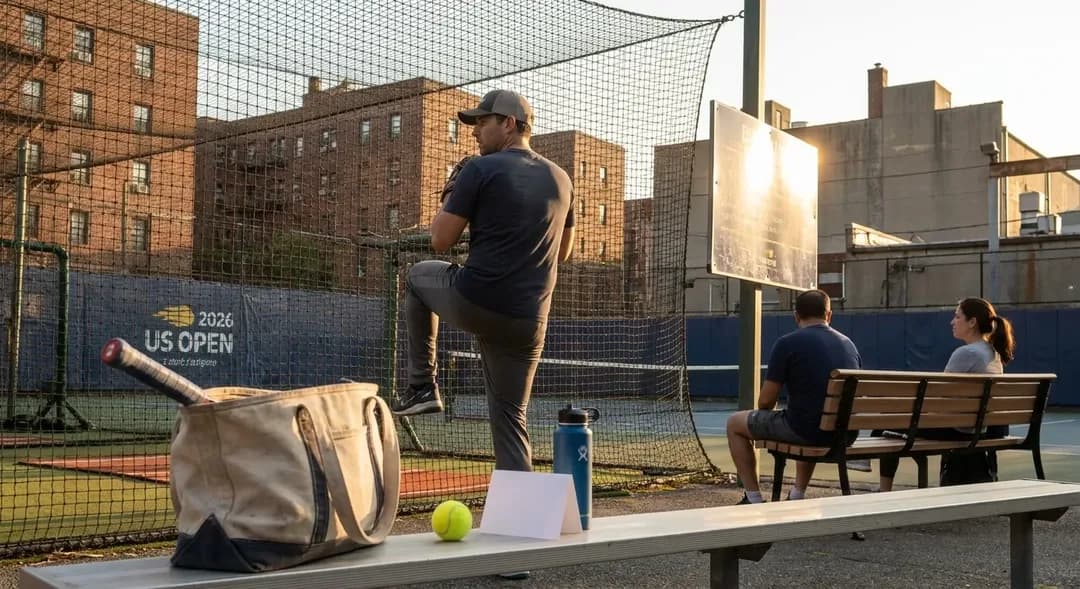
Citi Field, home of the New York Mets, sits adjacent to the Billie Jean King National Tennis Center, and the Mets-Willets Point station on the 7 train serves both venues. While the stadium itself doesn't offer public batting cages, the surrounding area pulses with baseball energy during the season. The Mets' schedule sometimes overlaps with the US Open, creating a rare opportunity to catch a game and a tennis match in the same day. Check the team's official site for game times, ticket availability, and any special events that might affect transit or parking.
Even when the Mets are on the road, the stadium's exterior, the nearby Jackie Robinson Rotunda, and the views from the 7 train platform offer a sense of the borough's sports heritage. Flushing Meadows Corona Park itself has open fields, playgrounds, and paths that invite casual catch sessions, though organized practice requires a permit from NYC Parks. The official park page at nycgovparks.org details rules, facilities, and seasonal programs.
Timing Practice Around US Open Sessions
Day sessions at the US Open typically begin around 11 a.m., and evening sessions start in the late afternoon or early evening. That schedule opens morning windows for batting practice, especially if you're staying in Manhattan or western Queens and can reach a facility by 8 or 9 a.m. Many indoor cages open early to accommodate before-work and before-school crowds, and weekday mornings tend to be less busy than weekend afternoons.
If you're attending an evening session, consider a late-morning practice followed by lunch in Flushing or Corona, then a short walk or train ride to the tournament grounds. The official transportation guide at usopen.org and the MTA's US Open transit page at new.mta.info offer real-time service updates, station details, and advice for navigating crowds during peak hours.
- Confirm batting cage hours and reservation policies at least a day before your visit.
- Bring your own gloves, bats, and helmets if possible—rental availability varies by facility.
- Allow extra travel time during US Open weeks; the 7 train and nearby streets see higher traffic.
- Check the official US Open prohibited-items list at usopen.org before packing gear for the tournament.
- Consider a rest day between practice and tennis sessions to avoid fatigue, especially for young players.
- Explore the Queens Museum or New York Hall of Science in Flushing Meadows if weather or schedules shift.
Neighborhoods and Stops Along the 7 Train
The 7 train corridor is one of New York's most diverse transit lines, connecting Flushing to Jackson Heights, Woodside, Sunnyside, Long Island City, and Manhattan. Each stop offers its own mix of restaurants, bakeries, delis, and parks. Jackson Heights is known for its South Asian and Latin American food scenes, with cafes and snack shops ideal for a post-practice breakfast or lunch. Woodside has Irish pubs, Filipino bakeries, and quiet side streets. Long Island City offers waterfront parks, galleries, and views of the Manhattan skyline.
If you're building a full day around practice and the US Open, consider a stop in one of these neighborhoods for a meal or a walk. The Museum of the Moving Image in Astoria, accessible via the N or W train from Queensboro Plaza, offers exhibits on film, television, and video games, and makes a strong rainy-day or rest-day option. Check movingimage.org for hours and current exhibitions.

What to Pack and How to Prepare
Packing for a combined baseball-and-tennis day requires a bit of strategy. A backpack with separate compartments helps keep batting gloves, a water bottle, sunscreen, and a light jacket organized. If you're heading to the US Open after practice, review the prohibited-items guide at usopen.org—large bags, outside food, and certain personal items are restricted. Some visitors leave extra gear at their hotel or in a locker if available, then travel light to the tournament.
Comfortable walking shoes matter, especially if you're moving between facilities, subway stations, and the sprawling grounds of the Billie Jean King National Tennis Center. Late summer in New York can be hot and humid, so plan for sun protection, hydration, and breaks in shaded or air-conditioned spaces. The official A-Z guide at usopen.org covers everything from accessibility services to food options, helping you prepare for a smooth visit.
Making the Most of Flushing Meadows Corona Park
Flushing Meadows Corona Park is one of New York City's largest parks, home to the Unisphere, the Queens Museum, the New York Hall of Science, and miles of paths and open space. Between practice and the US Open, the park offers a place to decompress, stretch, or simply enjoy the outdoors. The Queens Museum, located near the Unisphere, features the Panorama of the City of New York—a room-sized scale model of the five boroughs—and rotating exhibitions on art, history, and urban life. Check queensmuseum.org for hours and admission details.
The New York Hall of Science, a short walk from the tennis center, offers hands-on exhibits on physics, biology, and engineering, and appeals to visitors of all ages. Visit nysci.org for current programs and ticket information. Both museums provide air-conditioned refuge on hot days and enrich a trip that might otherwise focus solely on sports.
Planning for Flexibility and Energy
Combining baseball practice with a US Open visit requires flexibility. Facility hours, subway service, tournament schedules, and weather all shift, and the best plans leave room for adjustments. If a cage session runs long or a match you want to see gets rescheduled, having a backup plan—a nearby cafe, a museum visit, or a walk through the park—keeps the day enjoyable rather than stressful.
Traveling with young athletes means managing energy levels, hydration, and downtime. A morning practice followed by a full afternoon of tennis can be exhausting, so consider splitting activities across multiple days or building in rest periods. Queens offers plenty of low-key spots—bookstores, bakeries, park benches—where you can recharge before the next event.
Tags: #USOpen2026 #Queens #FlushingMeadows #KarpoFinds #Karpo #ryanzeferjahn #NewYorkLocal #TennisTravel #NYCLocalLife #TennisTravel
Sources consulted: usopen.org — Official event schedule · usopen.org — Official visitor A-Z guide · usopen.org — Official transportation directions · usopen.org — Official prohibited-items guide · MTA — Official US Open transit guide · NYC Parks — Flushing Meadows Corona Park · Queens Museum · New York Hall of Science · Museum of the Moving Image
All trademarks are the property of their respective owners.
Ask Karpo first
Want to know what is actually open, how to time the trip, and where to pause around Queens? Ask Karpo for the latest public US Open context, a respectful visitor plan, and a live route around Flushing Meadows before you head out.
Ask Karpo for more information.
Keep reading
- Where to Eat Near Penn Station That Isn't a Chain
 Andytown Coffee in the Outer Sunset: The Snowy Plover Explained
- Best Things to Do in Chicago: What the City Gives Away