 Haaland Has Seven Goals and Norway Runs Entirely Through Him
⚽️2026 FIFA WORLD CUP
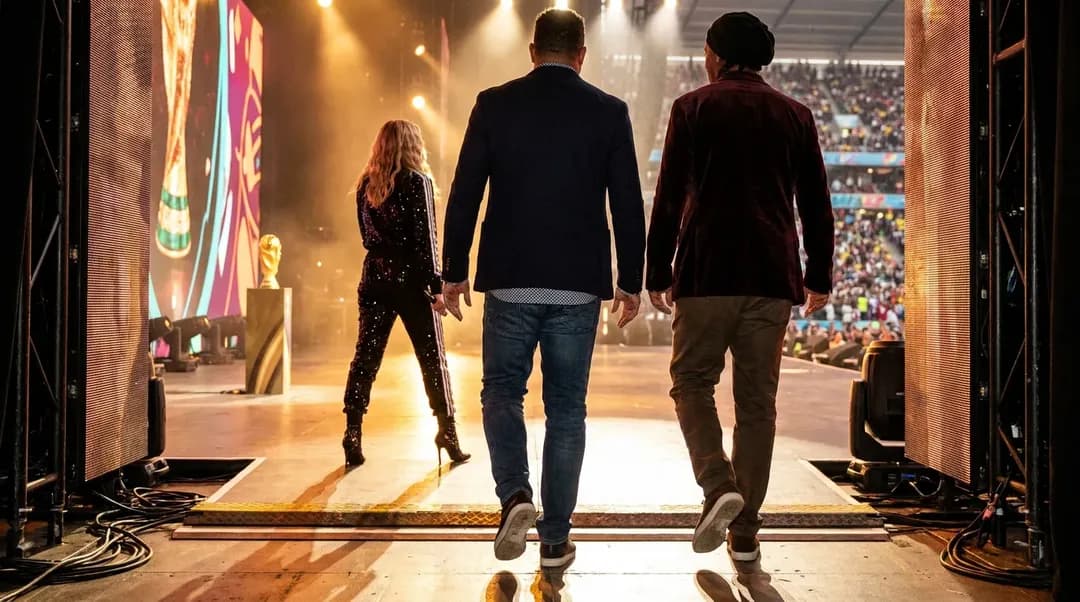
Ronaldo and Ronaldinho Joined Madonna on Football’s Biggest Stage
Two Brazilian legends bridged football's past and present at the 2026 World Cup final halftime show. Their appearance alongside Madonna marked the first time the tournament's championship match featured a major entertainment spectacle at the interval.
When Madonna took the stage at MetLife Stadium in East Rutherford on July 19, 2026, she brought two of Brazilian football's most celebrated figures with her. Ronaldo and Ronaldinho, both retired from professional play, appeared during the first-ever World Cup final halftime show as co-headliners alongside the pop icon. According to AP and FIFA coverage, their presence marked a deliberate effort to connect football's storied past with the spectacle-driven present, bringing athletic royalty to an entertainment platform that had never before existed at the tournament's climactic match.
Text Karpo to get instant insights on how major tournaments blend sport and entertainment, or ask about the evolution of halftime presentations at football's biggest events. We'll help you understand the cultural strategies behind these landmark moments.
The Unprecedented Stage
The 2026 World Cup final represented a watershed moment in tournament presentation. For the first time in the competition's history, the championship match featured a full-scale halftime entertainment show, borrowing from the model that American sporting events—particularly the Super Bowl—had perfected over decades. This departure from tradition required figures who could legitimize the spectacle within football culture, making the selection of Brazilian legends particularly strategic.
MetLife Stadium in East Rutherford provided the venue for this experiment, a location deeply familiar with large-scale entertainment presentations. The stadium's infrastructure and the North American hosting arrangement created conditions where such a production became logistically feasible. The decision to incorporate retired football icons rather than rely solely on entertainment value suggests organizers recognized the potential resistance from purist fans who might view elaborate halftime shows as an unwelcome Americanization of the world's game.
Why Brazilian Icons Specifically
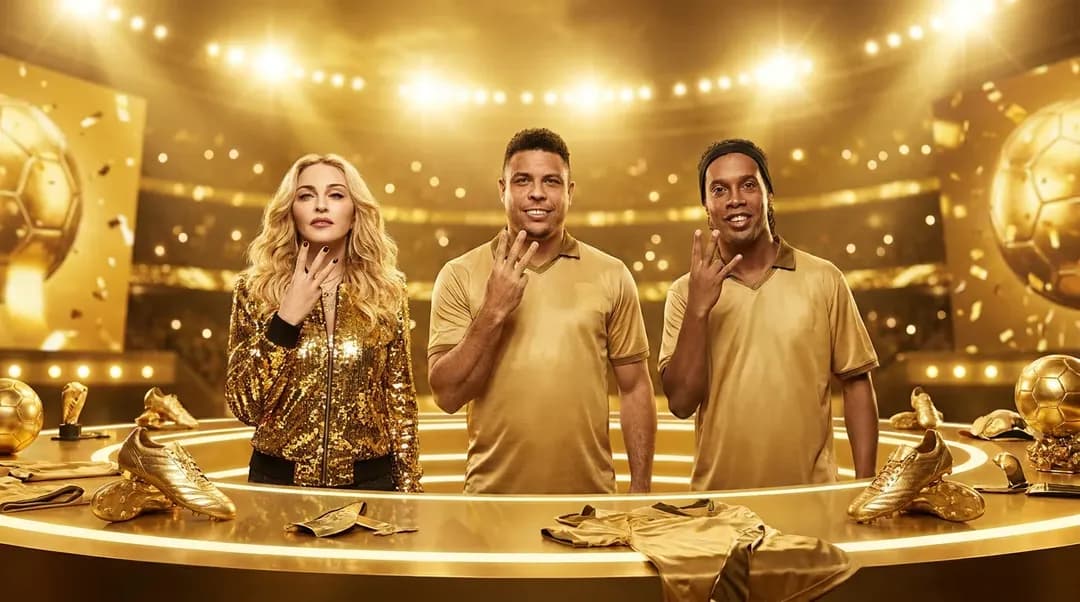
The choice of Ronaldo and Ronaldinho carried specific symbolic weight beyond their individual accomplishments. Brazil's football heritage represents something universally understood across global football culture—a tradition of artistry, success, and joy that transcends regional preferences. Both players embodied distinct eras of Brazilian excellence while maintaining appeal across generations of fans, making them ideal ambassadors for a moment designed to unite rather than divide the audience.
Ronaldo's two World Cup victories and status as one of the tournament's all-time leading scorers gave him undeniable credentials as a championship-stage figure. Ronaldinho's reputation for creative brilliance and his ability to make football look effortless added an element of artistic flair that aligned with the entertainment focus of the presentation. Together, they represented complementary aspects of Brazilian football identity—clinical effectiveness and creative expression—that could resonate with diverse fan bases gathered for the final.
Bridging Football History and Pop Culture
The appearance alongside Madonna created a visual and symbolic bridge between two distinct forms of global cultural influence. Madonna's status as a pop culture icon with decades of performance experience placed her in conversation with figures who held equivalent status within football. This parity mattered for the show's credibility; had organizers selected current players or lesser football figures, the dynamic would have positioned football as subordinate to entertainment rather than as an equal participant in a cultural dialogue.
The halftime show format allowed these retired icons to participate in the World Cup final without disrupting the competitive integrity of the match itself. Their presence carried none of the complications that might arise from involving active players or current national team figures, who would inevitably be associated with specific sides or competitive narratives. Retirement provided them the neutrality necessary to serve as representatives of football heritage rather than partisan interests.
The North American Context
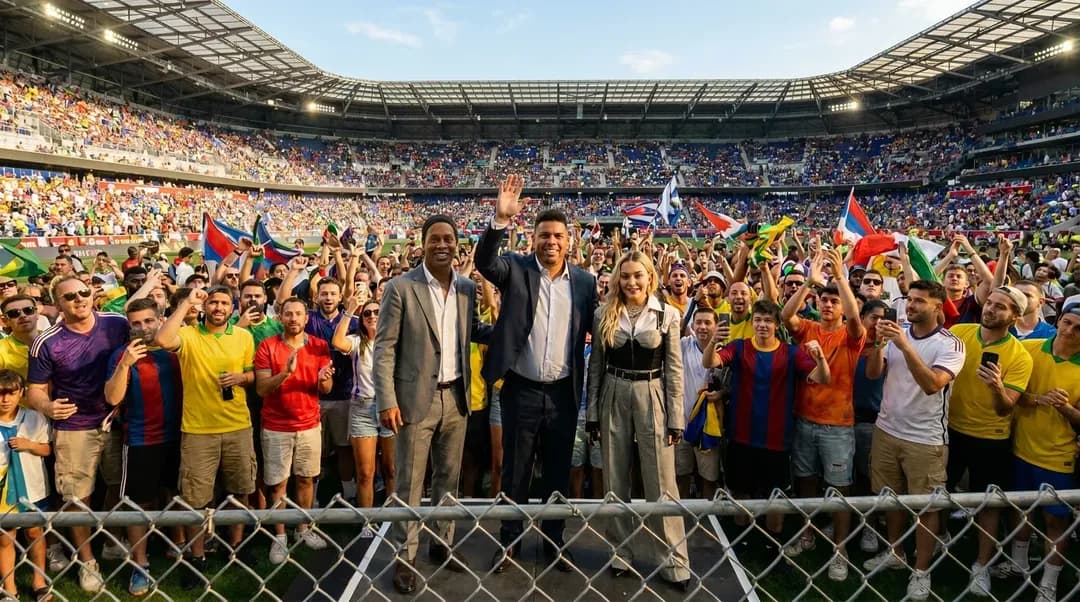
Hosting the tournament across Canada, Mexico, and the United States created conditions where such innovation became more likely. North American sports culture has long embraced elaborate halftime entertainment as integral to major events, making this the logical tournament to experiment with importing that model. The decision to stage the final in East Rutherford, within the New York City metropolitan area, placed the match in one of the world's entertainment capitals, where the expectation for spectacle runs high.
This geographic context also meant reaching audiences potentially less steeped in traditional football culture. The inclusion of globally recognized Brazilian stars provided a football-specific entry point for viewers who might engage more readily with familiar names than with tactical nuances or team histories. The strategic calculation appears to have centered on making the final accessible as entertainment while maintaining sufficient football authenticity to satisfy devoted fans.
The Retirement Advantage
Using retired rather than active players offered distinct advantages for this pioneering presentation. Ronaldo and Ronaldinho carried no current competitive obligations or club affiliations that might create conflicts or scheduling complications. Their careers existed as complete narratives that could be celebrated without concern for ongoing performance pressures or transfer speculation that inevitably surrounds active players.
Retirement also granted these figures a degree of freedom in how they could be presented. They could appear in entertainment contexts without the concern that such appearances might diminish their competitive focus or create distractions during an active season. This availability made them ideal collaborators for a production that required rehearsals, coordination, and willingness to participate in a format quite different from traditional football ceremonies.
Setting Precedent for Future Finals
The 2026 World Cup final halftime show established a template that future tournaments may follow, modify, or reject. The inclusion of football legends alongside entertainment headliners created a hybrid format that acknowledged both the sport's heritage and the evolving expectations of global audiences accustomed to multi-layered event experiences. Whether this becomes standard practice or remains a unique experiment tied to North American hosting will depend partly on how this first attempt was received.
The choice of Brazilian icons for this inaugural presentation set a high standard for football credibility in any future halftime shows. Any subsequent attempts would likely need to match or exceed the stature of Ronaldo and Ronaldinho to maintain legitimacy with football audiences. This precedent suggests that organizers recognized the delicate balance required when introducing entertainment elements to football's most sacred competitive space—innovation needed to be anchored by undeniable respect for the game's history and heroes.
Tags: #WorldCup2026 #Ronaldo #Ronaldinho #Madonna #HalftimeShow #EastRutherford #BrazilianFootball #FIFAFinal #FootballHistory
All trademarks are the property of their respective owners.
Ask Karpo First
Before the next major tournament, reach out to understand how host nations influence presentation formats and which football legends might participate in future ceremonies. We track the evolution of how football's biggest events balance tradition with entertainment innovation, helping you anticipate changes to tournament experiences before they happen.
Ask Karpo for more information.
Keep reading
- Haaland Has Seven Goals and Norway Runs Entirely Through Him
 World Cup Trophy Ceremony Timing Medals and Postmatch Celebrations
 Olise and France's Attack: The Semifinal Tactical Question