 Haaland Has Seven Goals and Norway Runs Entirely Through Him
⚽️2026 FIFA WORLD CUP
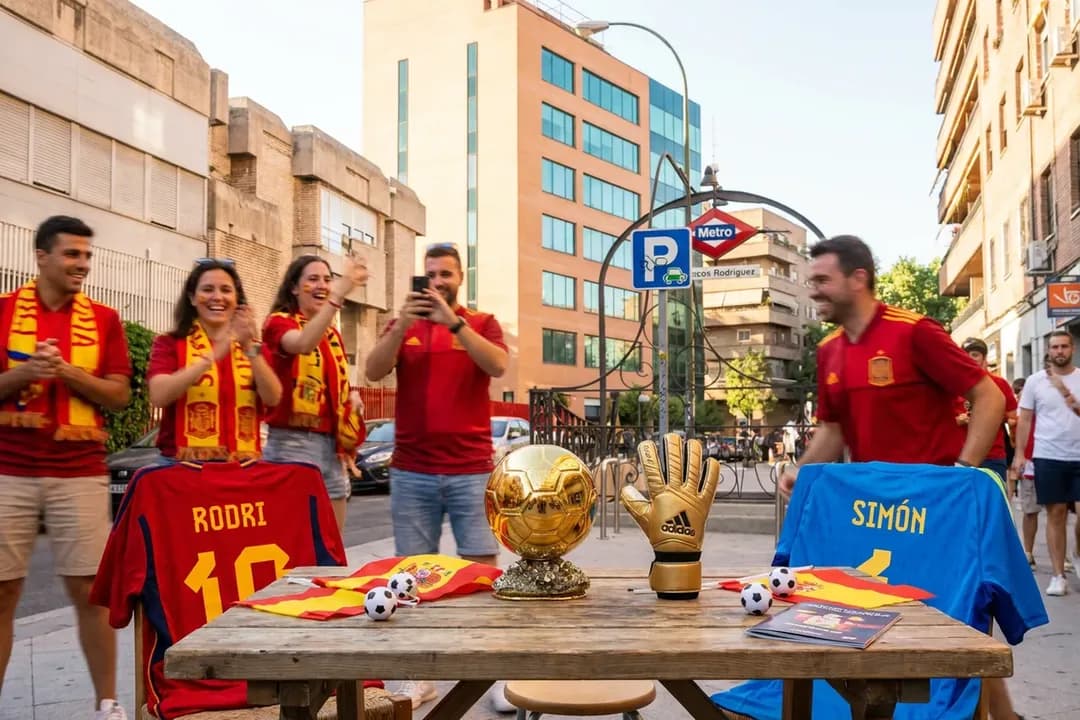
World Cup Player Awards Explained for New Soccer Fans
World Cup individual awards can be confusing when you are new to soccer. This guide explains the biggest role differences without turning the 2026 honors into a full winner roundup.
If you watched the 2026 World Cup final conversation from East Rutherford, New York City, or anywhere across North America, you probably saw more than one award name appear after the tournament. For new soccer fans, that can feel oddly complicated: one honor sounds like it names the best player, another singles out a goalkeeper, and official pages may group several categories together. The simplest way to read the awards is not as one giant ranking, but as a set of labels for different kinds of tournament recognition.
Text Karpo if you want a personalized final-recap plan after reading this: we can help you sort the award names, build a beginner-friendly viewing recap, find a celebration idea near you, or turn the World Cup buzz into a food-and-city plan for New York, New Jersey, or your own match-night neighborhood.
Start With the Award Name, Not the Hype
A World Cup award page is easiest to understand when you begin with the category title. Some awards describe an overall tournament distinction, while others isolate a specific role or age group. New fans often assume every trophy is competing to answer the same question, but that is not how the labels work. A best-player award and a goalkeeper award are not duplicates. They are designed to spotlight different responsibilities on the field, even when both appear on the same official list.
When an official page groups awards together, read it like a glossary rather than a leaderboard. The order of boxes, cards, or headlines is not automatically a ranking unless the page clearly says so. Tournament coverage can make the presentation feel dramatic, especially around the final, but the safest approach is simple: identify the category, identify the named recipient, and avoid adding extra assumptions. That habit keeps you from inventing comparisons the official wording does not actually make.
What the Golden Ball Is Meant to Signal
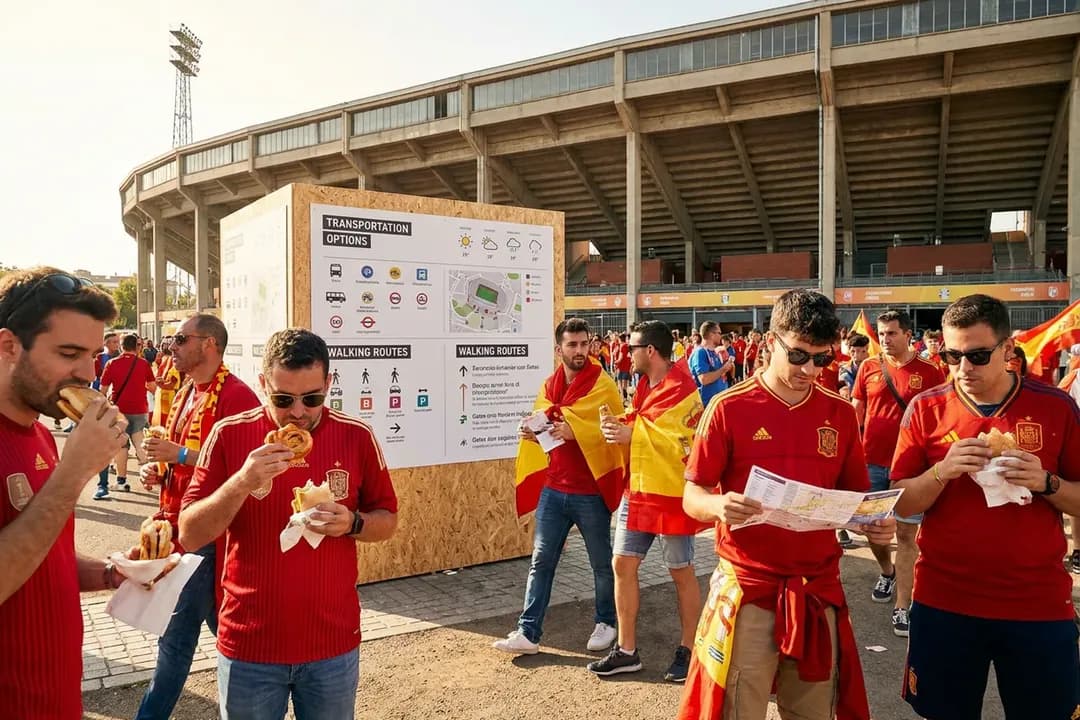
The Golden Ball is commonly understood as the tournament’s best-player honor, which is why it attracts so much attention from casual viewers. In the confirmed 2026 examples, Rodri won the 2026 Golden Ball. For a beginner, the important point is not to reduce the award to one goal, one match, or one viral moment. It is presented as an individual tournament honor, so it should be read as recognition attached to the whole competition rather than as a simple final-only souvenir.
That does not mean fans need to know every tactical detail to understand it. Think of the best-player award as a broad label for influence across a tournament context. It can involve how a player is perceived within matches, how much attention their role receives, and how the official award framework chooses to summarize the competition. What new fans should avoid is turning the title into a universal proof that every other player was ranked below in a precise public order.
Why Goalkeepers Have a Separate Award
Goalkeepers play a job so different that soccer gives them their own major lane of recognition. They are the only players primarily defined by preventing goals with specialized responsibilities inside the penalty area, organizing defensive moments, claiming crosses, managing distribution, and making saves under pressure. Because their work is not measured the same way as an outfield player’s, a separate goalkeeper honor helps fans notice a role that can be decisive but visually quieter for long stretches of a match.
In the confirmed 2026 examples, Unai Simon won the 2026 Golden Glove. The beginner takeaway is that this does not need to be read as a challenge to the best-player award. It is a role-specific distinction. Soccer separates it because goalkeeping excellence is judged within a different job description from midfield, defense, or attack. If you are new to the sport, that separation is helpful: it tells you the award is asking a goalkeeper question, not simply repeating the tournament’s overall best-player question.
Do Not Treat Official Pages Like Stat Sheets
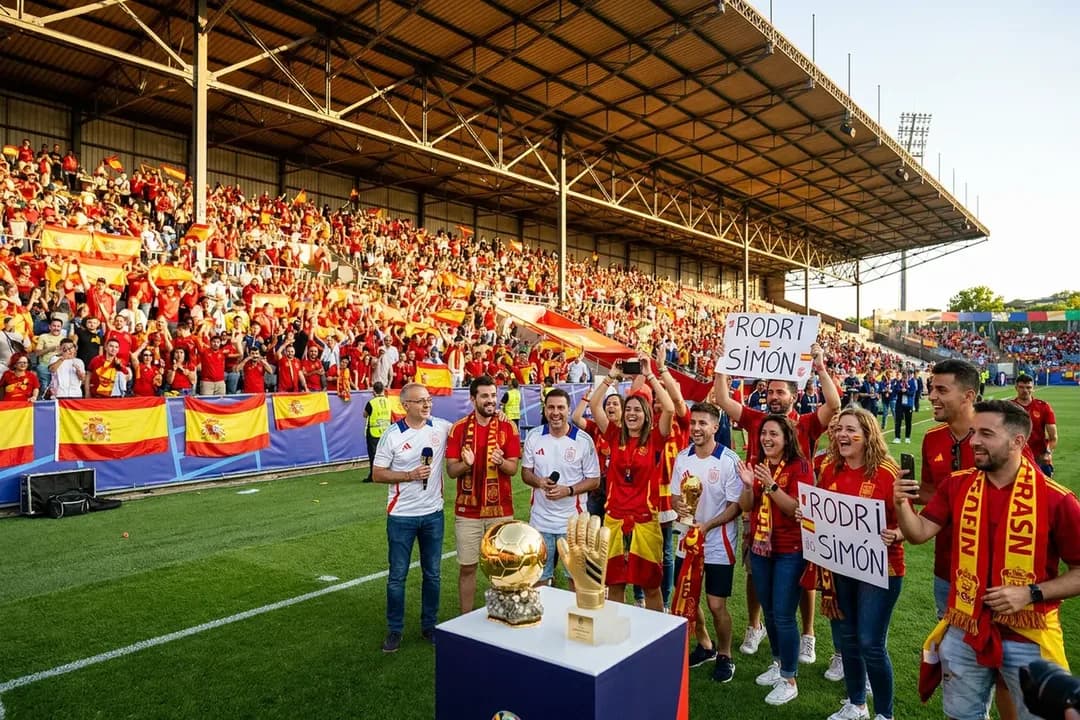
Official award hubs are useful, but they are not always built to teach every detail a newcomer wants. A page may confirm names and categories while leaving out the deeper process behind how an honor was selected. Unless the page itself provides voting rules, vote totals, judging criteria, or rankings, fans should not fill those gaps with guesses. That matters because social posts often add certainty that the official wording does not support, especially when debates become emotional after a final.
A clean reading method is to separate confirmed facts from interpretation. Confirmed: a category exists, a recipient is named, and the award belongs to that tournament edition. Interpretation: why one player was preferred, whether another player was close, or how voters weighed specific moments. If an official or public source does not state those details, treat them as unknown. This is not being overly cautious; it is how you keep a recap accurate enough to share with friends who are also learning the sport.
How to Explain It to a Friend in One Minute
If someone asks what the difference is, try this plain-language version: the best-player award recognizes an overall tournament standout, while the goalkeeper award recognizes the top player within the specialized goalkeeper role. They are separate because soccer positions are not interchangeable. A forward, midfielder, defender, and keeper can all shape a tournament in different ways, but the keeper’s responsibilities are unique enough that the sport has a dedicated honor for that position.
Then add one important caution: do not use the awards page as a complete map of everything that happened. It is a summary of selected individual honors, not a full tactical report, not a match log, and not a ranking of every player at the World Cup. That distinction makes conversations better. Instead of arguing from assumptions, fans can say what the award officially recognizes and leave room for discussion about performances, team context, and personal favorites without overstating the record.
A Beginner’s Checklist for Reading Award Coverage
Before sharing an award post, ask three quick questions. First, what exact category is being named? Second, does the source confirm only the winner, or does it also explain the process? Third, am I adding a claim that is not actually on the page? This checklist is especially useful around major events in the New York City region, where local watch parties, final-week travel, and celebration chatter can make headlines move faster than careful explanations.
Finally, remember that awards are entry points into the sport, not homework assignments. You can enjoy them as quick markers of tournament history while still learning the roles at your own pace. The best-player label helps you spot a broad individual headline. The goalkeeper label helps you appreciate a demanding specialist position. Together, they make the World Cup easier to follow, as long as you read the official wording closely and resist turning a concise award page into something it never claimed to be.
Tags: #WorldCup2026
Sources consulted: 2026 World Cup award winners · FIFA final hub
All trademarks are the property of their respective owners.
Ask Karpo First
Ask Karpo for a beginner-friendly World Cup final recap, a personalized watch-party follow-up, or a New York area celebration and food plan built around how you followed the tournament.
Ask Karpo for more information.
Keep reading
- Haaland Has Seven Goals and Norway Runs Entirely Through Him
 World Cup Trophy Ceremony Timing Medals and Postmatch Celebrations
 Olise and France's Attack: The Semifinal Tactical Question