 Where to Eat Near Penn Station That Isn't a Chain
US Open 2026
Return Position Battles That Decide US Open Upsets
A returner’s starting spot can turn a serve-first match by changing the server’s targets, first shot after the serve, and pressure before the rally begins.
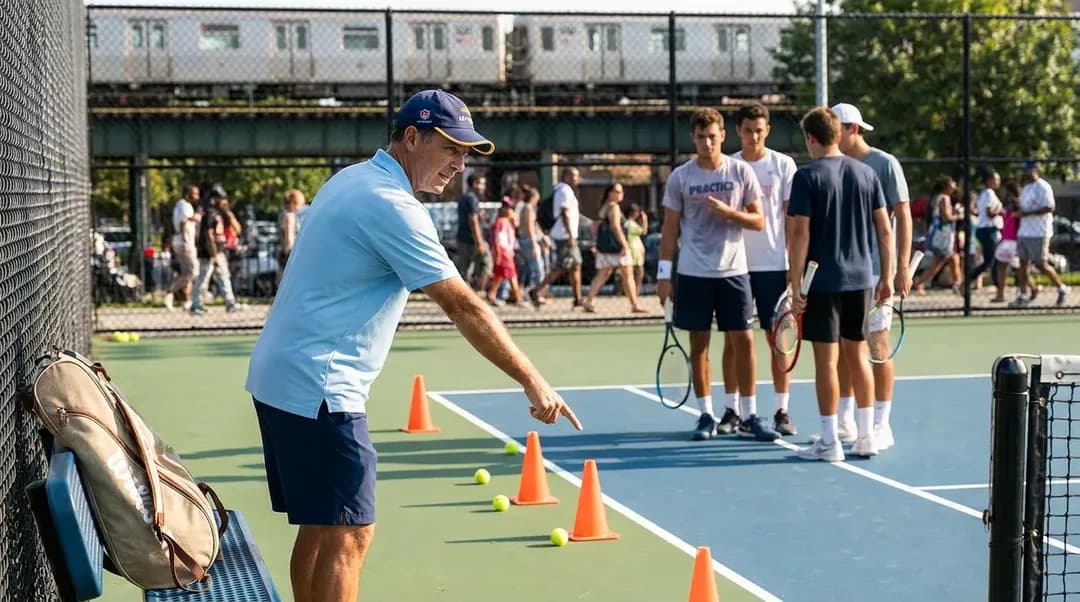
Before a big server tosses the ball, the most important choice may belong to the returner: stand back, hold the baseline, or step inside it. From the seats, that choice can look like a small shuffle. Tactically, it changes the whole point. A deep return position buys time against pace and kick, a neutral position protects both corners without overcommitting, and an aggressive position dares the server to hit precise spots under pressure. For US Open fans watching potential upsets, this is one of the clearest battles to track because it appears before every first serve and can shift as soon as the score tightens.
Text Karpo for a current, low-friction plan for return position battles that decide us open upsets—including timing, route checks, and practical options that fit your day.
Why Position Beats Power
Big servers usually want the same early pattern: a high-percentage first serve, a weak block or short reply, then a plus-one forehand or clean approach. Return position attacks that pattern at its first link. The returner does not need to hit winners to create trouble. A deeper starting point can turn a body serve from a jam into a controllable swing. A forward point can make a second serve feel smaller than it is.
The position also sends information. If the returner starts far back, the server may chase sharper angles, which increases risk. If the returner creeps forward, the server may aim for safer body serves, which can make the next shot less damaging. If the returner varies position late, the server has to solve a moving puzzle while managing the scoreboard. That is why a returner who wins only a few more neutral balls can still tilt a set.
Deep Returns Stretch Servers
The deep return position is easiest to spot. The returner may stand several feet behind the baseline, especially when the bounce is jumping. The main benefit is time. Against a fast first serve, the extra split second lets the returner take a fuller shoulder turn, see the ball after the bounce, and play a heavier return through the middle. Against a kick serve, the returner can let the ball climb and send it back with shape rather than stabbing upward.
This approach can bother a bigger server because it changes the reward for pace. A serve that would normally force a short block may come back deep enough to deny an immediate attack. If the return lands near the server’s feet or middle third, the favorite is no longer hitting a simple first forehand; they are starting a rally from a less dominant court position. Upset chances often grow when the server has to win points with four or five shots instead of two.
The drawback is court exposure. From deep, the returner gives up angle. A precise wide serve can pull them off the court, and a server who follows forward may have space for the next volley. The key is depth and direction. Deep returners do not have to blast. They need enough length to stop the server from stepping inside the baseline comfortably. When first serves keep coming back deep through the center, the match may be closer tactically than the ace count suggests.
Neutral Positions Hide Intent
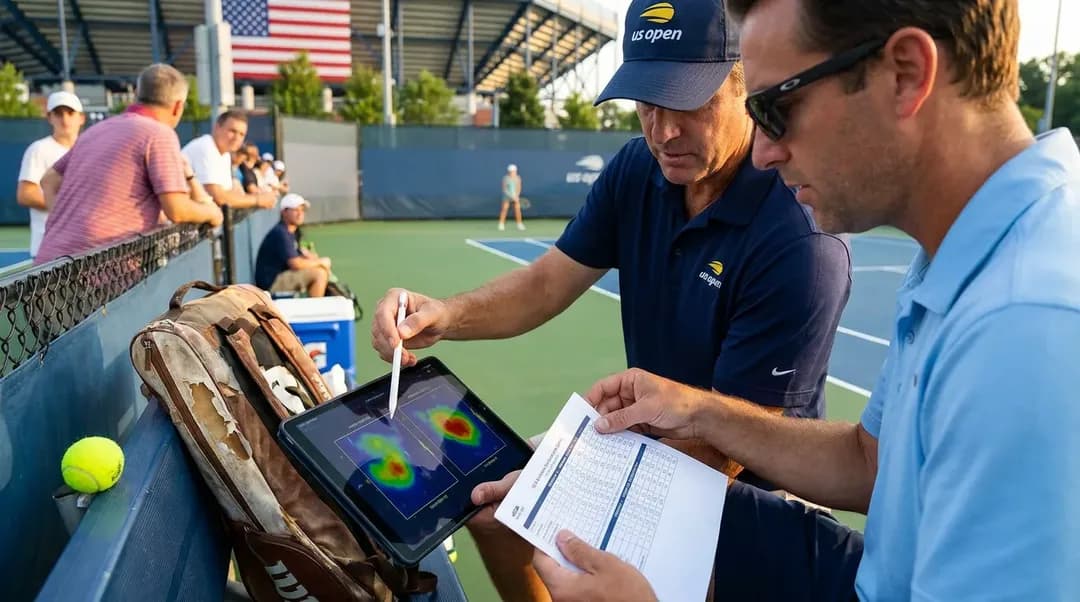
A neutral return position, usually near the baseline but not crowding it, is the disguise option. It keeps the returner close enough to attack a weaker second serve but far enough back to react to a heavy first serve. This position is valuable against servers who mix pace, slice, kick, and body locations. Instead of announcing a plan, the returner holds a balanced stance and asks the server to hit one more quality serve.
Neutral returning often creates tactical swings through predictability, not fireworks. If the returner can put enough balls in play from a balanced spot, the server may lose cheap points without realizing it. A blocked return deep to the backhand, a chipped return that stays low, or a compact swing through the middle can all make the next ball awkward. The server still controls the first strike, but the returner controls whether that first strike becomes a point-ending advantage.
For spectators, the clue is not where the returner stands once, but whether the server starts changing choices. A server who had been living wide may begin serving more to the body. A second serve that was kicked safely may flatten out under pressure. A favorite who starts looking at the returner before serving is often reading position as much as body language. Neutral positioning works when every serve looks playable and every service game feels less automatic.
Aggressive Steps Create Panic
The aggressive return position is the crowd-raising move: the returner steps inside the baseline, especially on second serves, and takes the ball early. This can be risky, but it directly attacks rhythm. Big servers often count on a slower second serve still producing a defensive reply because of spin, height, or placement. When the returner moves forward, the ball comes back sooner, the server has less recovery time, and the plus-one shot may arrive rushed.
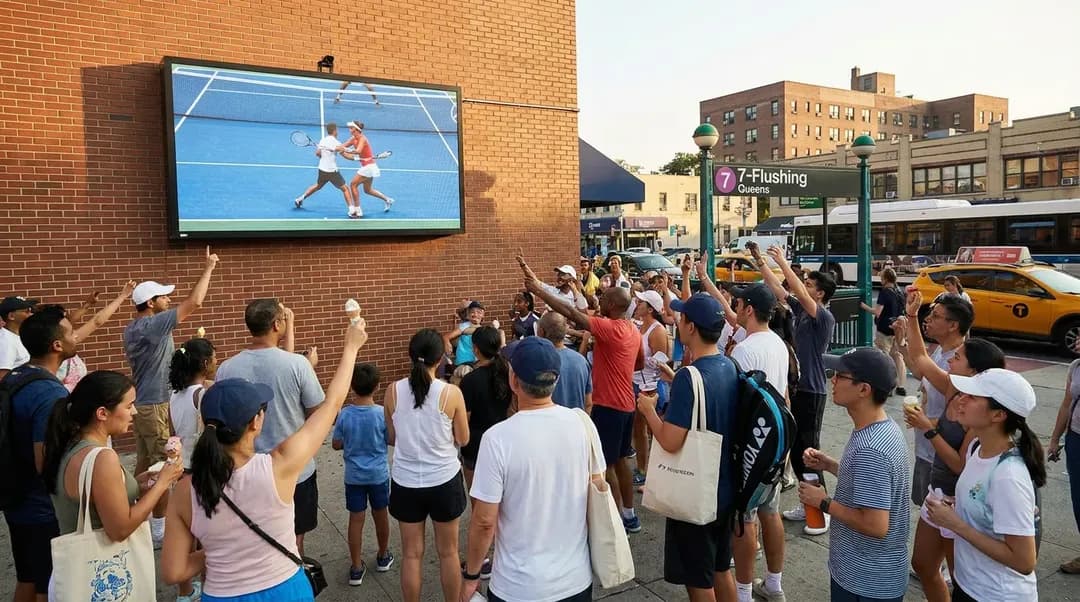
Forward positioning also changes the geometry. A return taken early can cut off the angle before the serve pulls the returner wide. Even a firm return down the middle can be damaging because it lands before the server has fully reset. On pressure points, a returner stepping in may not be hunting a clean winner. The goal can be to make the server feel that a safe second serve is no longer safe.
- Watch whether the returner moves before the toss or waits until the server looks down.
- Notice if the server responds with more body serves to avoid free angles.
- Track second-serve depth; short second serves invite the returner forward.
- Value blocked returns that land deep, not only clean return winners.
The risk is obvious: mistiming. A returner who crowds the baseline against a precise serve can miss quickly or get jammed. That is why many strong return plans combine positions rather than choosing one identity. The returner may stand deep on first serves, stay neutral early in games, and step in on second serves at 30-all or break point. Upsets often form in those switches, when the bigger server cannot settle into one service rhythm.
A practical way to read the battle is to watch the first two points of each return game. If the returner starts deep and lands two solid balls, the server may feel pressure to hit closer to the lines. If the returner starts neutral and blocks two returns low, the server may have to win with movement and patience. If the returner steps in and cracks one second serve, the entire service game can tighten. The upset does not begin only with a break; it begins when the server’s comfortable serve pattern disappears.
Practical Notes
For “Return Position Battles That Decide US Open Upsets,” the useful 2026 calendar anchor is August 23 through September 13, with singles main-draw play beginning August 30. Advice: if you want to study return positions in person, choose a clear baseline view when available, because end-court angles reveal depth better than side views. Check the official US Open schedule page and the WTA and ATP sites before travel for current event and tour information. Before acting on “Return Position Battles That Decide US Open Upsets,” recheck the official security page; its current limit is one searchable bag per guest, no larger than 12 by 12 by 16 inches.
Tags: #USOpen2026 #Tennis #NewYork #Queens #FlushingMeadows #USOpenGuide #TennisFans #SportsTravel #NYCEvents #HardCourt #KarpoFinds #Karpo
Sources consulted: usopen.org — Official reference · wtatennis.com — Official reference · atptour.com — Official reference
All trademarks are the property of their respective owners.
Ask Karpo first
Want to know what is confirmed, when to show up, and what is actually open to the public? Ask Karpo for the latest US Open updates and a practical New York plan for return position battles that decide us open upsets.
Ask Karpo for more information.
Keep reading
- Where to Eat Near Penn Station That Isn't a Chain
 Andytown Coffee in the Outer Sunset: The Snowy Plover Explained
- Best Things to Do in Chicago: What the City Gives Away