Takeout is not a smaller version of eating in a restaurant. It is a different physical problem, in which food sits in a sealed container with its own steam for twenty minutes while being carried up a hill. Some dishes are essentially indifferent to this and some are destroyed by it, and the difference has nothing to do with how good the restaurant is. San Francisco is a takeout city — the hills, the parking, the weather and the price of a table all push people toward it — and knowing which categories survive is worth more than knowing which restaurants are best.
The dish decides whether takeout works, not the restaurant, and delivery apps never mention that. Ask Karpo what near you actually travels well tonight.
The physics of a takeout container
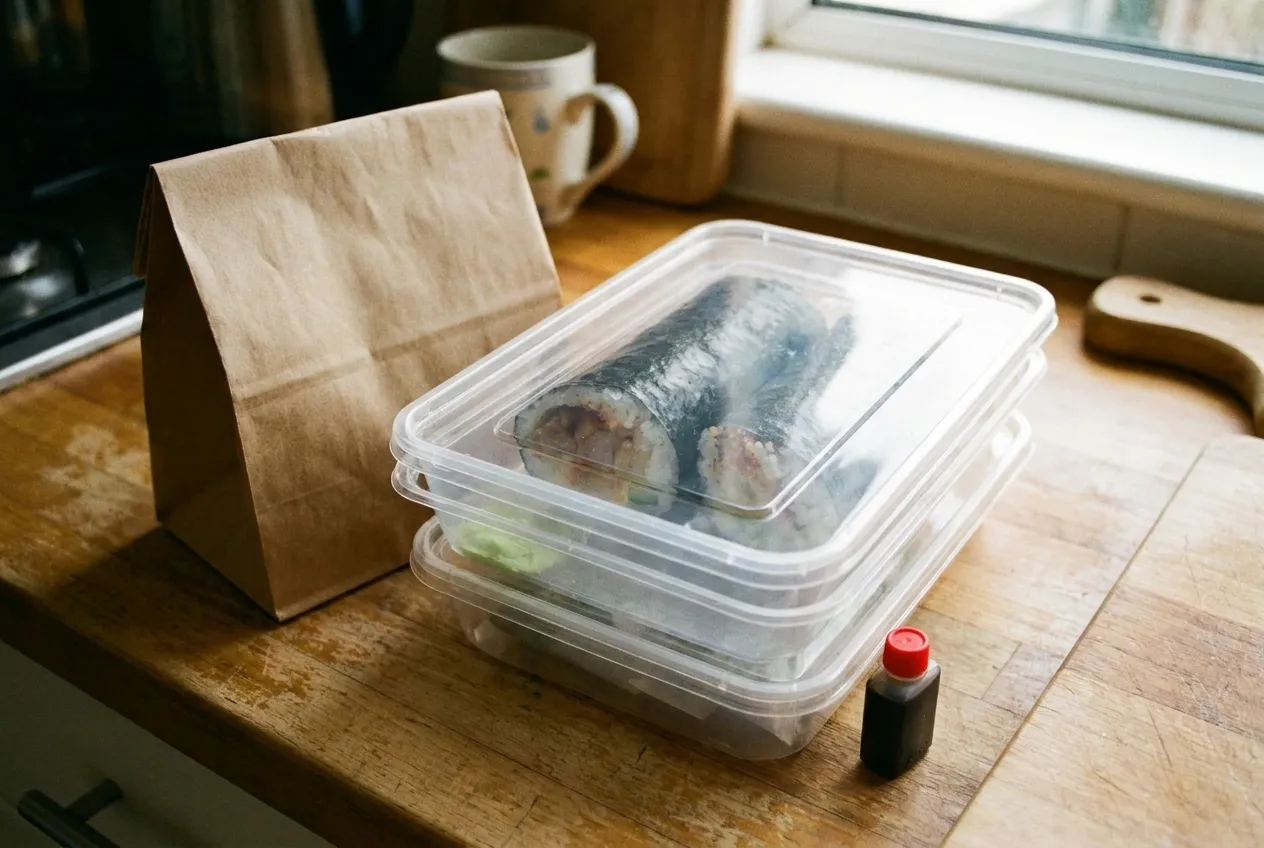
Two things happen in a closed box. Steam condenses on the lid and drips back onto the food, which is what turns anything fried into something soft. And the temperature falls unevenly, so sauces set, fats congeal and starches firm up. A dish that depends on a contrast of textures — crisp against soft, hot against cold — will lose that contrast, and there is no way to package around it.
The corollary is that dishes with a single dominant texture, or dishes designed to be assembled at the table, travel almost perfectly. This is why so much of the world's best takeout comes from cuisines with a strong tradition of eating away from the kitchen.
What travels well in San Francisco
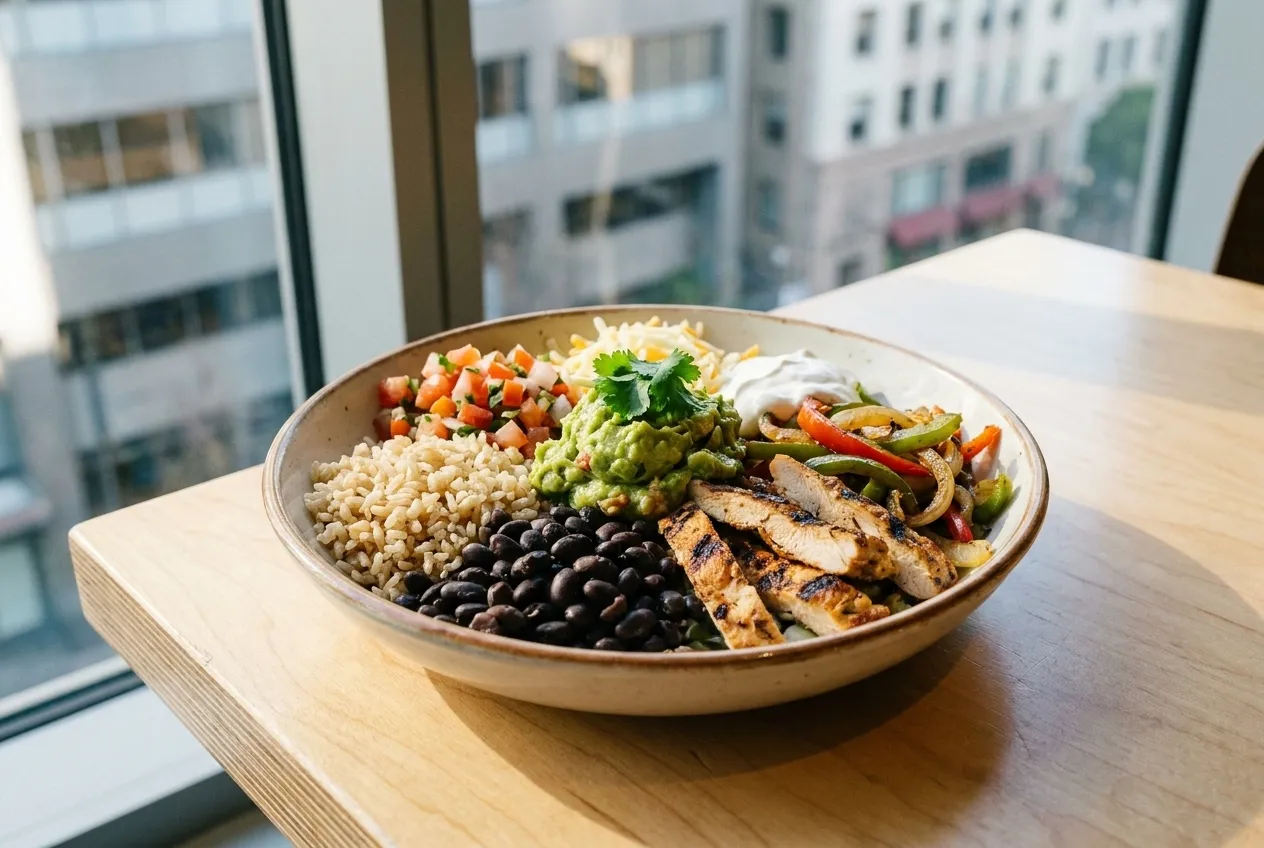
Burritos are the local champion for a structural reason: the foil wrap is not packaging, it is part of the dish, and the whole thing is designed to be eaten thirty minutes after it was made, standing up, somewhere else. A Mission burrito is as good at home as at the counter, which is close to unique. The taquerias along Mission Street and around the 16th and 24th Street corridors are built entirely around this.
Cantonese and Sichuan cooking travels well, which is why Chinatown and the Richmond's Clement Street corridor have supported takeout for a century. Braises, stir-fries with sauce, roast meats and anything served over rice hold their character. Rice is the key variable — it insulates, absorbs and reheats better than any other starch.
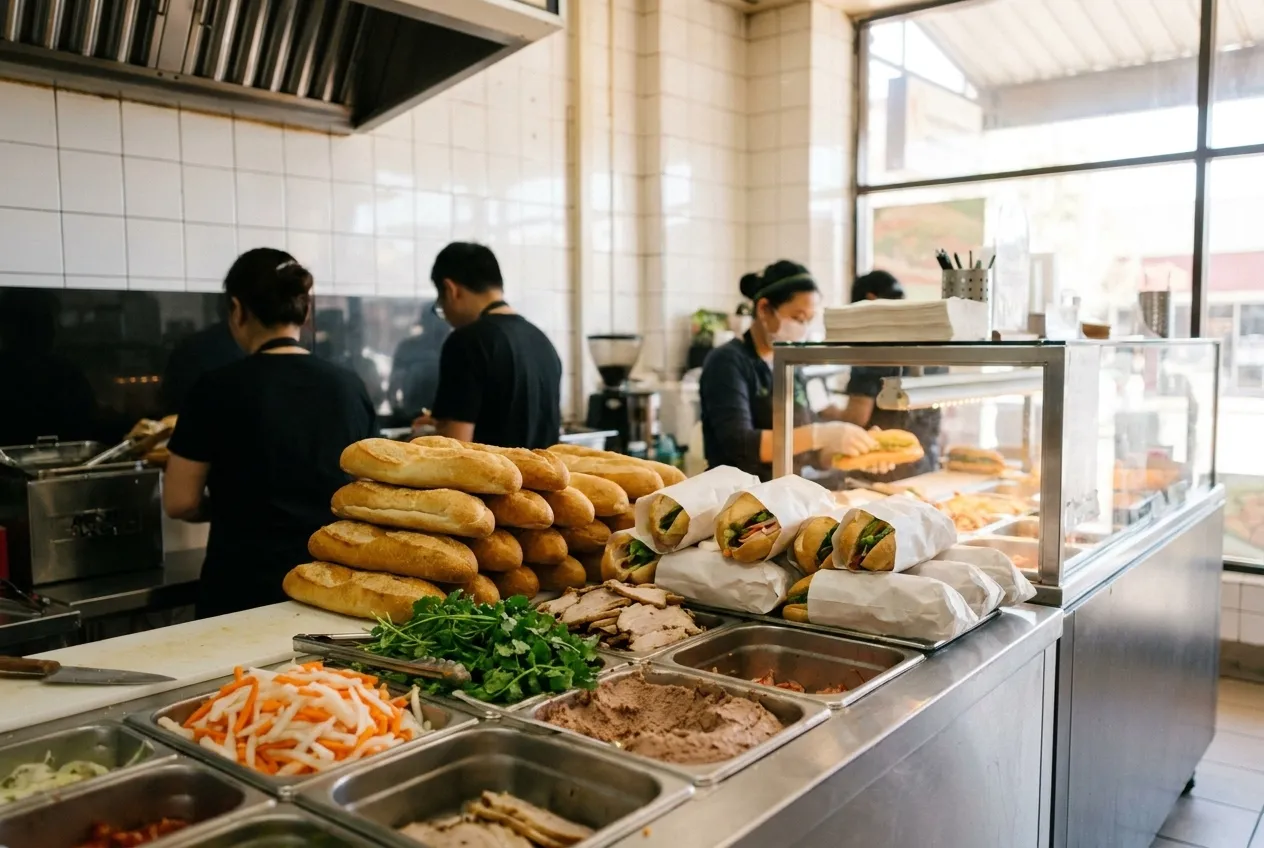
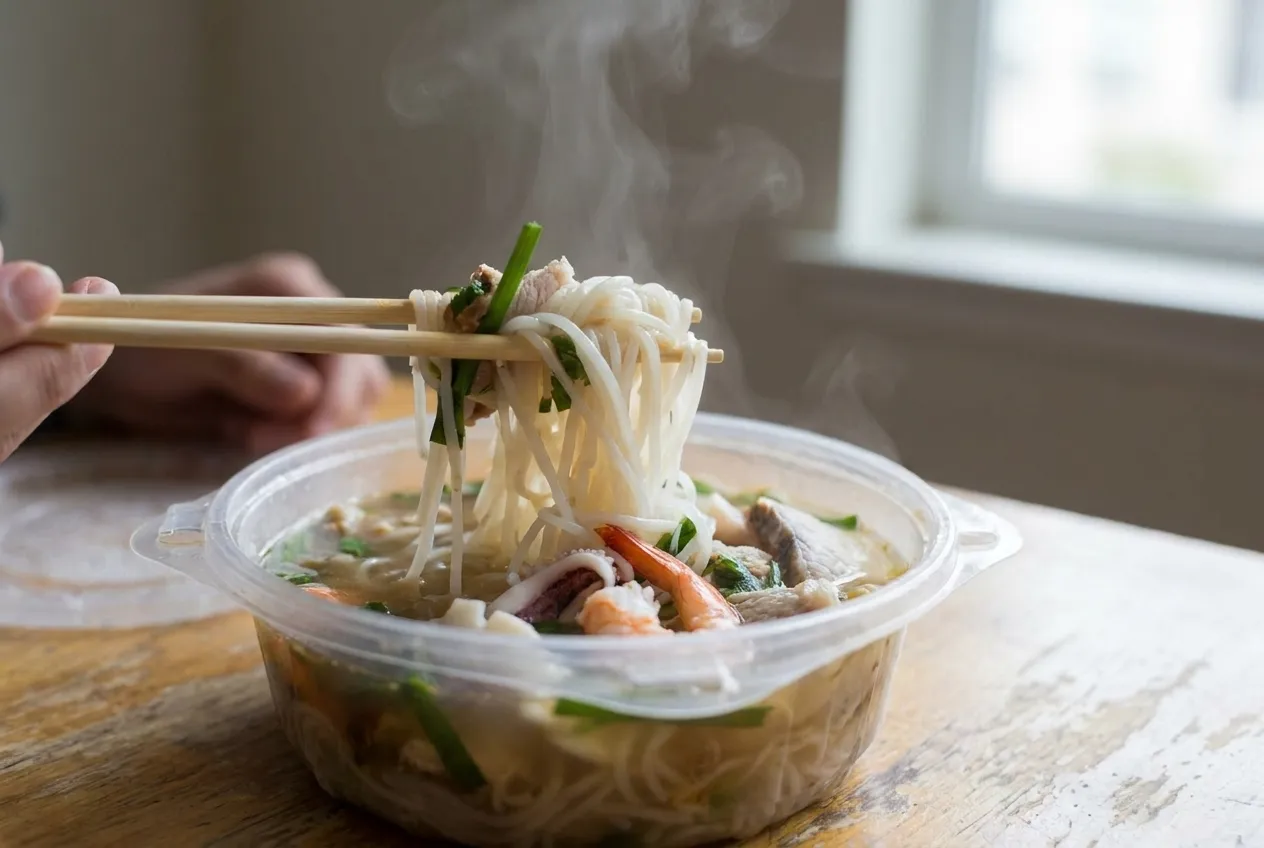
Pizza travels if it is the right pizza. A deck-baked New York or Sicilian slice is engineered to survive a box; a Neapolitan pie from a nine-hundred-degree wood oven is a four-minute food and is genuinely worse by the time you get home. Curries, stews, dals and anything braised improve slightly on the journey. And Vietnamese noodle soups work if — and only if — the broth is packed separately from the noodles, which good places do automatically and you should ask about if they do not.
What does not travel
Anything fried and unsauced: tempura, fried chicken without a coating designed for it, chips. Anything composed on the plate with a sauce underneath. Delicate fish. Salads with warm elements. Soufflés, obviously, and also most desserts that involve a temperature contrast. And any dish where the menu description mentions crispy more than once.
The honest version of this rule: if a dish is the restaurant's signature and depends on the kitchen sending it out in ninety seconds, ordering it to take away is buying a worse version of it for the same money. Order the braise instead, and eat the crispy thing in the room another night.
How to order and carry it
Ask for sauces and anything crisp to be packed separately, which most kitchens will do without complaint if you ask at the point of ordering rather than at collection. Collect rather than deliver where you can — every delivery platform adds fifteen to twenty-five minutes and a marked-up price, and the food degrades on a fixed clock regardless of what the app says. Keep the bag flat, not on a car seat where it slides. And open the lids the moment you get home rather than leaving them sealed on a worktop, because that trapped steam is doing damage every minute it stays in there.
Reheating without ruining it
The microwave is fine for anything with sauce and rice and bad for everything else. Pizza and anything fried want a dry pan over medium heat with a lid on for the last ninety seconds. Noodles want a splash of water and a pan rather than a microwave, which turns them rubbery. Braises and curries genuinely improve overnight and should be reheated slowly rather than fast. And rice reheats best with a tablespoon of water and a cover, which steams it back rather than drying it out. None of this takes longer than five minutes and it is the difference between a good dinner and a compromise.
Practical notes
Steam condensing inside a closed container is what destroys texture; dishes with a single dominant texture or that are assembled at the table travel best. Travels well: Mission-style burritos, which are designed to be eaten elsewhere; Cantonese and Sichuan braises, stir-fries and roast meats over rice, concentrated in Chinatown and along Clement St; deck-baked New York and Sicilian pizza; curries, stews and dals, which improve slightly; Vietnamese noodle soups if the broth is packed separately. Does not travel: unsauced fried food, plated dishes with sauce underneath, delicate fish, warm salads, and Neapolitan pizza from a wood oven. Ask for sauces and crisp elements packed separately at the point of ordering. Collect rather than use a delivery platform. Open the containers as soon as you get home. Reheat pizza and fried food in a dry pan with a lid for the last 90 seconds, noodles in a pan with a splash of water, rice covered with a tablespoon of water, and braises slowly.
Tags: #RestaurantNearMe #SanFrancisco #Takeout #Delivery #MissionBurrito #Chinatown #ClementStreet #Reheating #BudgetEats #BackToSchool #SFEats #FoodAtHome #Leftovers #StudentFood
All trademarks are the property of their respective owners.
Ask Karpo first
Whether takeout works depends on the dish and the distance, and no delivery app will tell you that. Ask Karpo what near you travels well tonight, which kitchens pack broth and sauces separately, and whether collecting it yourself is faster than waiting for a driver.