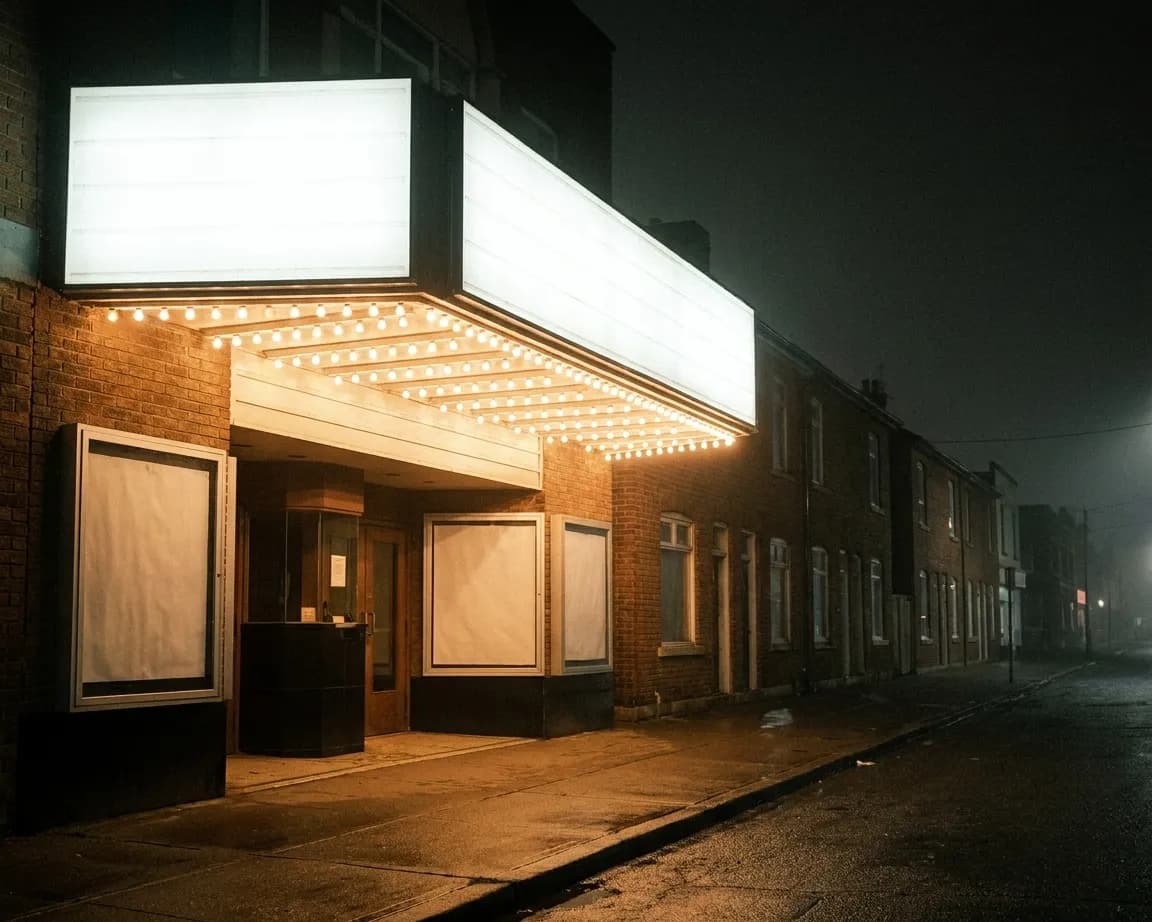
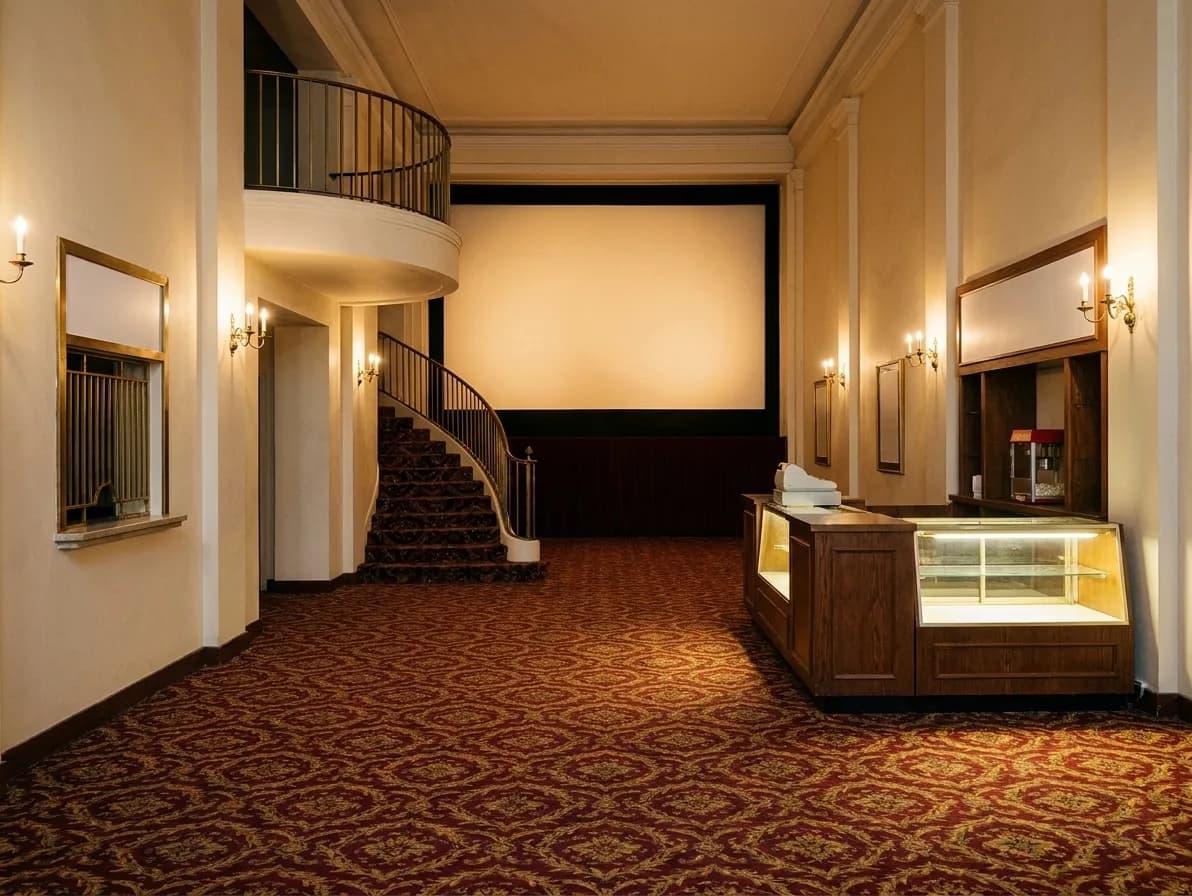
The Castro Theatre reopened on 6 February 2026 after a forty-one-million-dollar renovation, and the opening was a twenty-night sold-out residency by Sam Smith. That sentence contains most of what you need to know. The 1922 building is back, it is beautiful, and it is now a flexible live-entertainment venue that can be reconfigured for standing concerts, comedy and community events, with film as one strand of a much broader calendar rather than as the reason the room exists.
Repertory programming in this city is spread across half a dozen small nonprofits that each announce separately, which is why people miss things they would have loved. Tell Karpo what you want to see and which nights you are free, and get one list instead of six.
What the renovation actually changed
The fight was about the orchestra seating. Preservationists wanted the raked rows kept; the operator, Another Planet Entertainment, wanted a floor that could be flat for standing shows and tiered for seated ones. The version that opened does both, in a roughly fourteen-hundred-capacity room. Some of the small businesses around the theatre said publicly that they were pushed out during the process, and that is part of the record too.
Film has not disappeared from the building — Frameline's fiftieth San Francisco International LGBTQ+ Film Festival is scheduled there in June, which is a serious commitment of the room to cinema for a stretch of the year. But a venue that opens with a twenty-night music residency is telling you what its base load is.
The Roxie has been doing this for a century
The Roxie in the Mission has operated under various names for more than a hundred years, refocused on foreign and independent film in 1976, added a second screen in an adjacent storefront in 2003, and became a nonprofit in 2009. That nonprofit conversion is the thing that matters: it is why the Roxie can programme a week of something nobody will pay to see, and why it has outlasted every commercially operated art house in the city.
This is now the centre of gravity for repertory in San Francisco, and it functions less like a cinema and more like a small institution — repertory series, visiting programmers, festival hosting, and a schedule that assumes an audience that will show up for a curator rather than for a title.
The neighbourhood houses, and one reopening worth watching
The San Francisco Neighborhood Theater Foundation owns the Vogue on Sacramento Street, which it bought in 2007, and maintains leases at the Balboa and Opera Plaza. It has also been involved in preserving the Presidio, the Marina, the 4-Star, the New Mission and the Harding. The Balboa, designed by the Reid Brothers, opened in 1926. This is a quietly remarkable piece of infrastructure: a nonprofit that has spent two decades keeping single-screen neighbourhood cinemas from becoming pharmacies.
The 4-Star on Clement Street has served that neighbourhood since 1913 and spent decades under Lee Neighborhood Theatres programming Hong Kong cinema that screened nowhere else in the city. It is being renovated by CinemaSF and is due to reopen with a repertory format, which — if it lands as described — would give the city a second dedicated repertory house for the first time in a long while.
How to actually keep up
There is no single listing that covers all of this well, which is the recurring complaint of everyone who cares about it. Each venue announces separately, series are often programmed six to eight weeks out, and the good ones sell through. Mailing lists are the only reliable mechanism, and membership at the nonprofits is worth doing if you go more than about six times a year — the discount usually covers itself and presales are the actual benefit.
The broader point about San Francisco is that the film culture here survived by becoming institutional. The rooms that made it are the ones that converted to nonprofit status or found a foundation to hold their lease, and the palace that got the forty-one million dollars is the one that had to become something other than a cinema to justify it.
Practical notes
The Castro reopened 6 February 2026 as a flexible roughly 1,400-capacity live venue and hosts Frameline's fiftieth festival in June, but it is no longer a repertory house first. The Roxie — nonprofit since 2009, second screen since 2003 — is the centre of repertory programming now. The SF Neighborhood Theater Foundation owns the Vogue and holds leases at the Balboa and Opera Plaza. The 4-Star, open since 1913, is being renovated by CinemaSF for a repertory reopening. Join mailing lists rather than checking sites, and buy memberships for the presales.
Across the bay, and why it counts
Any honest account of Bay Area repertory has to cross the water. The Pacific Film Archive in Berkeley programmes at a depth that no San Francisco venue attempts, with retrospectives built out of archival prints and a curatorial staff that treats the schedule as a scholarly project. The Stanford Theatre in Palo Alto runs classic Hollywood on film in a restored 1925 house with a Wurlitzer.
Neither is convenient from the city, and both are worth the trip two or three times a year. Treating the region as one repertory scene rather than as a San Francisco one is the single biggest upgrade available to anybody who cares about this, and it is the reason long-time Bay Area filmgoers were less alarmed than everybody else about what happened to the Castro.
Tags: #RepertoryCinema #SanFrancisco #RoxieTheater #CastroTheatre #FilmCulture #HiddenGems #MissionDistrict #ArthouseFilm #SFCulture #IndieCinema #SFNights #ThingsToDoSF #SFGuide
All trademarks are the property of their respective owners.
Ask Karpo first
Want one list of what is screening across the city's repertory houses this week, with the sell-out risks flagged? Ask Karpo to pull the small-venue schedules together, pick a screening that fits your night, and tell you whether to buy ahead or turn up.