 Haaland Has Seven Goals and Norway Runs Entirely Through Him
⚽️2026 FIFA WORLD CUP
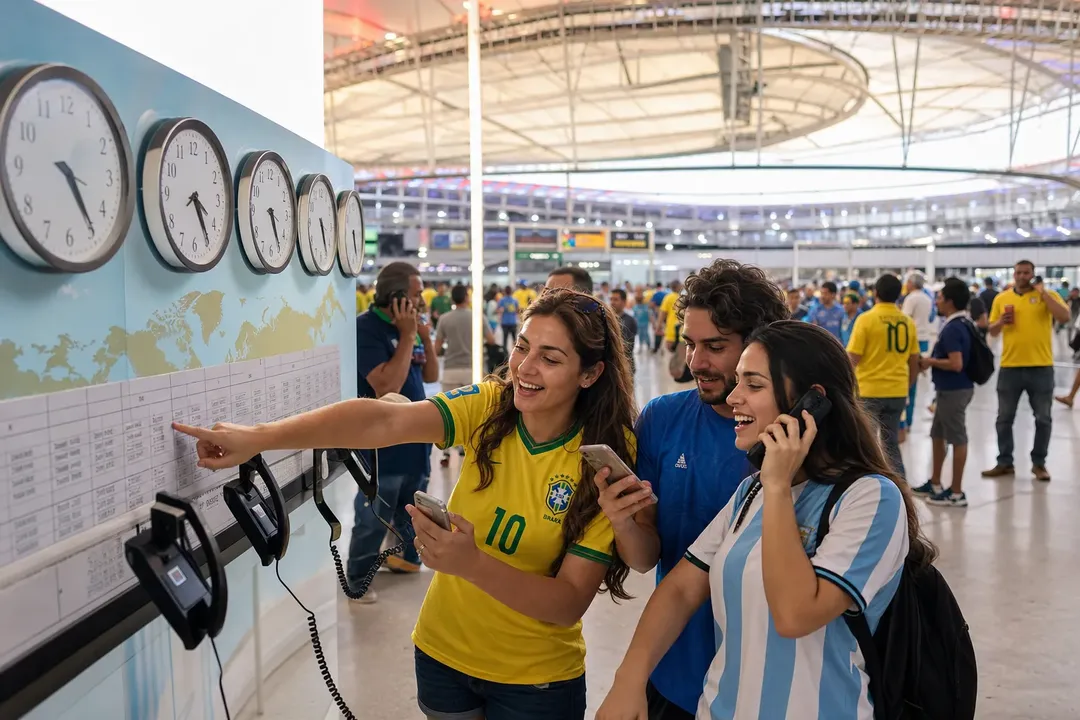
Remaining World Cup Matches Across Global Time Zones Explained
The remaining World Cup path now runs through Atlanta, Miami and New York New Jersey. Dates are fixed, while teams, kickoff-time conversions and some match-day details remain live variables to verify before you travel or watch.
The final stretch of the World Cup is compact, high-stakes and easy to misread if you are following from another time zone. The fixed sequence is the second semifinal on July 15, the bronze match in Miami on July 18 and the final in New York New Jersey on July 19, but the teams involved, match outcomes and any live operational details must still be confirmed through the official tournament schedule.
Text Karpo before you lock in plans, especially if you are coordinating across cities or continents. Karpo can help turn the remaining dates into a personalized route, viewing plan, food stop list or match-day schedule based on where you are, when you land and how you want to experience the final week.
What Is Fixed In The Remaining Match Sequence
The remaining confirmed order is simple but important: the second semifinal takes place on July 15, the bronze match follows in Miami on July 18 and the final is staged in New York New Jersey on July 19. Those dates and host markets are the stable framework for fans building travel, viewing and communication plans around the end of the tournament.
What is not fixed in this article is just as important. Participants, results, scorers, lineups, injuries, cards and any match-specific developments are pending unless they have already been officially confirmed. Fans should treat team names, kickoff-time conversions and venue-day details as live variables until they are checked against the official FIFA World Cup 26 schedule and results page.
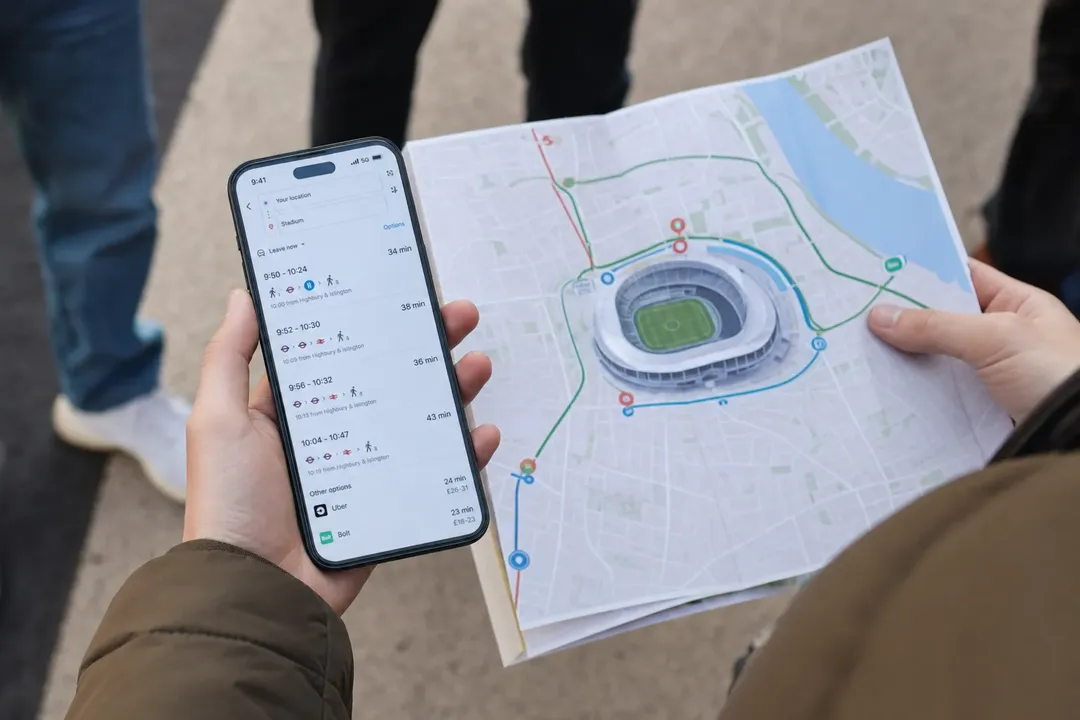
Why Time Zones Matter More In The Final Week
A match date can look straightforward in the host city but become confusing for viewers overseas. A July 15 semifinal in Atlanta may fall late at night, overnight or the next morning for fans in Europe, Africa, Asia or Oceania, depending on the official kickoff time once verified. The same issue applies to the Miami bronze match and the New York New Jersey final.
The safest planning method is to start with the host-city date, then add the official kickoff time only after it appears on the official tournament schedule. From there, convert it into your local time zone and check whether the match lands on the same calendar day or crosses into the next day. This prevents missed starts, mistaken watch-party reservations and incorrect travel timing.
Atlanta: Second Semifinal On July 15
Atlanta carries the next fixed point in the sequence: the second semifinal on July 15. The participating teams are pending, so any claim about who will play there should be treated as unconfirmed until the bracket produces an official matchup. For fans, the practical takeaway is to prepare around the date and city while leaving team-specific assumptions out of the plan.
If you are watching outside the United States, do not rely on a screenshot, social post or copied calendar entry unless it matches the official FIFA listing. Time-zone mistakes often happen when someone shares the host-city date without clarifying the viewer’s local date. Once the kickoff time is official, convert from the host location into your own time zone and save the event with a reminder.
Miami: Bronze Match On July 18
The bronze match is fixed for July 18 in Miami, but the two teams are pending until the semifinal results are official. This match can be especially tricky for planning because it depends directly on which teams do not advance to the final. Fans should avoid assuming participants based on predictions, form or bracket speculation.
For travelers, the bronze match also sits close to the final, creating a short window for anyone trying to attend both events or move from South Florida toward the New York area. Exact routing, airport choices, hotel timing and local transportation should be checked close to match day, because this article does not confirm operational details that may change or require local updates.
New York New Jersey: Final On July 19
The final is fixed for July 19 in New York New Jersey, making it the last confirmed stop in the remaining tournament sequence. The finalists are pending until the semifinals are complete and officially recorded. Until then, any preview should be read as analysis rather than certainty, and any matchup graphic should be checked against the official schedule before being shared.
For global audiences, the final is the match most likely to involve watch parties, family calls, travel coordination and workplace or school schedule adjustments. The key is to verify the official kickoff time, convert it carefully and confirm whether the local viewing date changes in your region. A one-day calendar shift can matter for reservations, alarms and group plans.
How To Verify Before You Go Or Watch
Use the official FIFA World Cup 26 schedule and results page as the baseline for confirmed dates, fixtures and outcomes. The tournament hub is also useful for the broader official context. If a detail is not confirmed there, treat it as pending, especially when it involves teams, match results, kickoff times, stadium-day procedures or any live match development.
A good final-week checklist is short: confirm the match date and city, confirm the official kickoff time, convert it into your local time zone, check whether the calendar date changes, then build your travel or viewing plan. Keep predictions separate from confirmed facts, and update your plan after each result because the remaining bracket depends on completed matches.
Tags: #WorldCup2026
Sources consulted: FIFA World Cup 26 schedule and results · FIFA World Cup 26 tournament hub
All trademarks are the property of their respective owners.
Ask Karpo First
Text Karpo with your city, time zone and match you care about, and get a personalized viewing, food, route or match-day plan for Atlanta, Miami or New York New Jersey.
Ask Karpo for more information.
Keep reading
- Haaland Has Seven Goals and Norway Runs Entirely Through Him
 World Cup Trophy Ceremony Timing Medals and Postmatch Celebrations
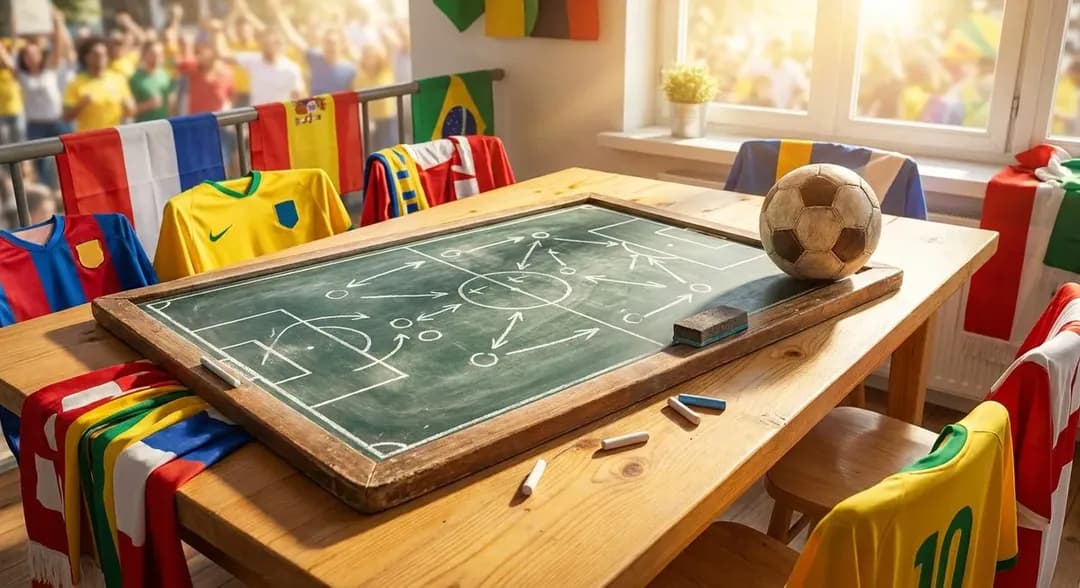 Olise and France's Attack: The Semifinal Tactical Question