 Where to Eat Near Penn Station That Isn't a Chain
US Open 2026
Reid Detmers Angels Fans: NYC Baseball Card Shops US Open
A practical guide to combining baseball card hunting, US Open tennis, and the collector-friendly neighborhoods along the 7 train during tournament week.
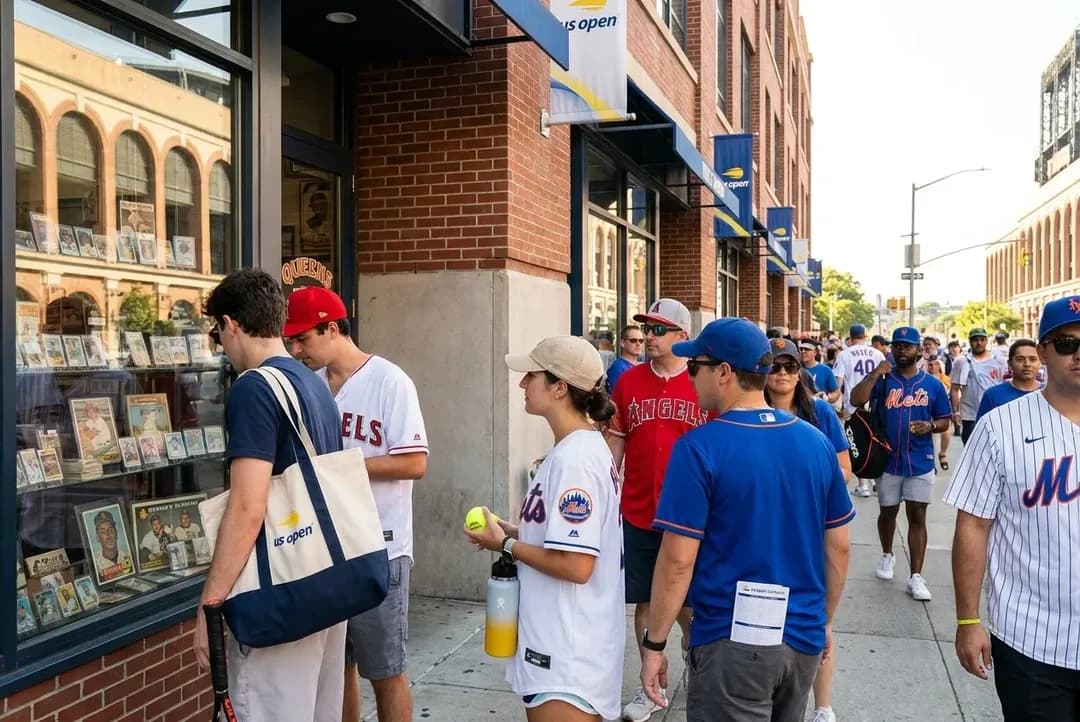
Reid Detmers has drawn renewed attention from Angels fans and baseball card collectors searching for pitching prospects and rookie-year memorabilia, and if you're planning to attend the 2026 US Open at the USTA Billie Jean King National Tennis Center in Flushing Meadows Corona Park, you're already in one of New York's most transit-rich corridors for combining tennis, baseball history, and collectibles hunting. The 7 train connects the tournament grounds to a string of neighborhoods—Flushing, Corona, Jackson Heights, Woodside, Long Island City, and Astoria—where independent card shops, memorabilia dealers, and baseball-focused collectibles stores serve both casual browsers and serious collectors. Whether you're arriving early for an afternoon session, filling time between matches, or extending your Queens visit into a full day, this guide maps out how to weave baseball card stops into your US Open itinerary without backtracking or missing your reserved session.
Text Karpo with your US Open session time and Queens starting point, and we’ll turn this Collectibles and memorabilia stores for MLB enthusiasts during tournament week into a practical local plan.
Why the 7 Train Corridor Works for Collectors During the US Open
The USTA Billie Jean King National Tennis Center sits at Mets–Willets Point station, the same stop that serves Citi Field, home of the New York Mets. That proximity means the surrounding neighborhoods have long supported baseball fans, memorabilia dealers, and card shops catering to collectors who follow both the Mets and visiting teams. The 7 train runs express and local service throughout the day, making it practical to hop off at Flushing–Main Street, 82nd Street–Jackson Heights, or Vernon Boulevard–Jackson Avenue in Long Island City, browse for thirty to sixty minutes, then continue to the tournament grounds. Official US Open transportation guidance emphasizes the 7 train as the primary public transit route, and the MTA publishes a dedicated US Open transit guide each year with service updates, accessible entrances, and crowd-management tips. Checking that guide close to your visit ensures you know which stops offer elevator access if you're carrying purchases or managing mobility needs.
Flushing Main Street: High Foot Traffic and Established Dealers
Flushing–Main Street is the northern terminus of the 7 train and the commercial heart of downtown Flushing, a neighborhood known for dense retail, international dining, and long-established hobby shops. Collectors often find baseball card dealers, comic book stores with sports sections, and general memorabilia shops within a few blocks of the station. The area's high foot traffic and multilingual signage reflect decades of immigrant entrepreneurship, and many shops stock both vintage cards and modern releases, including Angels, Dodgers, Yankees, and Mets singles. If you're hunting for specific pitchers like Reid Detmers or building a rookie-year collection, it's worth asking dealers whether they maintain want lists or can pull from back stock. Flushing is also home to Flushing Meadows Corona Park's northern entrance, so you can walk south through the park to the tennis center if you prefer a twenty-minute stroll over a subway transfer.
Jackson Heights and Woodside: Quieter Stops with Neighborhood Shops
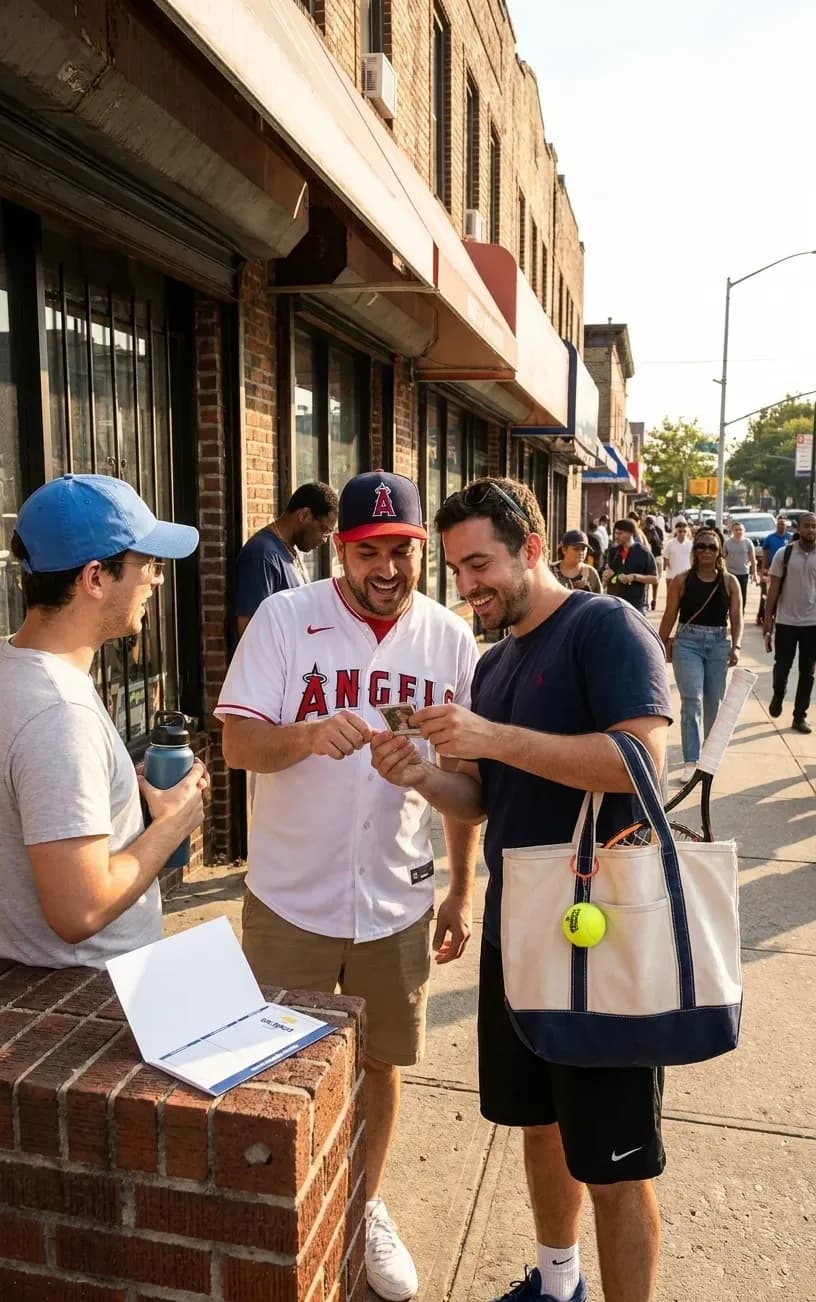
Jackson Heights and Woodside offer a quieter pace than Flushing, with independent bookstores, vintage shops, and occasional sports memorabilia dealers tucked into residential blocks. These neighborhoods are known for their historic garden apartments, diverse food markets, and community-oriented retail, so card shops here tend to be smaller, owner-operated spaces that may keep irregular hours or operate by appointment. If you're planning a stop, it's wise to check business websites or call ahead, especially during tournament week when proprietors may adjust schedules to accommodate increased foot traffic or personal US Open attendance. Both stops are express-service stations on the 7 train, so travel time to Mets–Willets Point is typically under ten minutes, leaving room for a relaxed browse before your session.
Long Island City: Galleries, Cafes, and Emerging Collectibles Spaces
Long Island City has transformed over the past two decades into a hub for contemporary art galleries, waterfront parks, and specialty retail, and that evolution has attracted a new generation of collectibles dealers who blend vintage sports cards with streetwear, sneakers, and pop-culture memorabilia. Shops near Vernon Boulevard–Jackson Avenue or Court Square often feature curated displays, consignment sections, and weekend pop-ups that draw collectors from across the city. The neighborhood's proximity to Manhattan—just one stop under the East River—also means you can combine a morning card hunt with a midday walk along Gantry Plaza State Park before heading to Flushing Meadows. Long Island City's cafes and bakeries provide convenient spots to rest, organize purchases, and review your US Open session details before boarding the 7 train eastbound.
Timing Your Collectibles Stops Around US Open Sessions
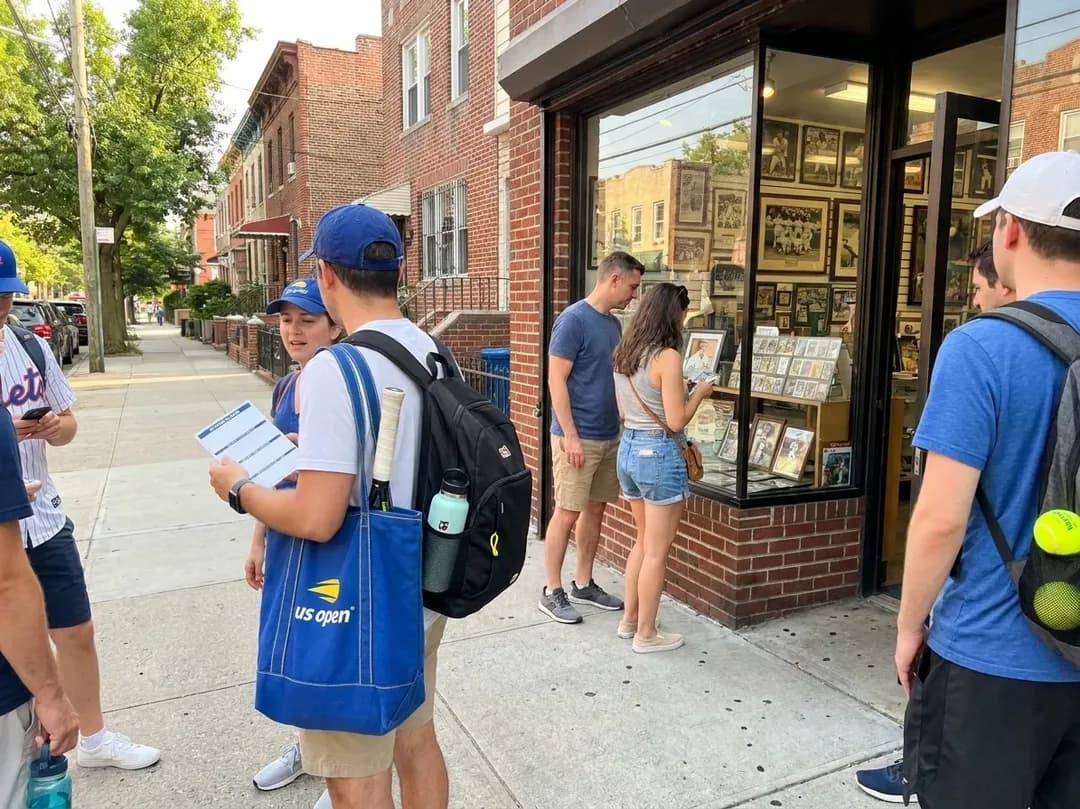
The US Open runs for two weeks in late August and early September, with day sessions typically starting at the posted time and evening sessions at the posted time, though exact times vary by round and court schedule. The official US Open event schedule, published on usopen.org, lists session times, featured matches, and grounds-access windows, and it's updated as the tournament progresses. If you hold an afternoon session ticket, consider starting your day in Long Island City or Jackson Heights around the posted timeor the posted time, allowing time to browse, grab breakfast, and reach the tennis center by early entry. Evening-session ticket holders have more flexibility: you can explore Flushing in the late afternoon, visit a card shop after an early dinner, then walk or ride to the grounds. Keep in mind that the 7 train sees peak crowding between the posted timeand the posted time on weekdays, so building in buffer time helps avoid stress if trains run slower than usual.
What to Carry and What to Leave Behind
The US Open enforces a strict prohibited-items policy, detailed on the official usopen.org visitor guide, that bans backpacks larger than 12" × 12" × 16", hard-sided coolers, glass containers, and professional camera equipment. If you're planning to purchase baseball cards, memorabilia, or framed items during your Queens stops, consider bringing a soft tote or messenger bag that fits within the size limit, and ask dealers whether they offer protective sleeves, toploaders, or bubble mailers for transport. Many collectors prefer to make purchases early in the day, return items to a hotel or car, then head to the tournament grounds unencumbered. If you're staying in Manhattan or another borough, the 7 train's frequent service makes a midday round trip feasible, though you'll want to account for travel time in both directions.
Extending Your Visit: Citi Field, Museums, and Flushing Meadows
Flushing Meadows Corona Park is one of New York City's largest green spaces, home to the Unisphere, the Queens Museum, the New York Hall of Science, and the Queens Botanical Garden, all within walking distance of the tennis center. If you're a baseball fan, Citi Field—home of the New York Mets—sits adjacent to the USTA grounds, and the Mets' official website at mlb.com/mets/ballpark lists game schedules, stadium tours, and the Mets Hall of Fame & Museum, which features memorabilia, retired jerseys, and rotating exhibits. Combining a US Open session with a Citi Field tour or a walk through the park's public art installations turns a single-day visit into a richer Queens experience, especially if you're traveling from out of town. The NYC Parks website for Flushing Meadows Corona Park offers maps, event calendars, and accessibility information, and the Queens Museum's collection includes the Panorama of the City of New York, a scale model that provides geographic context for the neighborhoods you've explored along the 7 train.
Practical Notes for Collectors and Tennis Fans
- Check the official US Open event schedule and MTA service advisories the morning of your visit to confirm session times and train status.
- Bring a soft bag under 12" × 12" × 16" if you plan to carry purchases into the tennis center, or arrange a midday drop-off at your accommodation.
- Ask card dealers about want lists, consignment terms, and whether they accept digital payments, as some smaller shops remain cash-only.
- Download offline maps or offline copies of the 7 train route and Flushing Meadows park layout in case cellular service is congested near the grounds.
- Wear comfortable walking shoes; distances between subway exits, card shops, and the tennis center can add up to several miles over the course of a day.
- Review the official US Open A-Z visitor guide for details on accessible entrances, bag checks, re-entry policies, and on-site amenities.
- If you're visiting during the first week of the tournament, expect larger crowds and longer security lines; arriving thirty to sixty minutes before your session is recommended.
reid detmers, US Open, baseball cards, Queens collectibles, Flushing Meadows, 7 train, Citi Field, New York Mets, sports memorabilia, Long Island City, Jackson Heights, USTA Billie Jean King National Tennis Center, NYC transit, collector tips, tournament week planning
Tags: #USOpen2026 #Queens #FlushingMeadows #KarpoFinds #Karpo #reiddetmers #NewYorkLocal #TennisTravel #NYCLocalLife #TennisTravel
Sources consulted: usopen.org — Official event schedule · usopen.org — Official visitor A-Z guide · usopen.org — Official transportation directions · usopen.org — Official prohibited-items guide · MTA — Official US Open transit guide · NYC Parks — Flushing Meadows Corona Park · New York Mets — Citi Field · NYC Tourism — Queens
All trademarks are the property of their respective owners.
Ask Karpo first
Want to know what is actually open, how to time the trip, and where to pause around Queens? Ask Karpo for the latest public US Open context, a respectful visitor plan, and a live route around Flushing Meadows before you head out.
Ask Karpo for more information.
Keep reading
- Where to Eat Near Penn Station That Isn't a Chain
 Andytown Coffee in the Outer Sunset: The Snowy Plover Explained
- Best Things to Do in Chicago: What the City Gives Away