 Where to Eat Near Penn Station That Isn't a Chain
US Open 2026
Real Salt Lake Fans Utah Snack Shops Near US Open
A practical guide to finding Western-inspired snacks, delis, and specialty food stops along the 7 train corridor for traveling MLS supporters heading to the 2026 US Open in Queens.
When Real Salt Lake supporters and other Western MLS fans plan a summer trip to New York for the 2026 US Open, the journey often includes a search for familiar food rhythms in an unfamiliar borough. Queens—especially the neighborhoods strung along the 7 train between Manhattan and Flushing Meadows Corona Park—offers a surprising range of delis, bakeries, and specialty shops where travelers can stock up on snacks, grab a quick bite, or simply enjoy a taste that feels closer to home before heading into a long afternoon of tennis. This guide maps out practical food stops, transit-friendly routes, and local-life details to help visiting supporters turn a tournament day into a fuller Queens experience.
Text Karpo with your US Open session time and Queens starting point, and we’ll turn this Western specialty foods for MLS travelers visiting Queens tennis into a practical local plan.
Why Queens Food Stops Matter for Traveling MLS Fans
The US Open runs for two weeks each late August and early September, drawing hundreds of thousands of visitors to the USTA Billie Jean King National Tennis Center in Flushing Meadows. For fans traveling from Real Salt Lake territory—or anywhere in the Mountain West—the tournament often represents a rare chance to explore New York outside Manhattan's familiar grid. Queens is the city's most diverse borough, and its food landscape reflects decades of immigration, entrepreneurship, and neighborhood evolution. The 7 train corridor, which connects Times Square to Flushing via stops in Long Island City, Woodside, Jackson Heights, Elmhurst, and Corona, functions as a culinary artery where bakeries, delis, grocers, and cafes cater to dozens of communities. Travelers who take time to explore these stops before or after a match often discover flavors, ingredients, and routines that feel both new and comfortingly familiar.
Understanding the 7 Train Corridor and US Open Access
The MTA's official US Open transit guide recommends the 7 train as the primary subway route to the tournament, with service running express during event hours and a dedicated Mets–Willets Point station adjacent to the tennis center. The same line serves neighborhoods where delis, bakeries, and specialty shops open early and stay busy through the afternoon. Long Island City, the first Queens stop after Manhattan, has seen a wave of new cafes and markets in recent years, many catering to commuters and hotel guests. Further east, Jackson Heights and Elmhurst offer dense commercial strips where grocers stock international staples alongside American snacks. Corona, the neighborhood immediately west of Flushing Meadows, has long been a hub for Latin American and Asian food vendors. Flushing itself, the eastern terminus, is known for its sprawling Asian supermarkets, bakeries, and food courts. Each stop offers a different rhythm, and travelers with flexible schedules can build a food-focused itinerary around their match time.
Western-Friendly Snack Categories to Look For
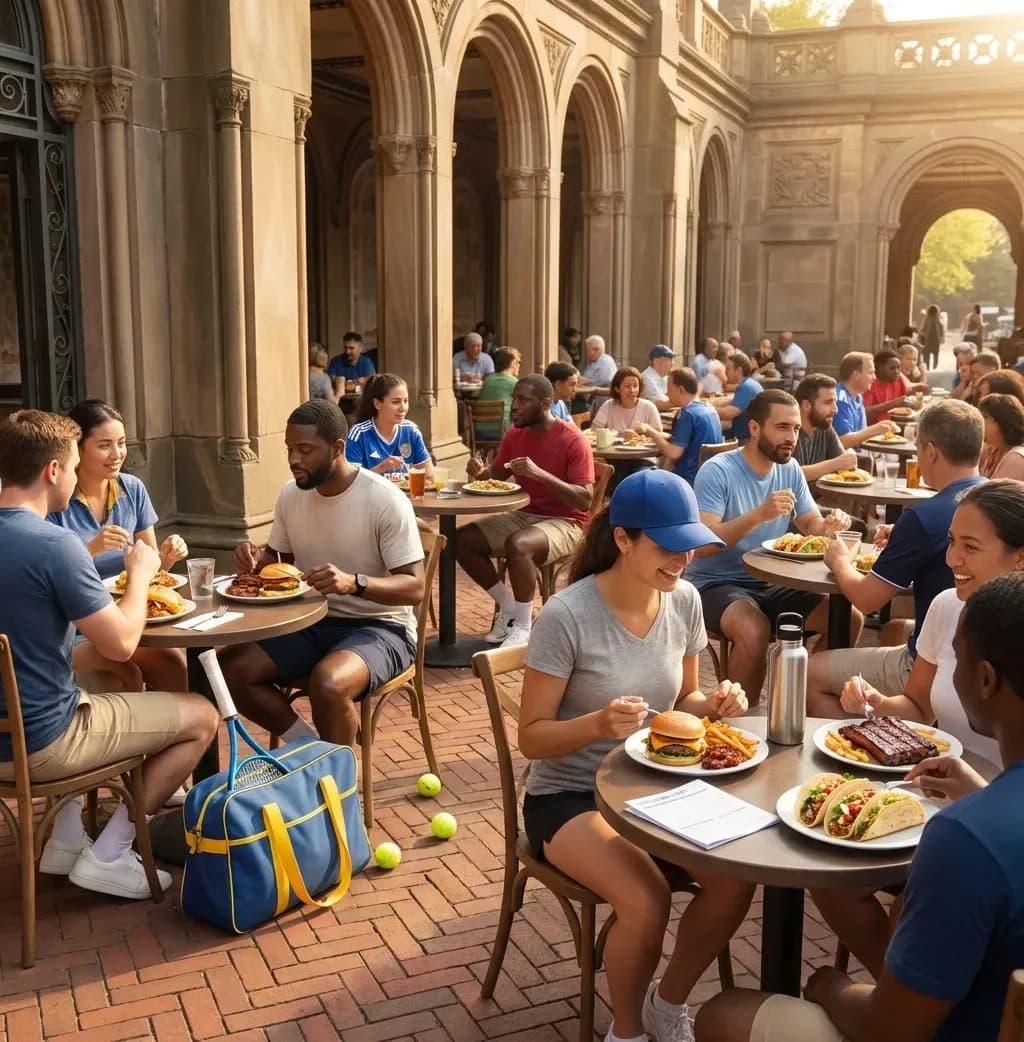
Traveling MLS fans often seek snacks that feel familiar: jerky, trail mix, granola bars, dried fruit, nut butters, energy bars, and bottled drinks that travel well and meet the US Open's prohibited-items guidelines. The official usopen.org prohibited-items guide allows factory-sealed snacks and non-alcoholic beverages in soft-sided containers, making pre-match shopping a practical strategy for budget-conscious visitors. Queens delis and grocers typically stock national brands alongside regional and international options, and many offer bulk bins, refrigerated sections, and grab-and-go shelves designed for commuters. Western visitors may also appreciate the borough's growing selection of craft sodas, cold brew, and specialty waters, which mirror the beverage culture found in Salt Lake City, Denver, and Portland. The key is to shop close to your 7 train stop, keep packaging intact, and plan for a short walk or subway ride to the tournament gates.
Timing Your Food Stop Around Match Schedules
The US Open's official event schedule, published on usopen.org, typically lists day sessions starting at the posted time and evening sessions at the posted time, with gates opening one hour before play begins. Travelers arriving in Queens mid-morning have time to explore a neighborhood deli or bakery before heading to the grounds, while those attending evening sessions can plan a late-afternoon snack stop after checking out of a hotel or finishing a museum visit. Many Queens food businesses open early—some as early as the posted time—to serve commuters, and most stay open through the evening rush. It's worth checking individual business hours close to your visit, especially on weekends or during the tournament's final days, when neighborhood routines may shift. The MTA's 7 train runs frequently during US Open hours, and express service reduces travel time between Manhattan and Flushing Meadows, making it easy to add a food stop without missing your session.
Exploring Jackson Heights and Elmhurst Delis
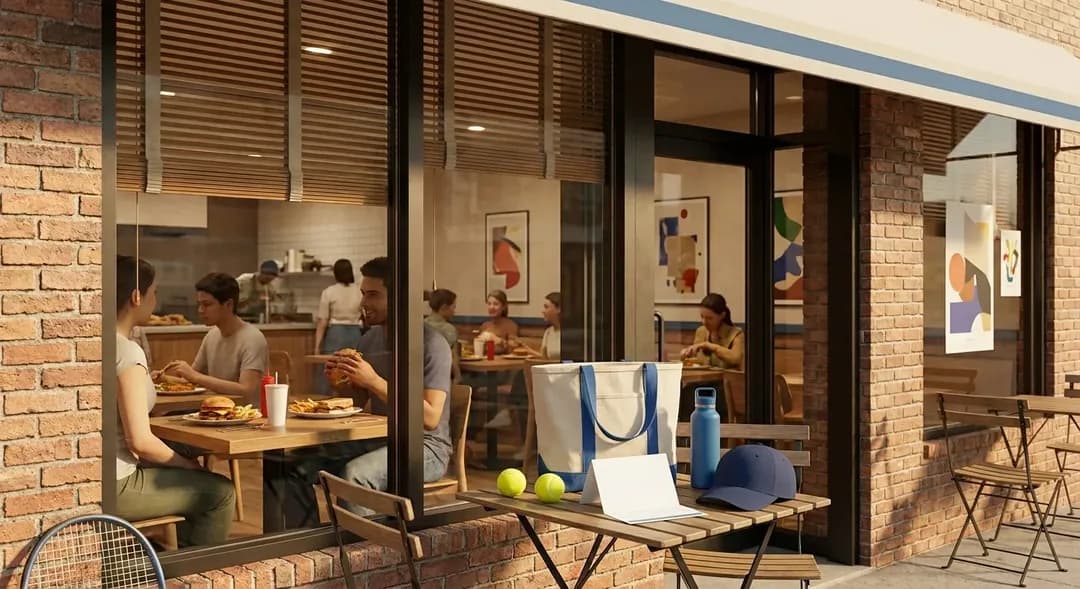
Jackson Heights and Elmhurst, both served by multiple 7 train stops, offer dense commercial corridors where delis, bakeries, and grocers operate side by side. The neighborhoods are known for their South Asian, Latin American, and East Asian communities, and many shops stock a hybrid selection of American snacks, imported goods, and house-made items. Travelers looking for jerky, nuts, or granola bars will find familiar brands alongside international equivalents, and many delis offer fresh sandwiches, fruit cups, and bottled drinks at prices lower than Manhattan or tournament concessions. The streets around Roosevelt Avenue and Junction Boulevard are particularly walkable, with multiple food options within a few blocks of the subway. It's a practical area for a quick pre-match stop, especially if you're traveling with a group or want to compare options before committing to a purchase.
Flushing's Supermarkets and Bakeries
Flushing, the 7 train's eastern terminus, is home to some of Queens' largest Asian supermarkets, many of which occupy multi-story buildings with dedicated snack aisles, bakery counters, and prepared-food sections. These markets cater to a diverse customer base and often stock American snack brands alongside Asian imports, making them a practical stop for travelers who want variety and value. Flushing's bakeries are especially popular for their fresh buns, pastries, and bubble tea, which travel well and offer a lighter alternative to heavy stadium food. The neighborhood is a short subway ride from the US Open, and many visitors use it as a staging area before or after matches. It's also a destination in its own right, with public art, parks, and historic sites that reward a longer visit. If you have time, consider exploring Flushing's main commercial strip along Main Street and Roosevelt Avenue before heading to the tournament.
Practical Notes for Food Shopping and Tournament Entry
- Review the US Open's official prohibited-items guide on usopen.org before shopping; factory-sealed snacks and soft-sided beverage containers are generally allowed.
- Plan your food stop around your match time, allowing extra time for subway delays, security lines, and walking between the station and tournament gates.
- Carry a reusable tote or small backpack for snacks and drinks; the US Open permits bags under a certain size, detailed in the visitor A-Z guide.
- Check individual business hours and payment options close to your visit; many Queens delis accept cash only, while larger grocers take cards.
- Use the MTA's official US Open transit guide to confirm 7 train service changes, express schedules, and alternative routes during the tournament.
- Consider pairing your food stop with a visit to Flushing Meadows Corona Park, the Unisphere, or the Queens Museum, all within walking distance of the tennis center.
- Stay hydrated and pack light; the US Open grounds are large, and you'll be walking and standing for extended periods.
- Respect neighborhood businesses and public spaces; Queens residents live and work in the areas surrounding the tournament, and courteous behavior helps everyone enjoy the event.
Building a Longer Queens Itinerary
For Real Salt Lake fans and other Western MLS travelers spending multiple days in New York, Queens offers a range of experiences beyond the US Open. The borough's parks—including Flushing Meadows Corona Park, home to the Unisphere and the Queens Museum—provide green space and cultural programming. Astoria, a short subway ride west of the tournament, is known for its Greek tavernas, beer gardens, and waterfront views of Manhattan. Long Island City has emerged as a hub for contemporary art galleries, rooftop bars, and boutique hotels. Citi Field, home of the New York Mets, sits adjacent to the tennis center and often hosts games during the US Open, creating a doubleheader opportunity for sports fans. The 7 train connects all these destinations, and a multi-day MetroCard makes it easy to explore at your own pace. Whether you're stocking up on snacks, sampling neighborhood specialties, or simply enjoying the energy of a global borough, Queens rewards curiosity and flexibility.
Tags: #USOpen2026 #Queens #FlushingMeadows #KarpoFinds #Karpo #realsaltlake #NewYorkLocal #TennisTravel #NYCLocalLife #TennisTravel
Sources consulted: usopen.org — Official event schedule · usopen.org — Official visitor A-Z guide · usopen.org — Official transportation directions · usopen.org — Official prohibited-items guide · MTA — Official US Open transit guide · NYC Parks — Flushing Meadows Corona Park · NYC Tourism — Queens · NYC Health — Food Safety
All trademarks are the property of their respective owners.
Ask Karpo first
Want to know what is actually open, how to time the trip, and where to pause around Queens? Ask Karpo for the latest public US Open context, a respectful visitor plan, and a live route around Flushing Meadows before you head out.
Ask Karpo for more information.
Keep reading
- Where to Eat Near Penn Station That Isn't a Chain
 Andytown Coffee in the Outer Sunset: The Snowy Plover Explained
- Best Things to Do in Chicago: What the City Gives Away