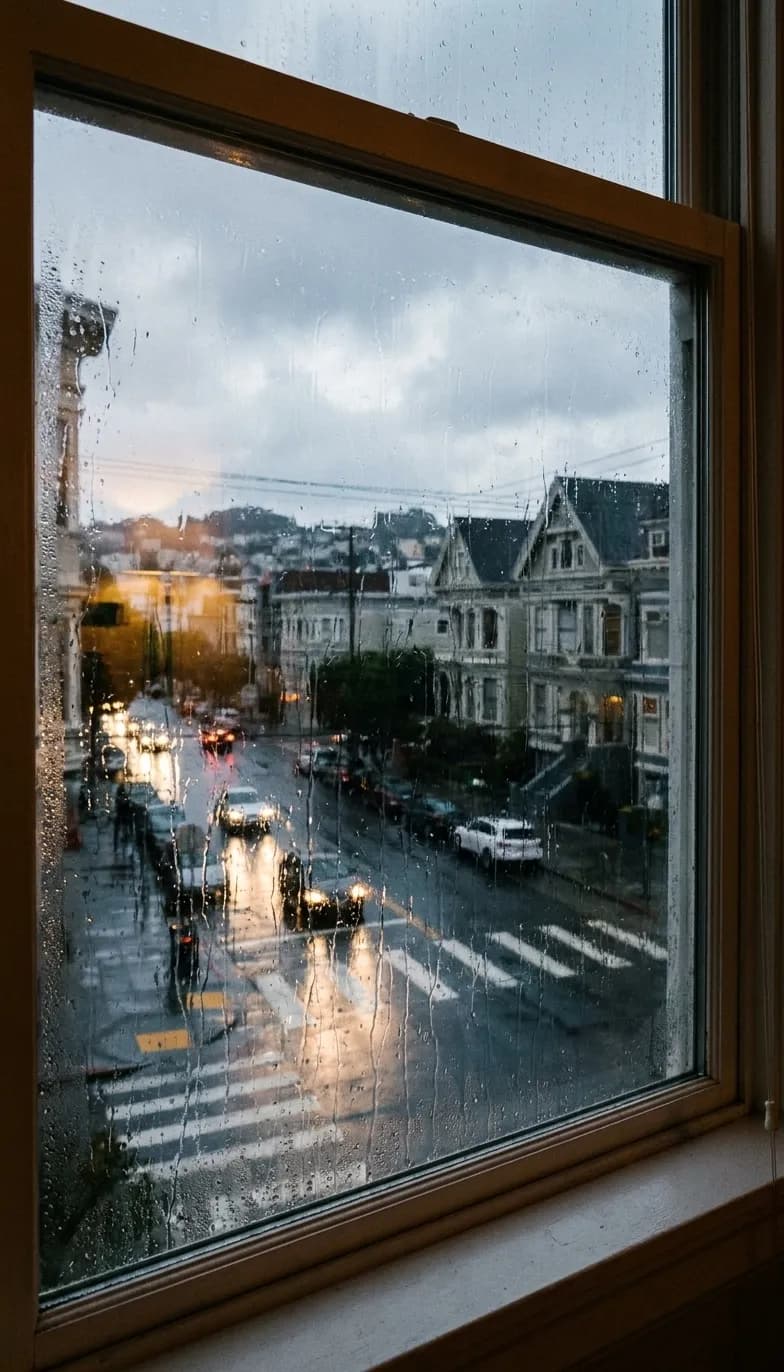
Most wet-weather advice for this city is built on a false premise. It assumes rain here works the way it does in London or Seattle — a grey lid that sits over the day and does not move. San Francisco rain is almost never that. It arrives in bands, soaks a neighbourhood for twenty-five minutes, and then clears enough that you could have been outside the whole time if you had waited. Planning things to do in San Francisco on a wet day is therefore less about finding indoor shelter for eight hours and more about knowing which gaps are coming and what is worth doing in between.
Rain here moves in bands rather than sitting still. Ask Karpo what is open and dry near you right now, and whether it is worth waiting fifteen minutes.
The wind is the actual problem
Rain in San Francisco is usually light. The wind that comes with it is not, and that is the variable that ruins plans. An umbrella is close to useless on any exposed stretch — the Embarcadero, Ocean Beach, the top of any of the hills, the approaches to the bridge — because the gusts come sideways and invert it within a block. Locals wear hooded jackets and carry nothing, which looks like stoicism and is actually just arithmetic.
This changes what counts as a good wet-day plan. Anywhere requiring a long exposed walk between the transit stop and the door is a bad choice regardless of how good the destination is. Anywhere you can arrive at from an underground station or a short sheltered walk is a good one. That single filter eliminates about half the usual suggestions and is more useful than any list of attractions.
Microclimate makes the forecast approximate
The citywide forecast is an average across places with genuinely different weather. The Mission is regularly dry while the Sunset is being rained on, and the difference can be twenty minutes of walking. The eastern half of the city sits in a rain shadow relative to the western half often enough that a wet morning in the Richmond means very little about the afternoon in Potrero.
The practical version of this is to check the radar rather than the forecast, and to check it for where you are going rather than where you are. A band moving through takes roughly half an hour to cross the city, which means a plan built around being indoors during one specific half hour is entirely achievable if you know when it is.
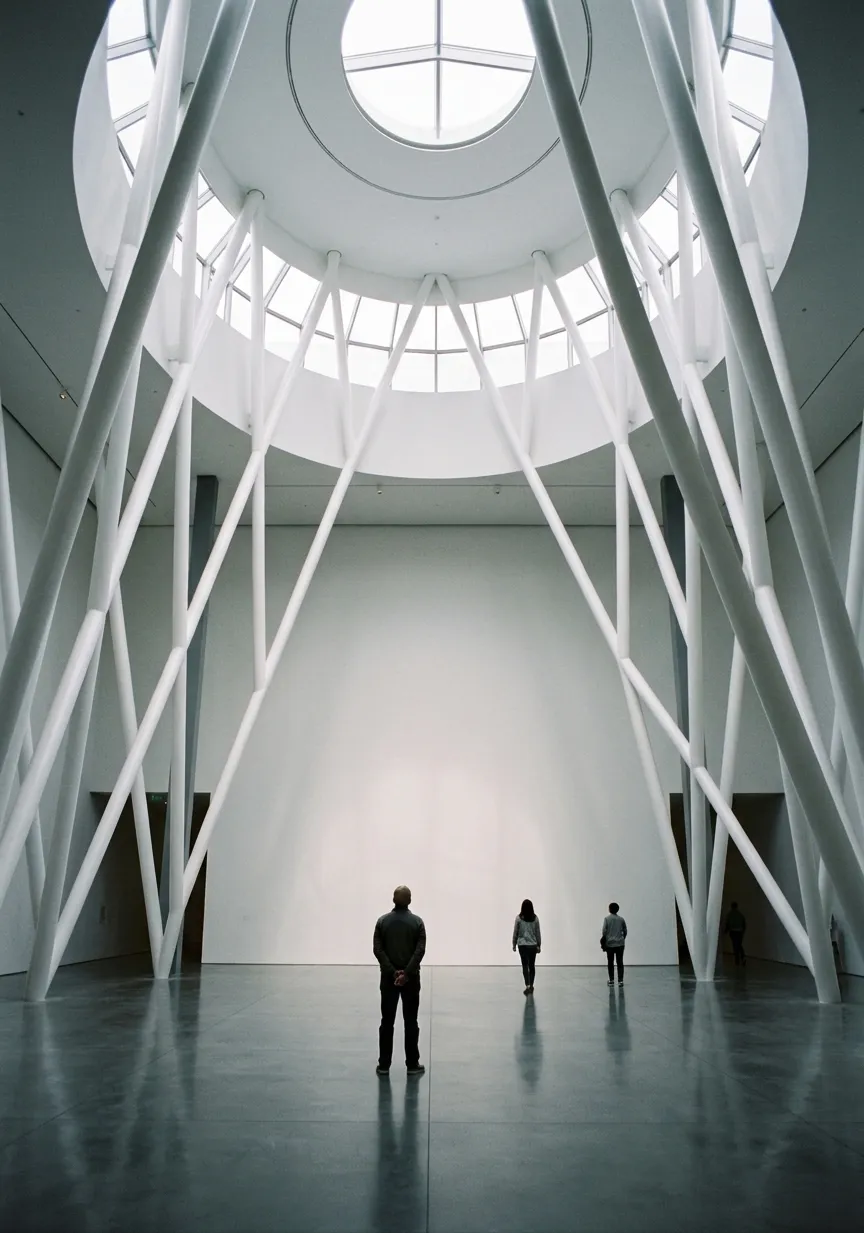
Indoor options that are not just museums
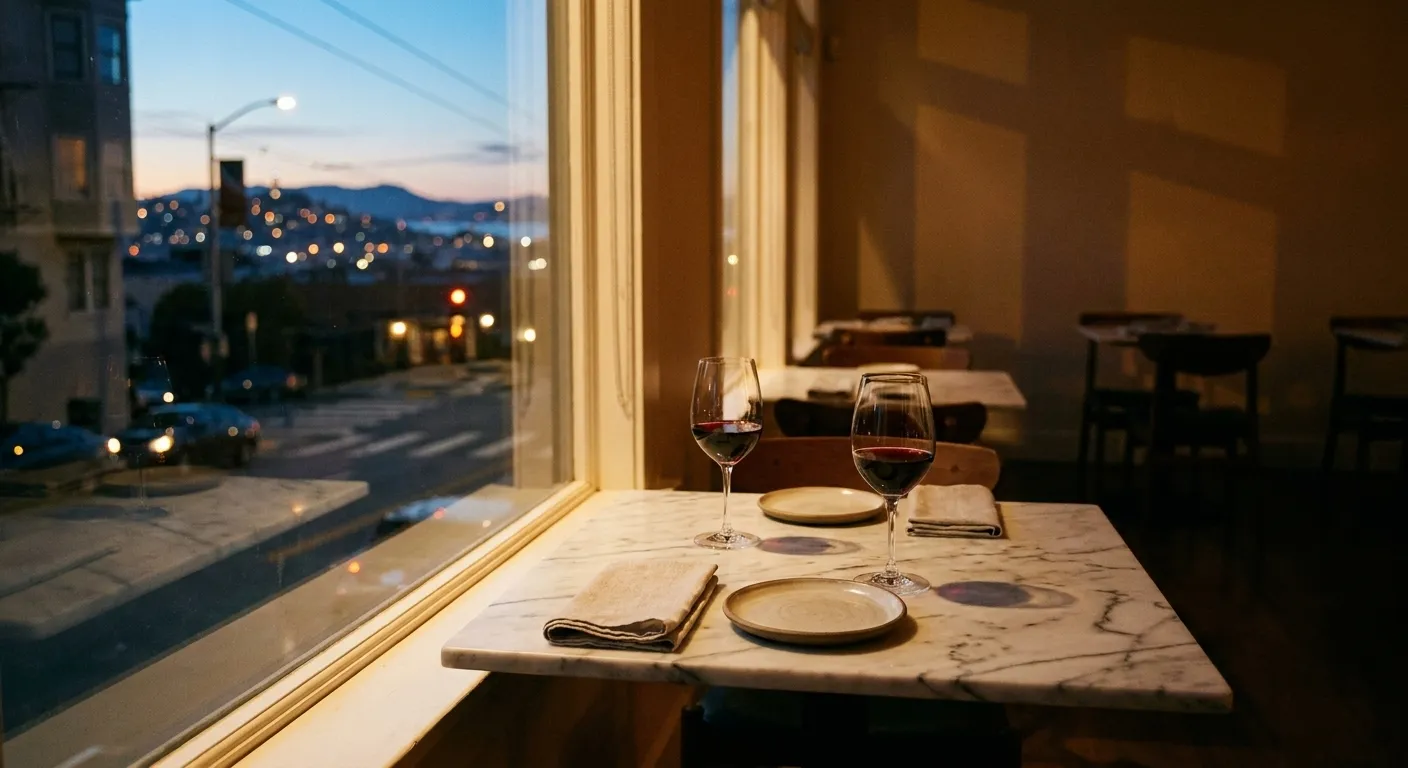
The museum answer is correct and everyone already knows it, so it is worth naming the alternatives. The city's covered markets and food halls work well because they let a group linger without committing to a single sitting — the Ferry Building on the waterfront and the various neighbourhood halls give you two hours of low-effort time that does not feel like waiting.
Bookshops here are unusually good at absorbing a rainy afternoon, and several stay open late enough to be an evening plan rather than a stopgap. Repertory and independent cinemas are the other reliable option, and a wet Sunday is the one time their afternoon screenings are genuinely busy. Public libraries, which people forget are open to anyone, have some of the best warm seats in the city with a view.
Things that get better in the rain
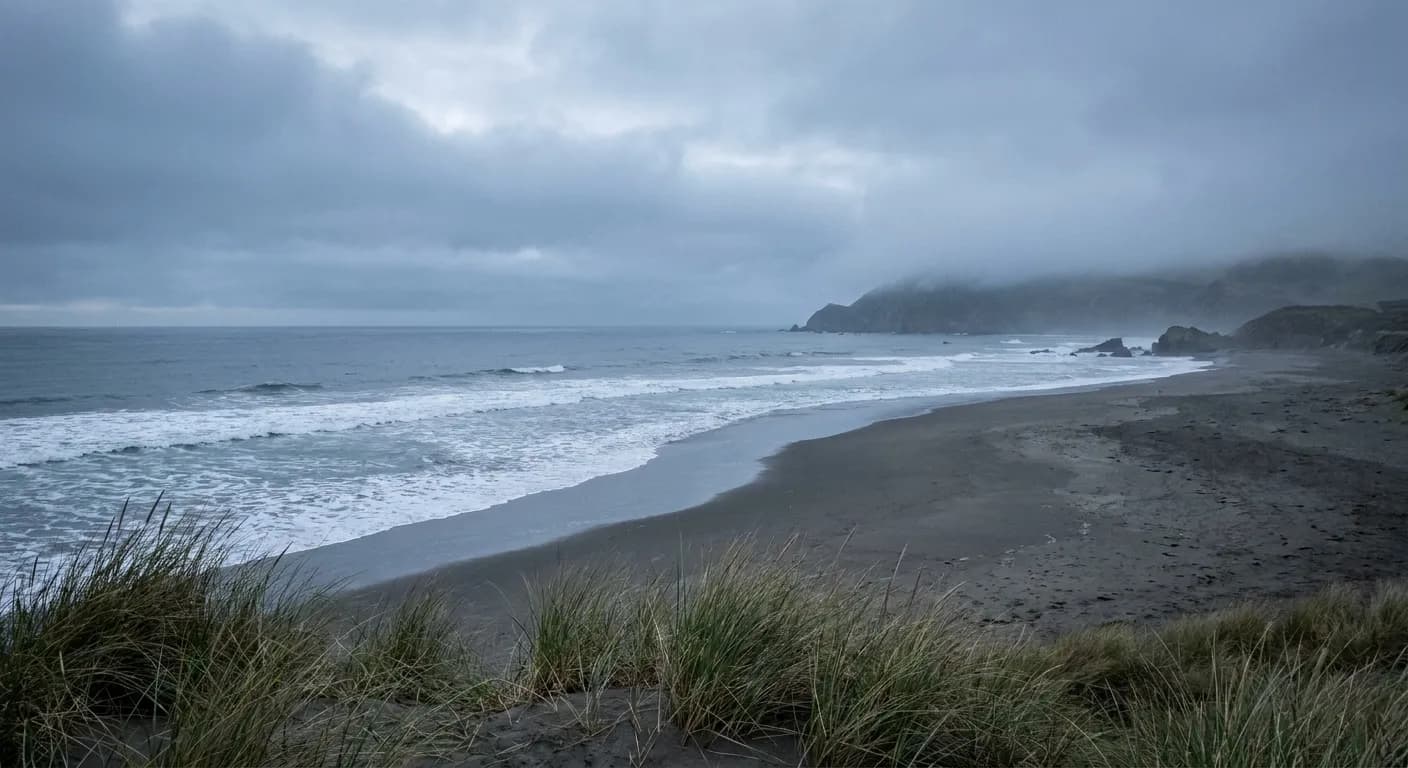
A short list, but a real one. The Conservatory of Flowers and the botanical gardens under glass are more atmospheric wet than dry and much emptier. The city's older bars — the wood-panelled ones with no windows and no concept — are at their best on a grey afternoon and are close to unusable on a warm evening when everyone wants a patio. Ocean Beach in light rain, if you are dressed for it, is genuinely spectacular and completely empty.
Dim sum is the other one. A long table, a rolling cart, three hours and a window with rain on it is a better use of a wet Saturday than almost any dry-weather equivalent, and the big Richmond and Chinatown rooms have capacity precisely because everyone else has stayed home.
Timing the day around the gaps
Winter storms here tend to arrive in the small hours and break up through the morning, which means the second half of a rainy day is more often usable than the first. Building the fixed indoor commitment into the late morning and leaving the afternoon loose is the shape that fails least often. The reverse — outdoor plan first, indoors as a fallback — puts the flexible part of the day in the least flexible window.
The other timing note is that transit gets meaningfully slower in the rain, both because ridership jumps and because the surface lines slow down. Add fifteen minutes to anything with a start time. A rainy Saturday is the worst possible day to be optimistic about a crosstown journey.
What to skip
Anything with a view is a waste of a ticket on a low-cloud day, and low cloud is the default here even when it is not raining. The bridge, the hilltop viewpoints, the observation decks and the bay boat trips are all selling you visibility, and on a wet day you are buying grey. They will still take your money.
Long outdoor queues are the other trap. A wet day makes indoor attractions busier, and the popular ones handle that by queuing people outside. Checking whether the wait is sheltered before joining it is a small thing that has saved a lot of afternoons.
Tags: #SanFrancisco #RainyDaySF #ThingsToDoSF #SFWeather #IndoorSF #SFMuseums #DimSum #FerryBuilding #OceanBeach #SFWinter #FogCity #BayArea #WeekendPlans
All trademarks are the property of their respective owners.
Ask Karpo first
Ask Karpo what is open and indoors near you in San Francisco right now, and whether the rain is due to break before you would have to walk anywhere.