 Where to Eat Near Penn Station That Isn't a Chain
US Open 2026
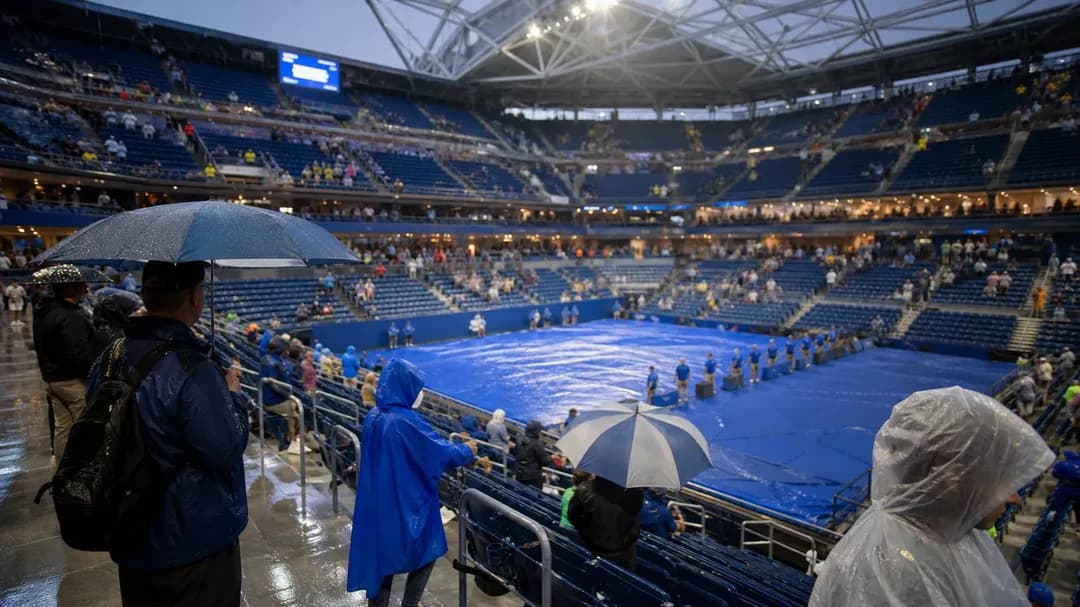
Rain Delays at the US Open: What Ticket Holders Should Know
Rain can reshape a US Open day quickly, so ticket holders should plan for heat, humidity, sun, showers, and schedule changes before reaching Queens.
A US Open ticket can feel like a full-day promise: tennis, crowds, food, photos, and the buzz of late-summer New York. Weather is the part nobody controls. Around the tournament window, New York can bring bright sun, sticky humidity, high heat, passing rain, or a mix of conditions in the same visit. For ticket holders, the smartest plan is not to predict the exact interruption. It is to arrive ready for changing weather, understand that forecasts and tournament operations can change, and keep your day flexible enough to enjoy the tennis that does happen. Before you leave for the grounds, check an official forecast for the Flushing area, review the US Open visit information, and look for tournament updates rather than relying on screenshots, rumors, or last year’s experience.
Text Karpo Now: Tell us what matters most for Rain Delays at the US Open, and Karpo can turn current US Open updates into a practical plan before you go.
Start With The Forecast
The most useful weather check is local and current. A broad New York City forecast can help, but the US Open is played in Queens, and conditions can vary across the region. The National Weather Service forecast page for the Flushing area is a sensible starting point because it is updated and focused on the local weather picture. Look first for temperature, chance of precipitation, timing language, wind, and whether the day is expected to feel humid. A low rain chance does not guarantee a dry day, and a rain icon does not automatically mean your session is lost.
Treat the forecast as a planning tool, not a contract. If showers are possible late in the afternoon, that may affect what you pack and when you arrive. If the day looks hot and sunny before any rain arrives, shade, water, and breathable clothing matter just as much as a poncho. If the forecast changes overnight, adjust your plan rather than forcing the schedule you imagined when you bought the ticket.
Pack For Two Weather Days
A strong US Open weather kit is compact, comfortable, and allowed under current venue rules. Because tournament policies can change, check the official visit information before packing. In general planning terms, think in layers. You may stand in sun, sit in shade, walk through humid air, wait under cover, and return to a seat that has cooled after rain. Lightweight clothing dries faster and feels better in humidity. A small rain layer or poncho is easier to manage in a crowd than a bulky jacket. Comfortable shoes matter because wet pavement, stairs, and long walks can make flimsy footwear a nuisance.
- Choose breathable clothing and a light layer that can handle sun, shade, and rain.
- Bring sun protection such as a hat or sunglasses, while checking current venue rules for what you may carry.
- Use a compact rain option, because umbrellas and large items may be restricted or inconvenient in crowded seating areas.
- Keep essentials organized in a compliant bag so security checks, seat changes, and weather moves are easier.
Hydration deserves its own line in your plan. Late-summer tennis can involve long stretches of sitting, walking, and waiting in warm, humid conditions. Follow current venue guidance on what containers are allowed, where water is available, and what you can bring through entry. Build water stops into your movement around the grounds. Food planning also helps. A weather delay can turn a simple session into a longer visit, so know where concessions, restrooms, and shaded areas are before you urgently need them.
Use Shade And Timing
Rain is not the only weather challenge. On a hot, sunny day, your comfort may depend on how you use shade and timing. If you plan to explore the grounds, consider doing longer walks before the day’s heat builds or during natural breaks in your schedule. If you have assigned seats, think about when you may be exposed to direct sun and when you can step away. Even a short shade break can reset the day, especially for visitors also navigating transit, lines, and sightseeing in New York.
For fans with grounds access or a plan to move among courts, flexibility is part of the fun. A weather-aware fan watches the sky, checks official updates, and avoids getting locked into a single perfect itinerary. If one match becomes less practical because of a delay or crowding, another court, a meal break, or a rest stop may keep the day enjoyable. That does not mean assuming play will happen on your preferred court at your preferred time. It means building a personal schedule with backup options that do not depend on every match starting exactly as first listed.
Timing also matters before you enter. Give yourself enough travel margin so a shower, transit slowdown, or security line does not make you feel rushed. If the forecast suggests unsettled weather, arriving prepared can be better than arriving late and anxious. At the same time, do not make assumptions about delay lengths or court decisions. Tournament operations are handled by the event, and updates may evolve as conditions change.
During A Rain Delay
If rain interrupts the day, shift from match-watching mode to patience mode. A delay does not tell you how long the interruption will last, what will happen to later matches, or what ticket outcome applies. Those details depend on official tournament decisions and ticket terms, and they can change with the situation. Avoid building your plan around a guessed restart time. Instead, use the pause to regroup: check official US Open updates, review the event schedule page for posted information, and decide what you need next in practical terms.
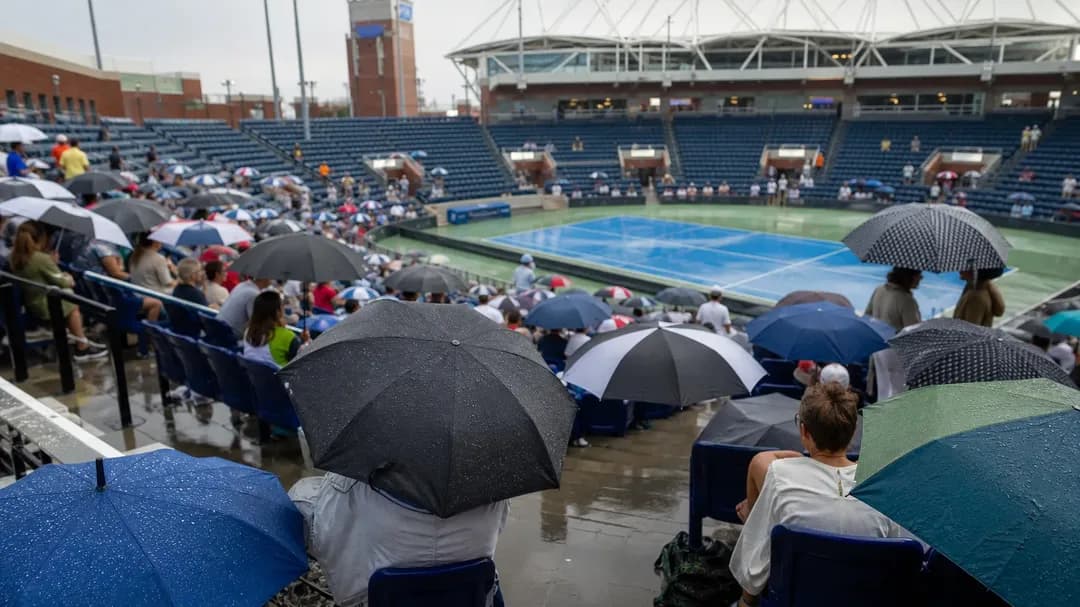
- Move calmly and follow posted instructions or staff direction in public areas.
- Check official tournament channels before changing travel plans or leaving the grounds.
- Use the break for water, food, restrooms, or a shaded waiting spot when available.
- Keep your ticket information accessible in case you need to review session details or terms.
This is also where expectations matter. Some fans become frustrated because they treat the original schedule as a guarantee. A tennis order of play is a plan, not a weather shield. Rain can compress the day, move attention to other courts, or create waiting periods that feel uncertain. None of that means a fan should stop paying attention. It means you should separate confirmed information from speculation. Confirmed information comes from official forecasts, US Open visitor and schedule pages, posted venue messaging, and ticket terms.
For New York visitors, the broader day may need the same flexibility. Dinner reservations, museum plans, and return transit can all be affected by an extended stay or a late change. If tennis is the centerpiece of your trip, avoid stacking the rest of the day so tightly that any delay ruins everything. If you must leave at a fixed time, accept that you may miss tennis that resumes later. That is not a prediction; it is the practical reality of outdoor-event planning in a late-summer city where rain and humidity can be part of the experience.
Practical Notes
The night before your session, check the official local forecast, the US Open visit page, the event schedule page, and your ticket terms. In the morning, dress for heat first if the day starts sunny, but carry a light rain option if showers are possible. Build a simple route: entry gate, first court or seat, water stop, restroom, shade break, and backup viewing area. Save battery by downloading or screenshotting essential ticket details where allowed, but keep checking live official updates when conditions change. If rain begins, protect your belongings, move without rushing, and avoid making refund, restart, or match-completion assumptions. A good US Open weather plan is not pessimistic; it gives you more ways to enjoy the day.
Tags: #USOpen2026 #Tennis #GrandSlam #NewYorkTennis #ArthurAsheStadium #FlushingMeadows #USOpenGuide #TennisFans #SportsTravel #HardCourt #NewYork #KarpoFinds
All trademarks are the property of their respective owners.
Ask Karpo first
Want to know what is confirmed, when to show up, and how to make rain delays at the us open work for your day? Ask Karpo for current US Open updates, a respectful fan plan, and a live route around Flushing Meadows.
Ask Karpo for more information.
Keep reading
- Where to Eat Near Penn Station That Isn't a Chain
 Andytown Coffee in the Outer Sunset: The Snowy Plover Explained
- Best Things to Do in Chicago: What the City Gives Away