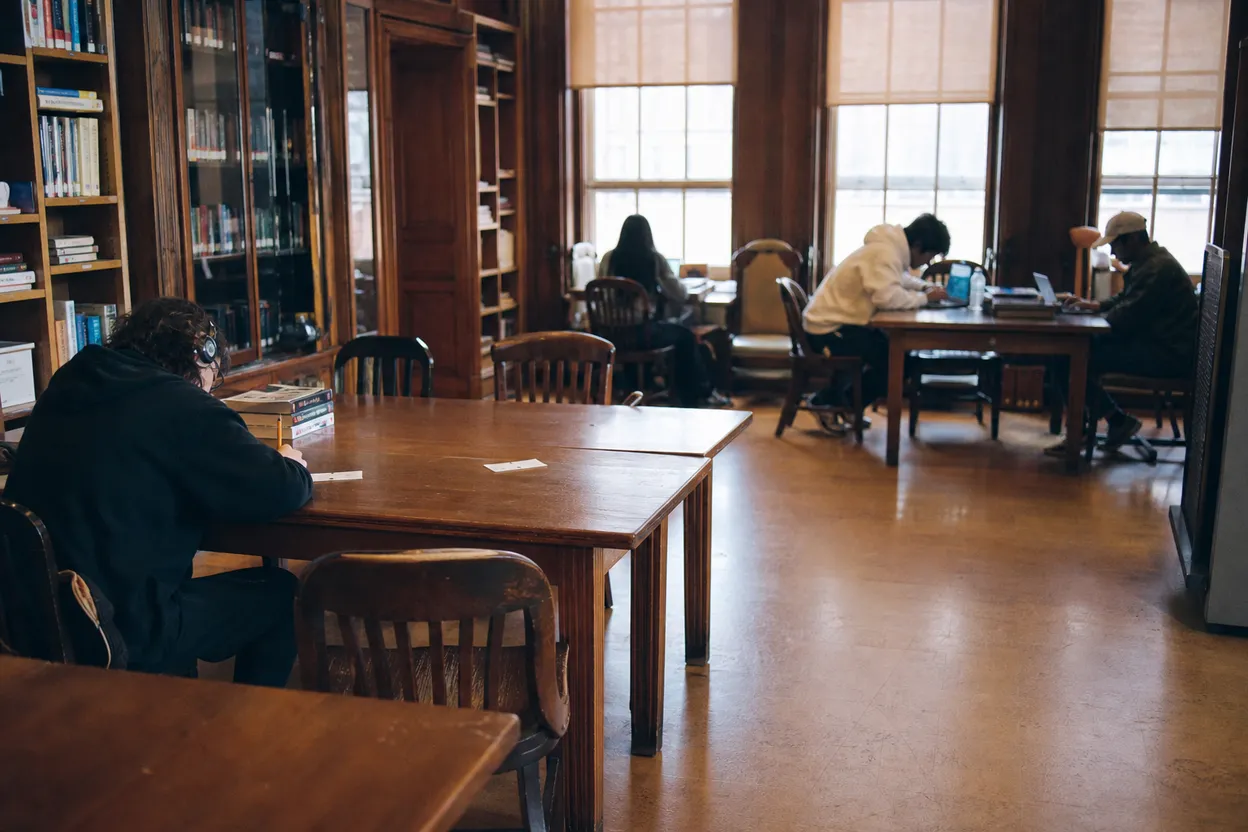
For Queens families building a back-to-school routine, Queens Public Library Teen Centers can work as a practical third place after the final bell. QPL describes them as safe spaces for middle and high school students to complete homework, do research, join programs, participate in leadership initiatives, and explore creativity. That makes them useful for teens who need more structure than a cafe and more independence than the kitchen table. The plan still needs adult-level checking: confirm the branch, card status, current hours, service alerts, program calendar, device needs, pickup point, and the exact homework goal before the teen depends on the room regularly.
Want a parent-ready after-school plan before choosing a branch? Text Karpo with the neighborhood, pickup window, and homework load, then ask what to verify before your teen goes.
Start With The Card Rule
Queens Public Library says a valid Queens Public Library card is required to enter its Teen Centers. Treat that as the first step, not a detail to handle at the door, because the best after-school plan fails if a teen arrives without the required card. Before the first school-week visit, confirm the card works, the account is accessible, and the teen knows where the physical or digital proof is kept.
QPL also says teens without a card can become members online or in person at a local branch. Families should verify what information is currently needed, especially for younger teens who may need parent help with forms or identification. A practical first visit can be short: get the card settled, locate the teen area, ask about current room expectations, and leave before the schedule becomes stressful.
Pick A Real Branch
The official Teen Centers page lists five locations: Cambria Heights at 218-13 Linden Boulevard, Central Library at 89-11 Merrick Boulevard in Jamaica, Flushing at 41-17 Main Street, Long Island City at 37-44 21 Street, and Far Rockaway Teen Library at 2002 Cornaga Avenue. Those addresses help narrow the map, but they do not replace checking current hours, service alerts, and branch-specific access details before a routine begins.
Choose the branch by route logic, not just by name recognition. Compare the trip from school, the trip home, the adult pickup path, and the backup route if a train, bus, or ride plan changes. A teen who can reach the branch calmly is more likely to use it well. If the closest Teen Center creates a complicated pickup, a different branch may be the better school-year choice.
Use The Room For Homework First
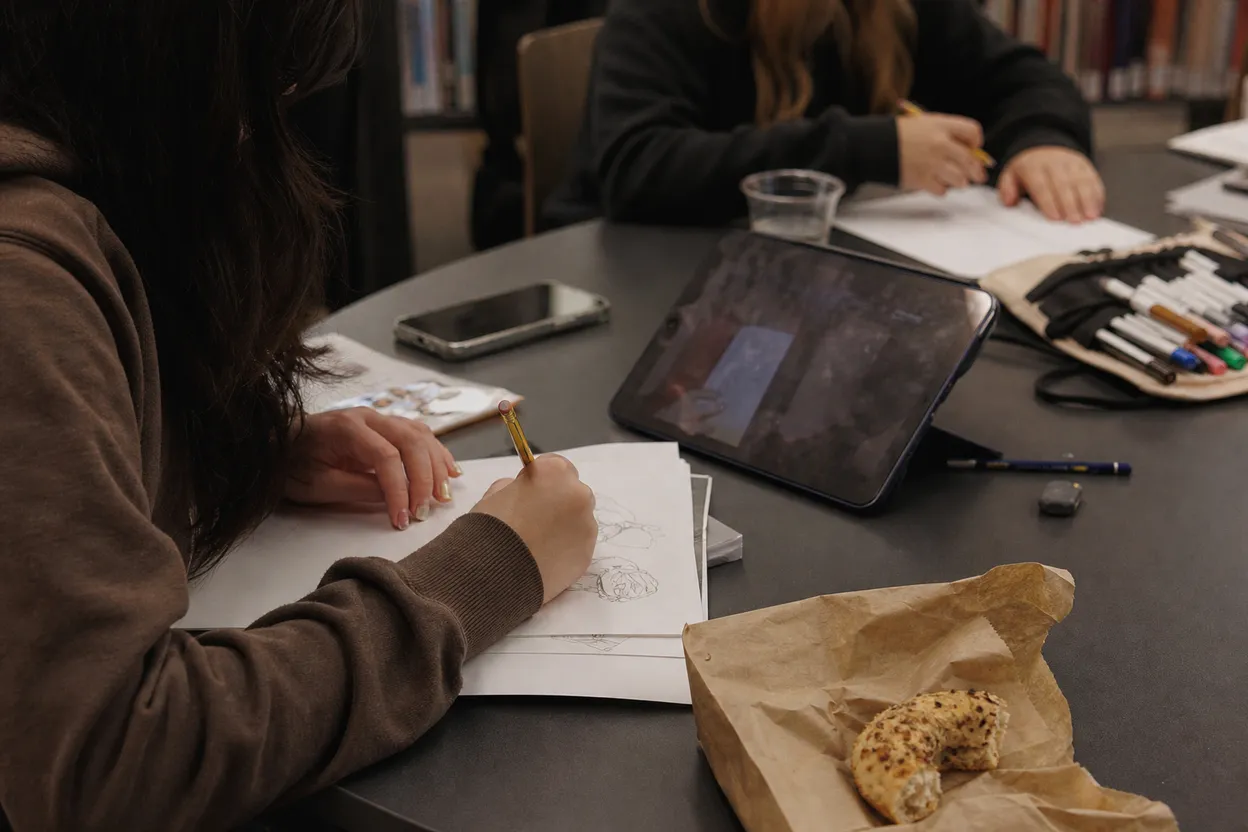
QPL describes Teen Centers as places where middle and high school students can complete homework and do research. That should be the first September use case: one subject, one clear assignment, one expected finish time. A teen arriving with a vague plan may drift into browsing, games, or chatting. A teen arriving with a worksheet, reading target, or research question has a better chance of leaving with visible progress.
Keep the first few visits deliberately plain. Pack the device, charger, notebook, pen, school login details the teen is allowed to use, and a written list of due dates. If the room is busy or a program is happening, the teen should ask staff where homework is best handled that day. The failure mode is assuming every visit will feel identical; libraries change by hour, event, and crowd.
Plan Around Programs
The Teen Centers are not only quiet study rooms. QPL lists creative programs, academic programs, literacy programs, health and recreation programs, technology programs, life skills programs, and special programs tied to leadership, legal rights awareness, and cultural arts performances. That variety is valuable for teens who need more than a desk, but it also means the family should check the branch calendar before promising quiet homework time.
Match the day to the need. A teen who needs algebra focus may want a different visit than one seeking college readiness, resume help, creative writing, STEM presentations, video game clubs, or interview practice. Programs can be a reason to go, not a disruption, when chosen intentionally. The tradeoff is pacing: stacking homework, social time, and enrichment into one afternoon can make none of them work well.
Make Power A Checklist Item
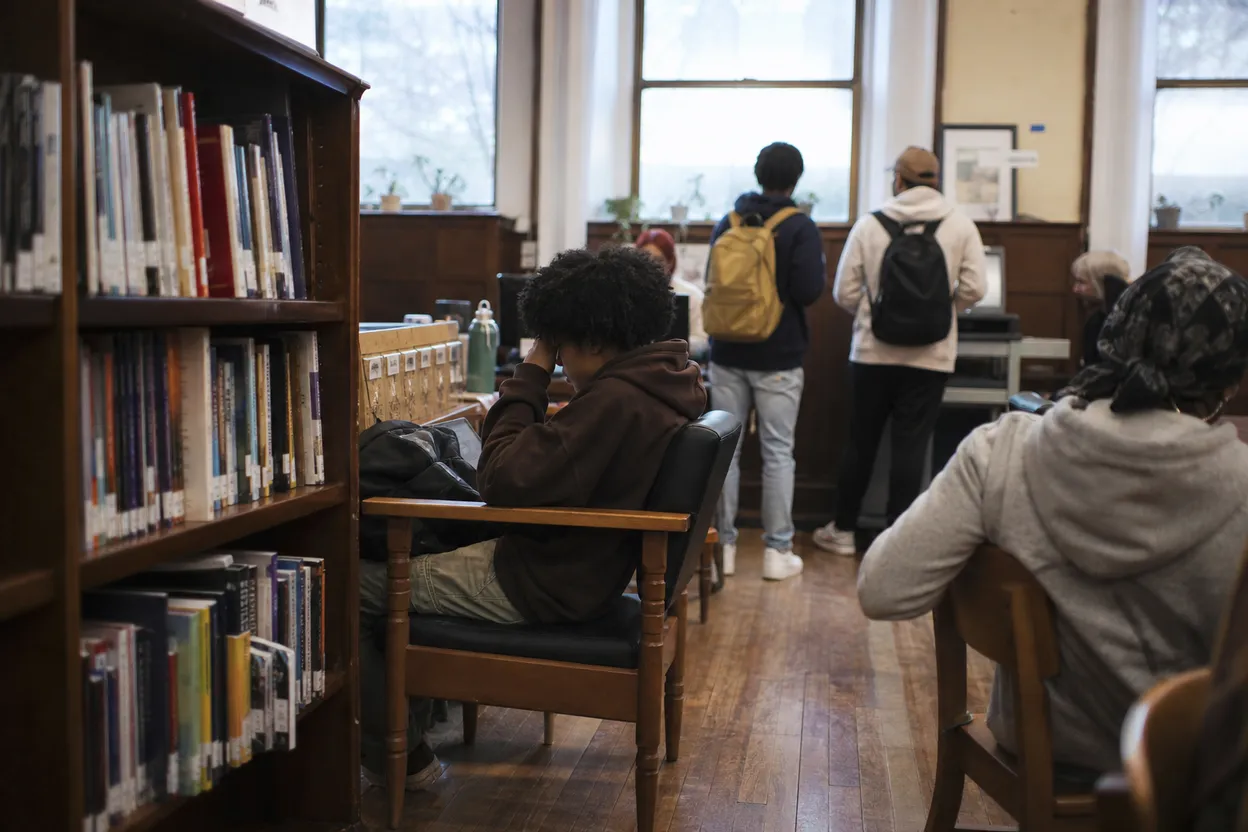
The QPL source says technology programs include computers and printers for homework, but it does not promise outlet counts, laptop seating, charging policies, or printer availability at every visit. Families should treat power as a changing detail to verify with the branch. A teen who depends on one nearly dead device can lose the whole study session before it starts, especially if the assignment requires online submission.
Build a small power plan. Charge the device before school, pack the correct charger, carry headphones if schoolwork includes video, and save files in a place the teen can access without a personal laptop if needed. If printing is essential, confirm current printer access, timing, and any costs directly with QPL. The backup is simple: finish research at the branch, then print elsewhere only if necessary.
Set A Parent-Approved Pickup Point
A library teen room helps because it gives families a specific destination after school. It should also have a specific exit plan. Decide whether pickup happens inside the branch, at the entrance, at a nearby transit stop, or at another parent-approved landmark. The teen should know what to do if the adult is late, if the phone battery drops, or if the usual route is disrupted.
QPL lists phone numbers for each Teen Center location, which can help families confirm branch-specific questions before relying on a weekly routine. Do not assume staff can supervise a teen beyond library rules or coordinate transportation. The family plan should cover arrival, check-in, departure, and backup contact. Accessibility matters too: verify entrance, seating, elevator, restroom, language, sensory, or mobility needs with the branch before the first high-pressure school day.
Use A Verification Checklist
Before making the Teen Center part of the weekly routine, verify the details that can change: current hours, service alerts, card status, teen-room access expectations, calendar events, computer availability, printer access, device charging options, and the phone number for the selected branch. Also confirm whether the teen understands the day's assignment, expected finish time, pickup location, and backup contact method before leaving school.
The final fit test is behavioral, not theoretical. After two or three visits, ask whether homework actually got finished, whether the room felt manageable, whether power and seating worked, and whether the pickup plan was calm. If the answer is mixed, adjust one variable at a time: branch, day, subject, visit length, or program choice. A good after-school plan should reduce evening stress, not move it to a different building.
Tags: #AskKarpo #BeforeYouGo #KarpoNYC #QueensPublicLibrary #TeenCenters #QueensTeens #AfterSchoolNYC #BackToSchoolNYC #HomeworkHelp #StudySpaces #LibraryCard #ParentPlanning #NYCFamilies #StudentRoutine
Sources consulted: Source 1: queenslibrary.org · Source 2: queenslibrary.org · Source 3: studynearby.com · Source 4: studynearby.com
All trademarks are the property of their respective owners.
Ask Karpo first
Tell Karpo your date, group size, budget, and starting neighborhood. We’ll check current access, timing, transit, and the cleanest plan for Queens Public Library teen spaces before you head out.