 Haaland Has Seven Goals and Norway Runs Entirely Through Him
⚽️2026 FIFA WORLD CUP
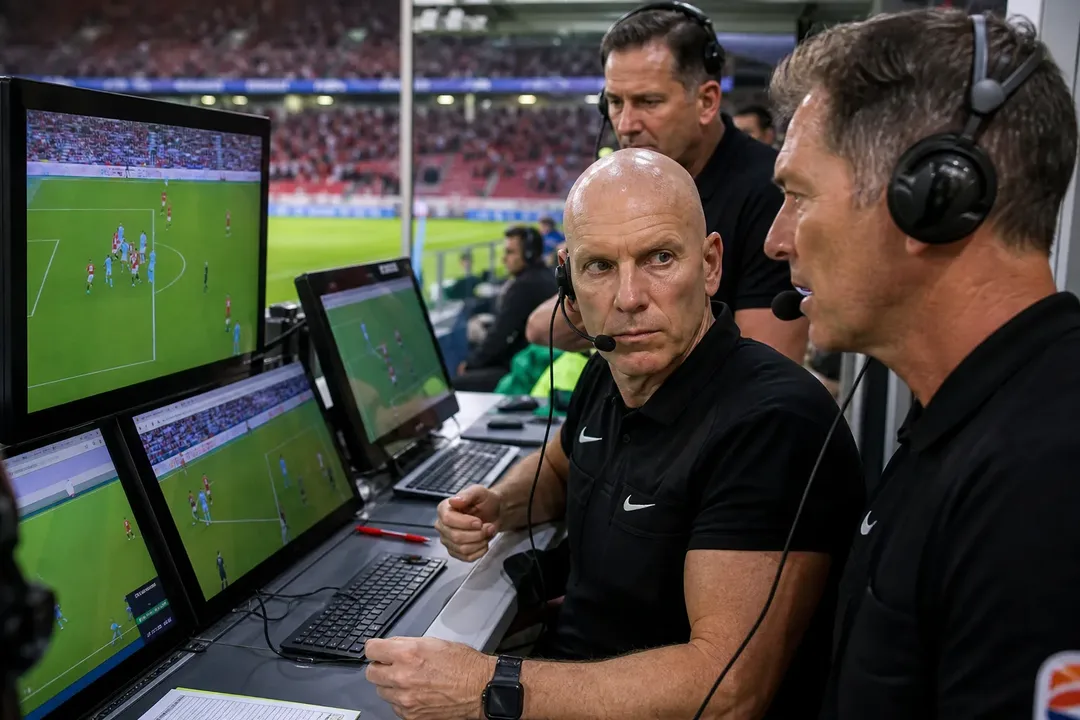
Quarterfinal VAR Reviews Penalty Appeals and Referee Controversies
France, Spain, England and Argentina are through after four quarterfinals that put officiating scrutiny back at the center of the World Cup conversation. Penalty appeals, VAR review claims and referee debates should be treated carefully until official match documentation confirms the details.
The World Cup 26 quarterfinal picture delivered four confirmed results across Dallas, Atlanta, Miami and Kansas City: France beat Morocco 2-0, Spain beat Belgium 2-1, England beat Norway 2-1 after extra time, and Argentina beat Switzerland 3-1 after extra time. Around those scorelines, the loudest post-match conversation has turned toward penalty appeals, VAR review claims and referee controversies, but the responsible read is clear: the results are confirmed, while any specific incident, minute, official explanation, card, player involvement or review sequence still requires verification through official tournament records.
Planning your next move after the quarterfinal drama? Text Karpo for a personalized match-day plan with the best route, viewing spot, food stop or city-by-city schedule strategy built around where you are and how you want to experience the World Cup.
Confirmed Quarterfinal Results Frame the Debate
The verified quarterfinal anchors are straightforward. France advanced with a 2-0 win over Morocco, Spain moved on by beating Belgium 2-1, England defeated Norway 2-1 after extra time, and Argentina beat Switzerland 3-1 after extra time. Those outcomes are the firm base for any discussion of the round, especially when the surrounding conversation moves into more uncertain territory involving officiating, penalty appeals and possible VAR checks.
The important distinction is between a confirmed result and an unverified match detail. A final score can be reported as fact once it is officially confirmed, but a claim about a handball appeal, a foul in the area, a missed review, a referee explanation or a disciplinary decision needs support from official match reports or tournament communications. Until then, those claims remain pending, even if they dominate fan discussion.
Why VAR Review Claims Need Careful Handling
VAR is designed to assist with clear and obvious errors or serious missed incidents within defined categories, but public perception often moves faster than official confirmation. In a knockout match, a single penalty appeal can become the defining talking point within minutes, especially if the game is close or stretches into extra time. That intensity does not automatically make every appeal an official VAR incident.
For this quarterfinal round, no specific VAR review sequence, penalty incident, minute or official ruling should be treated as confirmed unless it appears in the official match record or is clarified by authorized tournament channels. That means supporters can debate what they saw, analysts can discuss possible interpretations, and teams can react emotionally, but publication-ready facts must stop short of naming unverified incidents as decisive errors.
France, Morocco and the Pressure of a 2-0 Result
France’s 2-0 win over Morocco gives the scoreboard a clean shape, but it does not remove the possibility of post-match controversy. Matches with two-goal margins can still contain penalty appeals, contact in the box or moments that fans believe deserved intervention. The difference is that none of those possible talking points should be described as confirmed unless the official documentation identifies them.
For readers trying to understand the match, the safest framing is to separate tactical outcome from officiating discussion. France won 2-0, Morocco exited at the quarterfinal stage, and any claim about a review, a rejected appeal, a specific referee decision or a player involved in a disputed moment remains pending verification. That approach protects the integrity of the result while keeping room for later official clarification.
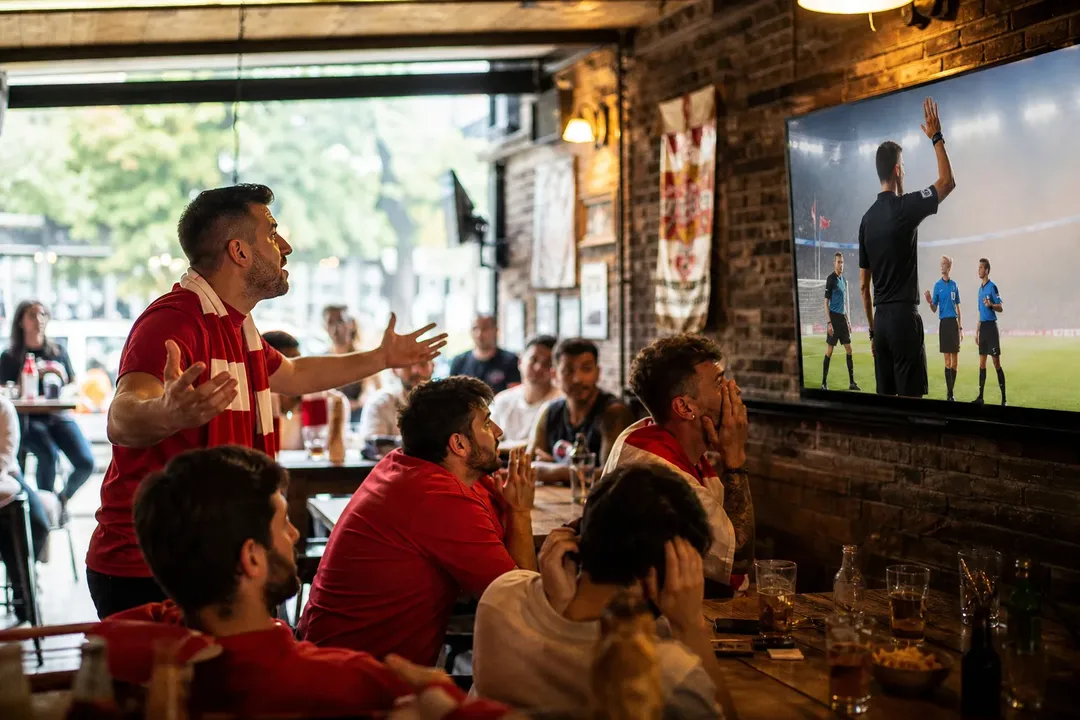
Spain, Belgium and the Thin Margin Problem
Spain’s 2-1 victory over Belgium naturally invites closer scrutiny because one-goal knockout matches often turn every disputed decision into a major narrative. When the final margin is narrow, supporters tend to revisit penalty claims, stoppages, challenges and review possibilities with heightened emotion. That is part of tournament football, but it is not the same as an official record.
The responsible way to discuss Spain versus Belgium is to state the confirmed result and acknowledge that any alleged penalty appeal, VAR consultation or referee controversy requires formal confirmation. Without verified details, it would be inappropriate to assign blame, identify a missed call or suggest that a particular moment changed the match. The result is confirmed; the deeper officiating file must be checked against official sources.
Extra Time Adds Heat to England and Argentina Wins
England’s 2-1 win over Norway after extra time and Argentina’s 3-1 win over Switzerland after extra time brought another layer to the officiating conversation. Extra time raises emotional stakes because fatigue, pressure and late-game urgency can make every challenge feel larger. Fans often remember penalty appeals or referee decisions more sharply when they occur in a match that has already gone beyond regulation.
Even so, extra time does not change the verification standard. England’s and Argentina’s victories are confirmed, but any detailed claim about late reviews, penalty decisions, specific fouls, cautions or official explanations must be checked before being presented as fact. Until official match materials confirm those details, the fair description is that post-match debate exists around officiating themes, not that specific unverified incidents occurred.
How Fans Should Verify Officiating Details Before Sharing
The best way for fans to evaluate penalty and VAR claims is to look for official confirmation rather than relying on clipped video, crowd reaction or social posts. Official schedule and results pages establish the outcomes, while tournament hubs and match documentation can provide further verified information when available. If a detail is missing from those sources, it should be treated as pending, not proven.
That matters because referee controversies can harden into public memory quickly. A claim repeated often enough can sound like a fact, even when the official record has not confirmed it. For this quarterfinal round, the strongest verified story is the field of advancing teams: France, Spain, England and Argentina. The officiating conversation remains important, but the specific details need official verification before they become part of the historical record.
Tags: #WorldCup2026
Sources consulted: FIFA World Cup 26 schedule and results · FIFA World Cup 26 tournament hub
All trademarks are the property of their respective owners.
Ask Karpo First
Ask Karpo for a custom World Cup plan in Dallas, Atlanta, Miami or Kansas City, including the best route, viewing setup, food stop and timing for your match-day priorities.
Ask Karpo for more information.
Keep reading
- Haaland Has Seven Goals and Norway Runs Entirely Through Him
 World Cup Trophy Ceremony Timing Medals and Postmatch Celebrations
 Olise and France's Attack: The Semifinal Tactical Question