The Moment Everything Changes
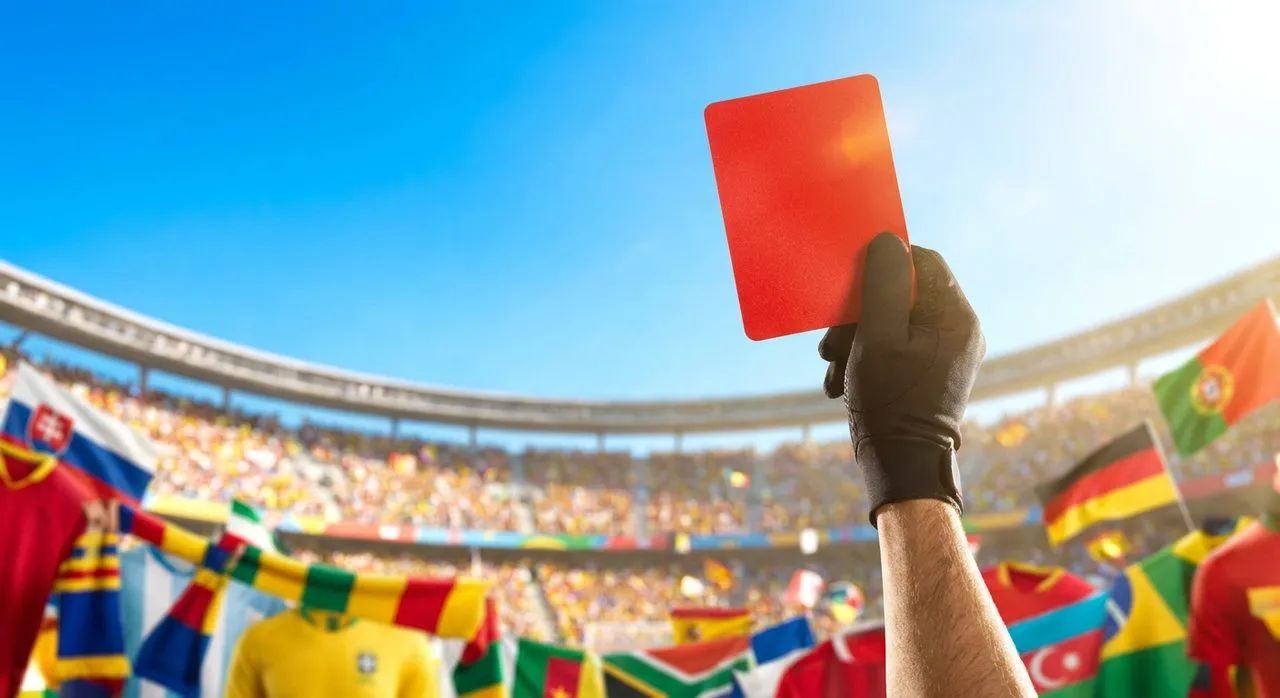
A referee's arm shoots up, red card gleaming in the stadium lights, and the roar of the crowd splits into two opposing waves. For one team, it's vindication; for the other, it's the start of a frantic recalculation. In knockout football, a sending-off doesn't just remove a player—it rewrites the next hour of play, forcing coaches to tear up their game plans and players to dig deeper than they thought possible.
Text Karpo Now: Get real-time knockout-round updates, transit tips, and fan-zone intel across all three host nations—before the whistle blows.
This summer, across stadiums in the United States, Canada, and Mexico, we've seen how quickly momentum can pivot. A red card in the opening half-hour turns a balanced contest into a siege. The team with eleven suddenly has license to push higher, press harder, and exploit every pocket of space. The team with ten must compress, cover, and hope their discipline holds until the final whistle.
It's a test of character as much as tactics. Can the outnumbered side stay organized under relentless pressure? Will the team with the extra player stay patient, or will they rush their chances and let frustration creep in? These are the questions that define knockout ties, and a red card brings them all into sharp focus.
Tactical Scrambles and Substitution Dilemmas
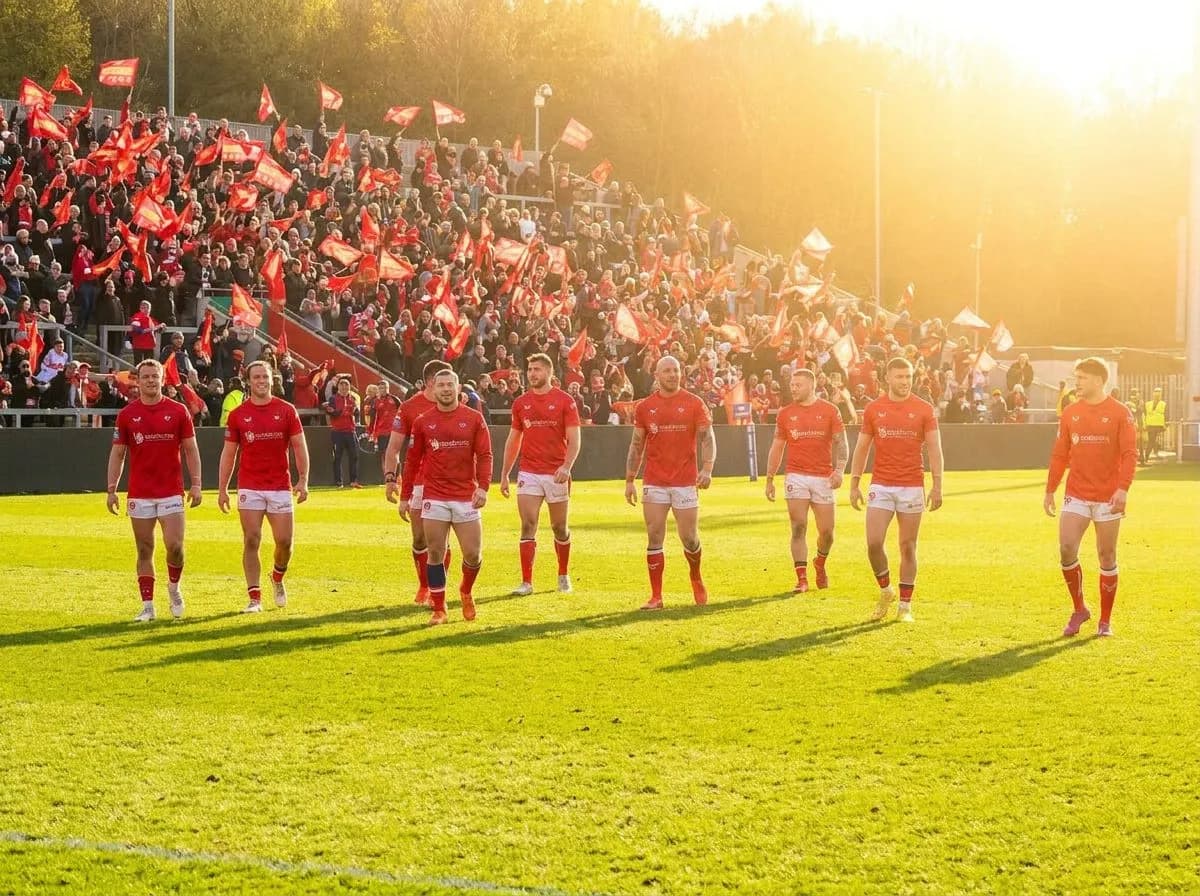
The moment a player walks off, the coaching staff springs into action. If the red card comes early, there's time to reshuffle—pulling off an attacker to shore up the midfield, or sliding a full-back into a back three. But every substitution is a trade-off. Use one too soon, and you lose flexibility later. Wait too long, and the opposition might already be two goals ahead.
We've watched managers make bold calls this tournament, sacrificing creative spark for defensive solidity. A winger comes off, a holding midfielder goes on, and suddenly the team's shape looks unrecognizable. The players left on the pitch have to adapt on the fly, learning new roles and responsibilities in real time while the clock ticks down and the crowd noise swells.
For the team with the numerical advantage, the challenge is different but just as demanding. They need to stay composed, circulate the ball, and wait for the right opening. Impatience leads to wild shots from distance or hopeful crosses into a packed penalty area. The best sides stay calm, probe the flanks, and trust that the space will eventually appear.
How Momentum Shifts in Real Time
Momentum in football is a strange, slippery thing. A red card can hand one team a clear advantage on paper, but it doesn't always translate to dominance on the pitch. Sometimes the team down to ten finds a new gear, playing with a defiant intensity that unsettles their opponents. The crowd rallies behind the underdog, and suddenly the team with eleven is the one feeling the pressure.
We've seen it happen in knockout rounds before: a side reduced to ten holds firm for twenty, thirty, even forty minutes, frustrating every attack and growing in confidence with each clearance. The longer they survive, the more the momentum swings. The team with the extra player starts to doubt, their passes become hurried, and the belief that they should be winning turns into a weight around their necks.
But when the goal does come—when the numerical advantage finally pays off—it often opens the floodgates. One breakthrough can shatter the defensive resolve that held for so long, and what looked like a heroic rearguard action collapses into a rout. That's the cruelty of knockout football: a single moment can undo an hour of hard work.
The Psychological Battle
Playing a man down is as much a mental test as a physical one. Every player on the pitch knows the odds have shifted, and managing that knowledge is half the battle. The team with ten has to stay positive, communicate constantly, and refuse to let frustration or fatigue break their concentration. One lapse, one moment of ball-watching, and the game is over.
For the opposition, the psychological challenge is different. They know they should win, and that expectation can become a burden. If the breakthrough doesn't come quickly, doubt creeps in. Are we doing enough? Should we be taking more risks? The longer the scoreline stays level, the more the pressure mounts, and the more likely it is that they'll force a mistake of their own.
Coaches on the sideline become animated, shouting instructions and urging their players to stay focused. Substitutes warm up and cool down, ready to be thrown into the fray at a moment's notice. The tension is palpable, not just on the pitch but in the stands, where tens of thousands of fans ride every pass, every tackle, every near-miss.
Lessons from This Tournament
This World Cup has delivered its share of red-card drama, and each incident has told its own story. Some teams have crumbled under the pressure of playing short-handed, conceding multiple goals and exiting the tournament in disappointment. Others have dug in, held their shape, and even found a way to snatch a result against the odds.
What separates the two outcomes is often a matter of preparation and mentality. The teams that train for these scenarios—who practice defensive drills with reduced numbers and rehearse their emergency game plans—are better equipped to handle the chaos. The teams that rely on talent alone, without that tactical discipline, tend to fall apart when the unexpected happens.
As the knockout rounds continue and the stakes grow higher, we can expect more moments like these. The margins are razor-thin, the pressure is immense, and a single red card can be the difference between advancing to the next round and heading home. It's what makes this tournament so compelling, and why every match feels like it could turn on a single decision.
Looking Ahead to the Final Rounds
With the semifinals set for AT&T Stadium in Arlington and Mercedes-Benz Stadium in Atlanta, and the final scheduled for July 19 at MetLife Stadium in East Rutherford, the intensity will only increase. These venues will host some of the most high-stakes football on the planet, and the potential for red cards, tactical battles, and dramatic momentum swings is enormous.
Fans planning to attend should prepare for the logistical challenges that come with these massive events. MetLife Stadium, for example, offers no on-site parking or tailgating, so official shuttles and NJ Transit are the way to go—make sure you grab a return wristband. AT&T Stadium, hosting the most matches of any venue with nine in total, has become a hub of World Cup energy, and getting there early is essential to soak in the atmosphere.
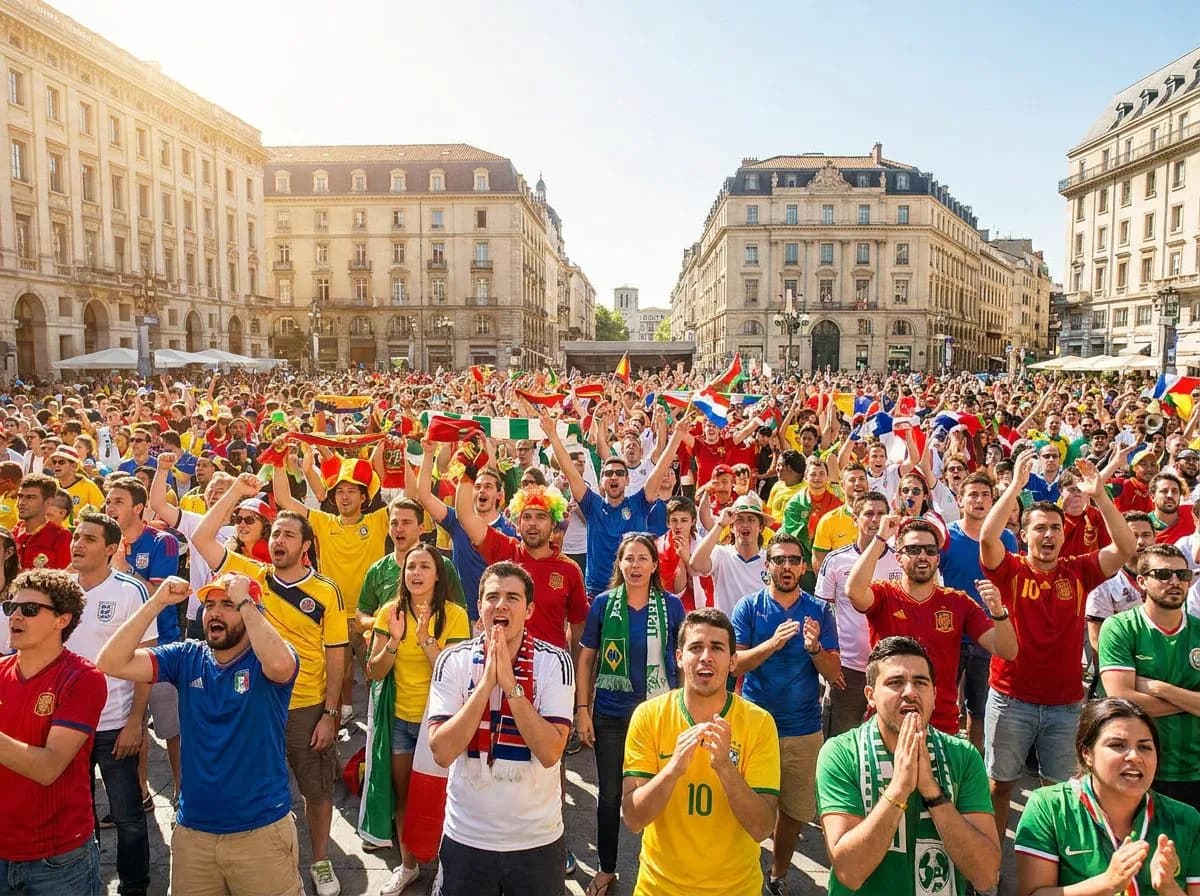
Whether you're watching from the stands or following along from a fan zone in one of the host cities, the knockout rounds promise unforgettable drama. Every match is a story waiting to be written, and a single red card can be the plot twist that changes everything. Stay sharp, stay ready, and enjoy the ride.
Practical notes
- MetLife Stadium (Final, July 19): No on-site parking or tailgating; use official shuttles or NJ Transit and secure a return wristband.
- AT&T Stadium (Arlington): Hosts the most matches (9); arrive early for security and to explore the fan zones around the venue.
- Mercedes-Benz Stadium (Atlanta): One of two semifinal venues; check MARTA schedules and plan your route in advance.
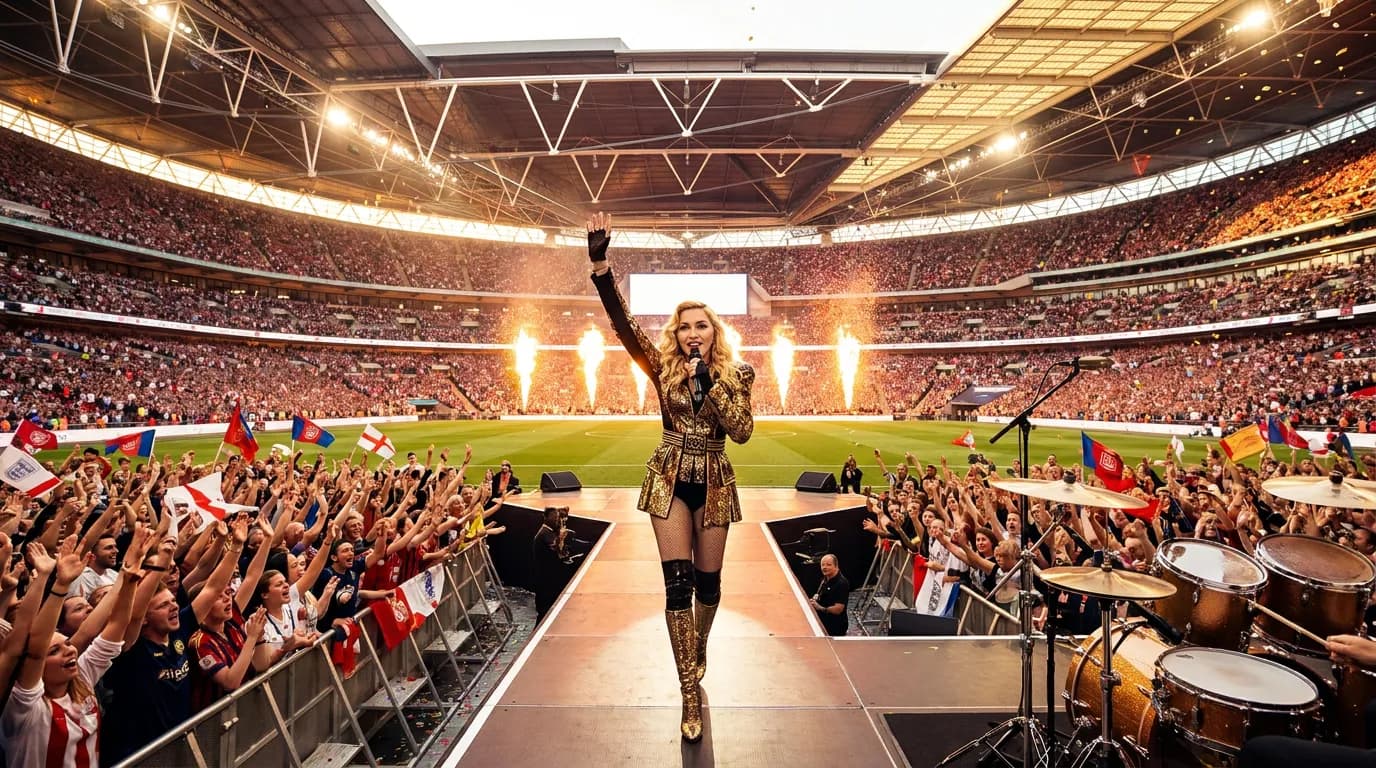
- Halftime at the Final: First-ever World Cup halftime show curated by Chris Martin, featuring Madonna, Shakira, and BTS—arrive on time.
- Stay flexible: Knockout matches can go to extra time and penalties; plan for longer evenings and have backup transit options ready.
A red card in a knockout tie is football's ultimate wild card—it can break a team's spirit or forge an unforgettable underdog story. As this World Cup races toward its conclusion, every match carries the potential for those defining moments that we'll replay and debate for years. Soak it all in, stay present, and remember that the best stories are often written in the chaos.
Tags: #WorldCup2026 #KnockoutRounds #RedCardDrama #TacticalFootball #PlayingAManDown #MetLifeStadium #ATTStadium #MercedesBenzStadium #WorldCupFinal #MomentumShift #FootballTactics #TournamentPressure #FanExperience #LiveFootball #KarposFinds
All trademarks are the property of their respective owners.
Ask Karpo first
The knockout rounds are where legends are made and hearts are broken, often in the span of a single decision. Whether you're planning to catch a semifinal in Arlington or Atlanta, or you're gearing up for the final at MetLife, the details matter—transit, timing, and knowing what to expect when the stakes are highest. Ask Karpo first, and you'll arrive ready for whatever drama unfolds on the pitch.