The pt organics fruit pouch recall is worth a calm, label-first check before any NYC parent replaces snacks in a hurry. As of July 27, 2026, the FDA notice names select Pumpkin Tree Peter Rabbit Organics Banana & Strawberry 4 oz. pouches, sold through Kroger, Meijer, and Target between March 6 and July 13, 2026. Whole Foods Market is useful here as a backup shopping venue, not as a confirmed recall seller in the FDA notice. The practical move is simple: isolate any pouch that could match, verify every product code, avoid feeding uncertain items, then choose a replacement that fits your child, route, and day.
Want a quick pantry-to-store plan for a recalled kids snack? Text Karpo with your neighborhood, child age, nearest Whole Foods or Target, and shopping window for safer NYC alternatives.

FDA Recall Codes to Check Before Leaving Home
Start with the back of the pouch, not the brand name alone. The FDA notice identifies Pumpkin Tree Peter Rabbit Organics Banana & Strawberry Fruit Puree Pouches, 4 oz. or 113 g. The barcode listed is 8 15367 01078 0, with lane number 4 on the rear right-hand side seam. The affected best-before dates are 01/19/2027, 01/20/2027, 03/17/2027, 03/18/2027, 05/14/2027, and 05/15/2027.
The failure mode is assuming every Peter Rabbit pouch is included, or that a different flavor is automatically unsafe. The FDA notice says no other Pumpkin Tree branded products, best-before dates, or flavors are affected. If any one identifier is missing or unreadable, do not serve it while you are deciding. Put it in a separate bag, photograph the front and code panel, and use the company support line or retailer recall page for confirmation.
Target Recall Page for NYC Purchases and Returns
If the pouch came from Target, the retailer’s product recall page is a direct second check. Target listed Pumpkin Tree Peter Rabbit Organics Banana & Strawberry 4 oz. under Grocery/OTC recalls with a July 21, 2026 date. That matters for NYC families because Target has multiple city locations, and a pantry item may have been bought during a commute, delivery order, or weekend errand rather than at the store closest to home.
Bring the product or clear photos of the product front, barcode, seam, and best-before date if you are seeking a return. Do not open a pouch to inspect the inside, because the recall instruction is not to eat or feed affected product. The tradeoff is time: returning it may be worthwhile if you are already passing Target, but disposal is the lower-friction choice when a child needs a snack now.
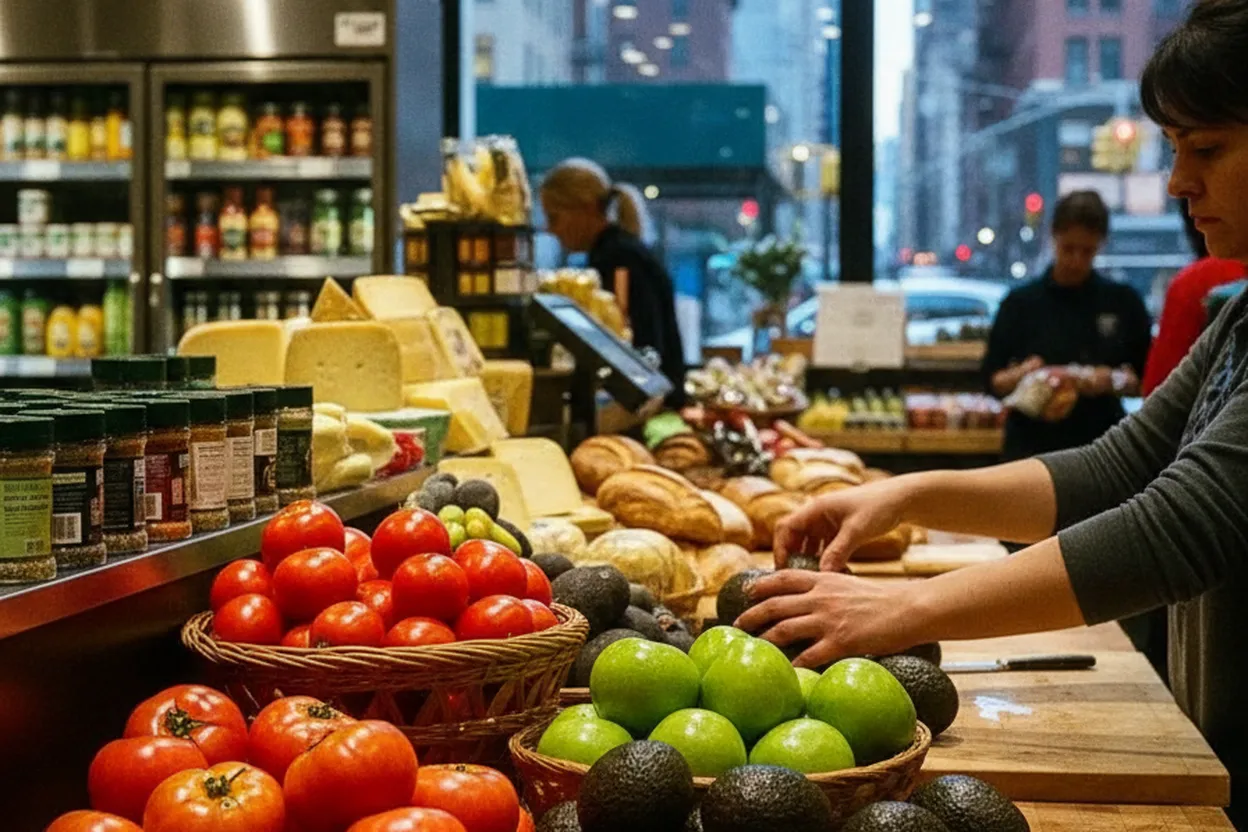
Whole Foods Market as a Replacement Stop, Not the Named Recall Seller
Whole Foods Market’s store locator says shoppers can get store hours, directions, weekly sales, pickup, and delivery information by location. Use that tool before routing your stroller or lunch break around a replacement trip, because hours and available inventory are store-specific. For this recall, the FDA named Kroger, Meijer, and Target as the exclusive retail channels, so Whole Foods is best treated as a backup source for alternatives, not as a place implicated by the notice.
The safer Whole Foods strategy is to buy a small number of clearly labeled substitutes rather than restocking a month of pouches under stress. Check package size, ingredients, allergen language, and any current recall notices before checkout. If your child depends on texture or a specific fruit blend, choose one familiar format and one fresh option, then keep the receipt. Availability can vary by store, so the decision guide is verification first, convenience second.
GrowNYC Greenmarkets for Fresh Fruit When Packaged Snacks Feel Risky
GrowNYC Greenmarkets are a useful non-pouch backup when the weather, schedule, and child tolerance allow a slower errand. GrowNYC says it makes fresh food from farmers accessible across the five boroughs and operates outdoor markets throughout the city. Its location page also lets families filter by Greenmarket, day open, seasonality, borough, and active status, which matters when a same-day substitute has to fit school pickup or nap time.
This option works best for families who can wash, cut, and store fruit safely before serving it. It is weaker for subway snacking, daycare bags, or toddlers who reject whole fruit textures. Use GrowNYC’s location page the same day, because market days and seasonal dates vary. If you rely on SNAP EBT or other nutrition benefits, confirm the specific market setup before building the trip around it, since benefits and services are location-dependent.
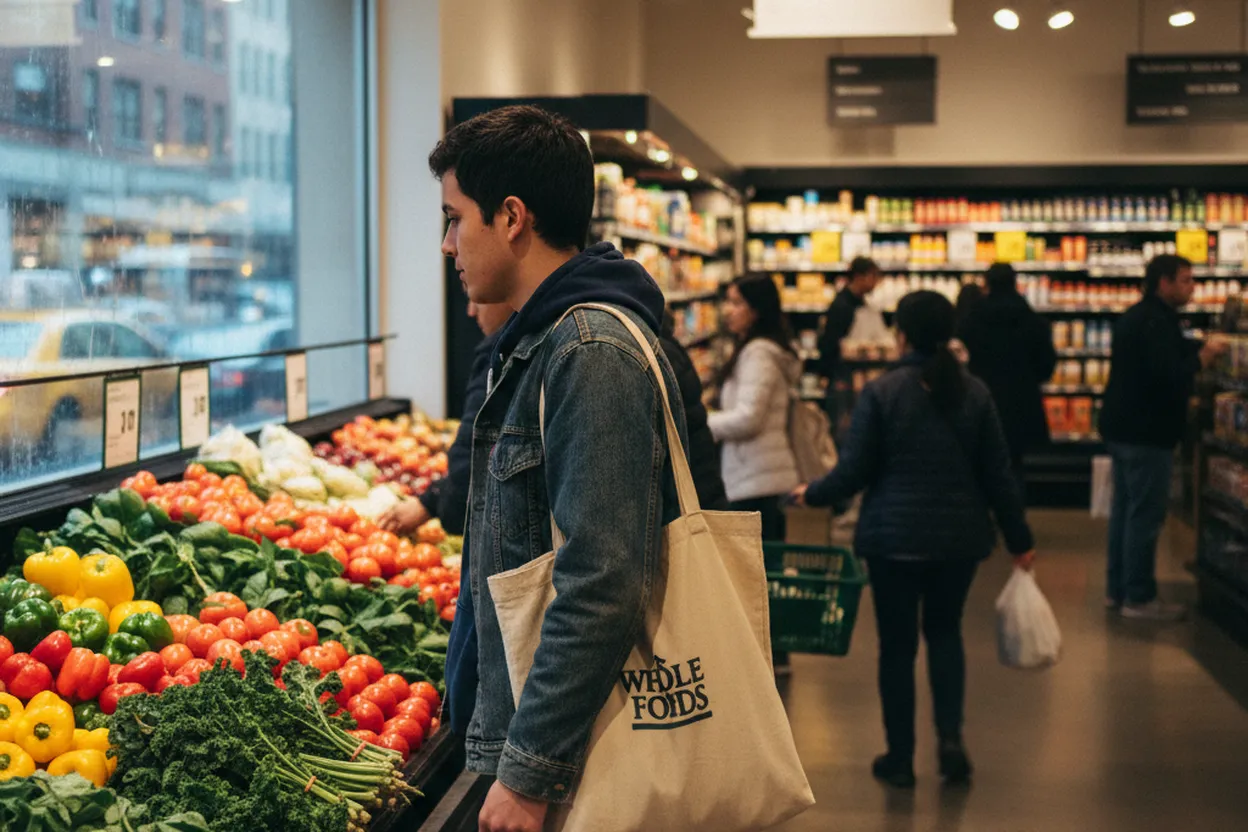
NYC Apartment Snack Triage: Pantry, Diaper Bag, Stroller, Daycare
In a New York apartment, recalled food can hide in more places than a kitchen shelf. Check the pantry, stroller pocket, diaper bag, backpack, office drawer, car seat bag, and any daycare backup bin you stocked earlier in the summer. The FDA sale window runs from March 6 through July 13, 2026, so do not limit the search to last week’s grocery run. A pouch bought months ago can still be sitting in rotation.
For shared caregiving, send the exact identifiers rather than a vague warning. Write: Banana & Strawberry, 4 oz., barcode 8 15367 01078 0, lane 4, and the six listed best-before dates. Ask caregivers to pause serving any uncertain pouch until a parent checks it. The accessibility point is practical: black-ink codes can still be hard to read in low light, so use a phone flashlight and zoomed photo.
Choosing Substitutes by Child Age, Mess Risk, and Transit Time
A safe substitute is not just a different pouch. For a short walk, washed berries, banana, applesauce cups, yogurt, or soft fruit may work if they fit your child’s age and allergy history. For a longer subway ride, fresh fruit can bruise or leak, and dairy may be impractical without cold storage. A shelf-stable replacement should still get a recall check, ingredient check, and choking-risk check before it enters the bag.
The main tradeoff is convenience against control. Packaged snacks are easy to hand off, but their safety depends on manufacturing and recall visibility. Fresh food gives more inspection control, but it adds washing, cutting, storage, and mess. If you are shopping at Whole Foods or a Greenmarket, buy only what you can manage today and tomorrow. A rushed overcorrection can create food waste or introduce unfamiliar textures when your child is already hungry.
Whole Foods Market Checkout and Home Recheck Before Serving
Before serving any replacement, do a final two-minute check: confirm the FDA recall page has not added products, search the retailer recall page if the item came from Target, and inspect the new package for damage, swollen seals, missing labels, or unreadable dates. If the recalled pouch is in your possession, the FDA says it should be disposed of or returned to the place of purchase and should not be eaten or fed to another person.
Skip the errand if you cannot verify the basics, the store page is unclear, or your child has a medical feeding need that requires a specific product. In that case, call the product maker, retailer, pediatrician, or caregiver before substituting. For most NYC families, the best decision is boring and firm: isolate the suspect pouch, document the codes, replace only what you need, and recheck official pages before restocking.
Tags: #PTOrganicsRecall #FruitPouchRecall #NYCParents #WholeFoodsMarket #TargetRecall #FDASafety #FoodRecall #KidsSnacks #ParentGuide #GrocerySafety #GrowNYC #FamilyErrands #AskKarpo #BeforeYouGo
Sources consulted: Source 1: fda.gov · Source 2: target.com · Source 3: wholefoodsmarket.com · Source 4: grownyc.org
All trademarks are the property of their respective owners.
Ask Karpo first
Tell Karpo your date, group size, budget, and starting neighborhood. We’ll check current access, timing, transit, and the cleanest plan for Whole Foods Market before you head out.