Royal-watching in New York does not have to mean waiting outside hotels, speculating about private travel, or amplifying unsourced posts. As of July 22, 2026, the Royal Diary does not list a New York City engagement for Prince William and Catherine, Princess of Wales, and the most recent Court Circular entry for the couple reviewed here records their July 12 attendance at the Wimbledon gentlemen’s final in London. That makes this a good moment for a calmer kind of guide: how to check official updates, how to understand what would count as a confirmed engagement, and where in NYC to connect the British monarchy, the American Revolution, and UK–US civic history without intruding on anyone’s private life.
Text Karpo for a verified NYC royal-history route with museum hours, subway stops, and quiet alternatives if a venue is crowded. Ask Karpo to turn this guide into a respectful weekend plan near your neighborhood.
Start with the Royal Diary, not rumor accounts
The first stop for any credible royal-watch plan is the Royal Family’s own Royal Diary, which says official engagements are published up to eight weeks in advance. That matters because a real New York appearance by the Prince and Princess of Wales would normally surface through an official channel before it became a public-service plan. If the Diary does not list an NYC stop, treat social clips, hotel sightings, blind items, and “insider” posts as unverified. The Court Circular is the companion record after engagements happen; it is useful for confirming where working members of the Royal Family actually were, rather than where the internet guessed they might be.
Know the difference between a public engagement and private life
For New Yorkers, the practical line is simple: an official engagement is something the household, a host institution, or a relevant government office has announced for public record. A private dinner, airport movement, school-related activity, or family stop is not a public invitation. This guide therefore avoids hotels, residences, unconfirmed arrival points, children’s whereabouts, and street-corner stakeouts. If an engagement is announced, use the host’s visitor instructions, press area, or public viewing guidance; if none is provided, assume it is not for general spectators. The goal is to enjoy history and civic culture, not to turn a city weekend into surveillance.
What the British Consulate can and cannot confirm
The British Consulate General New York is a real official reference point, but it is not a fan hotline. GOV.UK lists the consulate at 1 Dag Hammarskjold Plaza, 885 Second Avenue, and notes that public access is by appointment only. Its press team handles media inquiries about UK government work in New York, while consular services are for British nationals and other official needs. For ordinary royal-watch purposes, that means checking GOV.UK and royal.uk is appropriate; showing up at the consulate without an appointment is not. If a diplomatic or public-facing visit were confirmed, official communications would be the safer source than reposted crowd photos.

Museum of the City of New York: the British occupation in context
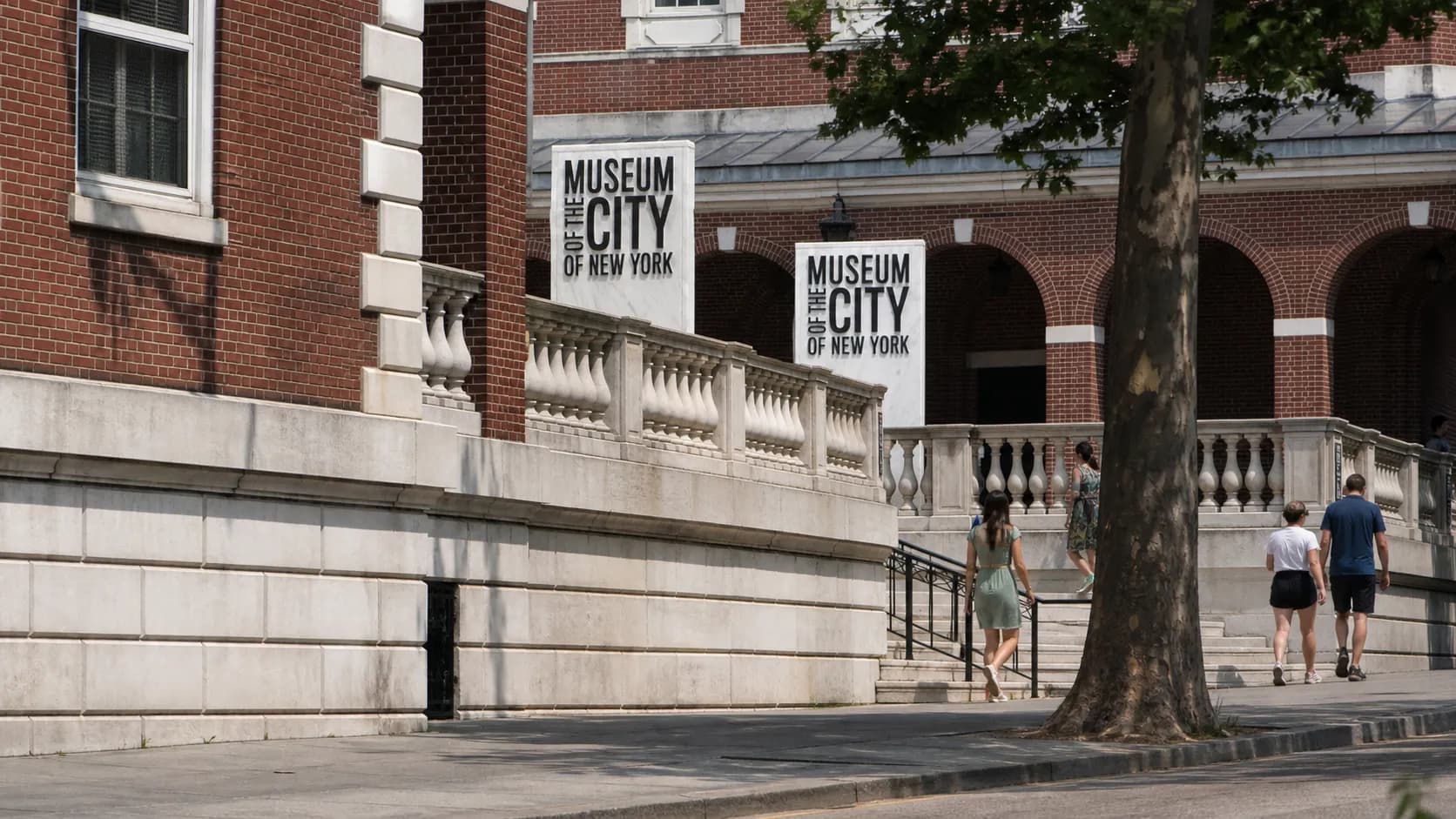
For a weekend plan with substance, the Museum of the City of New York’s exhibition “The Occupied City” is one of the most directly relevant NYC stops. The museum frames Revolutionary-era New York as a strategic site for both Patriots and the British, with the city’s choices and consequences presented as part of a contested urban story. This is not royal pageantry, but it explains why British history is embedded in New York streets: the city was not just a backdrop to the Revolution, it was a military, political, and social prize. For royal watchers, it adds useful historical grounding to modern UK–US symbolism.
NYPL’s founding-documents route on Fifth Avenue
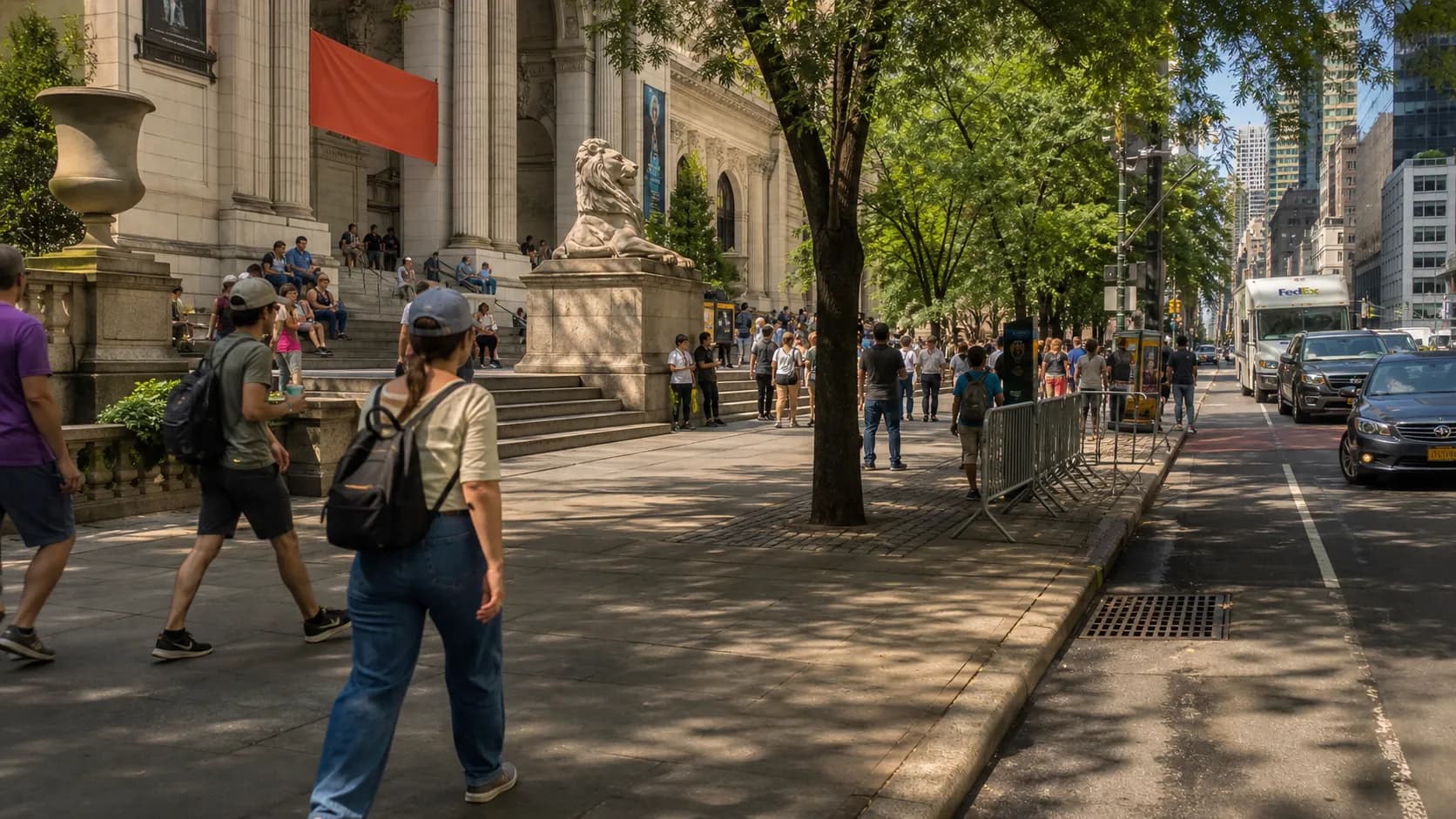
The New York Public Library’s “Declaring America: 1776 and Beyond” at the Stephen A. Schwarzman Building gives visitors another official, research-heavy way to connect the dots. NYPL says the exhibition marks the 250th anniversary of the Declaration of Independence and focuses in part on New York City’s role as a literal and intellectual battleground in the early Revolution. That framing is especially helpful for anyone tempted to reduce British-American history to royal personalities. The exhibition broadens the story to protest, founding documents, contested ideals, and public memory—exactly the kind of context that makes royal-watching less celebrity-driven and more historically literate.
Fraunces Tavern and the downtown Revolutionary loop
Fraunces Tavern Museum is a natural downtown stop because it sits in a building directly associated with Revolutionary-era New York. Its “Path to Liberty: The Emergence of a Nation” exhibition is described by the museum as a multi-year project focused on the American Revolution from 1775 to 1783, with special attention to New York State and nearby areas. Current exhibition material includes the Battle for New York and stories involving Patriots, Loyalists, and everyday people. Pair it with a walk through Lower Manhattan, but keep the itinerary anchored in public sites and posted museum information rather than vague claims about where modern royals might appear.
Brooklyn’s Battle of Brooklyn anniversary belongs on the map
The Old Stone House in Park Slope is highlighting the 250th commemoration of the Battle of Brooklyn on August 22, 2026, making it a timely add-on for anyone following British and American history in the city this summer. The site’s Revolutionary connection is local, specific, and easier to verify than most viral royal chatter. It also shifts the story beyond Manhattan: Brooklyn was central to the military drama of 1776, and the anniversary invites New Yorkers to think about landscape, retreat, occupation, and memory. If your royal curiosity begins with William and Catherine, this is where it can become a better NYC history day.
A quiet stop for modern UK–Commonwealth remembrance
For a modern connection, the Queen Elizabeth II September 11th Garden at Hanover Square is a respectful public-space stop, not a celebrity stakeout. The garden’s own mission describes it as a place reflecting the long history, shared friendship, common causes, and sacrifices of the United Kingdom, the Commonwealth, and the United States. Its history includes dedication and renaming milestones connected to British and Commonwealth remembrance after 9/11. Visit it as a quiet civic garden, especially if you are already downtown for Fraunces Tavern or the Financial District. Keep the mood reflective: this is a memorial landscape, not a photo-op backdrop.
Practical notes
Practical notes: Check royal.uk before you go, then check each institution’s own website for hours, ticketing, accessibility, bag rules, and last-entry policies; summer schedules can change. NYC’s Department of Cultural Affairs maintains a useful free-and-suggested-admission page, including city museums and cultural access programs, but always verify directly with the venue before relying on a free-hour listing. Avoid chasing motorcades, hotels, schools, restaurants, or rumored private addresses. If an official royal engagement is later announced, follow the host institution’s public guidance and NYPD street instructions, expect crowds, and build in subway time. For a low-stress weekend route, group NYPL and MCNY uptown on one day, then Fraunces Tavern and Hanover Square downtown on another.
Tags: #NYC #WeekendPlans #RoyalWatch #PrinceWilliam #KateMiddleton #PrincessOfWales #BritishHistory #NYCHistory #MuseumOfTheCityOfNewYork #NYPL #FrauncesTavern #OldStoneHouse #LowerManhattan #BrooklynHistory #VerifiedUpdates
Sources consulted: The Royal Family Royal Diary · The Royal Family Court Circular · British Consulate General New York on GOV.UK · Museum of the City of New York: The Occupied City · New York Public Library: Declaring America: 1776 and Beyond · Fraunces Tavern Museum: Path to Liberty · The Old Stone House in Brooklyn · Queen Elizabeth II September 11th Garden · NYC Department of Cultural Affairs free and suggested admission guide
All trademarks are the property of their respective owners.
Ask Karpo first
Ask Karpo before you head out if you want the latest official royal links checked again, a no-rumor itinerary built around British and Revolutionary history, or a family-friendly version that keeps walking time short and avoids crowded speculation spots.