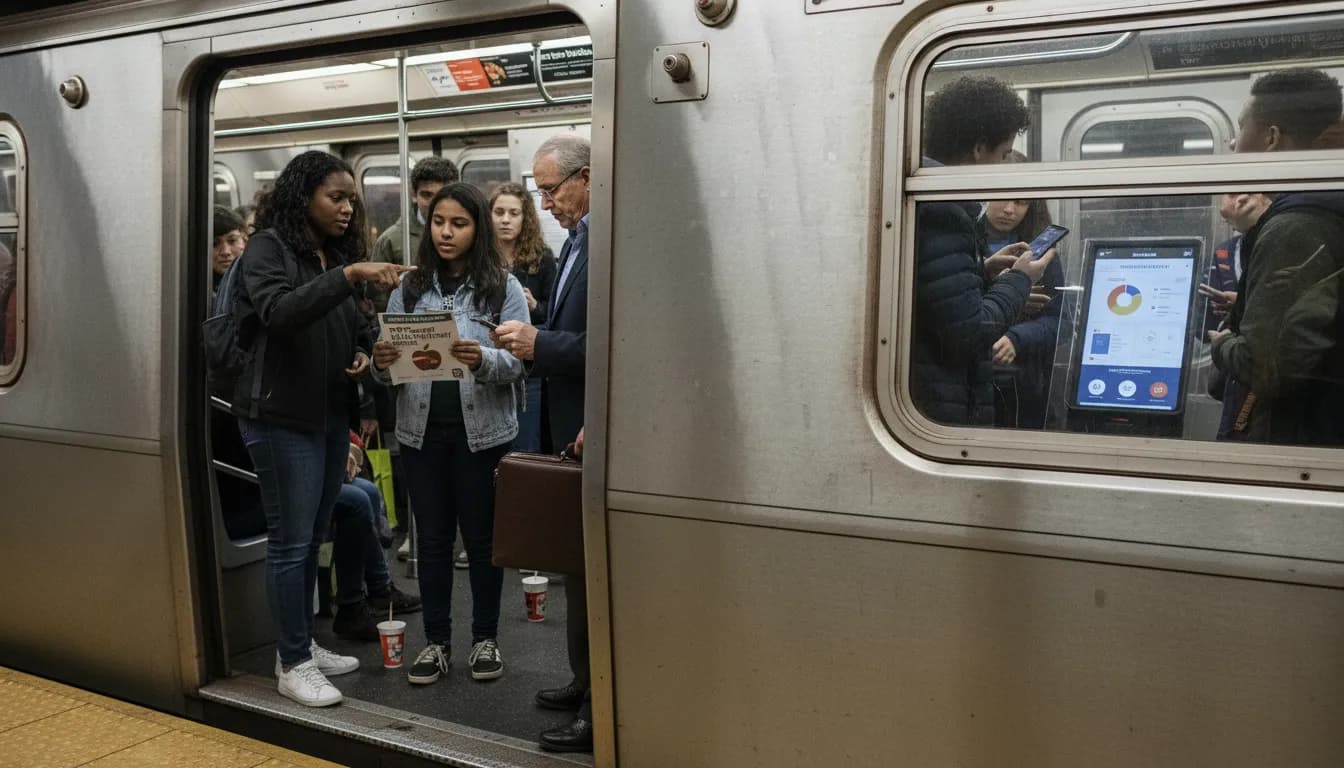
The recent surge in interest surrounding the Powerball drawing offers more than just a chance to dream big—it’s a timely reminder for New York City students to focus on budgeting and financial literacy as the new school year approaches. While winning the lottery might seem like a shortcut to wealth, real financial empowerment comes from understanding money management and planning. NYC's extensive public transit and numerous educational programs make it easier for students to access trustworthy resources, helping them build skills that last far beyond a single drawing. This article explores avenues where the excitement about the Powerball drawing can translate into meaningful back-to-school budgeting education.
Explore local workshops and free online platforms to start mastering your budget today. Don’t let the allure of quick money distract from smart financial habits.

Turning the Powerball Drawing Buzz into Budgeting Awareness
The Powerball drawing, often surrounded by hype and big dreams, can serve as a practical talking point for financial literacy in New York City. Students can use this trend to spark conversations around how money works, emphasizing that sustainable wealth comes from planning and not luck. NYC’s schools and community centers often incorporate similar current events to teach budgeting principles, making the connection relevant and engaging.
Using the Powerball drawing as a case study, educators highlight the improbability of winning and stress the importance of setting realistic financial goals. This approach helps students avoid falling for scams or schemes promising quick riches, a concern especially pertinent in a bustling metropolis like New York, where financial fraud attempts can be more prevalent.
Moreover, this trend enables families and students to discuss budgeting in everyday contexts. By comparing the lottery odds to managing allowances or part-time job earnings, young learners grasp the value of money control, encouraging mindful spending as they prepare for school expenses.
Accessible Financial Literacy Programs Across New York City
New York City offers numerous free and low-cost financial literacy resources tailored for students. Public libraries throughout Manhattan, Brooklyn, Queens, the Bronx, and Staten Island frequently host workshops focused on budgeting, saving, and avoiding debt. These venues are easily reachable via the city's vast MTA transit system, making attendance convenient for students.
Additionally, several non-profit organizations partner with schools to deliver age-appropriate financial education sessions. These programs often incorporate interactive tools and real-life scenarios, helping students learn how to manage allowances, understand credit, and plan for future expenses.
Parents and students can also access online platforms recommended by NYC educational authorities that provide comprehensive courses on personal finance. With tablet and smartphone accessibility, these resources supplement in-person learning and adapt well to busy back-to-school schedules.
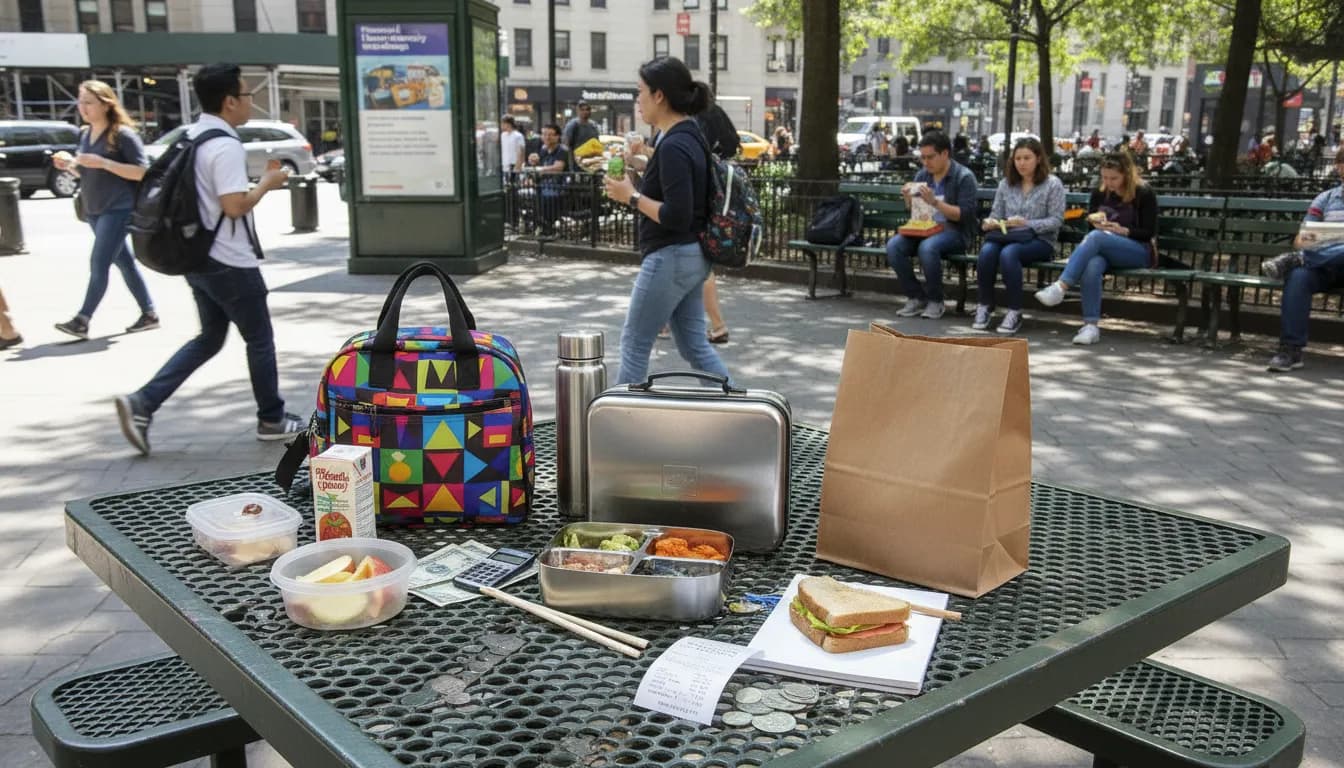
Navigating New York City Transit to Reach Budgeting Resources
Getting to financial literacy programs is streamlined by New York City’s extensive public transportation network. The MTA subway and bus lines connect students from all boroughs to community centers, libraries, and schools where budgeting workshops take place. Planning trips around school hours and avoiding rush times can make travel more comfortable and productive.
For students new to public transit, the MTA website offers accessible trip planning tools and real-time updates to reduce travel stress. Parents and students can coordinate safe, budget-friendly routes to ensure timely arrival at learning sessions, optimizing time management for back-to-school activities.
Weather and crowd considerations are essential when using transit for educational outings. Fall weather in NYC can be unpredictable, so students should dress appropriately and plan for potential delays. Early planning minimizes the impact of busy subway stations and crowded buses during peak hours.
Recognizing and Avoiding Financial Scams in Urban Settings
The excitement surrounding the Powerball drawing can sometimes lead to vulnerability, especially among young learners eager for quick financial gains. Students in New York City must be aware of common scams that promise easy money but result in losses. Teaching skepticism and verification skills is a crucial part of financial education here.
Educational programs emphasize the difference between legitimate budgeting advice and fraudulent schemes. Identifying red flags such as requests for upfront payments or unrealistic guarantees helps students and families protect themselves in a city dense with financial activity.
Parents and educators can encourage students to consult trusted sources like official government websites or NYC-based nonprofit organizations before making any financial decisions. This vigilance safeguards students' ongoing financial learning journey and nurtures responsible money habits.
Utilizing NYC Public Spaces for Budget-Friendly Learning
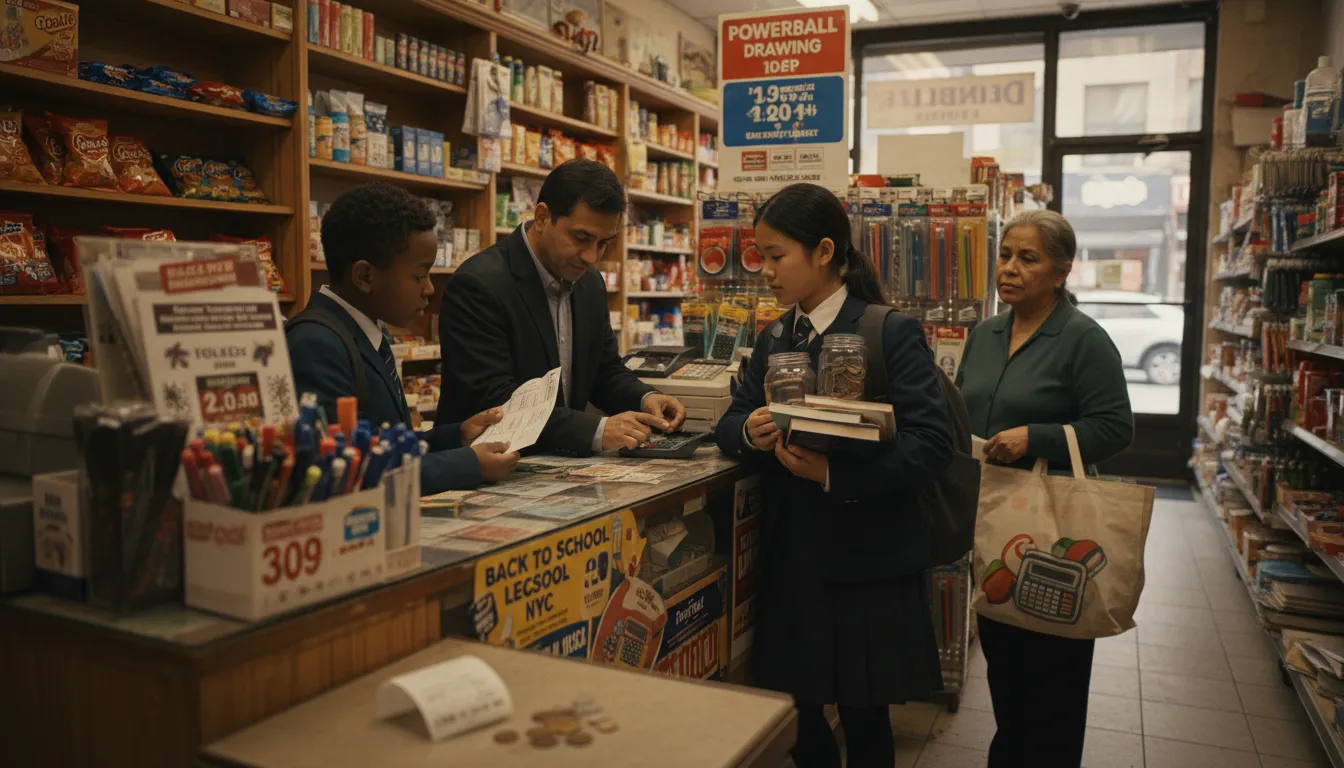
New York City’s public parks and community spaces provide excellent venues for informal financial literacy gatherings or study groups. Parks like those managed by NYC Parks often host family-friendly events that promote educational themes, including budgeting basics suitable for students preparing for school.
Using outdoor spaces helps reduce costs and create comfortable, distraction-free environments for learning. Students can join peer-led workshops or parent-sponsored sessions focused on back-to-school financial planning, making education a social and engaging experience.
Transportation to these accessible green spaces is straightforward via the MTA system, combining physical activity with financial education. As the weather cools, such venues become ideal for fostering focus and encouraging discussions on practical money management skills.
Comparing Budgeting Resources: Practical Considerations for NYC Students
When selecting budgeting and financial literacy resources in New York City, students and families face various practical factors. Programs differ widely in accessibility, with some located in easily reached community centers near major transit hubs, while others require longer commutes or rely on weekend-only schedules. Budget constraints also influence choices; many offerings are free or low-cost, but some specialized workshops can charge fees up to $30. Weather conditions play a role too, as harsh winters might limit in-person attendance, making online options an important fallback for consistent learning during unpredictable seasons.
Verification steps are crucial to ensure the reliability of these educational resources. Families should consider the credibility of instructors and the transparency of program goals. Comparing class durations and formats—such as interactive sessions versus lecture-style approaches—can help students find what aligns best with their learning preferences and time availability. Transit options vary, with some locations conveniently served by multiple subway lines and buses, while others require additional walking or transfers, affecting planning for after-school or weekend attendance. Weighing these factors ensures that students can maximize their engagement without compromising convenience or budget.
Practical notes
When planning visits to New York City’s financial literacy workshops or public learning spaces, consider transit schedules available through the MTA to avoid peak-hour crowds and delays. Fall weather can be variable, so layering clothes is advisable for outdoor activities. Be cautious of any unsolicited financial advice, especially offers linked to lottery winnings or quick cash promises. Consult official sources for program details and verify legitimacy before participation. These steps ensure a safe, productive, and budget-conscious learning experience.
Tags: #PowerballDrawing #BackToSchool #FinancialLiteracy #NYCStudents #BudgetingBasics #MTA #NYCParks #YouthFinance #MoneyManagement #SchoolBudget #StudentResources #NYCEducation #AvoidScams #SmartSpending #CommunityLearning
Sources consulted: MTA · NYC Tourism · NYC Parks
All trademarks are the property of their respective owners.
Ask Karpo first
Have questions about navigating back-to-school budgeting resources in NYC? Ask Karpo first for tailored guidance on financial literacy programs and transit options that fit your schedule and needs.