 Where to Eat Near Penn Station That Isn't a Chain
US Open 2026
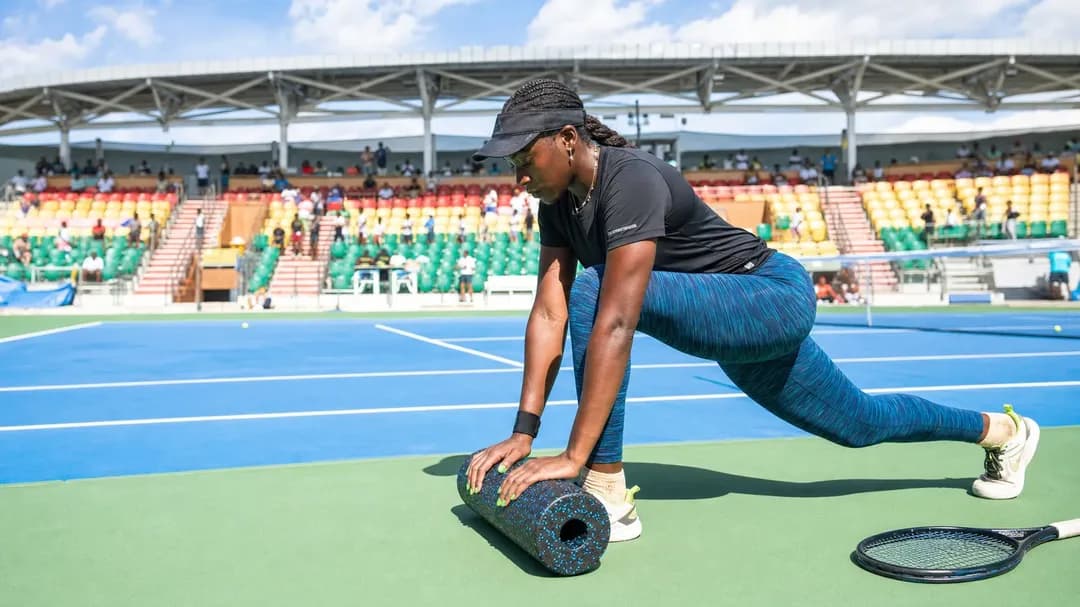
Post-Wimbledon Fitness Questions That Matter Before the US Open
Wimbledon can reveal form, nerve, and problem-solving, but US Open expectations need a hard-court filter before anyone overreacts to grass results.
The weeks after Wimbledon are a tempting time to make loud US Open predictions, especially for fans planning a late-summer trip to New York. The problem is that Wimbledon answers some important questions and leaves others almost untouched. It can show who handled pressure, who solved matches over multiple sets, who moved with purpose, and who looked physically durable under Grand Slam stress. It cannot, by itself, tell you who will thrive on hard courts, handle New York’s bounce, or manage the different rhythm of late-August tennis. The smarter approach is to treat Wimbledon as a translation document, not a prophecy. Confirmed grass-court results are evidence. Conclusions about the US Open are analysis, and they need a surface adjustment.
Text Karpo Now: Tell us what matters most for Post Wimbledon Fitness Questions That Matter, and Karpo can turn current US Open updates into a practical plan before you go.
What Wimbledon Really Measures
Wimbledon is useful because it compresses pressure. Players face short points, fast score swings, and fewer comfortable rallies than they might see on many hard courts. A confident service game can create scoreboard control, while one loose return game can decide a set. That environment tests emotional discipline. If a player repeatedly protects leads, recovers after losing a tiebreak, or stays composed when the crowd senses momentum, that matters beyond grass. Pressure management is one of the most transferable Grand Slam skills.
Fitness signals also matter, but they require careful reading. A player who moves cleanly through long matches, bends well on low balls, and keeps serve speed or rally tolerance late in sets is showing useful physical resilience. Still, grass movement is unique. It rewards short adjustment steps, balance on lower contact points, and comfort changing direction on a slicker surface. Looking fresh at Wimbledon does not automatically mean a player will look equally fresh grinding through longer hard-court exchanges in New York.
Signals That Travel
Some Wimbledon clues do travel well. The best ones are not about the grass itself; they are about repeatable habits. Serve location under stress, first-strike clarity, return positioning, shot tolerance when a match tightens, and the ability to make tactical adjustments are all relevant on hard courts. A player who wins points in different ways is easier to trust than one whose results depend on a single surface-specific pattern.
- Late-set serving: holding shape at 4-4 or 5-5 is a pressure signal, not just a grass signal.
- Return problem-solving: changing depth, angle, or starting position can translate to hard courts.
- Physical repeatability: consistent footwork deep into matches is more meaningful than one explosive highlight.
- Emotional reset speed: recovering after a bad game often matters as much as winning cleanly.
For US tennis fans, this is the middle ground between hype and dismissal. Wimbledon can elevate a player’s credibility if the performance was built on sound decisions and reliable body language. It should not elevate expectations solely because the player served through grass matches efficiently. New York usually asks for more neutral-ball patience, more defense-to-offense transitions, and more tolerance for extended baseline pressure.
Signals That Mislead
The most misleading Wimbledon takeaway is assuming that clean grass-court attacking equals hard-court dominance. Grass can reward low-margin aggression when the ball stays low and opponents have less time to defend. On a hard court, that same shot selection may come back more often. A player who looked untouchable behind a serve and first forehand may face more neutral rallies in New York, especially against opponents who return deeper and defend wider.
The opposite mistake is also common. A disappointing Wimbledon does not always mean a poor US Open outlook. Some players are less comfortable on grass because the movement, bounce, and point structure do not match their strengths. A baseline player who needs rhythm may look hurried in London and far more settled on hard courts. That does not guarantee improvement, but it does mean the surface context matters. Before drawing conclusions, ask whether the result exposed a general problem or merely a grass-specific mismatch.
Fitness interpretation can be especially tricky. Visible fatigue at Wimbledon may reflect a long match, awkward movement, or pressure rather than a confirmed physical issue. Without official medical information, it is not responsible to label a player injured or predict recovery timing. What fans can evaluate is observable performance: whether movement declined, whether serve mechanics changed, whether rally decisions became more rushed, and whether the player’s level dropped only temporarily or across several matches.
New York Translation Questions
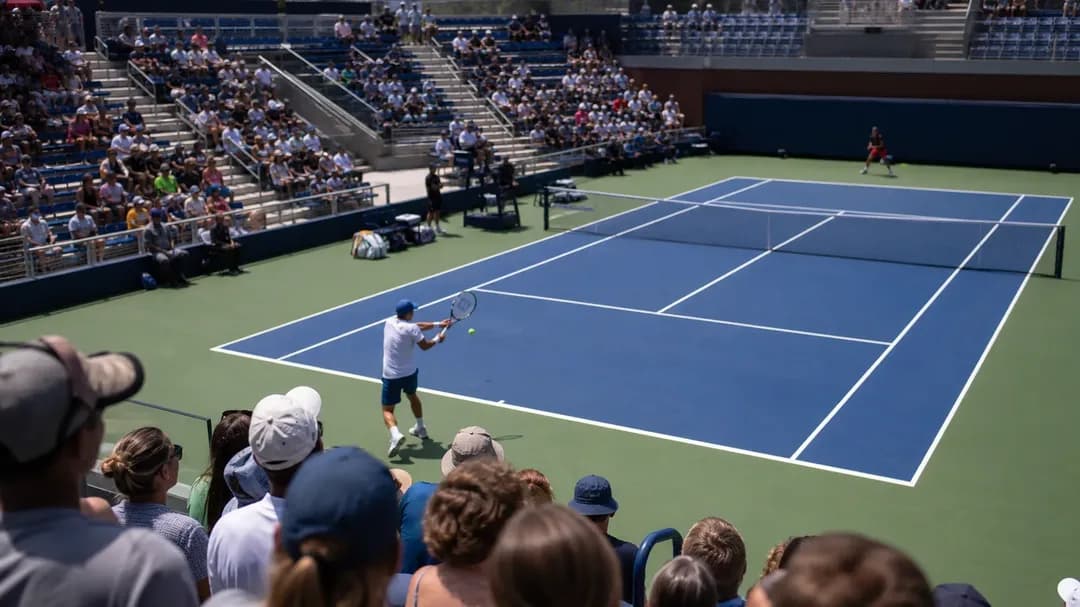
A better post-Wimbledon exercise is to ask translation questions. How will a player’s serve-plus-one pattern work when returns sit up higher? Can a slice that skids on grass still create discomfort on a hard court, or does it become a neutral ball? Does a player’s defensive speed look surface-proof, or was it helped by shorter rallies? These questions turn Wimbledon from a prediction machine into a scouting report.
- Did the player win only with serve dominance, or also through baseline exchanges?
- Was the return game built on reading serves, blocking low balls, or creating depth?
- Did the player manage momentum calmly when a set became tight?
- Were any physical concerns confirmed, or only inferred from performance?
For New York visitors, this matters because fan expectations shape the live experience. A big Wimbledon run may make a player more interesting to watch, but it should not be treated as a promise of another deep Slam. Conversely, a quiet Wimbledon can hide a player who is much more watchable on hard courts. Official US Open player information and event schedules should be used to confirm listings and session timing, not to assume results.
Tactically, hard courts often reward balanced aggression. Players need enough power to take time away, but enough patience to withstand longer exchanges. The performances worth monitoring after Wimbledon are usually those that showed more than one route through a match: serving well, returning with intention, defending without panic, and changing patterns before opponents settled. That combination is more useful than a single clean scoreline.
Practical Notes
If you are planning around the US Open, keep decisions flexible until official player and schedule information is available and current. Use Wimbledon as a watchlist tool: identify players whose form, composure, or fitness looked convincing, then recheck official US Open pages before building an itinerary around them. For live sessions, think in categories rather than guarantees: power servers, elite movers, rising attackers, or veterans who manage pressure well. Day sessions can feel different from night sessions for spectators, so plan transportation, meals, sunscreen, and recovery time as carefully as match preferences. Most importantly, do not buy into certainty. Grass results can sharpen your eye, but New York will ask its own questions.
Tags: #USOpen2026 #Tennis #GrandSlam #NewYorkTennis #ArthurAsheStadium #FlushingMeadows #USOpenGuide #TennisFans #SportsTravel #HardCourt #NewYork #KarpoFinds
Sources consulted: wimbledon.com — Official reference · usopen.org — Official reference · usopen.org — Official reference
All trademarks are the property of their respective owners.
Ask Karpo first
Want to know what is confirmed, when to show up, and how to make post wimbledon fitness questions that matter work for your day? Ask Karpo for current US Open updates, a respectful fan plan, and a live route around Flushing Meadows.
Ask Karpo for more information.
Keep reading
- Where to Eat Near Penn Station That Isn't a Chain
 Andytown Coffee in the Outer Sunset: The Snowy Plover Explained
- Best Things to Do in Chicago: What the City Gives Away