The Question That Haunts American Soccer
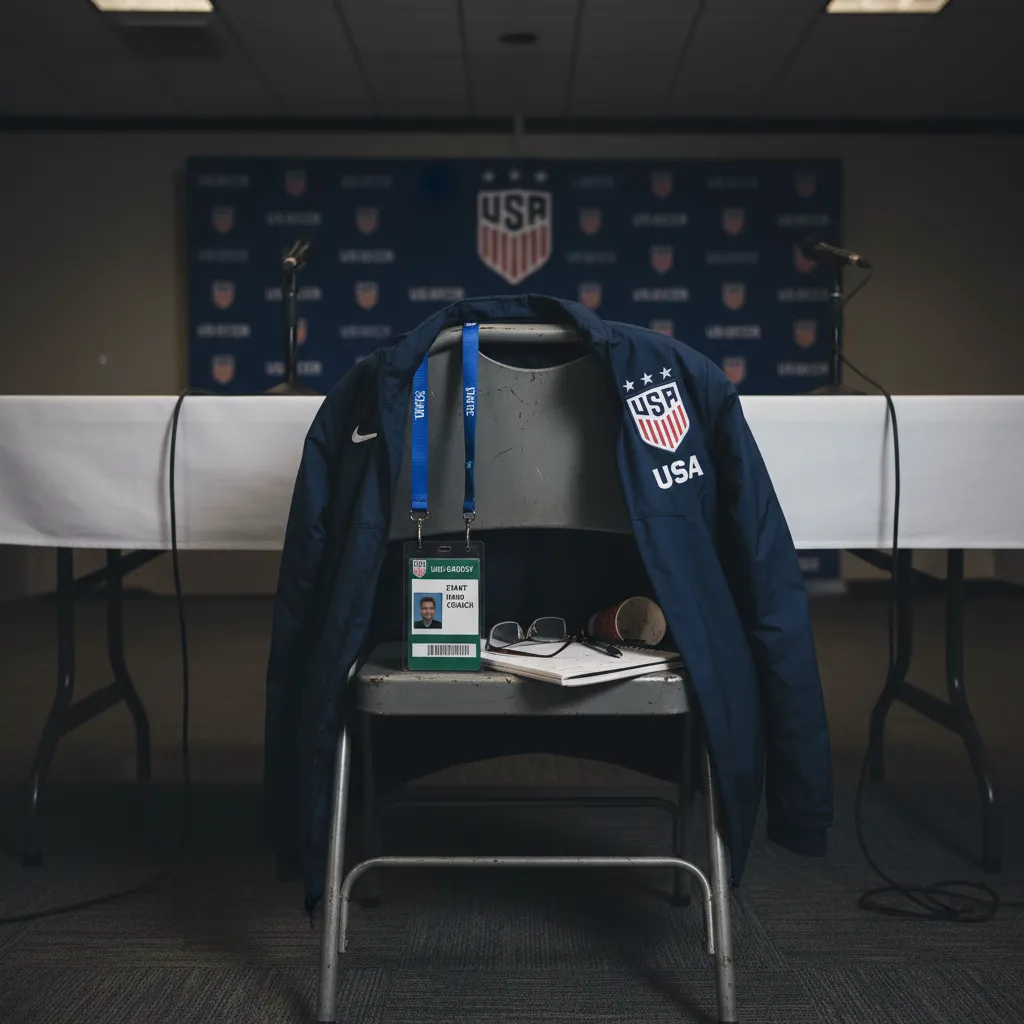
Three days after the United States' elimination from their own World Cup, Mauricio Pochettino sat alone in the USMNT's team hotel in New Jersey, his phone silent, his future uncertain. The Argentine coach, hired in September 2024 with a specific mandate to deliver a quarterfinal appearance at the home World Cup, had fallen short in the most painful way possible — a group-stage exit that saw the US finish third behind England and Japan in Group B. The question now consuming American soccer is straightforward but politically charged: should Pochettino stay, or has the World Cup failure ended his American experiment before it properly began?
Wondering what's next for the USMNT? Text Karpo for coaching updates, player reactions, and post-World Cup analysis.
The Numbers Tell a Complicated Story
Pochettino's record as USMNT coach is genuinely difficult to evaluate. In 22 months in charge, his overall record reads 14 wins, 6 draws, and 8 losses — a win rate of 50 percent that is below the standard set by predecessors Jurgen Klinsmann (56 percent) and Gregg Berhalter (61 percent). But the context matters. Pochettino inherited a squad in transition after Berhalter's dismissal, integrated 11 new players into the program, and oversaw a tactical transformation from Berhalter's possession-based system to a high-pressing counter-attacking style that produced some of the most exciting football the USMNT had ever played. The 3-1 friendly victory over Germany in March 2026 was described by ESPN as "the best USMNT performance in a generation."
What Went Wrong at the World Cup
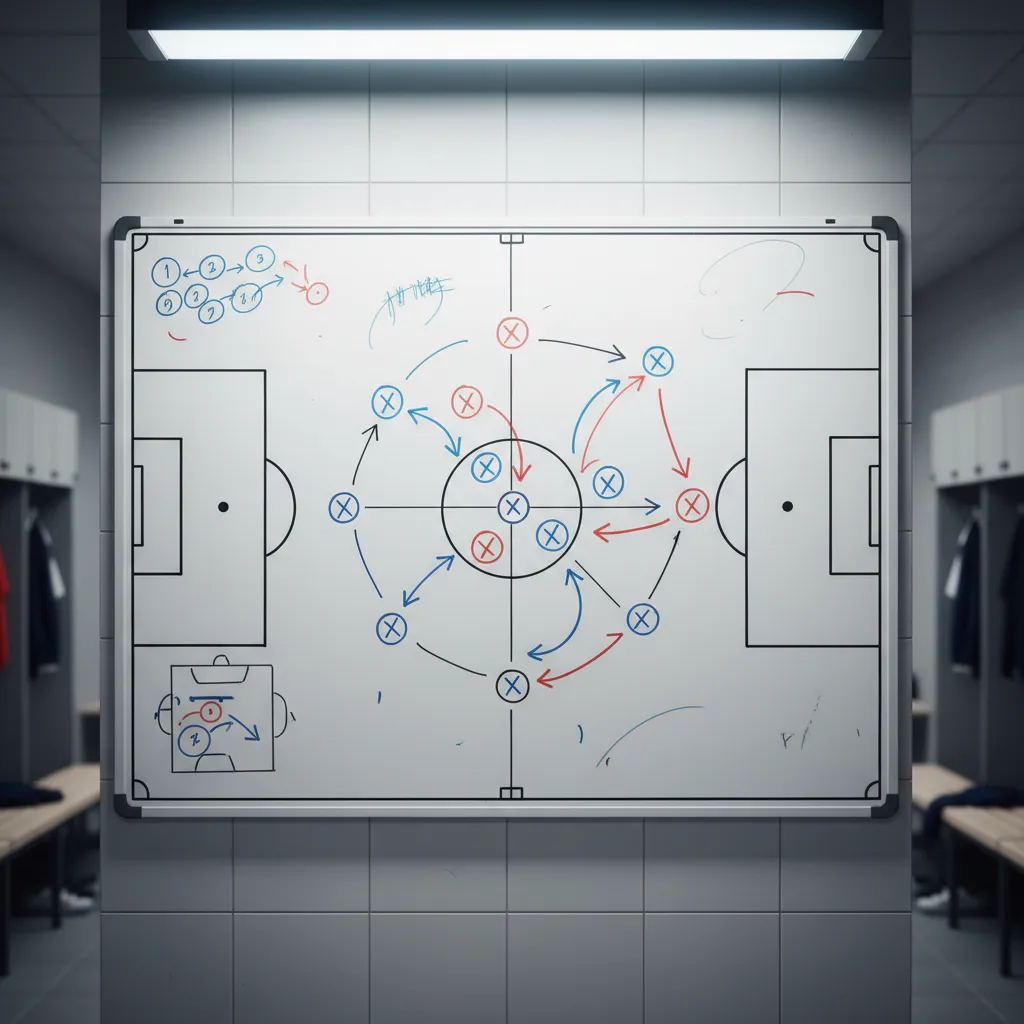
The World Cup campaign can be divided into three phases: promising, disappointing, and catastrophic. The opening 2-2 draw against Japan, in which the US twice came from behind, showed both the resilience and the defensive fragility that would define the tournament. The 1-0 defeat to England, settled by Kane's 72nd-minute penalty, was a match the US deserved to draw but lacked the quality to win. The fatal blow came in the final group match against Senegal, a 2-1 defeat in which the US needed only a draw to advance but conceded twice from set pieces — the same defensive weakness that Pochettino had failed to address throughout his tenure.
The Trump Factor
The political dimension of Pochettino's future cannot be ignored. President Trump, who attended the US-Senegal match and was photographed consoling players afterward, has publicly commented on the team's performance and coaching decisions — a level of presidential involvement in soccer that is unprecedented in American history. Trump's relationship with Pochettino has been described by White House sources as "cordial but distant," and the president's preference for American-born coaches has been widely reported. Whether political pressure will influence US Soccer's decision remains unclear, but the possibility has been discussed openly in American media.
The Players' Perspective
USMNT players have been notably reluctant to discuss Pochettino's future publicly, but private sentiments have leaked through unnamed sources. The consensus, according to reports in The Athletic, is that players respect Pochettino's tactical knowledge and training methods but have found his communication style — intense, demanding, and occasionally confrontational — difficult to reconcile with the more collaborative approach they experienced under previous coaches. Christian Pulisic, the team's captain and most influential voice, declined to comment on Pochettino's future but said: "The coach is not the reason we went out. The players are. We didn't perform when it mattered."
US Soccer's Decision Timeline
US Soccer Federation president Cindy Parlow Cone has indicated that a decision on Pochettino's future will be made within 30 days of the team's elimination. The federation's board of directors is reportedly split: one faction favors retaining Pochettino to continue the tactical rebuild with an eye toward the 2028 Olympics and 2030 World Cup, while another faction wants a clean break and an American-born coach who better understands the cultural landscape of US soccer. The financial implications are significant — Pochettino's contract, reportedly worth $6 million per year, includes a $4 million buyout clause that the federation would prefer to avoid.
What Comes Next for American Soccer
Regardless of Pochettino's future, the 2026 World Cup has exposed structural issues in American soccer that go beyond coaching. The player development pathway, the MLS salary structure, the relationship between club and country, and the cultural expectations of a home World Cup all need addressing. The US produced its most talented squad in history — Pulisic, Weston McKennie, Tyler Adams, Gio Reyna — and still failed to advance beyond the group stage. The problem may not be the coach. The problem may be the system that produced both the talent and the limitations of this generation of American players.
Tags: Pochettino, USMNT, World Cup 2026, US Soccer, coaching future, elimination, home World Cup, Pulisic, American soccer, group stage exit
Sources consulted: ESPN · The Athletic · Fox Sports · CBS Sports
All trademarks, team names, league names, and player likenesses mentioned in this article are the property of their respective owners and are used here for informational and editorial purposes only.
Ask Karpo First
Following the USMNT coaching saga? Ask Karpo for Pochettino's full record as USMNT coach, the latest contract negotiations updates, and a comparison of potential replacement candidates.