Miami is one of the easier American cities to eat out in with children, and the reason is cultural rather than a matter of restaurants making accommodations. Latin American and Caribbean dining is family dining: children are at the table on a Saturday night as a matter of course, a pram in a dining room surprises nobody, and the kitchens are built for volume so food arrives fast. That last point matters more than everything else combined.
Speed of service and shade matter more than a children's menu. Ask Karpo which nearby rooms deliver both.
The formats that work
The Cuban cafeteria is the strongest option in the county. Large room, long menu, fast kitchen, and dishes — roast chicken, ropa vieja, rice, beans, sweet plantain — that almost every child will eat something from. Food arrives in ten to fifteen minutes rather than forty, which is the single most important variable when a four-year-old is involved.
The fritanga, the Nicaraguan buffet-by-weight counter in Sweetwater and West Miami, is faster still: you point, they weigh, you sit. Nobody waits and picky eaters choose for themselves. Food halls do the same job with more variety. Between the three, most family meals in Miami are a solved problem before you have chosen a restaurant.
Neighbourhoods to aim for
Coral Gables and South Miami have the highest concentration of family-friendly sit-down restaurants with outdoor space, and the Gables is walkable in a way most of the county is not — a meal there combines with a fountain, a bookshop and a park without getting back in the car. Coconut Grove works the same way, with a waterfront park attached.
Doral and Kendall have the large Latin American family restaurants — Venezuelan, Colombian, Peruvian, Argentine — several with genuine play areas. Hialeah has the same food at lower prices. On the Beach, the residential blocks north of Lincoln Road are far more workable than anything on Ocean Drive, which is the least child-friendly stretch in the county.
Timing
Miami eats late. A restaurant that is calm at six is at capacity at nine, and the difference for a family is enormous. Arriving at five-thirty or six means an empty room, immediate seating and a relaxed server, and it means finishing before the point at which a tired child stops being reasonable.
Sunday lunch is the native family window and it is a genuinely nice thing to join. Cuban and Venezuelan restaurants fill with multi-generational tables between one and three, children are everywhere, and the atmosphere is at its most forgiving. If you want Miami at its warmest, that is the meal to aim for rather than dinner.
The shade and weather problem
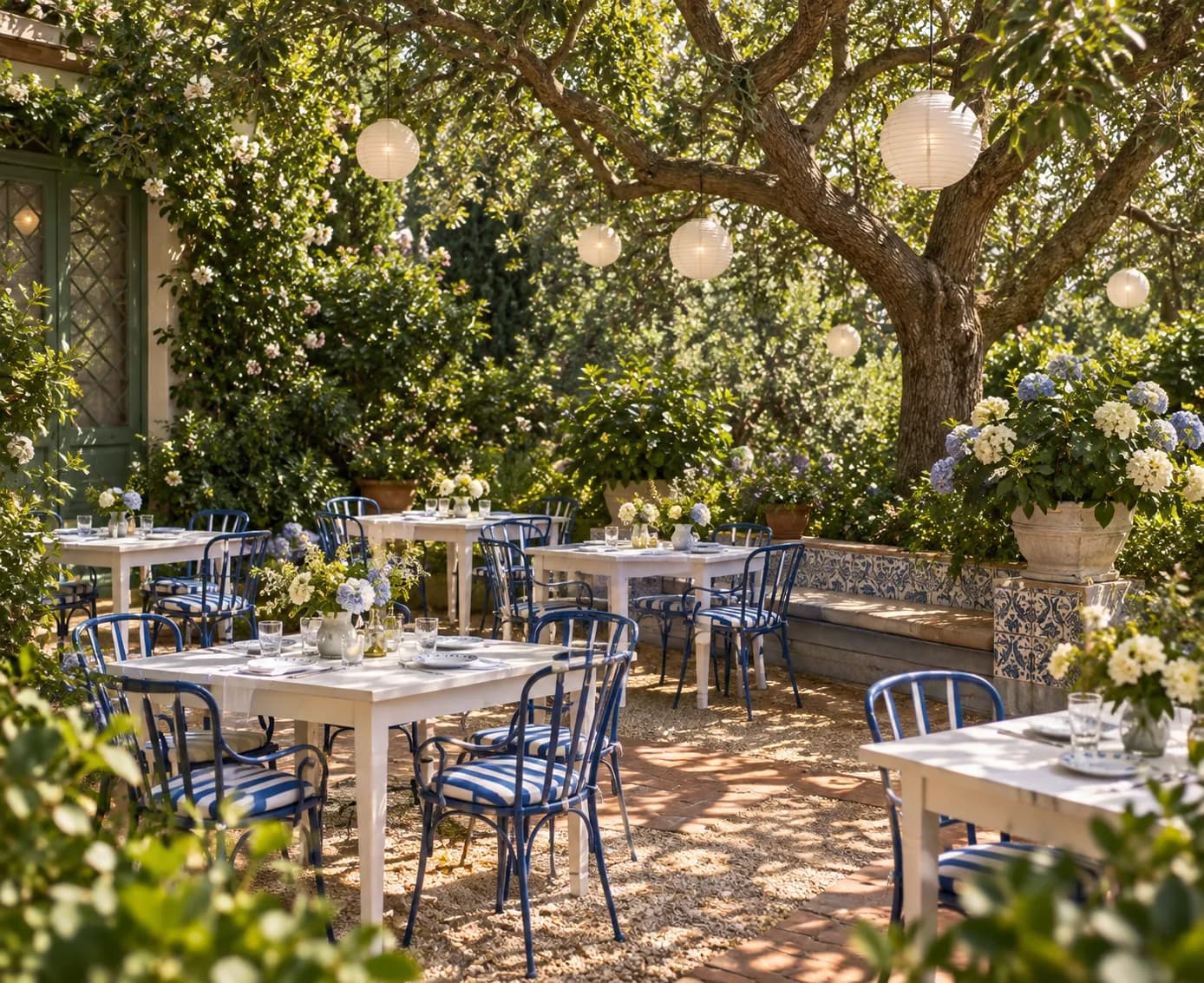
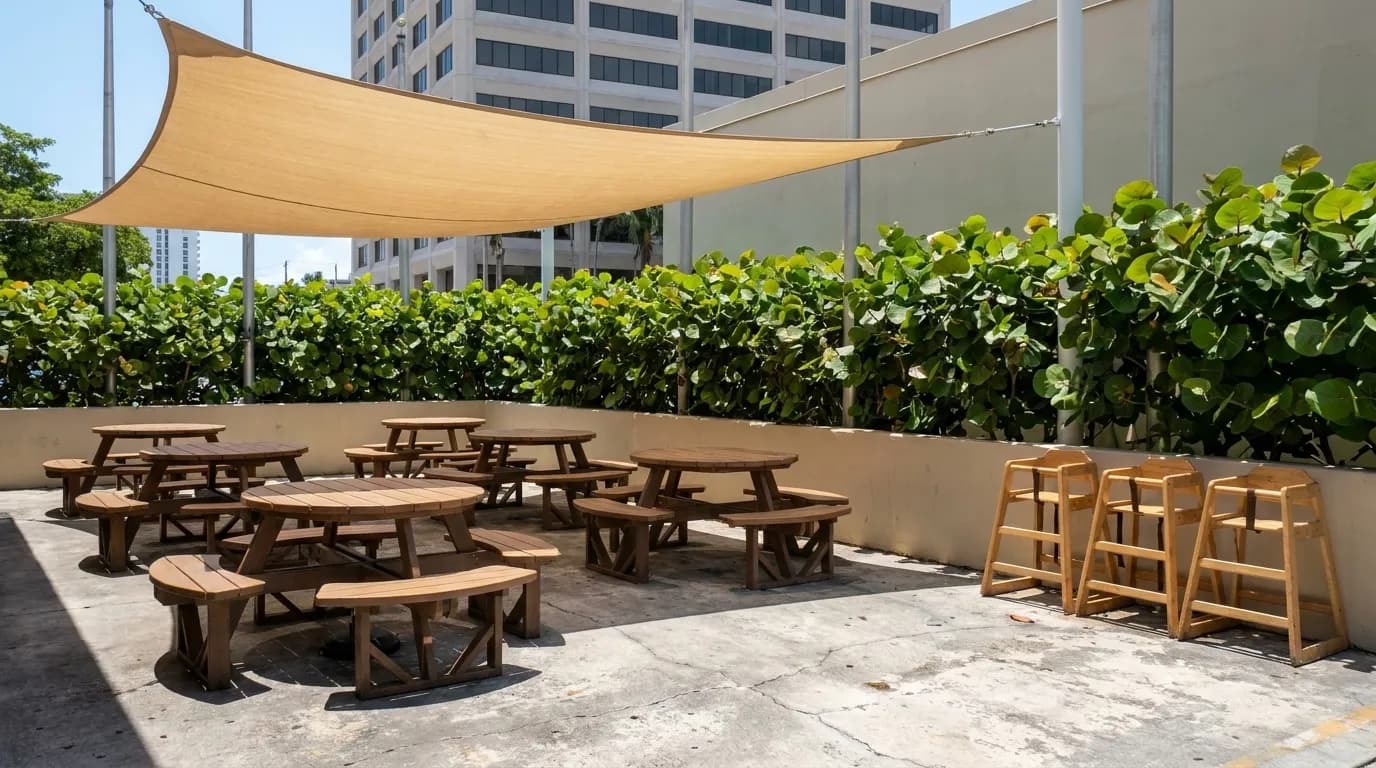
Outdoor seating is abundant and solves most noise problems, but the climate is a real constraint. From June through September afternoon thunderstorms arrive most days, usually clearing within an hour. Between roughly eleven and four in summer, direct sun is genuinely dangerous for small children without shade. The practical version: shaded terraces, eat outside in the evening rather than the middle of the day, and choose somewhere with an indoor room to retreat to.
The related point is that many of the best family options here are attached to a park rather than to a restaurant district. A cafeteria or bakery beside a shaded playground, where the meal takes twenty minutes and the park takes an hour, is frequently a better plan than an actual restaurant.
What children will actually eat
Latin American menus are unusually unthreatening. Rice, black beans, sweet fried plantain, roast chicken, grilled steak, breaded chicken cutlets, cheese arepas, empanadas, tostones and flan cover almost every child's range, and none of it is spicy by default — Cuban and Venezuelan cooking is seasoned rather than hot. Batidos, the tropical fruit milkshakes on almost every cafeteria menu, do more for parental goodwill than anything else on the table.
Bakeries are the other underrated option, and Miami has hundreds. A panadería is fast, cheap, open from early morning and stocked with pastelitos, cheese bread and croquetas that a child will eat without negotiation. On a day with a lot of driving, a fifteen-minute bakery stop is frequently the right answer.
Ice cream and the after-dinner problem
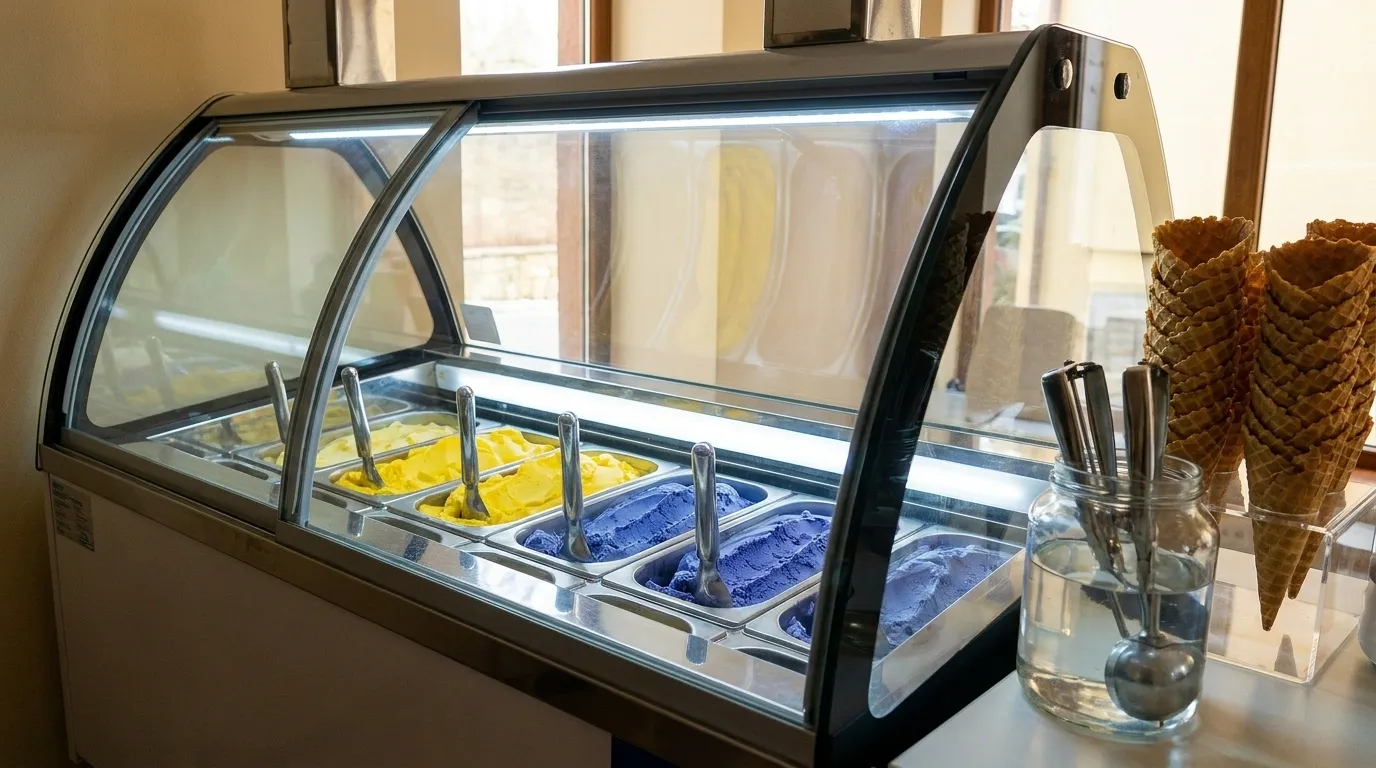
One local specific worth planning for: Miami has an excellent ice cream and paleta culture, and it runs late. Argentine and Italian gelaterias, Cuban and Nicaraguan ice cream parlours, and paleta carts in the parks all operate well past when a child would normally be in bed, and a walk to one after dinner is a standard part of a family evening here. It also solves the dessert problem in a restaurant, which is usually where a long meal goes wrong — skip it at the table, walk somewhere, and everyone is happier.
One more thing that helps: the beach and the parks. Miami's public spaces are the release valve for a long meal, and almost every neighbourhood here has a park, a plaza or a stretch of waterfront within a few minutes of the restaurants. Building twenty minutes of running around into the plan, before or after eating, changes the whole experience for everyone at the table.
Practical notes
High chairs are common but not universal at the smaller counters and a fritanga will not have one, so call ahead if you need one. Most Latin restaurants will bring a plain rice-and-plantain plate for a child on request even without a children's menu, and it costs very little. An automatic service charge for larger parties is common here, so check the bill before tipping again. Parking is free and easy almost everywhere except the Beach and the Grove at weekends. And bring a layer — restaurant air conditioning in Miami is set aggressively cold.
Tags: #Miami #MiamiFood #FamilyDining #KidFriendly #PlacesToEat #CoralGables #CoconutGrove #Doral #Kendall #Sweetwater #Hialeah #FoodNearMe #MiamiEats #WeekendPlans
All trademarks are the property of their respective owners.
Ask Karpo first
Want to know which family-friendly rooms near you can seat you now, which have shade or a play area, and how fast the food arrives? Ask Karpo before everyone gets hungry.