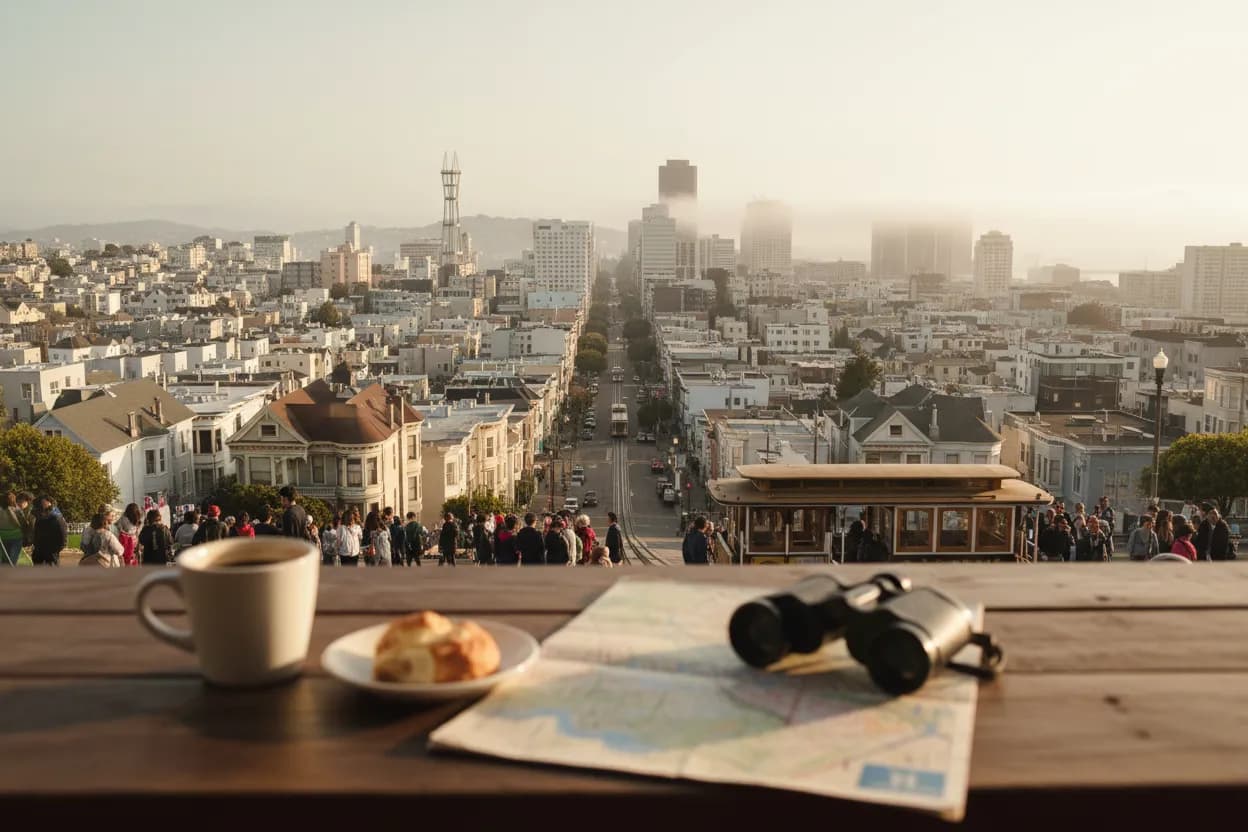
The phrase phillies vs cardinals may be what brought you here, but this San Francisco plan does not pretend that a national sports search equals a local event. Treat it as a timing cue: people are looking for something to do, some screens may be on, and weekend foot traffic can bunch up around dining streets, transit stops, and public happenings. The better move is to build a small, verifiable day that can survive delays, crowds, and changing access. For the weekend after Tuesday, August 11, 2026, start with official SFMTA tools, check live travel updates, choose one public anchor, and keep a backup within the same part of the city so you are not crossing San Francisco just to rescue the afternoon.
Want a calmer San Francisco weekend plan before you step onto Muni? Text Karpo with your start point, energy level, and backup needs, and ask for a verified route.

Separate the headline from the local plan
Use phillies vs cardinals as a search hook, not as evidence of anything happening in San Francisco. Unless an official venue, team, city agency, or transit source confirms a local activity, do not build your day around assumptions about appearances, watch parties, special access, or guaranteed screenings. The safest local interpretation is simple: it is a timely sports topic, and it may overlap with people’s weekend planning.
That distinction matters because a low-stress city plan depends on what you can verify. SFMTA’s site provides trip planning across Muni, walking, biking, driving, and parking, plus route and stop information. It also posts alerts and travel and transit updates. Those are the kinds of sources to check before deciding whether to ride, walk, or switch neighborhoods.
If a visitor information page is slow, blocked by security verification, or otherwise not immediately readable, do not treat that as confirmation of details. Move back to the official agency pages that show live or dated transportation information, then make the plan smaller.
Choose one anchor that fits the actual mood
For a weekend plan with minimal drama, choose one public anchor rather than three ambitious stops. A practical candidate is the Hayes Valley area, because SFMTA lists “Hayes Valley Shared Spaces: Fridays & Saturdays, August 2026” under travel and transit updates. That does not tell you everything you need to know, so it should be treated as a prompt to check the official update before leaving, not as a blanket guarantee of conditions.
The mood here should be flexible: a late morning or afternoon walk, a meal or coffee nearby, and time to pause if sidewalks or transit feel busier than expected. Do not overcommit to reservations, distant add-ons, or tight transfers unless you have confirmed them directly with the operator or venue.
If you are meeting friends, define the anchor in plain language: one neighborhood, one meeting corner or transit stop, one backup. That keeps the group from turning a casual Saturday into a chain of location changes.
Use timing and transit to cut decision fatigue
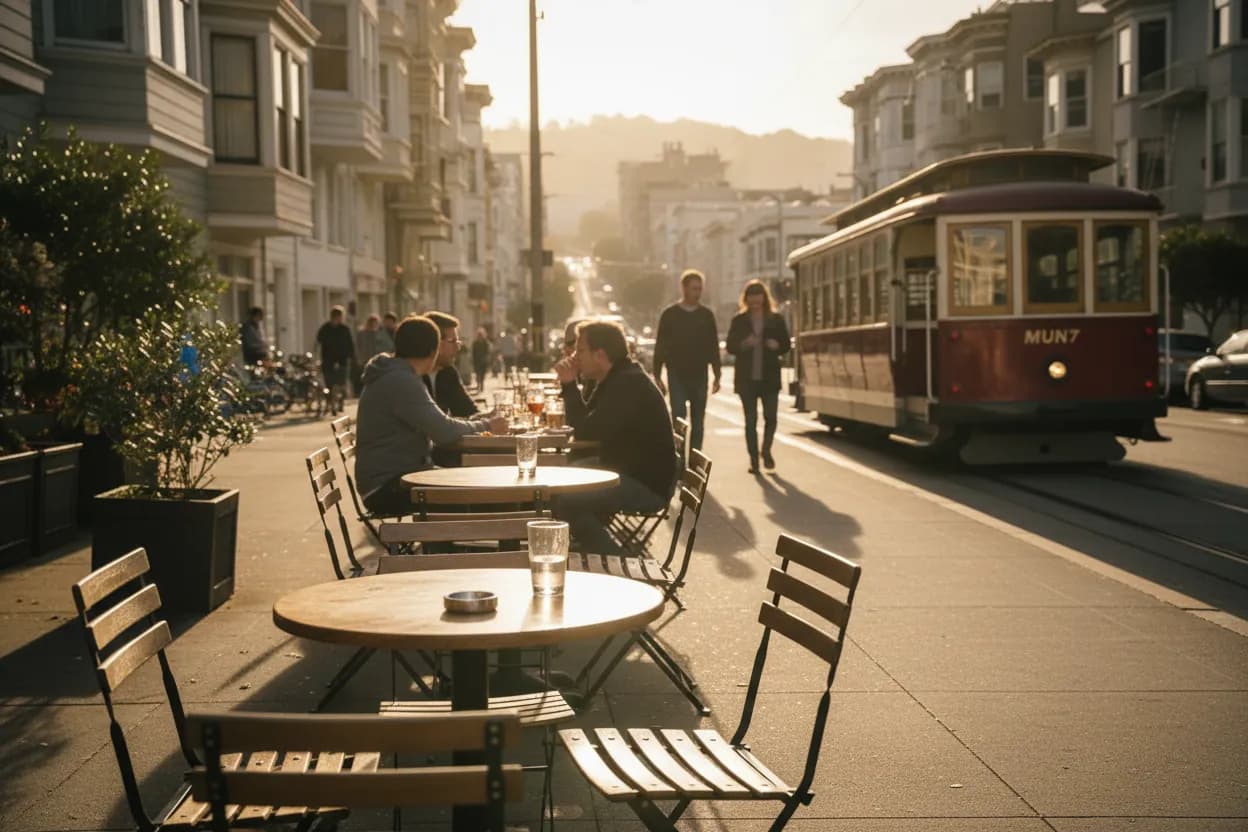
Before you leave, open the SFMTA Trip Planner and compare Muni, walking, biking, and driving options from your real starting point. San Francisco trips that look short on a map can feel very different depending on hills, transfers, crowding, and service alerts. The goal is not to find the cleverest route; it is to find the route you can still tolerate if the first leg takes longer than expected.
Build the day in blocks. First block: travel to the anchor. Second block: walk, eat, browse, or sit without a hard deadline. Third block: decide whether to stay, shift to the backup, or go home. This structure works especially well when a sports headline has people loosely looking for bars, food, or casual screens without a confirmed destination.
SFMTA’s homepage also shows alerts and recent travel updates, so check it close to departure rather than relying on a route you saved earlier in the week. The extract available on August 11 showed an alert history and upcoming agency calendar items, which is a reminder that conditions can change.
Add one indoor or lower-energy alternative
A low-stress plan needs a backup that is not a total restart. If Hayes Valley feels too crowded, too loud, or too weather-exposed, choose an indoor or lower-energy option nearby before you leave home. That could be a quiet café, a lobby-adjacent meeting point, a bookstore-style stop, or another public-facing place you have personally verified. Do not rely on assumed hours or availability.
For a park-based alternative elsewhere in the city, verify current access on the official San Francisco Recreation and Parks Department site before making it the plan. The available source extract only confirms that changing details should be checked on sfrecpark.org because the page rendering failed during retrieval. That is enough to justify verification, not enough to claim specific park hours, closures, amenities, or programming.
The backup should be lower effort than the anchor. If it requires another long ride, another parking search, or another unverified event page, it is not a backup; it is a second plan competing for your attention.
Keep the route small enough to enjoy
The best San Francisco weekend plans often win by refusing to sprawl. Pick a corridor, not the whole city. If your anchor is Hayes Valley, keep the walk compact and let the day breathe. If your group wants to watch scores, talk baseball, or keep an eye on phillies vs cardinals chatter, make that a casual layer rather than the organizing promise of the day.
Crowd risk is not only about official events. It can come from warm weather, restaurant demand, school-year transitions, transit delays, or a street update that changes how people move through a block. SFMTA’s travel and transit updates are useful because they alert you to transportation-related conditions without asking you to guess from social media.
Set an exit rule before arrival: if the first location is packed, give it ten minutes, then switch to the backup. If transit alerts start stacking up, skip the extra stop. If someone in the group is tired, end on a successful short day instead of forcing the itinerary.
Verify live access before leaving
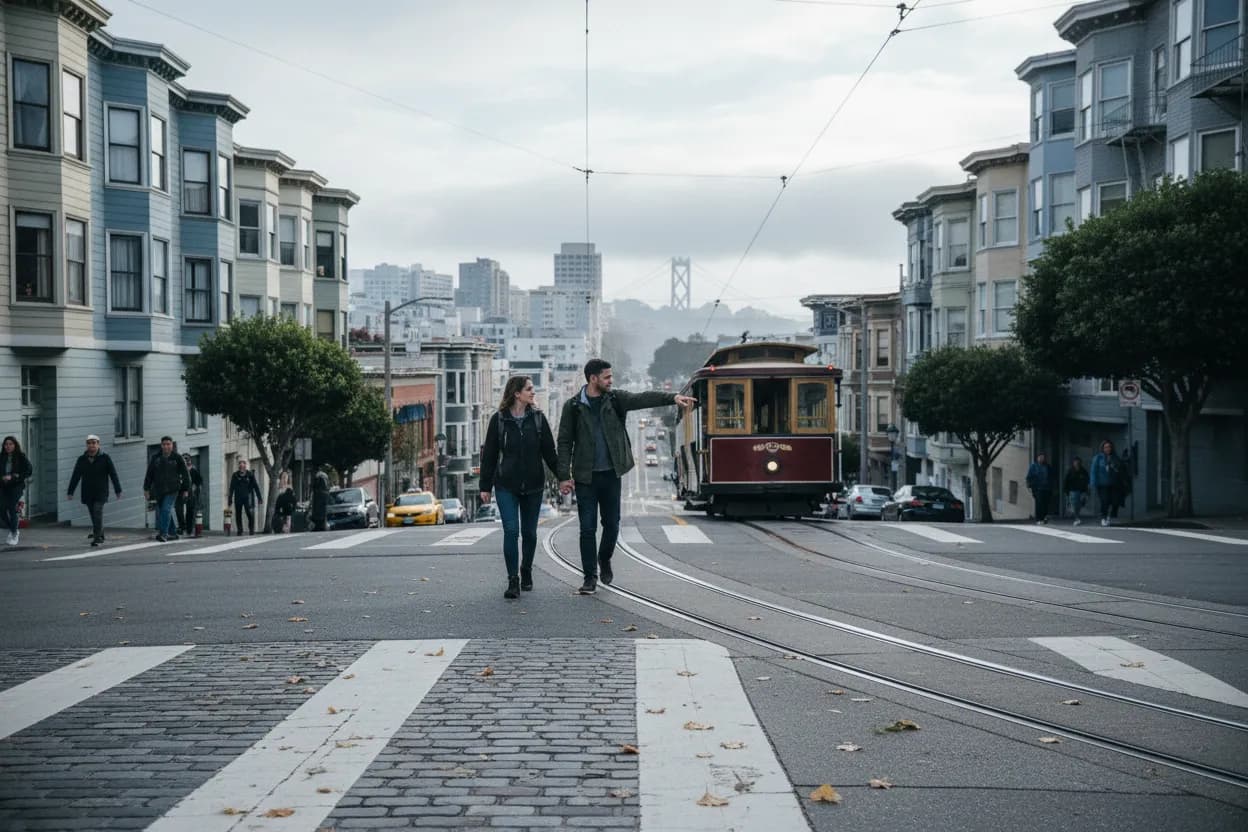
Your final check should happen the same day. Use SFMTA for Muni routes and stops, the Trip Planner, alerts, and travel updates. If you need regional travel context, SFMTA links to 511 Regional Info. If you need city help, the SFMTA page lists 311, with an outside-San-Francisco number of 415.701.2311 and TTY 415.701.2323.
Also verify anything that affects entry, comfort, or timing directly with the official source responsible for it. That includes park access, street conditions, public meetings, route changes, and any attraction or business hours. SFMTA notes that Muni service changes start August 29, 2026, which is after this immediate weekend, but it is still a reminder to check dates carefully rather than assuming old route habits hold.
The finished plan should fit on one screen: start point, transit option, anchor, backup, exit rule, and official pages to refresh before departure. If any key detail cannot be verified, downgrade it from plan to possibility.
Tags: #SanFrancisco #WeekendPlans #AskKarpo #BeforeYouGo #SFMTA #Muni #HayesValley #SFTransit #CityPlan #LocalLife #TravelChecks #LowStressWeekend #PublicTransit #philliesvscardinals
Sources consulted: sftravel.com · sfmta.com · sfrecpark.org
All trademarks are the property of their respective owners.
Ask Karpo first
Ask Karpo first if your San Francisco weekend plan depends on timing, transit, or access that could change. Send your starting point, preferred pace, and must-avoid hassles, then ask for a compact route with official checks and one realistic backup.


