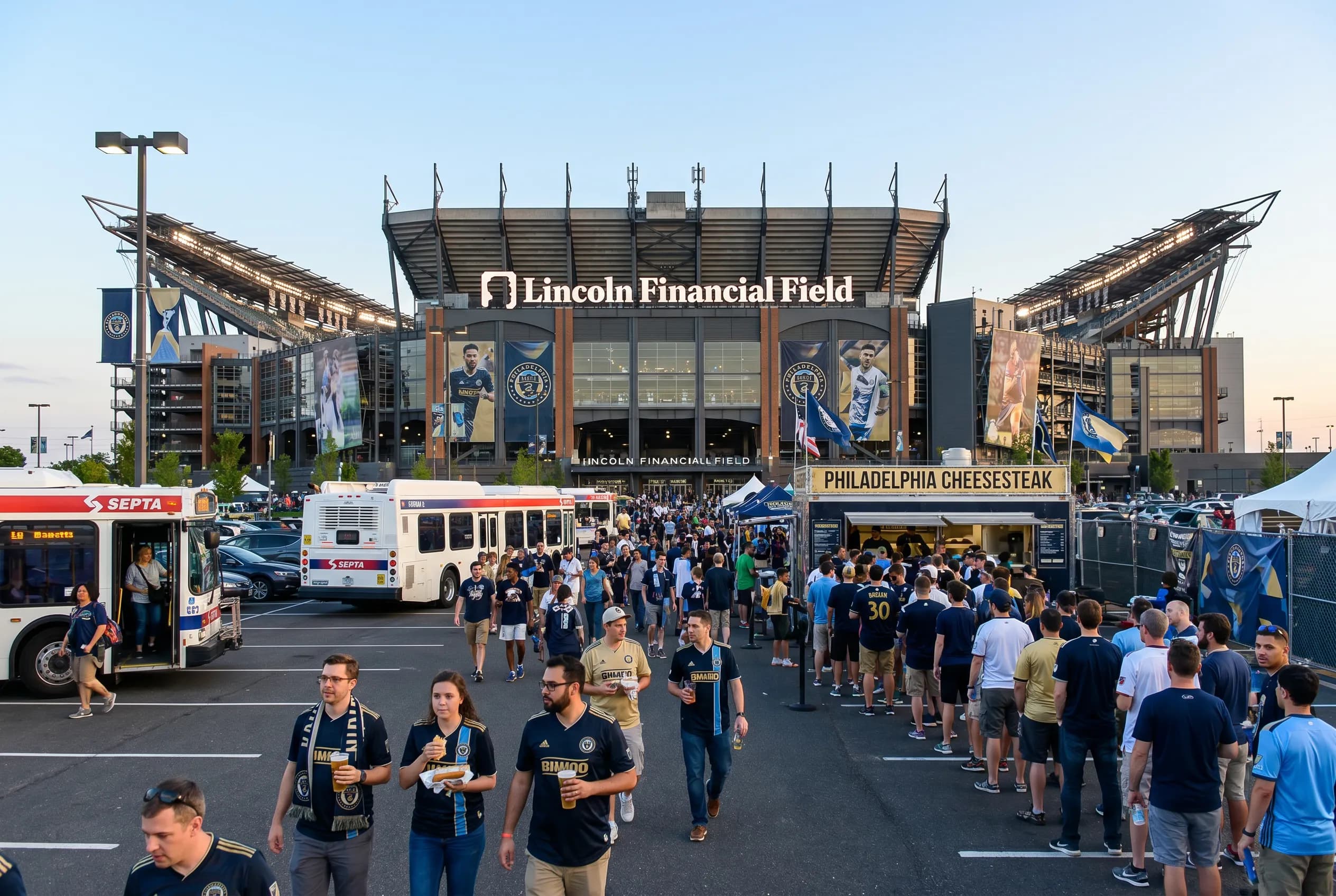
Philadelphia will welcome World Cup matches to Lincoln Financial Field in 2026, bringing tens of thousands of international visitors to a stadium district built for big crowds and efficient movement. The venue anchors the South Philly Sports Complex alongside three other major arenas, creating a concentrated hub where public transit, highway access, and parking infrastructure converge. Beyond the logistics, Philadelphia's cheesesteak tradition adds a culinary dimension to match day that visitors consistently rank among their most memorable experiences. Success on game day hinges on understanding how SEPTA's rail network connects to the stadium, what parking realities look like when multiple venues host events simultaneously, and how to approach the city's most famous sandwich without falling into tourist traps or unrealistic expectations about timing.
Karpo builds personalized match-day plans that account for your arrival time, group size, mobility needs, and food priorities. Text us your Philadelphia stadium questions and we'll map your specific route from hotel to turnstile, suggest parking alternatives based on real availability patterns, and identify cheesesteak shops that align with your schedule and location. Whether you need accessible transit options, family-friendly timing, or a post-match celebration route, Karpo turns Philadelphia's infrastructure into your advantage.
SEPTA Broad Street Line Stadium Access
The Broad Street Line operates as Philadelphia's north-south subway spine, running from Fern Rock Transportation Center in the north to NRG Station at the sports complex. NRG Station opens directly onto the stadium campus, eliminating the transfer confusion that plagues multi-line systems in other cities. On match days, SEPTA typically increases service frequency on the Broad Street Line, though the agency announces specific schedules closer to major events. The line connects to Market-Frankford Line at City Hall, creating transfer options for visitors staying in Center City, University City, or neighborhoods along the east-west corridor.
Purchasing SEPTA passes requires understanding the Key card system, which replaced tokens across the network. Visitors can buy Key cards at station kiosks, load them with stored value or day passes, and tap at turnstiles. The SEPTA website and official app provide real-time service updates, which become essential when weather or operational issues affect schedules. For groups traveling together, the math on day passes versus individual trips shifts based on how many journeys you plan beyond the stadium run. The Broad Street Line runs underground through Center City before emerging at surface level as it approaches the sports complex, giving first-time riders a clear visual confirmation they're heading toward the stadium cluster.
Parking Reality at the Sports Complex
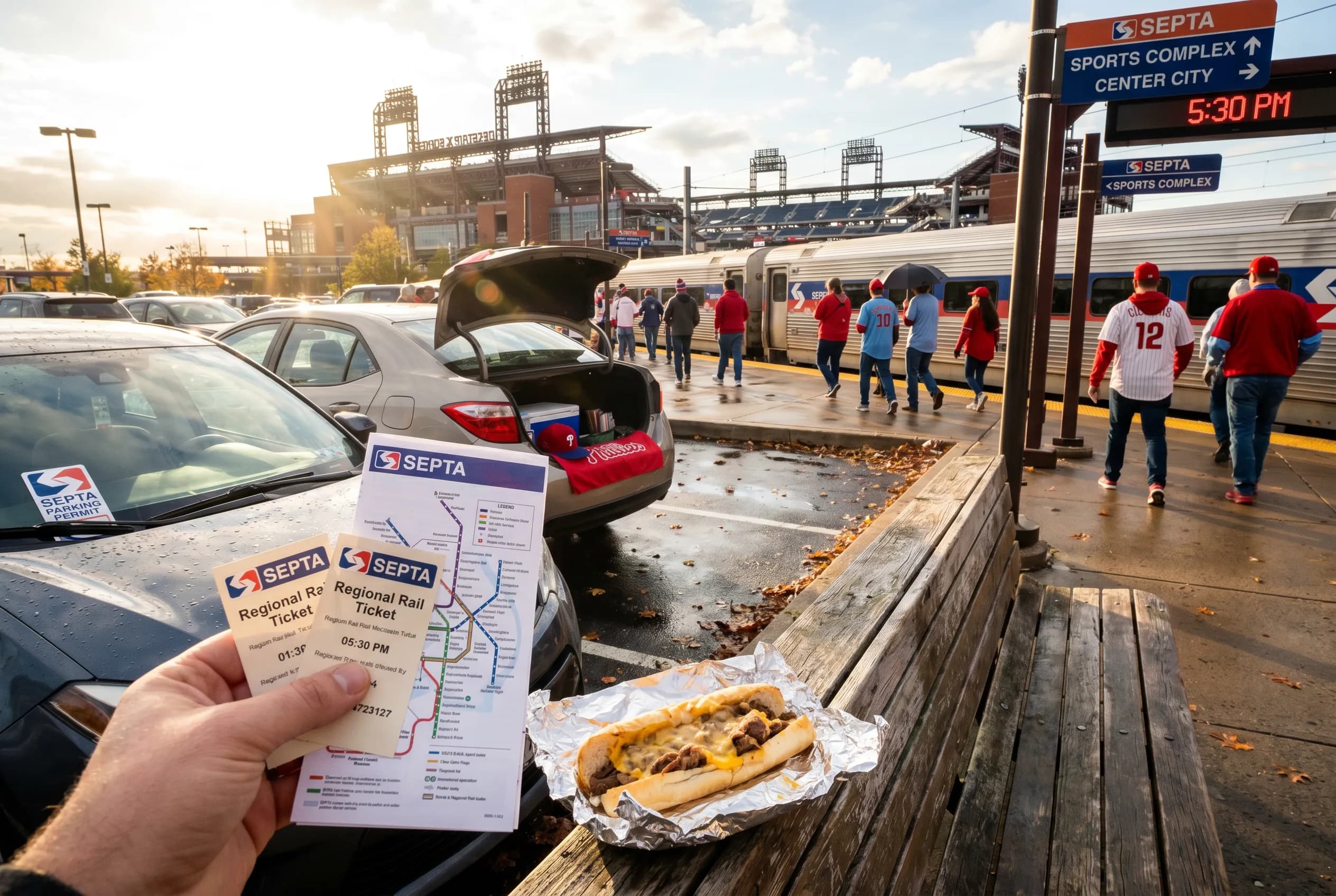
Lincoln Financial Field sits within a parking ecosystem designed for NFL crowds, which means infrastructure exists but competition intensifies when multiple venues host simultaneous events. The sports complex includes official stadium lots managed by the Philadelphia Eagles organization, plus surrounding surface lots that serve all four major venues in the district. Parking passes for World Cup matches will likely follow the reserved-online model that now dominates major sporting events, with prices varying by proximity and advance purchase timing. The lots immediately adjacent to Lincoln Financial Field fill first and command premium pricing, while perimeter lots offer lower rates in exchange for longer walks.
Alternative parking strategies include neighborhood street parking in South Philadelphia, though residents understandably protect their blocks during major events and the city enforces parking regulations aggressively on game days. Private lots operated by businesses near the stadium offer another option, with pricing that fluctuates based on demand and distance. Arriving early solves multiple problems simultaneously—it secures better parking position, reduces pre-match stress, and builds in buffer time for unexpected traffic on I-95 or local approach roads. Departure timing matters as much as arrival, since all lots funnel onto the same limited exit routes and post-match traffic can extend your car time by an hour or more.
Cheesesteak Geography and Expectations
Philadelphia's cheesesteak landscape divides into tourist-focused institutions, neighborhood shops with local followings, and everywhere in between. The most famous names operate in or near Center City and South Philadelphia, but declaring one shop definitively superior ignores the reality that preferences split along bread texture, cheese choice, meat preparation, and a dozen other variables that passionate locals debate endlessly. What matters more than identifying a single best option is understanding that a proper cheesesteak requires thinly sliced ribeye, a long roll that balances structure with absorbency, and your choice of cheese—traditionally Cheez Whiz, American, or provolone.
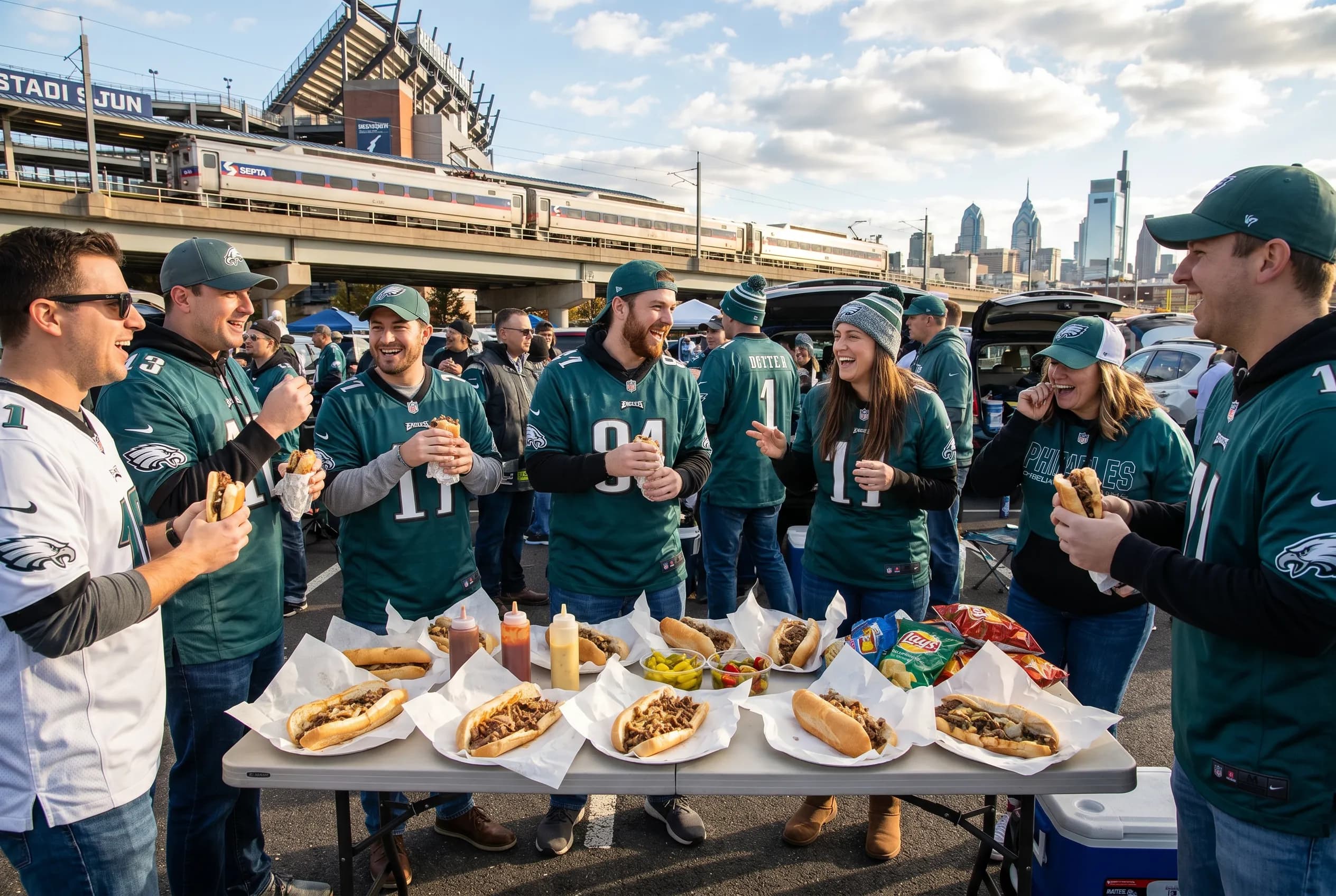
Timing your cheesesteak stop around match day logistics requires honest assessment of lines, seating availability, and how a substantial sandwich fits your schedule. Some shops operate as pure takeout counters with no seating, while others offer dining rooms that fill quickly during peak hours. A cheesesteak makes more sense as a pre-match meal if you build in adequate digestion time and accept that you'll be navigating crowds and transit with a full stomach. Post-match stops work better for some visitors, though you'll contend with everyone else who had the same idea. The sandwich travels reasonably well for short periods, making it viable to grab one and eat near the stadium or back at your accommodation.
Center City to Stadium Timing
The Broad Street Line covers the distance from Center City stations to NRG Station in approximately twenty to twenty-five minutes under normal operating conditions, though match-day crowding can extend platform wait times and slow boarding. Building in a full hour from Center City hotel to stadium gates accounts for the subway ride, any transfers, the walk from NRG Station across the parking lots to Lincoln Financial Field, and security screening at entry points. This buffer accommodates the reality that thousands of other fans follow the same route on the same schedule, creating bottlenecks at turnstiles, station platforms, and pedestrian crossings.
Reverse-direction timing after matches stretches longer due to concentrated departure patterns. Everyone leaves simultaneously when the final whistle blows, overwhelming the NRG Station platform and creating queues that can require thirty minutes or more just to board a train. SEPTA runs extra service to clear crowds, but the physics of moving tens of thousands of people through fixed infrastructure means patience becomes mandatory. Some experienced locals wait out the initial rush at nearby establishments or simply accept the queue as part of the match-day experience. The alternative—driving and parking—trades subway crowds for parking lot gridlock, so neither option offers a magic solution to post-match congestion.
Weather and Seasonal Considerations
The 2026 World Cup schedule will place Philadelphia matches in June, when weather patterns typically bring warm temperatures, high humidity, and afternoon thunderstorm potential. These conditions affect both transit and parking strategies in ways that visitors from different climates should anticipate. SEPTA stations underground stay relatively cool, but surface platforms and the walk from NRG Station to the stadium offer no shade across large stretches of asphalt. Parking lots become heat islands, turning your vehicle into an oven if you arrive hours early and plan to tailgate without portable shade structures.
Summer thunderstorms develop quickly in the Mid-Atlantic region, capable of drenching pedestrians between subway exit and stadium gate or turning parking lots into temporary drainage challenges. Checking weather forecasts the morning of your match helps with decisions about rain gear, sunscreen, and whether to adjust your arrival timing to avoid the most intense heat hours. The stadium itself offers modern amenities including shaded concourses and climate-controlled club areas for premium ticket holders, but the journey to and from your seat happens outdoors. Philadelphia's weather rarely cancels matches but frequently makes the approach less comfortable than visitors from temperate climates expect.
Combining Attractions with Match Day
Philadelphia's compact downtown and rich historical assets tempt visitors to pack multiple experiences into match day, but realistic timing matters more than ambitious itineraries. Independence Hall, the Liberty Bell, Reading Terminal Market, and the Philadelphia Museum of Art all sit within reasonable reach of Center City hotels, yet each demands more time than casual visitors typically allocate. A morning museum visit before an afternoon match works only if you account for transit time, security screening, and the energy expenditure of walking miles before you even reach the stadium. Many visitors overestimate their stamina and underestimate the cumulative effect of heat, crowds, and excitement.
Post-match exploration faces different constraints, primarily exhaustion and the reality that many attractions close by early evening. Restaurants and bars in Center City neighborhoods like Rittenhouse Square, Midtown Village, and Old City offer better post-match options than trying to squeeze in historical sites after a ninety-minute match plus extra time. The city's walkable core makes spontaneous decisions viable—you can exit SEPTA at City Hall and choose your direction based on energy levels and group consensus rather than rigid pre-planning. Philadelphia rewards visitors who prioritize depth over breadth, focusing on fewer experiences executed well rather than checklist tourism that leaves everyone exhausted and no one satisfied.
Tags: #WorldCup2026 #Philadelphia #SEPTA #LincolnFinancialField #CheesesteakGuide #StadiumTransit #ParkingStrategy #SouthPhilly
Sources consulted: FIFA Philadelphia destination · SEPTA
All trademarks are the property of their respective owners.
Ask Karpo First
Text Karpo with your Philadelphia arrival details, accommodation location, and match timing—we'll build a transit route that accounts for your specific station access, suggest parking alternatives if you're driving from outside the city, and identify cheesesteak shops that align with your schedule rather than just tourist reputation. Whether you need accessible options, family pacing, or post-match celebration spots, Karpo turns Philadelphia's infrastructure into your personalized match-day advantage.