 Haaland Has Seven Goals and Norway Runs Entirely Through Him
⚽️2026 FIFA WORLD CUP
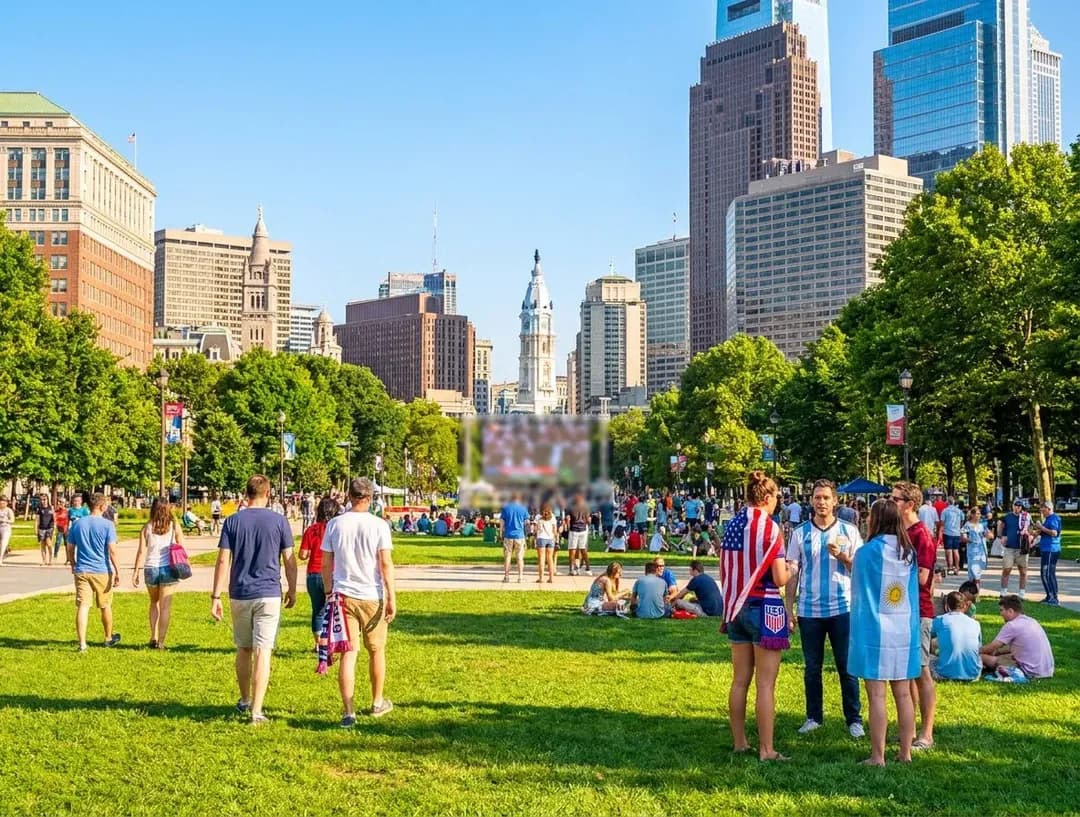
Philadelphia Off-Match Days: A World Cup Fan's Walking Weekend
Philadelphia's walkable neighborhoods, legendary food markets, and Revolutionary history make off-match days as rewarding as the tournament itself.
Why Philadelphia Between Matches
Philadelphia sits ninety minutes by train from the MetLife Stadium final and offers a rhythm that many host cities can't match during the 2026 tournament. While New York and New Jersey will pulse with shuttle logistics and fan zones at Rockefeller Center and the USTA Billie Jean King National Tennis Center, Philadelphia gives you breathing room. The city's compact twenty-block downtown core, anchored by SEPTA's Market-Frankford and Broad Street lines, means you can drop your bag at a Center City hotel and reach most neighborhoods on foot or with a single subway token.
Off-match days in Philly? Ask Karpo to map a World Cup walking weekend.
Lincoln Financial Field may not host World Cup matches, but the stadium district's infrastructure—parking, transit connections, nearby hotels—means Philadelphia already knows how to move crowds. That experience translates to a city that won't buckle under tournament pressure. Between June 11 and July 19, when forty-eight teams cycle through stadiums across three countries, Philadelphia becomes a strategic base: close enough to reach MetLife or other eastern venues, far enough to avoid the crush, and full enough of distractions to make the downtime memorable.
The appeal is practical and cultural. You'll find rowhouse blocks where neighbors still sweep their stoops, markets that open before dawn, and bars that pour Yuengling alongside natural wine. Philadelphia doesn't perform hospitality; it just does it, often with a side of sarcasm. For fans juggling match schedules, transit apps, and the uncertainty of knockout rounds, that straightforwardness is a gift.
Old City's Cobblestone Circuit
Old City, bounded roughly by Walnut, Vine, Front, and Sixth streets, packs more history per block than most American neighborhoods manage in a square mile. Cobblestones still surface on side streets, and the brick rowhouses date to the 1700s. Independence Hall and the Liberty Bell draw the crowds, but the real pleasure is wandering the quieter blocks—Elfreth's Alley, Church Street, the stretch of Market near the Delaware—where you can see the city's bones without a tour group in your peripheral vision.
Galleries and design shops cluster along Second and Third streets, many occupying former warehouses with original timber beams. On First Fridays, the neighborhood opens late, but even on ordinary afternoons you'll find studios and showrooms worth a look. The neighborhood also holds a density of coffee shops and small-plate restaurants that cater to locals, not tourists, which means menus change with the season and the vibe stays low-key. If you're recovering from a late match or a long train ride, this is where you decompress.
SEPTA's Market-Frankford Line drops you at Second Street, and from there everything unfolds on foot. Walk east toward the Delaware River waterfront and you'll hit Penn's Landing, where the seasonal Spruce Street Harbor Park sets up hammocks, food vendors, and beer gardens during the summer months. The timing aligns perfectly with the tournament window. If you need a break from the World Cup frenzy, this stretch offers river breezes and a skyline view without the manufactured atmosphere of official fan zones.
Reading Terminal Market's Edible Maze
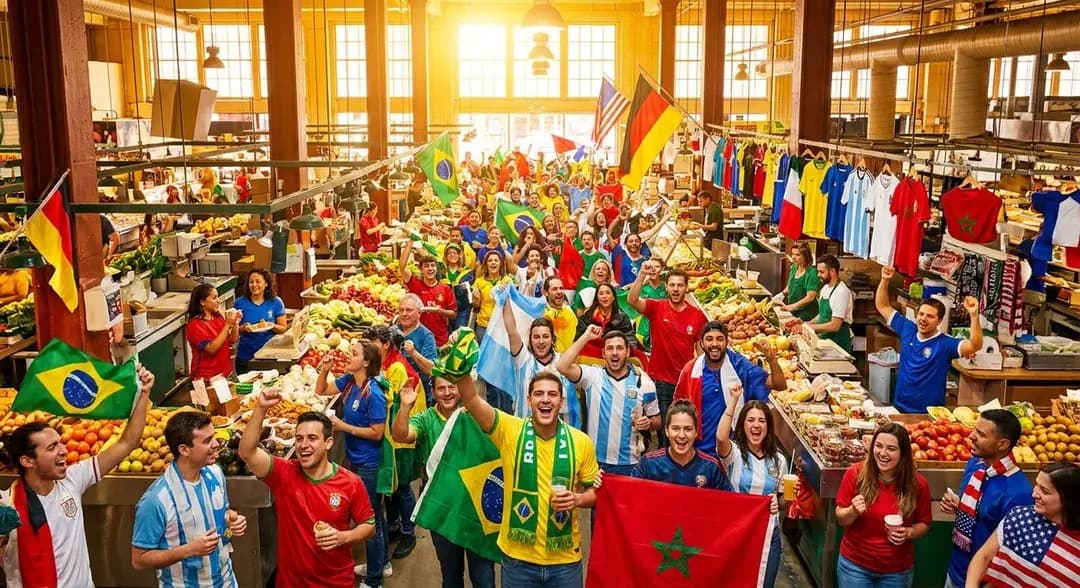
Reading Terminal Market, at Twelfth and Arch, operates as both tourist magnet and neighborhood grocery. The market hall dates to 1893 and shelters more than eighty vendors under one vaulted roof. You'll find Pennsylvania Dutch bakers selling shoofly pie before 8 a.m., butchers breaking down whole animals, fishmongers icing oysters, and produce stands stacked with Jersey tomatoes in season. The density can overwhelm, but the layout rewards repeat visits. Go once for breakfast, again for lunch provisions, a third time for spices or cheese you can't find elsewhere.
Beiler's Donuts draws the longest lines, and the wait is justified—cake donuts fried to order, still warm, with a chew that supermarket versions never achieve. DiNic's roast pork sandwiches earn national press, and the reputation holds; the pork is tender, the greens are sharp, the roll absorbs just enough juice without collapsing. But don't sleep on the market's Middle Eastern, Thai, and Amish stalls, or the coffee roasters who pull espresso with the same seriousness you'd find in Melbourne or Milan. If you're provisioning a hotel room or a long train ride, the market's prepared-food counters and grocery stalls make it easy.
The market sits two blocks from the Pennsylvania Convention Center and within walking distance of most Center City hotels, so it's a natural morning stop before a match day or a post-match refueling point. It closes Sundays, and some Amish vendors close Wednesdays, so check the schedule. Crowds peak between 11 a.m. and 1 p.m. on weekdays; early morning or late afternoon offer more elbow room. Bring cash for a few vendors, though most now take cards.
The Italian Market's Unpolished Charm
South Ninth Street, from Wharton to Fitzwater, forms the spine of the Italian Market, a ten-block stretch of produce stands, butchers, cheese shops, and bakeries that spill onto the sidewalk. The market has gentrified in patches—wine bars and brunch spots now share the block with old-guard delis—but the core vendors still open early, sell by the pound, and close when they run out. It's a working market, not a stage set, and that authenticity makes it worth the twenty-minute walk or quick subway ride south from Center City.
Claudio's, a cheese and specialty-foods shop, has anchored the market since 1939. The selection runs deep—Italian imports, French butter, Spanish tinned fish—and the staff knows the inventory. Fante's Kitchen Shop, a few blocks north, stocks professional-grade cookware and hard-to-find tools; chefs and serious home cooks browse the same aisles. For fresh pasta, Talluto's makes sheets and shapes daily. For roasted peppers, olives, and antipasti, multiple vendors compete, which keeps quality high and prices reasonable. If you're assembling a picnic or stocking an Airbnb, this is your supply depot.
The market also offers a snapshot of Philadelphia's demographic layers. Mexican bakeries and taquerias now operate alongside the Italian establishments, and Southeast Asian grocers have moved in over the past decade. The result is a neighborhood that feels lived-in and evolving, not preserved in amber. After you've shopped, walk west into Bella Vista or east toward Queen Village; both neighborhoods offer rowhouse blocks, corner bars, and the kind of residential texture that reminds you cities are for living, not just visiting.
Cheesesteak Geography and Strategy
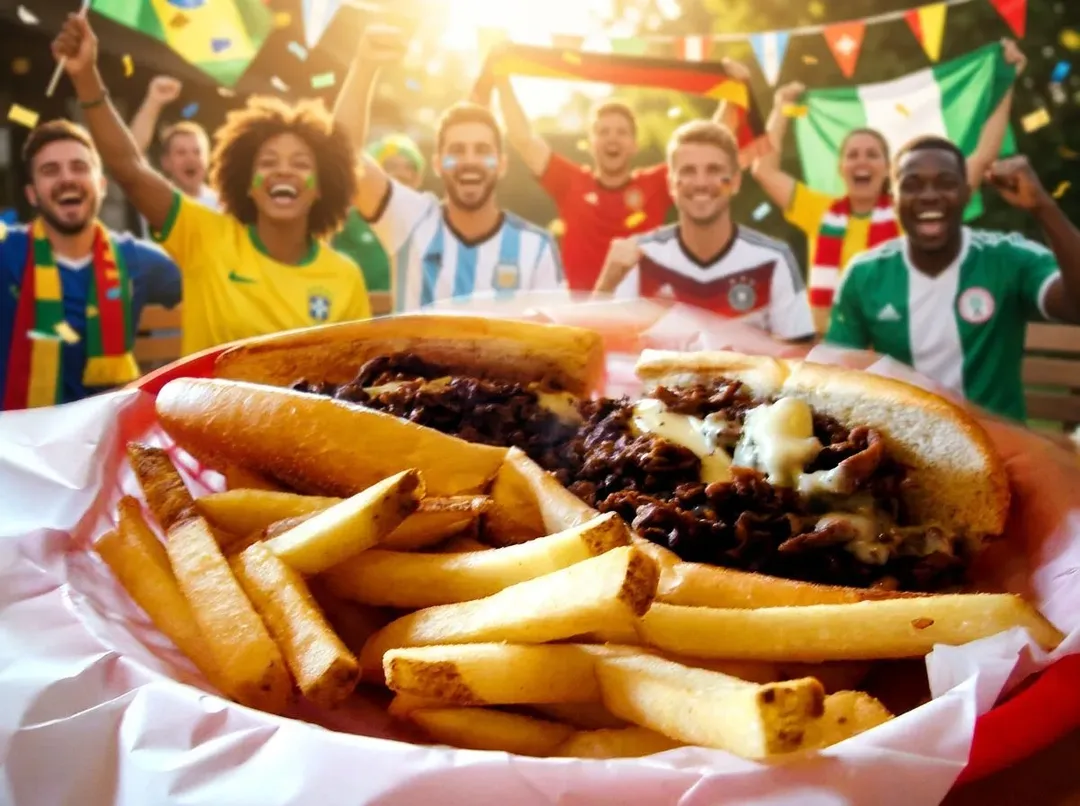
The cheesesteak debate—Pat's versus Geno's, wit or witout, American or Whiz—generates more heat than light. Both Pat's and Geno's sit at Ninth and Passyunk, open twenty-four hours, and serve a version that satisfies tourists but rarely wins over locals. If you're already at the Italian Market, stop by; the neon and the rivalry are part of the city's folklore. But if you want a cheesesteak that justifies the reputation, look elsewhere. John's Roast Pork, near the stadiums in South Philadelphia, consistently earns top marks for both roast pork and cheesesteaks. The shop is small, the hours are limited, and the line moves slowly, but the roll-to-filling ratio and the quality of the meat make it worth the detour.
Dalessandro's in Roxborough and Chubby's in Northeast Philadelphia also have loyal followings, though both require a car or a long transit ride. Closer to Center City, Sonny's Famous Steaks on Market Street and Ishkabibble's on South Street offer solid versions without the trek. The key variables are the roll—Amoroso's or Liscio's, both local bakeries—the quality of the ribeye, and the melt of the cheese. Whiz is traditional and adds a salty, creamy funk; provolone is sharper; American is the middle ground. Onions are standard; hot peppers and mushrooms are optional. Order at the counter, pay in cash if possible, and eat standing up or on a nearby bench. This is not a sit-down experience.
Cheesesteaks make excellent post-match fuel, especially if you've spent the day walking or standing in a stadium. They're also a reliable late-night option; several shops stay open past midnight. Pair with a Yuengling or a birch beer, and you've completed the ritual. The sandwich is simple, but the city takes it seriously, and after a few days in Philadelphia, you'll understand why.
SEPTA, Beer Gardens, and Evening Logistics
SEPTA's subway and bus network isn't as dense as New York's, but the two main lines—Market-Frankford (east-west) and Broad Street (north-south)—cover most of what a visitor needs. Trains run frequently during the day, less so after 10 p.m., and the system uses a reloadable Key card that you can buy at any station kiosk. A single ride costs $2.50; a day pass runs around $9 and makes sense if you're hopping between neighborhoods. The Regional Rail lines connect Center City to the airport, the suburbs, and the stadium district, though schedules vary and weekend service can be sparse. Download the SEPTA app for real-time updates and trip planning.
Philadelphia's beer culture runs deep, from dive bars pouring Pabst to bottle shops with Belgian imports and local IPAs. Monk's Cafe in Center City specializes in Belgian styles and mussels; Standard Tap in Northern Liberties focuses on local drafts and seasonal menus. Yards Brewing and Evil Genius Beer Company both operate taprooms with outdoor seating, and during the tournament window, expect watch parties and extended hours. If you prefer wine, the city's natural wine scene has grown quietly over the past five years; bars like a.kitchen and Jet Wine Garden offer thoughtful lists and small plates that don't pander.
Between June 11 and July 19, Philadelphia's outdoor spaces—Spruce Street Harbor Park, Dilworth Park, the Schuylkill River Trail—will likely host unofficial watch parties and pop-up screenings, even if the city doesn't have an official FIFA Fan Festival. The advantage of a non-host city is flexibility; you're not locked into the official programming, and you can find your own rhythm. If you're heading to MetLife for the July 19 final, remember that the stadium offers no on-site parking or tailgating; you'll take NJ Transit from Penn Station Newark or official shuttles, and you'll need to pre-purchase your rail ticket and keep your return wristband. Plan for crowds, long security lines, and the halftime show curated by Chris Martin with Madonna, Shakira, and BTS—a spectacle that will add at least twenty minutes to the match length. Philadelphia, by contrast, offers a quieter base camp where you can recharge before diving back into the tournament's controlled chaos.
Practical notes
- SEPTA's Market-Frankford and Broad Street lines cover most neighborhoods; buy a Key card at any station kiosk for $2.50 per ride or $9 for a day pass.
- Reading Terminal Market closes Sundays and some Amish vendors close Wednesdays; visit early morning or late afternoon to avoid peak crowds.
- John's Roast Pork near the stadiums has limited hours and long lines but serves the city's best cheesesteaks and roast pork sandwiches—check their schedule before you go.
- Old City and the Italian Market are both walkable from Center City hotels; wear comfortable shoes for cobblestones and uneven sidewalks.
- For the July 19 MetLife final, pre-purchase NJ Transit tickets and keep your return wristband; the stadium has no parking or tailgating, and shuttles will be crowded.
Philadelphia doesn't shout for attention, which is exactly why it works as a World Cup refuge. The city's grid is legible, the food is honest, and the neighborhoods reward curiosity without requiring a guidebook. Between matches, you'll walk more than you planned, eat better than you expected, and probably argue about cheesesteaks with a stranger at a bar. That's the rhythm here—unpretentious, direct, and surprisingly generous. When the tournament's logistics start to wear you down, Philadelphia reminds you that cities can be navigated on human terms, one block at a time.
Tags: #PhiladelphiaWalking #WorldCup2026 #ReadingTerminalMarket #ItalianMarketPhilly #PhillyCheesesteak #OldCityPhilly #SEPTAtransit #PhillyFoodScene #UrbanExploration #NeighborhoodGuide #TravelPhiladelphia #FanWeekend #CityBreak #AuthenticTravel #WalkableCity
Please drink responsibly. Must be of legal drinking age.
All trademarks are the property of their respective owners.
Ask Karpo first
Planning your World Cup downtime in Philadelphia—or anywhere else along the tournament trail? Ask Karpo first. We'll map the neighborhoods worth your time, the markets that open early, and the transit lines that actually run on schedule, so you spend less time guessing and more time walking, eating, and soaking up the city between matches.
Ask Karpo for more information.
Keep reading
- Haaland Has Seven Goals and Norway Runs Entirely Through Him
 World Cup Trophy Ceremony Timing Medals and Postmatch Celebrations
 Olise and France's Attack: The Semifinal Tactical Question