 Where to Eat Near Penn Station That Isn't a Chain
US Open 2026
Phil Collins Drum Practice Studios Near 2026 US Open Queens
How to find drum practice rooms, rehearsal studios, and music-friendly spaces near the USTA Billie Jean King National Tennis Center during the 2026 US Open.
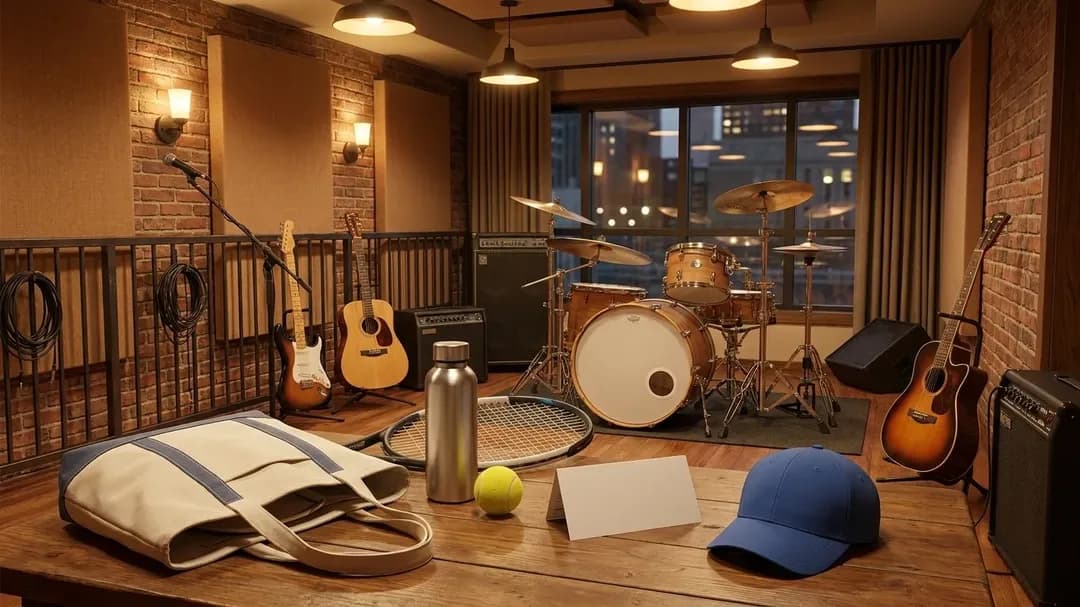
Phil Collins' iconic drum work has inspired generations of players, and if you're traveling to Queens for the 2026 US Open with sticks in your bag or a practice routine you don't want to skip, you'll want to know where to find bookable rehearsal and drum practice rooms near Flushing Meadows. The tournament runs late August into early September, and while the USTA Billie Jean King National Tennis Center draws tennis fans from around the world, the surrounding neighborhoods—Flushing, Corona, Jackson Heights, and Long Island City—offer a network of music studios, community spaces, and rehearsal facilities where drummers and other musicians can keep their chops sharp between matches. This guide maps out practical options, transit connections, and local-life context so you can plan practice time around your US Open schedule without hauling gear across the city or hoping for last-minute availability.
Text Karpo with your US Open session time and Queens starting point, and we’ll turn this Bookable rehearsal and drum practice rooms for music-minded visitors. into a practical local plan.
Why Drummers and Musicians Visit Queens During the US Open
The 2026 US Open brings thousands of visitors to Queens for two weeks of world-class tennis, but not everyone's itinerary is wall-to-wall matches. Musicians on tour, session players with downtime, and serious hobbyists often look for practice space when they're away from home, especially if they're staying in the area for multiple days. Queens has a deep musical heritage—jazz, Latin, hip-hop, rock, and global traditions all have roots here—and that culture supports a modest but real infrastructure of rehearsal studios, music schools, and community centers that rent practice rooms by the hour. If you're used to a daily practice routine or need to prepare for a gig elsewhere in the city, knowing where to book a room with a drum kit, soundproofing, and flexible hours can make your US Open trip more comfortable and productive.
Studio Types and Booking Basics
Rehearsal studios in Queens typically fall into a few categories: dedicated music rehearsal facilities with multiple soundproofed rooms and house kits, music schools that rent practice space during off-peak hours, and community arts centers with bookable rooms. Most studios require advance booking—especially during summer and early fall when demand is high—and rates vary by room size, equipment, and time of day. Some facilities offer hourly rates for solo practice, while others cater to full bands and charge accordingly. It's wise to confirm what's included: house drum kit, cymbals, hardware, amplification, and whether you can bring your own snare or pedals. Many studios have online booking systems, but calling ahead to ask about US Open week availability, cancellation policies, and storage options is a practical step, especially if you're coordinating around match times that may shift due to weather or scheduling changes.

Flushing and Corona: Closest Options to the Tennis Center
Flushing and Corona are the neighborhoods immediately surrounding Flushing Meadows Corona Park, and both have music schools and small studios that serve local students and working musicians. Flushing's commercial corridors—especially along Main Street and Roosevelt Avenue—are dense with businesses, and a few music schools in the area rent practice rooms when instructors aren't teaching. Corona, just west of the park, has a strong Latin music tradition, and some studios cater to percussionists and drummers working in salsa, merengue, and other styles. These spaces tend to be smaller and more informal than Manhattan rehearsal complexes, but they're convenient if you're staying near the 7 train and want to walk or take a short bus ride. Checking studio websites or calling a week or two before your visit will give you a sense of availability and whether the space suits your needs—some rooms are better for quiet practice, others for full-volume playing.
Jackson Heights and Astoria: More Studio Density
Jackson Heights and Astoria, both accessible via the 7 train and other lines, have more rehearsal studio options thanks to their larger populations of working musicians and proximity to Manhattan. Jackson Heights has a mix of music schools and small rehearsal spaces, some tucked into commercial buildings along Roosevelt Avenue or side streets near the subway. Astoria, further west, has a well-established arts scene and several dedicated rehearsal facilities that serve rock, jazz, and experimental musicians. These studios often have better soundproofing, more reliable equipment, and flexible booking windows, though they may also be busier and require earlier reservations. If you're willing to spend 20 to 30 minutes on the train from Flushing Meadows, these neighborhoods offer a wider range of room types and price points, plus cafes, delis, and bars where you can decompress after a practice session or before heading back to the tennis center.
Long Island City: Professional Facilities and Flexible Hours
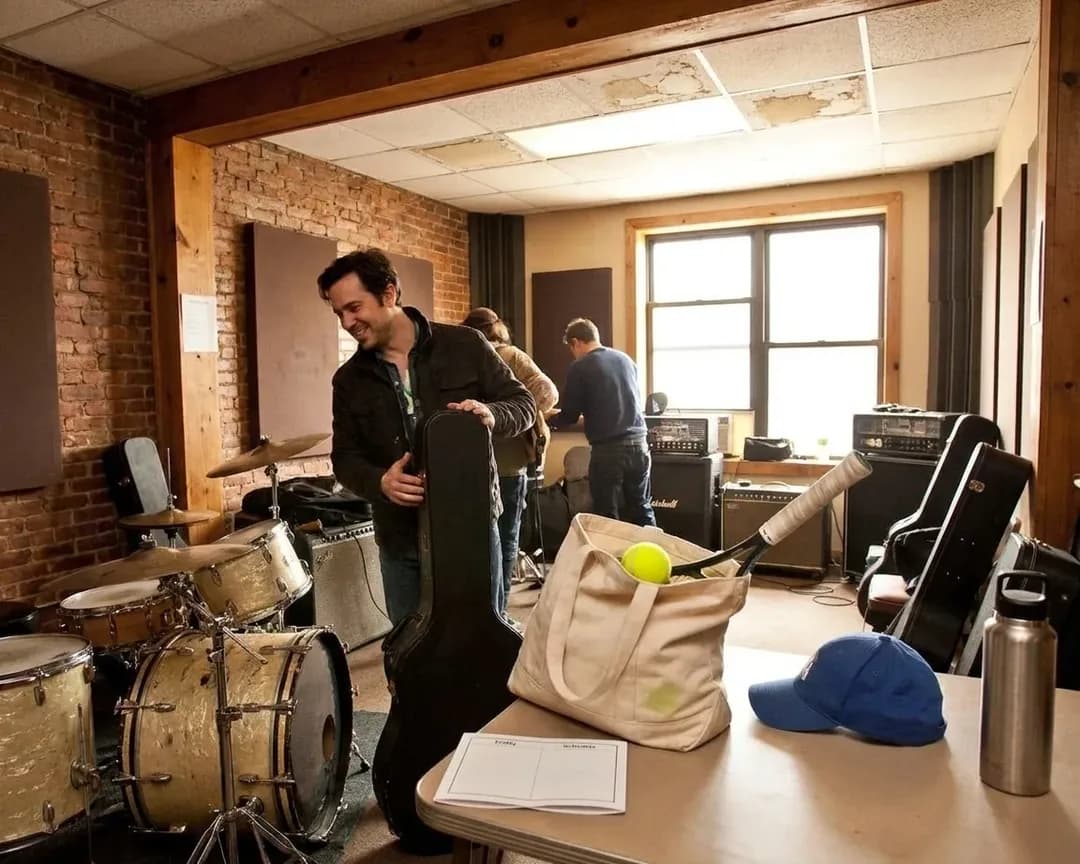
Long Island City, the westernmost neighborhood in Queens and a short ride from Flushing on the 7 train, has become a hub for creative industries, and that includes music rehearsal studios. Several professional facilities here offer hourly and daily rentals, with high-quality drum kits, backline gear, and climate-controlled rooms. These studios often cater to touring musicians, session players, and bands recording in nearby studios, so the equipment and acoustics tend to be a step up from neighborhood practice rooms. Booking online is usually straightforward, and some facilities offer late-night and early-morning slots, which can be helpful if you're attending evening US Open sessions and want to practice before or after. Long Island City also has a growing food and coffee scene, plus waterfront parks and public art, making it a pleasant place to spend a few hours between practice and tennis.
Transit, Timing, and Gear Logistics
The 7 train is the primary transit artery connecting Flushing Meadows to the rest of Queens and Manhattan, and it's the most practical way to reach rehearsal studios if you're staying near the US Open or in Midtown. The MTA's official US Open transit guide provides service details, and the 7 runs frequently during the tournament, though it can be crowded during peak commute and match times. If you're carrying sticks, a practice pad, or a snare, a backpack works fine; if you're hauling cymbals or hardware, consider a gig bag and plan for stairs at some stations. Some studios are within walking distance of subway stops, while others require a short bus ride or a few blocks on foot. Timing your practice session around match schedules—early morning before day sessions, mid-afternoon between rounds, or late evening after night matches—can help you avoid the heaviest crowds on the train and give you a more relaxed trip.
Practical Notes for Booking and Visiting
- Book rehearsal rooms at least one to two weeks before your US Open visit, especially for evenings and weekends when demand is highest.
- Confirm what equipment is included—house drum kit, cymbals, hardware, amplification—and whether you can bring your own snare, pedals, or sticks.
- Ask about cancellation policies in case your US Open schedule shifts due to weather delays or match rescheduling.
- Check studio proximity to 7 train stops or bus lines, and factor in 10 to 15 minutes for walking or transfers.
- Bring earplugs, a practice pad, and sticks in a backpack if you want to warm up quietly before your session or practice on the train.
- Verify studio hours close to your visit—some facilities adjust schedules during summer or around major events.
- Look for studios that offer online booking and payment to streamline the process and avoid last-minute surprises.
- Plan for a meal or coffee break nearby—Jackson Heights, Astoria, and Long Island City all have strong food scenes and cafes where you can relax between practice and tennis.
Local Life Around Practice Sessions
One of the pleasures of practicing in Queens is the chance to explore neighborhoods that don't always make it onto tourist itineraries. After a session in Jackson Heights, you can walk Roosevelt Avenue for Colombian bakeries, Tibetan momos, and Indian sweets. Astoria offers Greek tavernas, Czech beer gardens, and waterfront views along the East River. Long Island City has contemporary art galleries, Gantry Plaza State Park, and specialty coffee roasters. Flushing itself is one of the most vibrant Chinatowns in the country, with food courts, bookstores, and bubble tea shops open late. If you're balancing practice time with US Open matches, museum visits, or just wandering, these neighborhoods reward curiosity and give you a fuller sense of what makes Queens a creative, musical, and deeply local place. The official NYC Tourism Queens page and NYC Parks site offer more context on parks, public art, and cultural sites if you want to plan a longer loop.
Tags: #USOpen2026 #Queens #FlushingMeadows #KarpoFinds #Karpo #philcollins #NewYorkLocal #TennisTravel #NYCLocalLife #TennisTravel
Sources consulted: usopen.org — Official event schedule · usopen.org — Official visitor A-Z guide · usopen.org — Official transportation directions · usopen.org — Official prohibited-items guide · MTA — Official US Open transit guide · NYC Parks — Flushing Meadows Corona Park · NYC Tourism — Queens · MTA — Service status
All trademarks are the property of their respective owners.
Ask Karpo first
Want to know what is actually open, how to time the trip, and where to pause around Queens? Ask Karpo for the latest public US Open context, a respectful visitor plan, and a live route around Flushing Meadows before you head out.
Ask Karpo for more information.
Keep reading
- Where to Eat Near Penn Station That Isn't a Chain
 Andytown Coffee in the Outer Sunset: The Snowy Plover Explained
- Best Things to Do in Chicago: What the City Gives Away