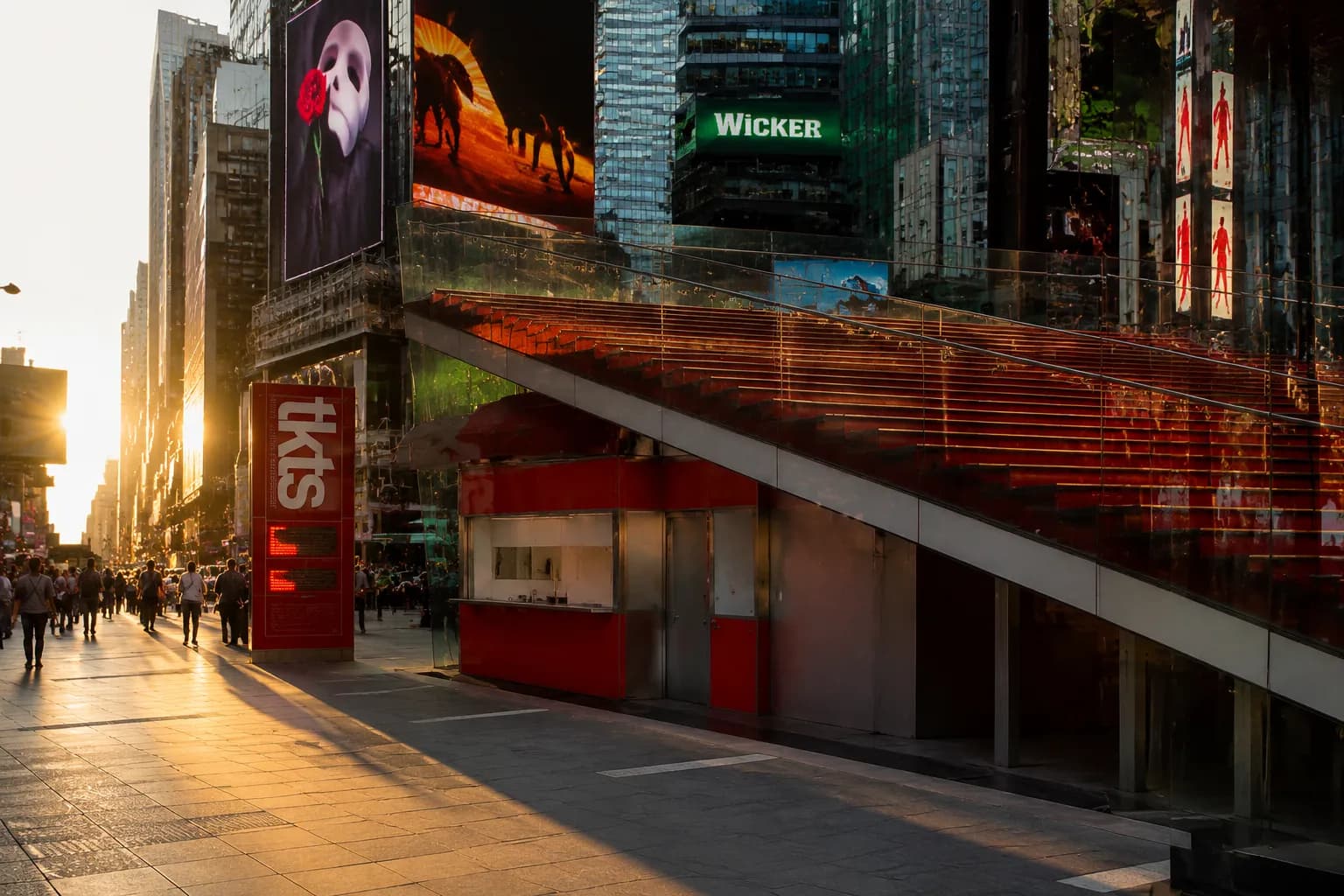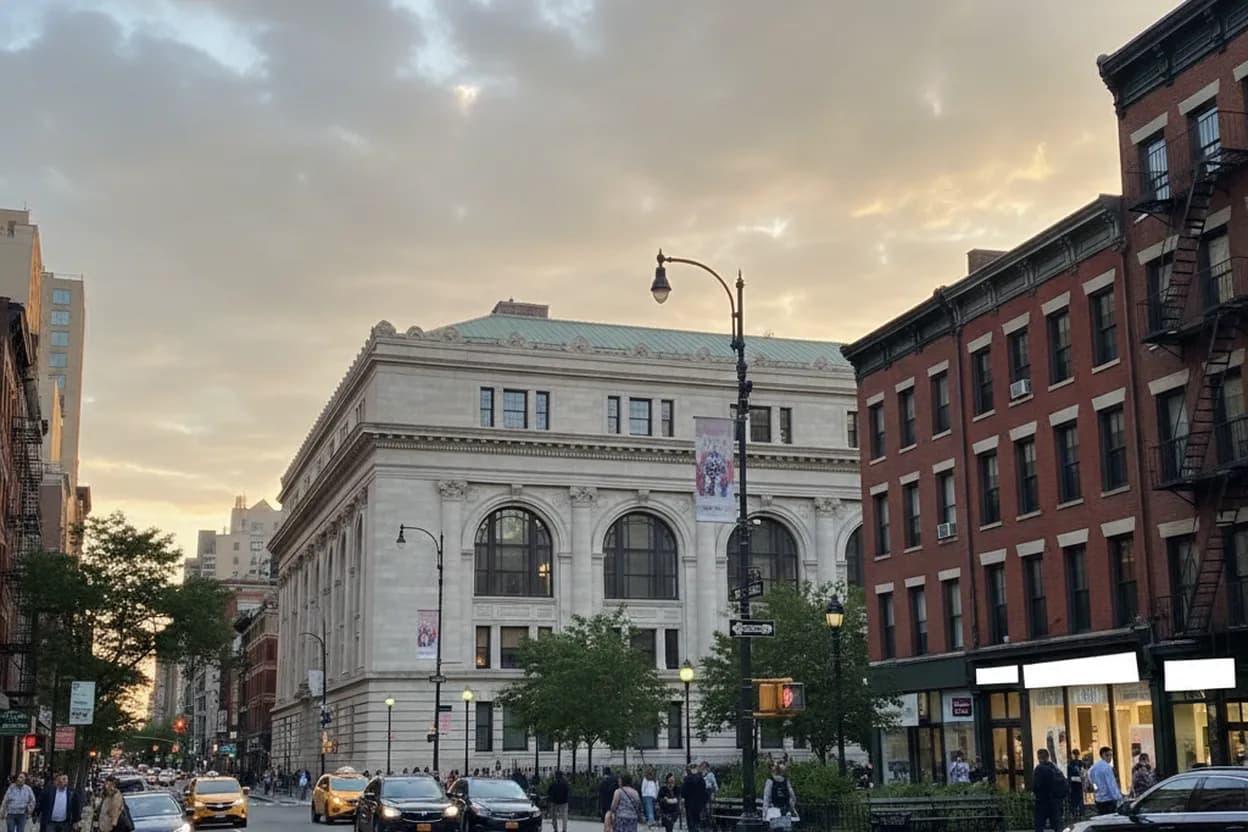
Search interest in permanent daylight savings time is back, but New Yorkers planning school pickups, solo evening walks, library time, or post-work routines should separate policy talk from usable facts. As of Tuesday, August 11, 2026, federal daylight saving time is still in effect in New York and is scheduled to end at 2 a.m. local time on Sunday, November 1, according to NIST. This guide turns the question into a low-effort Midtown learning route: start with official time rules, use NYPL spaces for context, walk Bryant Park while evening light still helps, and leave with a verification habit before planning around any future clock change.
Want the shortest NYC version before you head out? Text Karpo for a library-first route, transit check, and daylight-saving status prompt tied to Midtown today.

NIST Time Rules at Your Desk Before Leaving Work
Start before the library, not at the library door. NIST’s daylight saving page is the anchor fact: in 2026, daylight saving time runs from March 8 at 2 a.m. to November 1 at 2 a.m. local time. That means New York City remains on daylight time on August 11. Any article, post, or office debate saying clocks have already been made permanent needs a second check against an official source.
For students and solo renters, the useful question is not whether a headline feels plausible; it is whether tomorrow’s alarms, childcare handoffs, class starts, and transit transfers change. They do not change just because a bill trends. Use the official rule as the baseline, then treat legislation as something to monitor. If a source cannot show bill status, effective date, and agency guidance, do not adjust a routine around it.
Stavros Niarchos Foundation Library on Fifth Avenue
SNFL at 455 Fifth Avenue is the cleanest after-work base for this route because NYPL lists regular Tuesday hours as 8 AM to 9 PM and marks the building fully accessible. It is across from the research library campus and has browsing, seating, computer access, and a publicly accessible rooftop terrace. For a low-friction visit, choose one task: read the official rule, search a newspaper database, or compare how different sources frame the same policy.
The tradeoff is crowding and cognitive noise. A late-summer evening near Bryant Park can feel easy, but desks, computers, elevators, restrooms, and the terrace may be busier than expected. If you need quiet, skip the rooftop first and use a lower-floor seat. If you need specific business research help, NYPL says the Thomas Yoseloff Business Center requires an appointment for research materials and services, so do not build a same-day plan around specialist access.
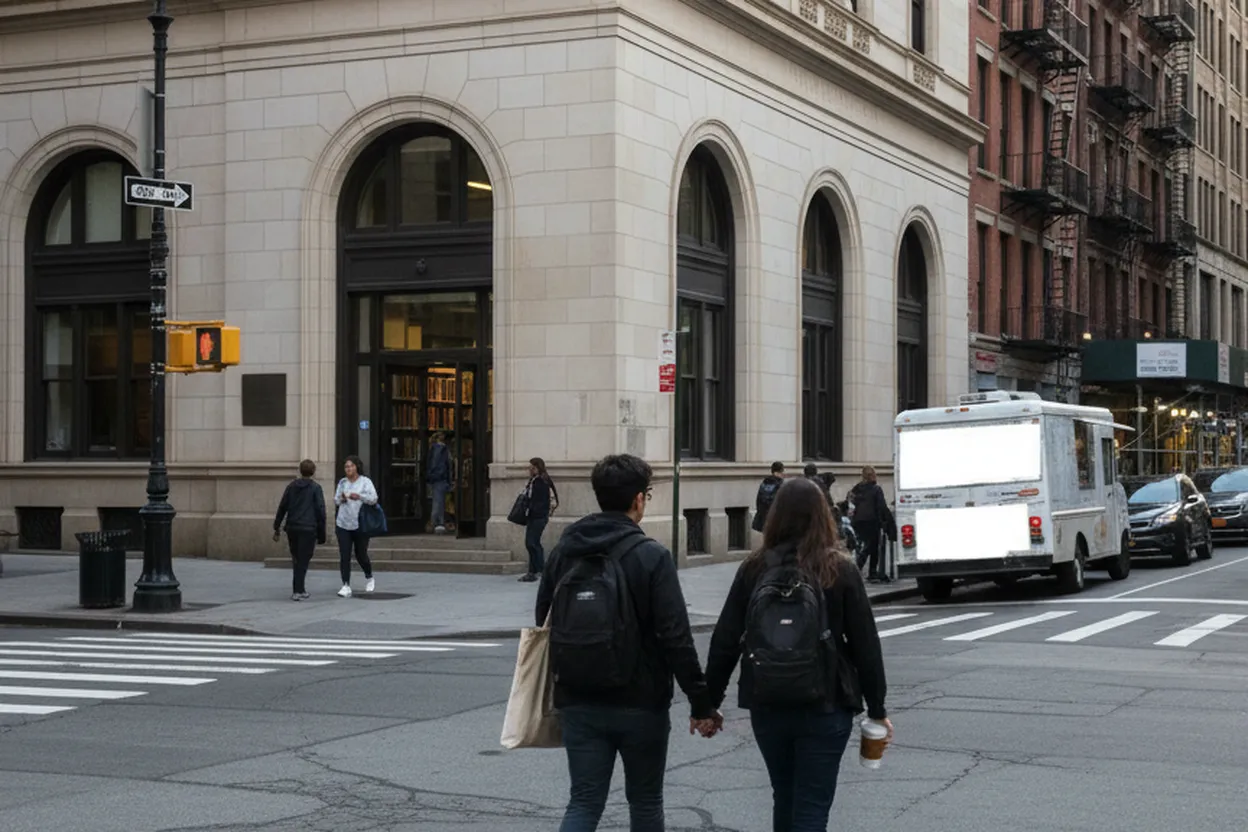
Stephen A. Schwarzman Building at 42nd Street
The Stephen A. Schwarzman Building is better for context than convenience. NYPL lists Tuesday hours as 10 AM to 8 PM, with last entry 15 minutes before closure, and gives accessible entrances at 40th Street and 42nd Street in addition to the main Fifth Avenue entrance. It is the right stop if your curiosity has shifted from clock mechanics to public history, old newspapers, maps, or how policy debates repeat across decades.
Failure mode: arriving too late for the room you actually need. NYPL notes that division hours vary, and some collections require advance consultation or appointments. The Rose Main Reading Room can serve research and quiet study, but viewing-only access has its own window. If your goal is a dependable weekday study block, use Schwarzman as a focused research stop, not an all-purpose backup for browsing, printing, or a casual family visit.
General Research Division Room 315 Search Plan
Room 315, the General Research Division, is a practical next step when a trend term becomes a real question. NYPL describes the division as a central humanities and social sciences research hub, with staff support, reference help, catalogs, research guides, and consultations. For this topic, search for the Uniform Time Act, Energy Policy Act of 2005, congressional bill names, local school-start debates, and older New York newspaper coverage of clock changes.
Pacing matters because offsite material can take time. NYPL says some collections stored offsite require two to three days for delivery, so a Tuesday evening visit should focus on accessible catalogs, digital collections, staff direction, and ready reference rather than deep archival retrieval. Bring exact terms and dates instead of broad curiosity. Ask a librarian how to distinguish federal law, proposed bills, state preference, and public-health commentary before you treat any claim as settled.
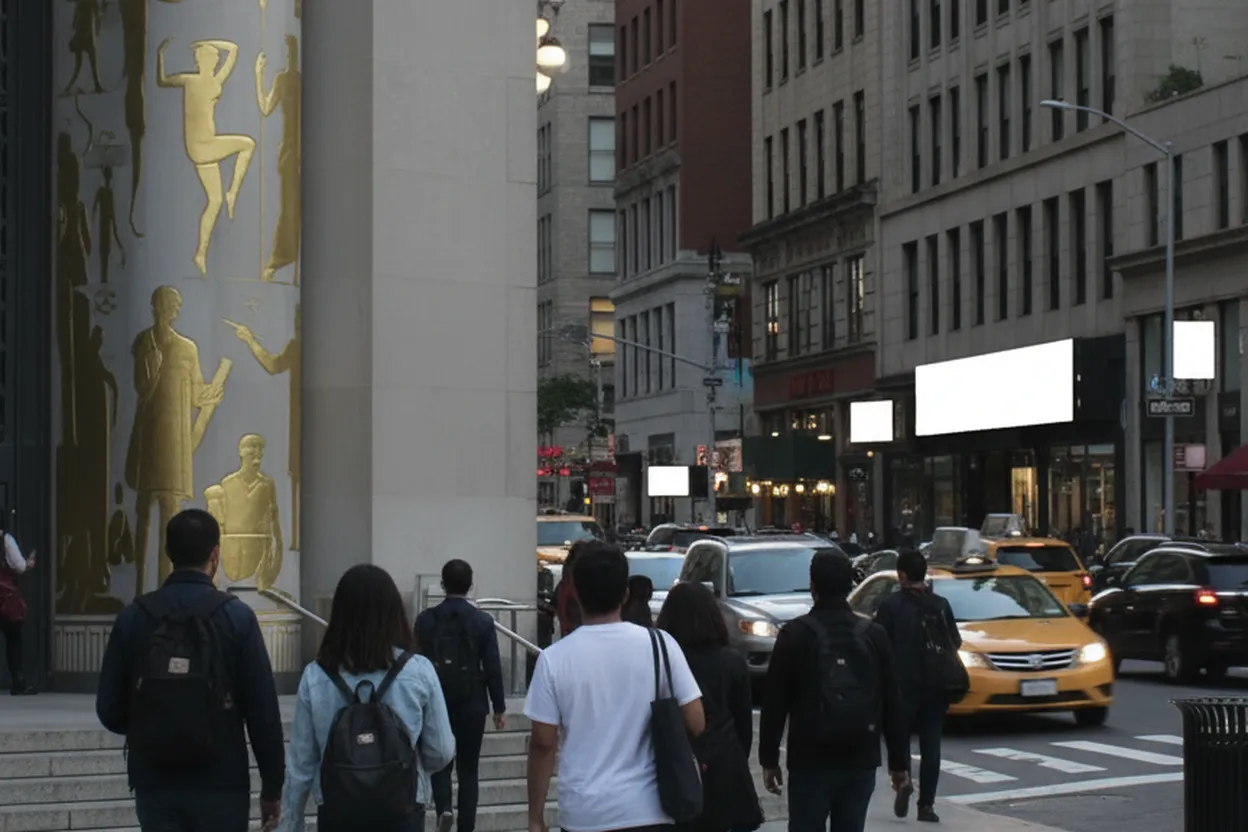
Bryant Park Walk Between Fifth and Sixth Avenues
After the library portion, Bryant Park gives the question a local test: what does evening light change for your real routine? Walk the perimeter between Fifth and Sixth Avenues, then note whether a later sunset would affect comfort, errands, homework time, exercise, or a commute home. Bryant Park’s accessibility page lists accessible entrances mid-block on 40th and 42nd Streets, which makes it a manageable loop for many visitors.
The limitation is that daylight is not the only variable. Weather, crowd density, restroom lines, personal safety comfort, and transit disruptions can matter more than the clock. Bryant Park notes accessible restrooms on the south side near Joe Coffee and at the northeast corner at 38 West 42nd Street. If the park feels packed or the weather turns, make SNFL the backup endpoint rather than forcing an outdoor route because the topic is about daylight.
Times Sq-42 St Subway Backup Instead of Bryant Park Station
For accessible transit, do not assume the nearest station is the best one. Bryant Park’s own accessibility guidance says the Bryant Park subway station on the B, D, F, and M lines is not accessible, while Times Sq-42 St is listed as the closest accessible station for several lines. It also points to 34 St-Herald Sq as another accessible option and notes that NYC Transit buses are wheelchair accessible.
Build the route around the person with the strictest access need. If elevators, stairs, fatigue, stroller handling, or a mobility aid are part of the trip, check MTA elevator status immediately before leaving, then choose the station. The MTA app guidance says riders can filter for accessible subway stations and should check elevator status before going. That final live check matters more than a saved itinerary from the morning.
Congress.gov Status Check Before Changing a Calendar
End the route with a source habit: open Congress.gov or an official House page and look for status, not slogans. H.R. 139, the Sunshine Protection Act of 2025, was introduced to make daylight saving time permanent, and House Rules materials show July 2026 floor action around the bill. Political support or passage in one chamber does not automatically mean clocks change for New York households the next morning.
Your final verification action is simple: before changing school calendars, medication reminders, travel bookings, or building access plans, confirm three things on official pages: current NIST time rules, current federal bill status, and any NYC institution hours for the specific date. If any one is missing or unclear, keep the current clock rule and plan for flexibility. For August 11, 2026 in NYC, the practical answer is learning, not adjustment.
Tags: #AskKarpo #BeforeYouGo #NYC #NewYorkCity #NYPL #BryantPark #DaylightSavingTime #PermanentDaylightSavingsTime #BackToSchool #SoloLiving #MidtownManhattan #LibraryWalk #TransitCheck #RoutinePlanning
Sources consulted: Source 1: nist.gov · Source 2: nypl.org · Source 3: nypl.org · Source 4: nypl.org · Source 5: bryantpark.org · Source 6: congress.gov
All trademarks are the property of their respective owners.
Ask Karpo first
Tell Karpo your date, group size, budget, and starting point. We’ll check current access, timing, transit, and the cleanest New York City plan for New York Public Library branches and after-work walking routes before you head out.