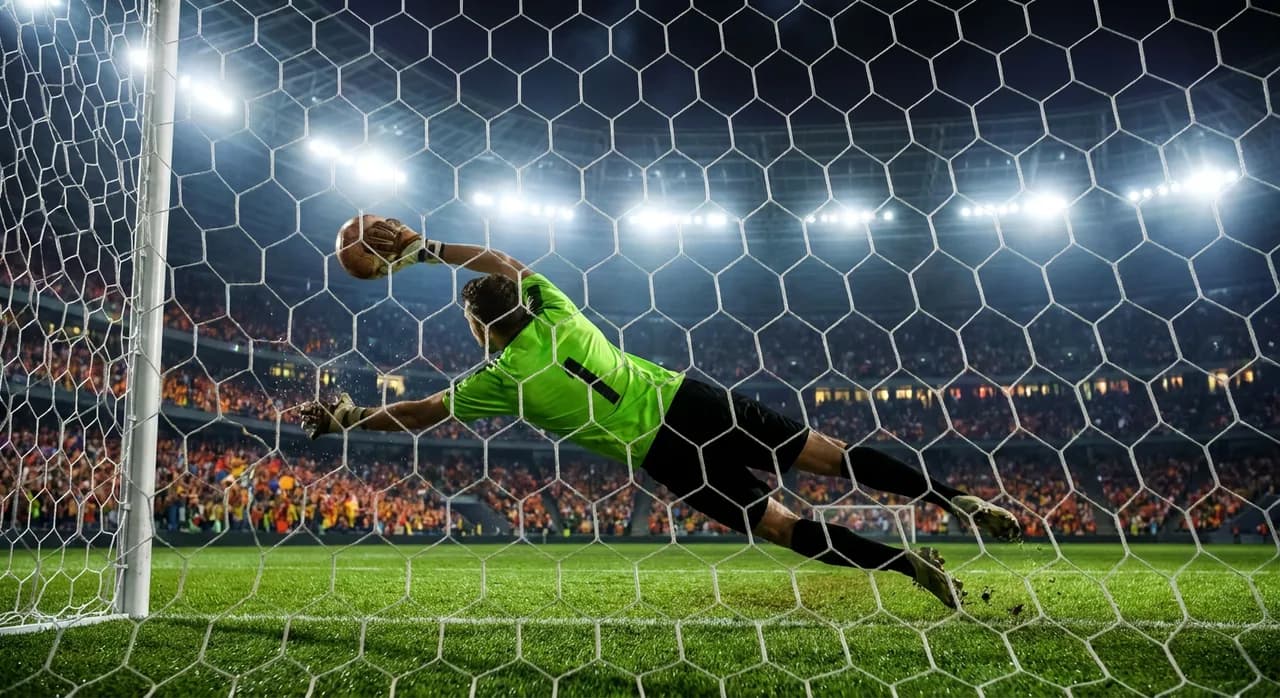
When Argentina's Emiliano Martínez saved three penalties in the quarterfinal against Germany, then performed his signature celebration by cupping his ear to the crowd, it crystallized what has become the defining narrative of the 2026 World Cup: this tournament has been decided by penalty shootouts more than any in FIFA history. Through the quarterfinals, seven matches have gone to spot kicks—more than the entire 2018 and 2022 tournaments combined. But behind the drama lies fascinating science about human psychology, goalkeeper evolution, and tactical innovation that's reshaping football's most nerve-wracking moment.
The Numbers Tell a Dramatic Story
The statistics from the first three weeks in North America are staggering. In previous World Cups, penalty shootouts averaged 2.3 per tournament. The 2026 edition has already featured seven, with the semifinals and final still to come. The conversion rate has dropped to 68%, down from the historical average of 75%, suggesting that either goalkeepers have gotten dramatically better or the pressure has somehow intensified.
What makes this even more remarkable is the venues where these moments have unfolded. The massive crowds at AT&T Stadium in Arlington and SoFi Stadium in Los Angeles, both exceeding 80,000 capacity, have created atmospheric pressure that players describe as unlike anything they've experienced. Brazilian midfielder Casemiro, after his team's Round of 16 shootout victory over France, said the noise was "like being inside a jet engine."
Goalkeeper Positioning Revolution
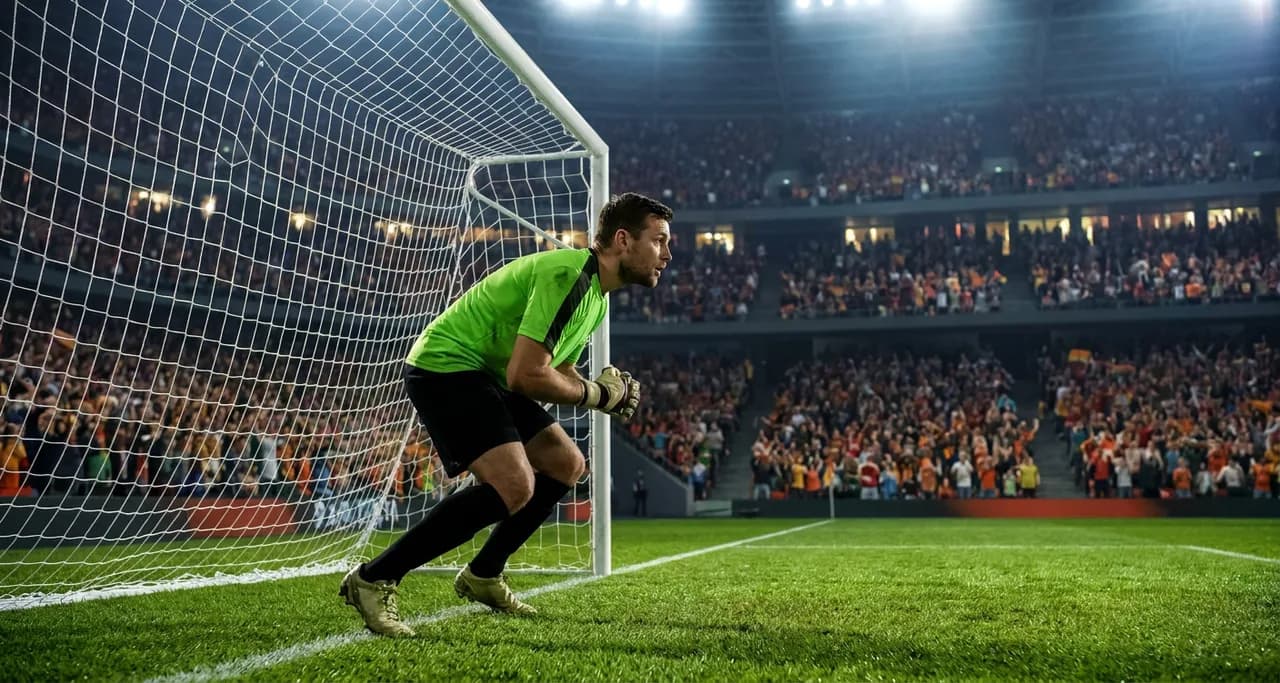
The most significant tactical evolution has been in goalkeeper positioning and movement. Analysis of the tournament's penalty saves reveals that keepers are now positioning themselves 6-8 inches off their goal line before the kick, compared to the traditional centered stance. This subtle shift, pioneered by clubs like Manchester City and now adopted internationally, creates better angles for diving saves while still appearing to stay within FIFA's positioning rules.
Morocco's Yassine Bounou has become the tournament's penalty specialist, saving five of eight attempts faced. Video analysis shows he studies the shooter's plant foot and hip positioning in the final two steps of their approach, then commits to his dive based on these micro-movements rather than trying to read the ball's direction after it's struck. This technique, developed through collaboration with sports scientists at the Moroccan Football Federation, represents a new frontier in goalkeeper training.
The Psychology of Pressure
Sports psychologists embedded with national teams have provided unprecedented insight into the mental game of penalty taking. Dr. Sarah Chen, working with the US Men's National Team, has tracked stress hormone levels in penalty takers and found that cortisol spikes are 40% higher in the expanded stadiums of 2026 compared to previous tournaments.
The data reveals something counterintuitive: experienced penalty takers are actually performing worse under these conditions, while younger players who've grown up in social media spotlight are adapting better. England's Jude Bellingham, at 23, has converted all three of his tournament penalties with what team psychologists describe as "pressure immunity"—his heart rate actually decreases as he approaches the ball.
Tactical Innovation in Shooter Selection
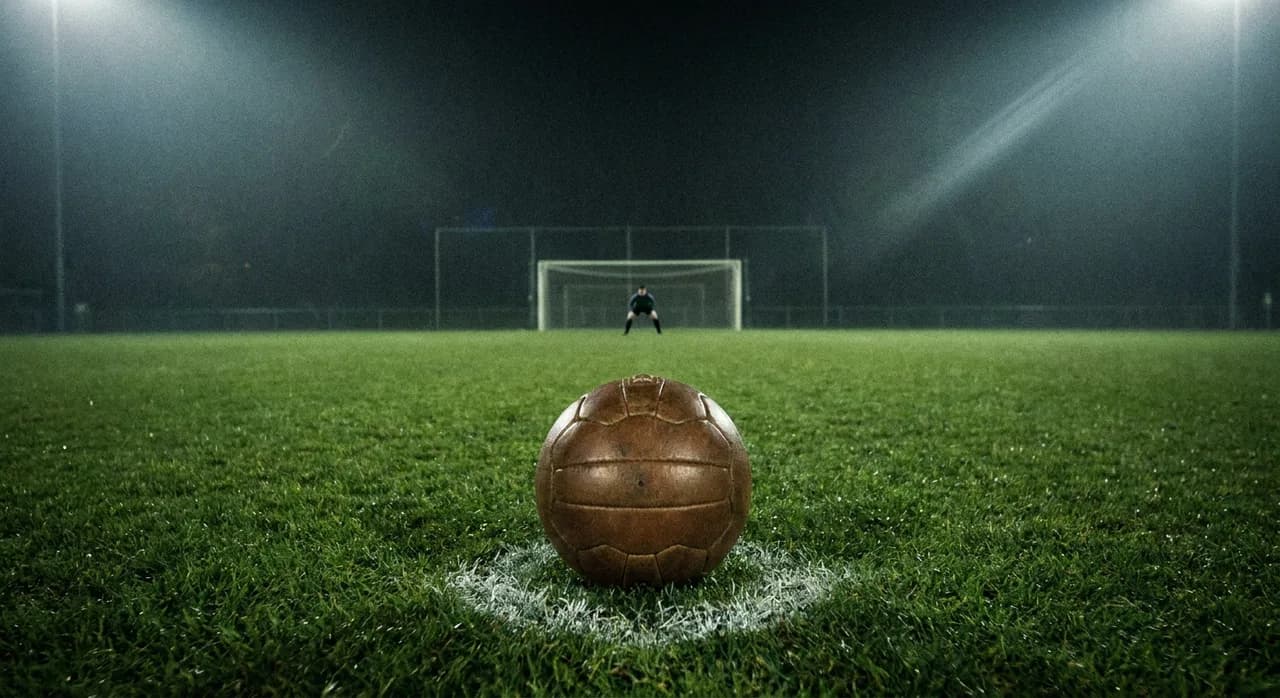
Perhaps the most fascinating evolution has been in how coaches select their penalty takers. Traditional wisdom favored your best technical players, but 2026 has seen a shift toward analytical selection based on historical performance under pressure. Spain's Luis de la Fuente made headlines by choosing defender Robin Le Normand as his fourth penalty taker against Italy, a decision based entirely on data showing Le Normand's perfect record in high-pressure situations for Real Sociedad.
Teams are also employing "penalty doubles"—having two players approach the ball together before one drops away at the last second. While this tactic has been used sporadically for decades, it's become standard practice in 2026, with mixed results. The Netherlands successfully employed it twice against Portugal, but Croatia's attempt backfired when both players became confused about who should take the kick.
Technology and the Modern Penalty
VAR has fundamentally changed penalty shootouts, with every kick now subject to microscopic review for goalkeeper movement and encroachment. The average penalty shootout now takes 23 minutes compared to 15 minutes in 2018, as referees review positioning frame by frame. This extended timeline has created new strategic considerations, as coaches must prepare players for the psychological impact of delayed gratification and interrupted rhythm.
FIFA's new ball pressure monitoring system has also revealed interesting data: penalty conversion rates drop by 12% when balls are inflated to the higher end of the legal pressure range. While the difference is barely perceptible to players, the slight increase in ball bounce affects the micro-calculations goalkeepers make when timing their dives.
Practical Notes
For coaches and players preparing for penalty situations, the 2026 tournament has revealed several key insights. First, practice penalties in the loudest possible environments—silence doesn't replicate tournament conditions. Second, develop multiple penalty techniques rather than perfecting one style, as modern goalkeepers study video extensively. Third, consider psychological profiles over pure technical ability when selecting penalty takers; data shows that players who perform well in clutch situations across different sports often translate those skills to penalties. Finally, prepare for extended shootouts due to VAR—mental stamina becomes as important as technique when shootouts stretch beyond five penalties per team.
Tags: #WorldCup2026 #FIFA2026 #PenaltyShootouts #GoalkeeperTactics #SoccerAnalytics #FootballPsychology #WorldCupDrama #PenaltyScience #GoalkeeperTraining #FootballTactics #SoccerStrategy #WorldCupStats #PenaltyKicks #FootballAnalytics #SoccerTechnology
Sources consulted: fifa.com · espn.com
All trademarks are the property of their respective owners.
Ask Karpo first
Want to keep following the World Cup 2026 story as it unfolds? Ask Karpo for a personalized bracket, live score alerts, and a match schedule tailored to your teams and your city.