Spain's Midfield Maestro Has Gone Missing
Pedri is one of the most naturally gifted midfielders of his generation. His passing, his spatial awareness, and his ability to control the tempo of a match from the center of the pitch have drawn comparisons to Andrés Iniesta since he burst onto the scene at Euro 2020 as a 18-year-old. But at the 2026 World Cup, the 23-year-old has been a shadow of himself. Across three group games, Pedri has created just one chance, completed zero through balls, and been dispossessed eight times — more than any other Spanish outfield player.
The Numbers Don't Lie
Pedri's World Cup statistics paint a concerning picture. His pass completion rate of 87% sounds respectable until you consider that 94% of his passes have been sideways or backward. He has attempted just three forward passes into the final third per game — down from his Barcelona average of 11. His heat map shows him congregating in the center circle rather than advancing into the spaces between the opposition's midfield and defense. Against Uruguay, he was substituted at halftime — the clearest indication yet that de la Fuente is losing patience.

An Unfamiliar Advanced Role Has Not Helped
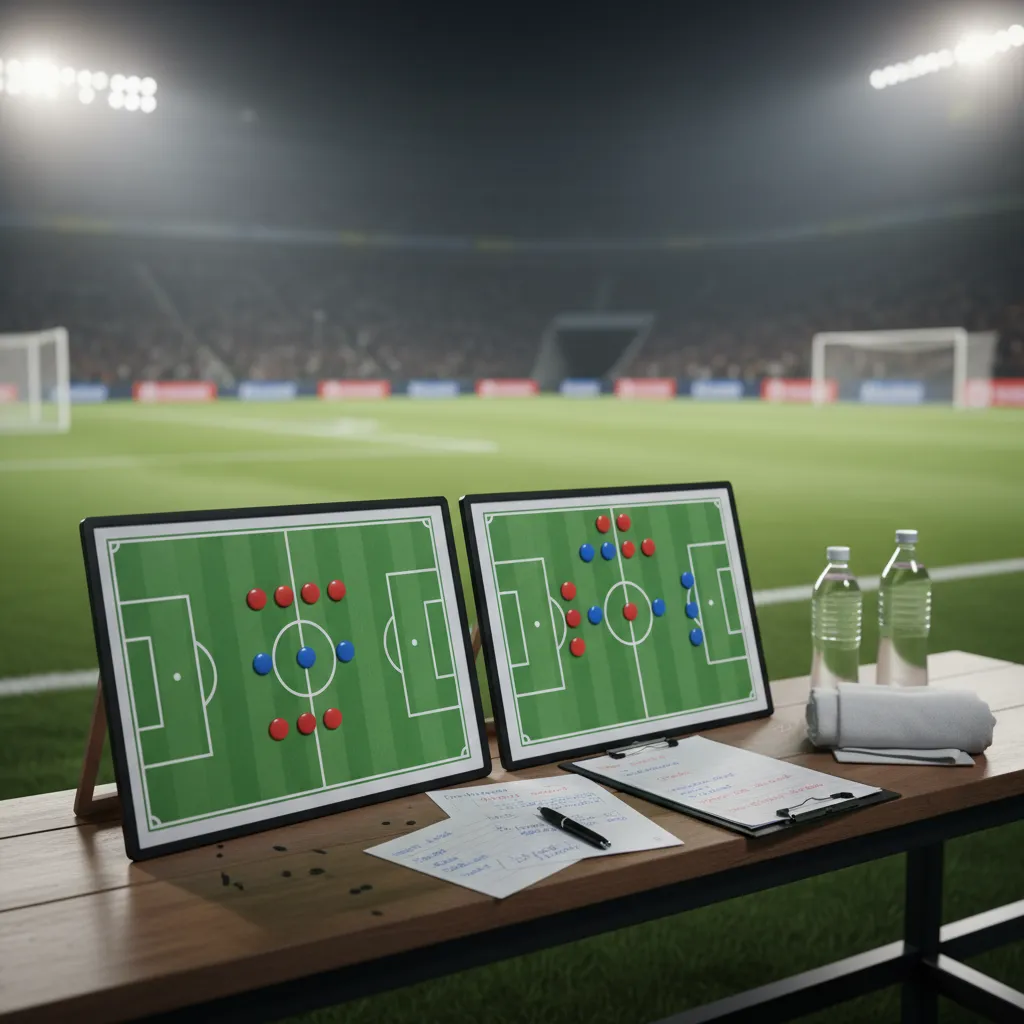
De la Fuente has experimented with pushing Pedri into a more advanced position — a number 10 role ahead of Rodri and Fabián Ruiz. The idea is sound in theory: give Pedri the ball in dangerous areas where his creativity can make the difference. In practice, Pedri has looked uncomfortable. He is a player who likes to receive the ball facing forward with time and space. In the number 10 position, he receives the ball with his back to goal under immediate pressure. The role requires different instincts — quicker decisions, more risk-taking, willingness to play the killer pass even when the odds are against it — and Pedri has defaulted to safety instead.
Barcelona Fatigue Is a Factor
Pedri played 48 games for Barcelona in the 2025-26 season, including Champions League matches that went deep into the spring. His workload across the last three seasons has been among the highest of any midfielder in European football, and there are signs that cumulative fatigue is catching up. His sprint speed has declined by approximately 8% compared to his season averages, and his reaction times — measured by how quickly he adjusts his positioning after a turnover — have slowed noticeably. Sports scientists at Barcelona warned that Pedri needed extended rest before the World Cup, but the compressed schedule made that impossible.
Rodri Is Carrying Spain's Midfield Alone
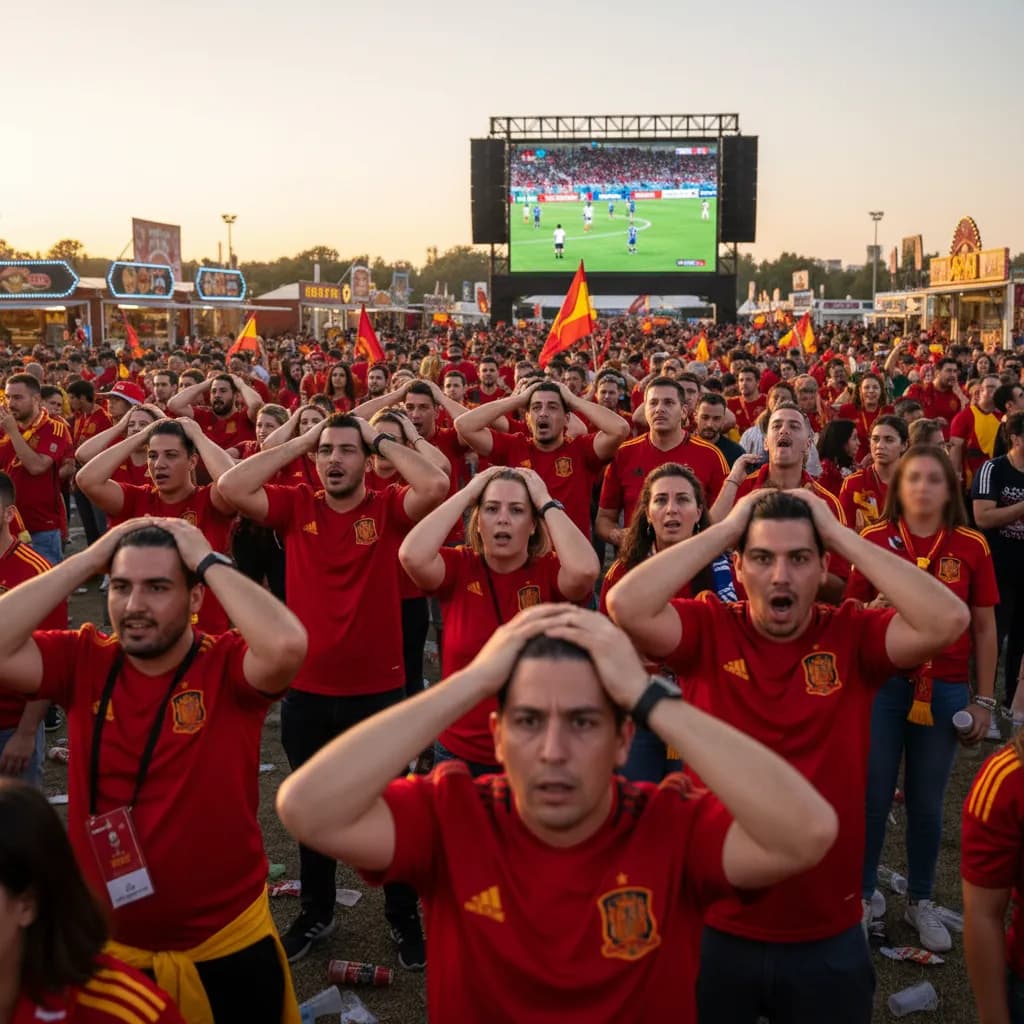
While Pedri struggles, Rodri has been magnificent. The Manchester City midfielder has completed more passes, won more duels, and covered more ground than any other central midfielder at the tournament. His reading of the game — intercepting passes before they are played, positioning himself to receive the ball under pressure and play forward — has been the one consistent element of Spain's midfield performances. But Rodri cannot do it alone. He needs a partner who can share the creative burden, and Pedri's inability to step up has left Spain's midfield lopsided.
What Needs to Change Against Austria
Spain face Austria in the Round of 32, and Rangnick's gegenpressing will test Pedri's composure to its limits. Austria press in packs — three or four players converging on the ball simultaneously — and they target players who dwell on the ball. Pedri's current tendency to take extra touches and play safe passes is exactly the profile Austria's pressing system is designed to exploit. De la Fuente may need to make a difficult decision: drop Pedri to the bench and bring in Dani Olmo or Fermín López, both of whom offer more dynamism and risk-taking in advanced positions.
The Comeback Is Not Impossible
Pedri has overcome adversity before. A devastating knee injury in 2022 threatened to derail his career, and his comeback — which included starring roles at Euro 2024 and in Barcelona's league title win — demonstrated mental resilience that belies his age. This World Cup slump may be temporary, caused by fatigue, tactical misuse, and the pressure of expectation. But the clock is ticking, and Spain cannot afford to wait for Pedri to find his form. The knockout rounds demand immediate impact, and right now, Spain's midfield engine is running on fumes.
Tags: World Cup 2026, Pedri, Spain, Barcelona, midfield struggles, Rodri, Luis de la Fuente, World Cup performance, Euro 2024 comparison
Sources consulted: ESPN · Barca Blaugranes · FIFA
All trademarks, team names, league names, and player likenesses mentioned in this article are the property of their respective owners and are used here for informational and editorial purposes only.
Ask Karpo First
Want to know where to watch Spain's knockout match and find the best Spanish food in Miami? Ask Karpo for the latest Spain schedule, tapas bar recommendations near Brickell, and a fan-friendly guide to Miami Gardens on matchday.