 Haaland Has Seven Goals and Norway Runs Entirely Through Him
⚽️2026 FIFA WORLD CUP
Pau Cubarsí’s 547 Passes Made a Teenager Spain’s Distributor
At just 19 years old, Pau Cubarsí completed 547 passes before the final, trailing only veteran Rodri at the tournament. His Best Young Player award reflected a new blueprint for ball-playing defenders in modern possession systems.
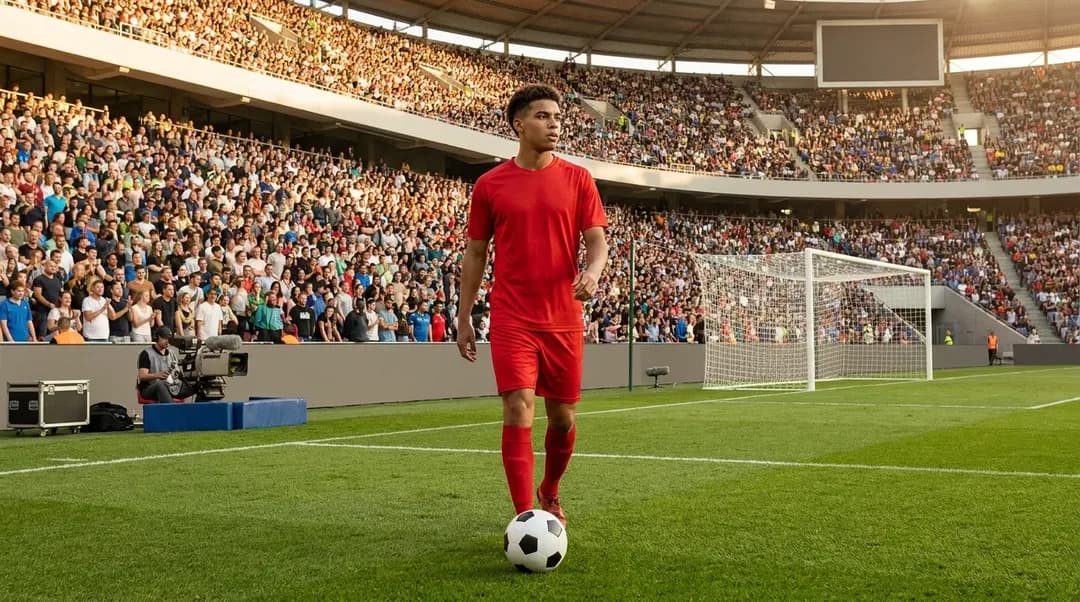
Pau Cubarsí arrived in East Rutherford having already etched his name into tournament history. Before the final at MetLife Stadium, the 19-year-old center-back had completed 547 passes, a total surpassed only by Rodri among all players at the competition. FIFA confirmed that Cubarsí played every minute of Spain's championship run, and his efforts earned him the Best Young Player award. For a teenager wearing the number at the back, those numbers represent more than defensive solidity—they signal a fundamental shift in how possession-oriented teams build their attacks from the deepest positions.
Text Karpo to explore how tactical formations shape passing volume from different positions, or ask about the historical evolution of ball-playing defenders in international tournaments. We'll send you curated analysis and comparable player profiles from past World Cups to deepen your understanding of positional playmaking.
The Mathematics Behind 547 Passes
To complete 547 passes before a final requires both opportunity and execution. Assuming Spain played six matches to reach the championship game, Cubarsí averaged more than 91 passes per match—a figure that reflects not just his technical ability but Spain's systematic approach to controlling games through possession. Center-backs in possession systems touch the ball more frequently than any other outfield position because they serve as the reset point when attacks stall or need restructuring. Every recycled ball, every switch of play, every patient buildup begins with defenders who can receive under pressure and distribute accurately across all distances.
The comparison to Rodri is particularly instructive. Rodri, a central midfielder by trade, naturally occupies spaces where passes accumulate—receiving from defenders, circulating possession horizontally, and feeding attackers. That a 19-year-old center-back compiled a total second only to one of the world's elite midfield distributors suggests Spain structured their entire system to flow through Cubarsí's feet. This was not incidental but architectural: modern possession football increasingly treats the center-back as the first playmaker, the player who dictates tempo and direction before the ball ever reaches the traditional creative positions.
Why Center-Backs Touch the Ball More Than Anyone
Positional mathematics explains why defenders in possession systems compile extraordinary pass totals. When a team commits to building from the back—refusing to concede possession through long clearances—the center-backs become the most involved players on the pitch. Opponents typically press with one or two forwards, leaving numerical superiority at the defensive line. This structural advantage means goalkeepers and center-backs can circulate the ball among themselves with relative safety, drawing opponents forward before exploiting the space they vacate. Every defensive touch is both a safe option and a potential trap for overeager pressing.
Cubarsí's 547 passes likely included many of these low-risk exchanges—passes to his defensive partner, drops to the goalkeeper, simple balls to fullbacks in space. But high volume does not mean low value. These seemingly mundane passes serve critical functions: they maintain possession under tournament pressure, they tire opponents who chase without reward, and they create the positional superiority that eventually unlocks defenses. The willingness to make the simple pass 80 times to create one dangerous opening defines the patience required of possession football's most important position.
The Profile of a Teenage Distributor
Not every center-back can perform this role, regardless of system. Cubarsí's 547 passes before the final required a specific technical and psychological profile. First, exceptional comfort receiving the ball while facing his own goal, often with opponents pressing from behind. Second, the vision to scan constantly and recognize options before the ball arrives. Third, the technical range to execute passes across the spectrum—short, medium, and long; left foot, right foot, and driven or lofted as the situation demands. Fourth, and perhaps most crucially for a teenager, the composure to accept responsibility for Spain's attacking rhythm even when mistakes at his position carry catastrophic consequences.
The Best Young Player award recognized all these dimensions. While such honors often celebrate attackers who score spectacular goals, FIFA's recognition of Cubarsí acknowledged the more subtle artistry required to control matches from the back. At 19, he demonstrated the maturity to play the role typically reserved for veteran defenders who have accumulated years of positional wisdom. His achievement suggests either exceptional personal development or, more likely, a generation raised on possession principles from youth academies that prioritize technical security and positional understanding above traditional defensive virtues.
Playing Every Minute as a Teenaged Defender
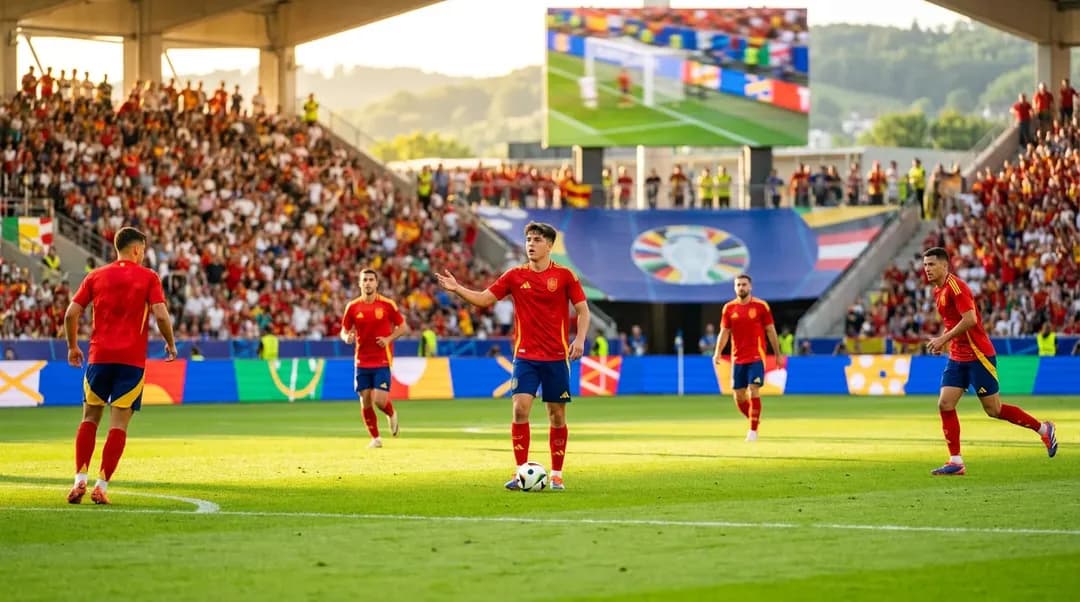
FIFA's confirmation that Cubarsí played every minute of Spain's championship run adds critical context to his pass total. Durability and consistency matter as much as talent in tournament football, where compressed schedules and accumulated fatigue test squads across multiple matches in diverse conditions. That Spain's coaching staff never found reason to substitute or rest their teenage center-back—despite presumably having experienced alternatives available—indicates complete trust in his ability to maintain technical standards and tactical discipline across 90-minute performances, potentially including extra time in knockout rounds.
This continuity also allowed Cubarsí to develop rhythm and understanding with his teammates across matches. Positional partnerships require time to calibrate—learning when to pass and when to dribble, recognizing which teammates check to feet and which run in behind, understanding how to adjust spacing as games evolve. By playing every minute, Cubarsí avoided the disruption of rotation, building the cohesion necessary for a possession system to function seamlessly. His ever-presence became both cause and effect: he played every minute because he performed excellently, and he performed excellently partly because he played every minute.
How Possession Systems Elevate Defender Statistics
Cubarsí's remarkable pass total cannot be separated from Spain's systematic approach. Possession football is not merely a style preference but a comprehensive tactical method that assigns specific responsibilities to every position. For center-backs, this means accepting significantly more touches than they would in a counter-attacking or direct system. Where some teams instruct defenders to clear danger quickly and launch transitions, possession teams ask defenders to absorb pressure, invite opponents forward, and use their numerical advantages in buildup zones to progress the ball methodically through lines.
This systemic factor means Cubarsí's 547 passes reflect both individual excellence and collective design. A less technically gifted defender in the same system would have accumulated fewer successful passes due to turnovers under pressure. But even the most talented defender in a different tactical framework would not approach such totals if his team prioritized vertical speed over patient buildup. The number 547 represents the intersection of personal ability and systemic opportunity—Cubarsí possessed the skills Spain's approach required, and Spain's approach created the conditions for those skills to manifest in extraordinary statistical output.
What This Means for Defensive Playmaking's Future
Cubarsí's performance and recognition at 19 may signal where international football continues to evolve. As more teams adopt possession-based approaches—either by conviction or by necessity against opponents who concede the ball—the profile of the elite center-back shifts away from purely defensive attributes toward a more complete skill set. The modern center-back must defend expertly, certainly, but increasingly must also initiate attacks, switch play, break pressing lines, and maintain composure across hundreds of touches per match. This expanded role requires different player development pathways, with technical training and positional understanding emphasized earlier and more consistently.
The Best Young Player award going to a center-back rather than a forward or attacking midfielder represents institutional recognition of this shift. FIFA's acknowledgment that controlling possession from the back constitutes excellence worthy of individual honor may influence how academies worldwide develop young defenders and how clubs value different defensive archetypes. If a 19-year-old can complete 547 passes before a World Cup final and earn tournament recognition, the pathway is clear: the next generation of elite defenders will be built not in the image of pure stoppers but in the mold of distributors who defend—players for whom passing volume and defensive security are inseparable dimensions of a single, evolved role.
Tags: #PauCubarsi #Spain #WorldCup2026 #BallPlayingDefender #PossessionFootball #CenterBack #TacticalAnalysis #BestYoungPlayer #DefensivePlaymaking
All trademarks are the property of their respective owners.
Ask Karpo First
Understanding how pass totals correlate with tactical systems across different leagues and competitions can transform how you watch matches. Karpo can compare Cubarsí's tournament numbers against top center-backs in club football, explain how pressing intensity affects defensive passing volumes, or break down the specific types of passes that separate elite distributors from merely competent defenders. Whether you're analyzing individual players or broader tactical trends, starting with the right questions helps you see patterns the casual observer misses.
Ask Karpo for more information.
Keep reading
- Haaland Has Seven Goals and Norway Runs Entirely Through Him
 World Cup Trophy Ceremony Timing Medals and Postmatch Celebrations
 Olise and France's Attack: The Semifinal Tactical Question