 Where to Eat Near Penn Station That Isn't a Chain
US Open 2026
Passenger Threats Travel Safety Checklist For US Open 2026
A practical safety and planning checklist for navigating the 2026 US Open crowds, transit, and Queens neighborhoods with confidence.
The 2026 US Open returns to Flushing Meadows Corona Park from August 23 through September 13, bringing hundreds of thousands of tennis fans to Queens over three weeks. Fan Week runs August 23–29, followed by the main draw starting August 30. Whether you're riding the 7 train from Manhattan, walking from Corona, or connecting through Jackson Heights, this checklist helps you think through the practical safety and logistics that make a long day in the crowds smoother, calmer, and more enjoyable. This is not about fear—it's about preparation, awareness, and knowing how to move through a major event with your plans intact.
Text Karpo your match session, neighborhood start point, and appetite, and we will turn this US Open 2026 local scene into a live Queens plan.
Know your transit route and backup options
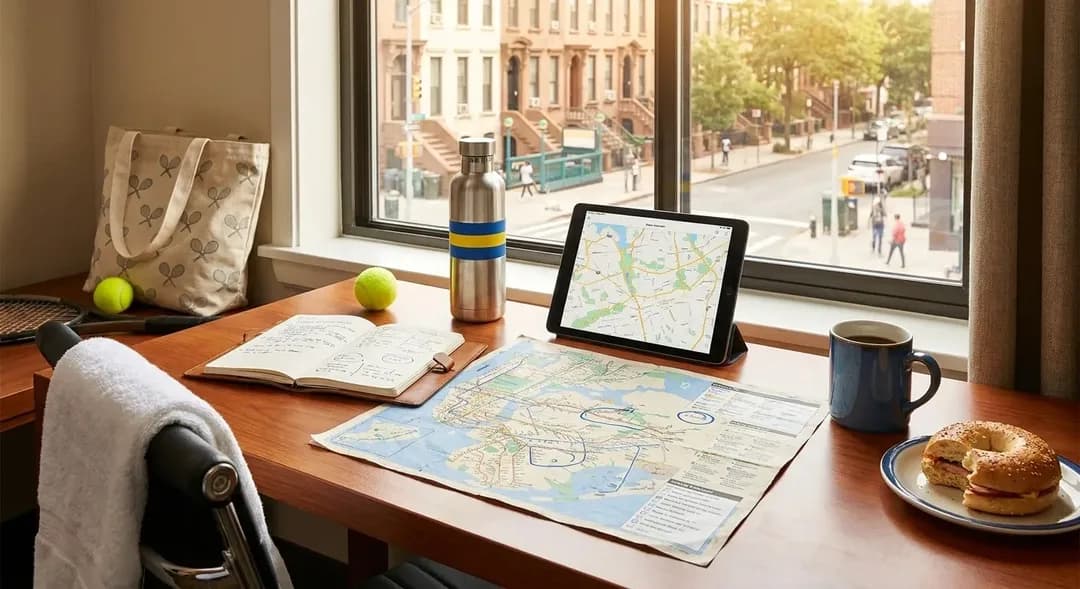
The 7 train to Mets–Willets Point is the primary public transit route to the US Open, and it will be packed during peak session times. The MTA publishes a US Open transit guide each year with service updates, platform changes, and crowd management details. Check that guide the morning of your visit—not the night before—because weekend and evening service can shift. If the 7 is delayed or overcrowded, know your alternatives: the Q48 bus from Flushing Main Street, the Q58 from Corona, or the LIRR to Mets–Willets Point from Penn Station or Atlantic Terminal. Keep a screenshot of your route, a backup route, and the MTA service status page. Download offline maps if your signal drops underground or in the park.
Plan for security screening and entry delays
The US Open uses airport-style security screening at all gates, and lines grow long before popular sessions, especially evening matches and weekend days. The USTA publishes a prohibited items list and bag policy on USOpen.org under the Plan Your Visit section. Arrive earlier than you think you need to—especially if you have reserved seats for a specific match start time. Bring only what you need: a small bag, your phone, your ticket (digital or printed), sunscreen, and any necessary medication. Leave large backpacks, outside food and drink, and prohibited items at home. If you're traveling with a group, agree on a meeting spot inside the grounds in case you're separated during entry or in the crowds.
Prepare for weather extremes and sun exposure
Late August and early September in Queens can bring intense sun, sudden thunderstorms, high humidity, and occasional heat advisories. Many outer courts have minimal shade, and even covered seats can feel hot during midday sessions. Wear sunscreen, bring a hat, and dress in layers you can adjust. The USTA allows empty, soft-sided water bottles through security, and free water refill stations are located throughout the grounds. If storms roll in, know where the nearest indoor pavilion or covered walkway is—these fill quickly, so don't wait until the rain starts. Check the hourly weather forecast the morning of your visit and have a rain plan, whether that's a poncho, a nearby café stop, or a flexible ticket that lets you leave and return.
Stay aware in crowds and on packed trains
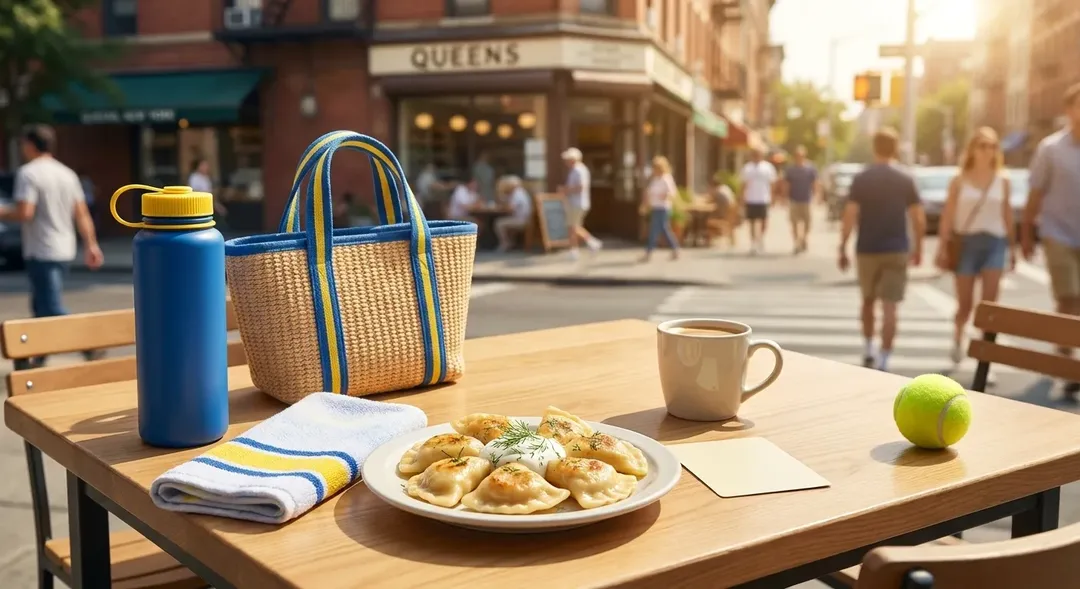
Large crowds create opportunities for pickpockets, accidental separation from your group, and disorientation in unfamiliar spaces. Keep your phone, wallet, and ticket in a front pocket or a bag you can see and feel. On the 7 train, stay alert during the crush at Mets–Willets Point—this is when bags get bumped, phones slip out, and people lose track of their belongings. If you're traveling with children, agree on a plan if you're separated: a specific meeting spot, a phone number they can call, or a staff member they can approach. Inside the grounds, note landmarks near your seat—a specific food stand, a court number, a gate—so you can navigate back after walking the grounds or using the restroom.
Charge your phone and keep it accessible
Your phone is your ticket, your map, your transit card, your camera, and your connection to your group. Start the day with a full charge, and bring a portable battery if you plan to stay for multiple sessions or into the evening. The US Open app provides live scores, court assignments, and grounds maps, but it drains battery quickly. If your phone dies, you may lose access to your ticket barcode, your transit card, and your ability to contact your group. Know where charging stations are located on the grounds—these are listed on the official US Open map—and don't wait until you're at 5% to look for one.
- Check MTA service status and the US Open transit guide the morning of your visit
- Arrive at least 30–45 minutes before your planned entry time to account for security lines
- Bring only a small bag that meets the US Open bag policy, and review the prohibited items list
- Wear sunscreen, a hat, and layers; bring an empty water bottle to refill inside
- Keep your phone, wallet, and ticket in a secure, accessible pocket or bag
- Agree on a meeting spot with your group in case you're separated
- Start the day with a full phone charge and bring a portable battery
- Know your backup transit route and have offline maps saved
Explore the neighborhood before or after—not during the rush
Corona, Flushing, and Jackson Heights offer excellent food, parks, and local culture, but navigating them during the peak US Open rush—especially right after an evening session—can be chaotic. If you want to explore, plan to arrive early and eat in the neighborhood before heading to the grounds, or stay late and let the transit crowds thin before you leave. The 7 train corridor is dense, vibrant, and full of options, but it's also unfamiliar to many visitors. Walk with purpose, keep your belongings close, and don't stop in the middle of the sidewalk to check your phone. If you're unsure where you're going, step into a shop or café to reorient rather than standing on a corner looking lost.

Trust your instincts and ask for help when you need it
If something feels off—a crowded train car that makes you uncomfortable, a person standing too close, a situation that doesn't seem right—trust that feeling and move. Change cars, step off the train, walk to a different gate, or find a staff member. The US Open employs thousands of event staff, security personnel, and volunteers, all wearing visible identification. If you're lost, confused, or concerned, ask them. The NYPD also maintains a visible presence on the grounds and at transit hubs. You are not bothering anyone by asking for directions, reporting a concern, or requesting assistance. That's what they're there for.
US Open® is a registered trademark of the United States Tennis Association. This article is an independent travel guide and is not affiliated with, endorsed by, or connected to the USTA, the US Open, or the International Tennis Federation.
Tags: #USOpen2026 #Queens #FlushingMeadows #KarpoFinds #Karpo #TennisTravel #NYCLocalLife #FanWeek #USTennis #NewYorkGuide #USOpenGoogleTrendslocalexpan #Buzz
All trademarks are the property of their respective owners.
Ask Karpo first
Want to know what is actually open, how to time the trip, and where to pause around Queens? Ask Karpo for the latest public US Open context, a respectful visitor plan, and a live route around Flushing Meadows before you head out.
Ask Karpo for more information.
Keep reading
- Where to Eat Near Penn Station That Isn't a Chain
 Andytown Coffee in the Outer Sunset: The Snowy Plover Explained
- Best Things to Do in Chicago: What the City Gives Away