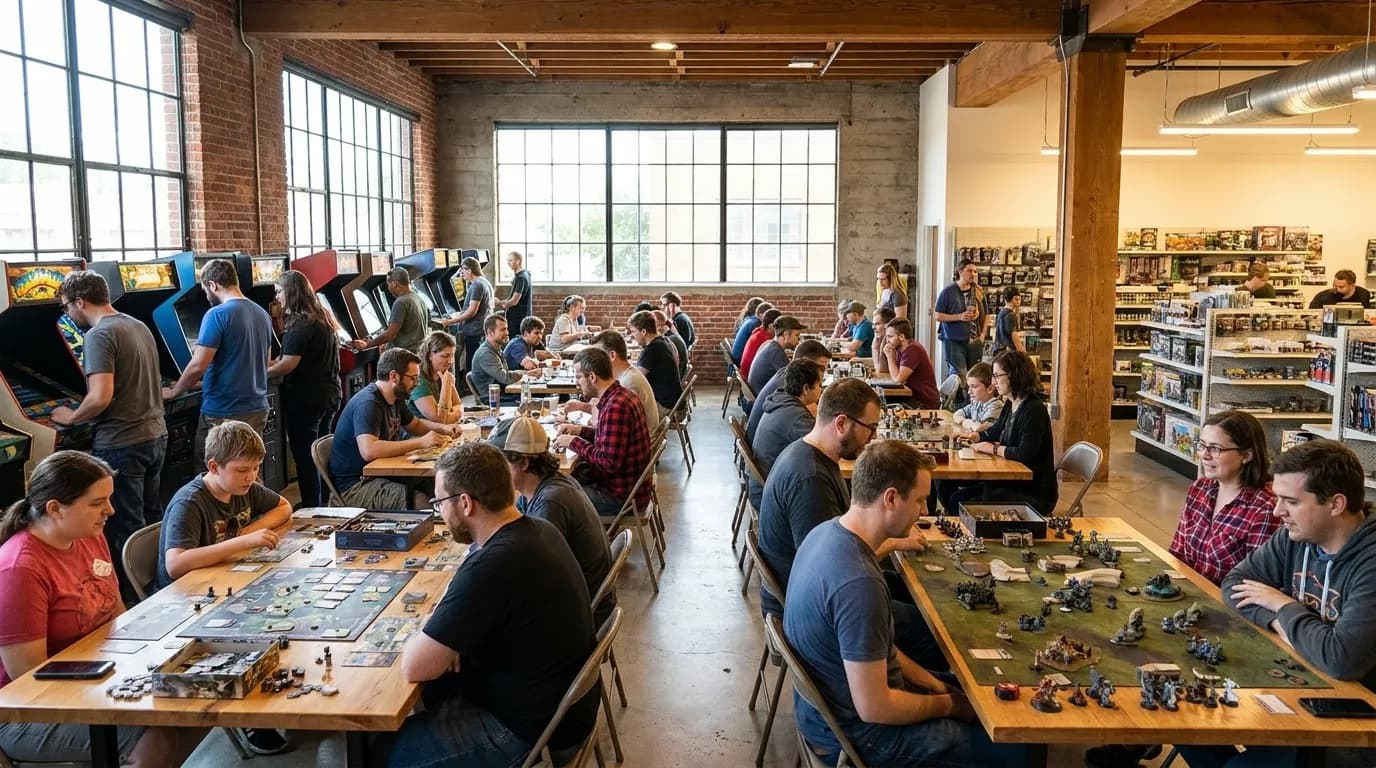
Every time a major game drops a content refresh—whether it's the latest Palworld update or any other title dominating your feed—the urge to dive back in is real. But San Francisco's gaming culture has always thrived in the space between digital obsession and physical gathering. While you're reading patch notes and theorycrafting builds online, a parallel universe of tabletop strategy, retro arcade competition, and hobby-shop camaraderie is humming across neighborhoods from the Mission to the Richmond. This isn't about official tie-ins or branded events; it's about channeling that gaming energy into discovering the city's rich landscape of community play spaces where strangers become party members and a Tuesday night can turn into a campaign that lasts months.
Before you commit to any venue, timing matters. Tabletop shops host different events on different nights, arcade bars shift from all-ages afternoons to 21+ evenings, and hobby communities often require advance registration for popular sessions. Tell Karpo your San Francisco neighborhood, age group, favorite game style, group size, alcohol preference, budget, and date. We'll find a suitable gaming-community stop and verify event access before you go—because showing up to a sold-out board game night or a members-only tournament wastes everyone's time.
Tabletop Terrain: Where Strategy Moves Off-Screen
San Francisco's tabletop scene spans everything from dense Euro-strategy nights to sprawling miniatures battles that take over entire tables for hours. Shops like Gamescape on Divisadero have anchored the community for years, offering demo libraries, open gaming tables, and staff who can recommend a title based on your digital preferences—if you love base-building survival games, they'll point you toward resource-management board games; if you're into creature collection, there's a card game for that. These spaces typically welcome drop-ins during open play hours, but organized events like Magic: The Gathering drafts or Warhammer tournaments often require pre-registration and entry fees that range widely depending on format and prize support.
Budget considerations vary dramatically. Browsing and trying demo games is usually free or requires a modest table fee; purchasing your own game can run from twenty dollars for a small-box card game to several hundred for a deluxe miniatures set. If you're exploring with a group, splitting the cost of a new cooperative game and playing it at a café or park is often more economical than per-person entertainment elsewhere. Always ask about rental libraries or play-to-try programs before buying.
Arcade Bars: Quarters, Cocktails, and Crowd Dynamics
Emporium Arcade Bar's San Francisco location combines free-to-play classic cabinets with a full bar, creating a scene that skews social and nostalgic rather than competitive. Expect crowds on weekend evenings, especially in the SOMA and surrounding areas where after-work groups and birthday parties converge. The all-ages window typically ends early evening, so if you're bringing younger players or prefer a quieter atmosphere, arrive mid-afternoon. Accessibility can be challenging during peak hours—narrow pathways between machines, dim lighting for ambiance, and high noise levels are standard.
Most arcade bars operate on a cover charge or token system; verify the current model before you go, as policies shift. Alcohol service means ID checks at the door after a certain hour, and some venues enforce strict age limits once the kitchen closes. If your group includes non-drinkers or minors, confirm the timing window and whether food service extends through your planned visit. Transit is straightforward via Muni or BART to central locations, but late-night service can be sparse—plan your exit strategy if you're staying past midnight.
Hobby Communities: Miniatures, Models, and Maker Spaces
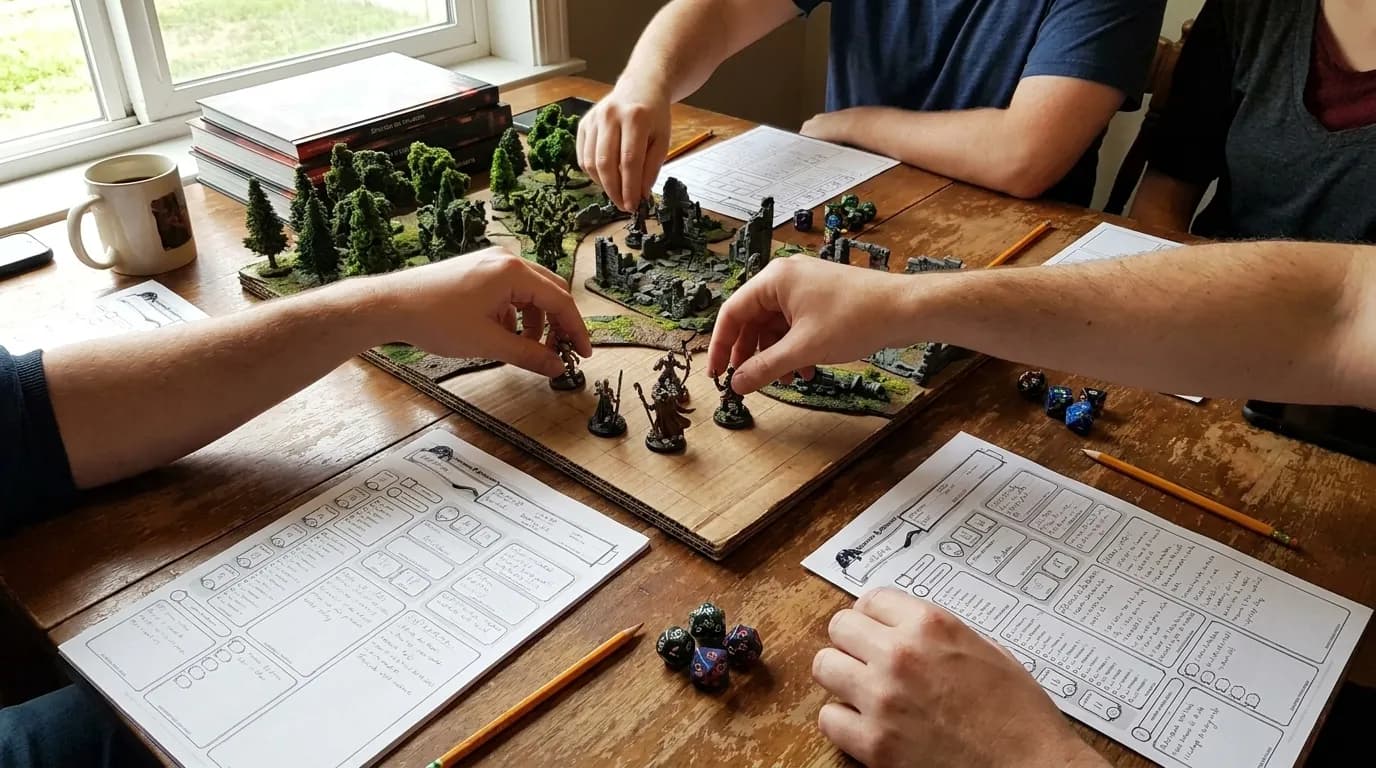
Painting miniatures, assembling terrain, and running narrative campaigns occupy a dedicated corner of San Francisco's gaming world. These communities often gather in hobby shops with painting stations and display cases, or in maker spaces that welcome gaming projects alongside other crafts. Participation usually involves purchasing your own supplies—paints, brushes, miniatures—but many shops offer starter sessions or loaner tools to help newcomers test the waters before investing. The time commitment is real: a single miniature can take hours to paint well, and a full army or terrain set is a months-long project.
Social dynamics here tend toward the patient and detail-oriented. If you thrive on immediate feedback and fast rounds, this might not be your speed; if you love incremental progress and the meditative rhythm of fine brushwork, you'll find your people. Many groups organize painting nights or slow-grow leagues where everyone builds and paints a small force over several weeks, then plays casual games as the collection expands. Ask about beginner-friendly events and whether loaner armies are available for demo games before you buy in.
Navigating Schedules, Reservations, and Unwritten Rules
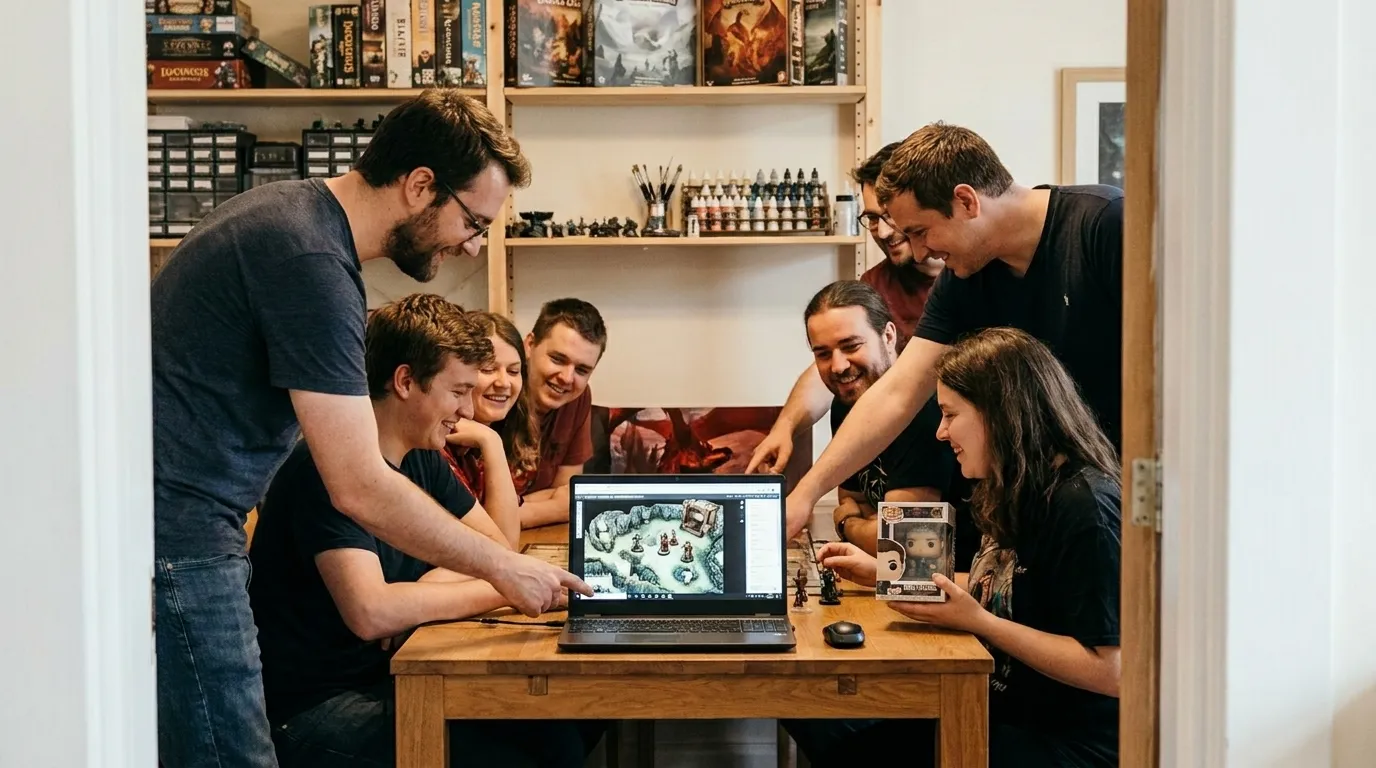
Gaming venues run on rhythms that aren't always obvious from a website. Weekly events may pause for holidays, private bookings can close off sections of a shop, and popular game nights fill up fast. Call ahead or check social media for real-time updates, especially if you're traveling from outside the immediate neighborhood. Some communities use Discord servers or Facebook groups to coordinate, and showing up without checking in can mean arriving to a locked door or a fully booked table.
Unwritten etiquette: don't camp at a table if you're not actively playing, especially during busy hours. If you're trying a demo game, ask staff for a rules overview rather than expecting other players to teach you mid-session. Respect the vibe—some spaces are loud and social, others are focused and quiet. If you're unsure, observe for a few minutes before diving in. Tipping is expected at bars, even if arcade play is free; budget accordingly.
Group Fit: Solo Explorers, Couples, and Full Parties
Solo visitors often find the warmest welcome at tabletop shops during organized play nights, where the whole point is to match players for pick-up games. Arcade bars are harder to navigate alone unless you're comfortable striking up conversations over a shared cabinet. Couples do well at board game cafés or smaller arcade spots where you can claim a machine or table without needing a full party. Groups of four or more should reserve ahead for tabletop events and be prepared to split up at crowded arcade bars—few venues have space for a large group to stay together all night.
If your group spans a wide age range or has mixed interest in alcohol, prioritize venues with clear all-ages hours and robust food menus. A spot that's perfect for a 21+ crew on a Friday night might be unwelcoming or even off-limits for a family outing on Sunday afternoon. Always confirm age policies and timing before you commit.
Practical Limits: What This Scene Isn't
San Francisco's gaming community is vibrant, but it's not infinite. Niche genres may lack regular events—if you're into a specific deck-builder or skirmish game, you might need to organize your own group rather than finding an existing scene. Accessibility varies widely: older buildings may lack elevators, restrooms can be cramped, and sensory environments (noise, lighting, crowds) are rarely optimized for comfort. If you have specific access needs, contact venues directly and ask detailed questions; generic website assurances often don't reflect ground truth.
Budget creep is real. A free night of arcade play turns into a bar tab; a casual board game demo turns into a purchase; a single miniature becomes a full army. Set a spending limit before you go, and be honest with yourself about whether you're exploring or investing in a new hobby. Both are valid, but they require different financial planning.
Tags: San Francisco gaming community, tabletop gaming San Francisco, arcade bars SF, board game shops, hobby gaming, Palworld update, gaming culture, community play spaces, San Francisco hidden gems, local multiplayer, analog gaming, gaming events SF
Tell Karpo your San Francisco neighborhood, age group, favorite game style, group size, alcohol preference, budget, and date. We'll find a suitable gaming-community stop and verify event access before you go.
Sources consulted: pocketpair.jp · gamescapesf.com · emporiumarcadebar.com
All trademarks are the property of their respective owners.
Ask Karpo first
Tell Karpo your San Francisco neighborhood, age group, favorite game style, group size, alcohol preference, budget, and date. We’ll find a suitable gaming-community stop and verify event access before you go.


