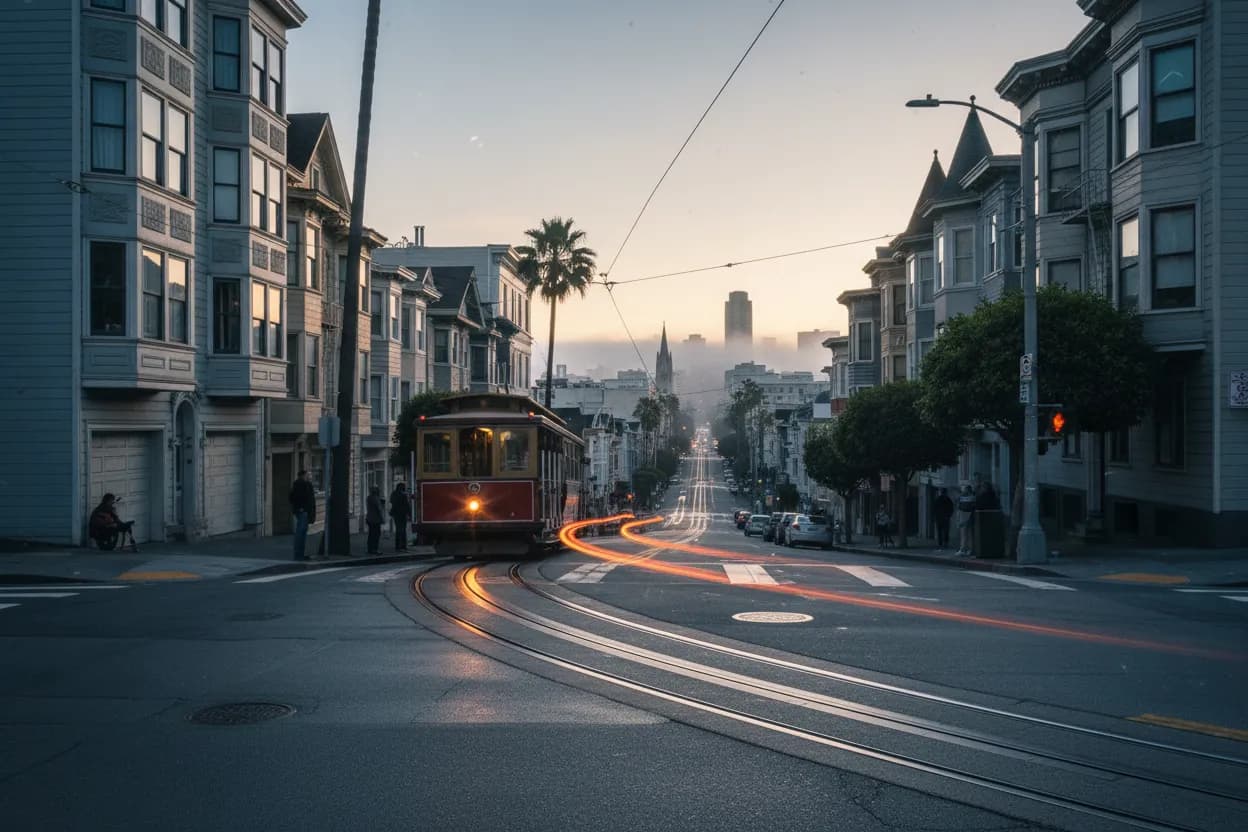
outside lands can make San Francisco feel like one big appointment: routes get discussed, crowds get guessed at, and everyone suddenly has a plan. Treat that attention as a search hook, not a promise. This guide does not assume a festival ticket, a celebrity sighting, private access, or any special affiliation. It uses the moment to build a public, verification-first city detour for odd finds: places with civic texture, transit clues, archive-like details, or overlooked neighborhood context. The practical rule is simple: before leaving, check the official transportation source, confirm whether the stop you want is publicly accessible today, and keep a second option close enough that a reroute, elevator outage, or crowd pocket does not waste your afternoon.
Want a San Francisco detour checked before you commit? Text Karpo with your starting point, time window, mobility needs, and the odd-find style you want.

Use the headline to open a more curious detour
The useful way to read an outside lands spike is not, “Where is the crowd going?” It is, “What public San Francisco plan can survive the crowd being wrong?” Start by separating search noise from confirmed logistics. SFMTA’s official site is the practical base layer because it publishes transit alerts, a trip planner, route and stop information, visitor guidance, travel maps, and elevator status. Those are the checks that matter before you chase an odd corner of the city.
Build the detour around a time block, not a fantasy itinerary. Pick a starting location, an ending location, and a travel mode in the SFMTA trip planner. The official options shown include Muni, walking, biking, driving and parking, and taxi information. If your plan depends on Muni Metro access, add the elevator-status check before you go. If your plan depends on a specific street or transfer, look at current alerts, because the official SFMTA page can show active reroutes and recent service updates.
Choose a place with a real point of view
For hidden gems and odd finds, avoid the vague “cool neighborhood” plan. Choose a place because it has a point of view: a transit relic, a civic archive feel, an unusually specific storefront, a public stair, a historic streetcar connection, or a municipal detail that makes the city legible. The official SFMTA extract confirms that San Francisco can be explored by Muni train, bus, historic streetcar, and cable car routes, which is enough to make the ride itself part of the detour.
A strong public plan has three parts. First, pick the odd stop. Second, identify the nearest Muni route or stop on the official route pages. Third, decide what you will do if the location is closed, crowded, or less interesting than expected. This is especially important in San Francisco, where a few blocks can shift from packed to quiet, windy to sheltered, or easy to confusing. Do not let the first stop carry the whole day.
Look for materials archives or hands-on details
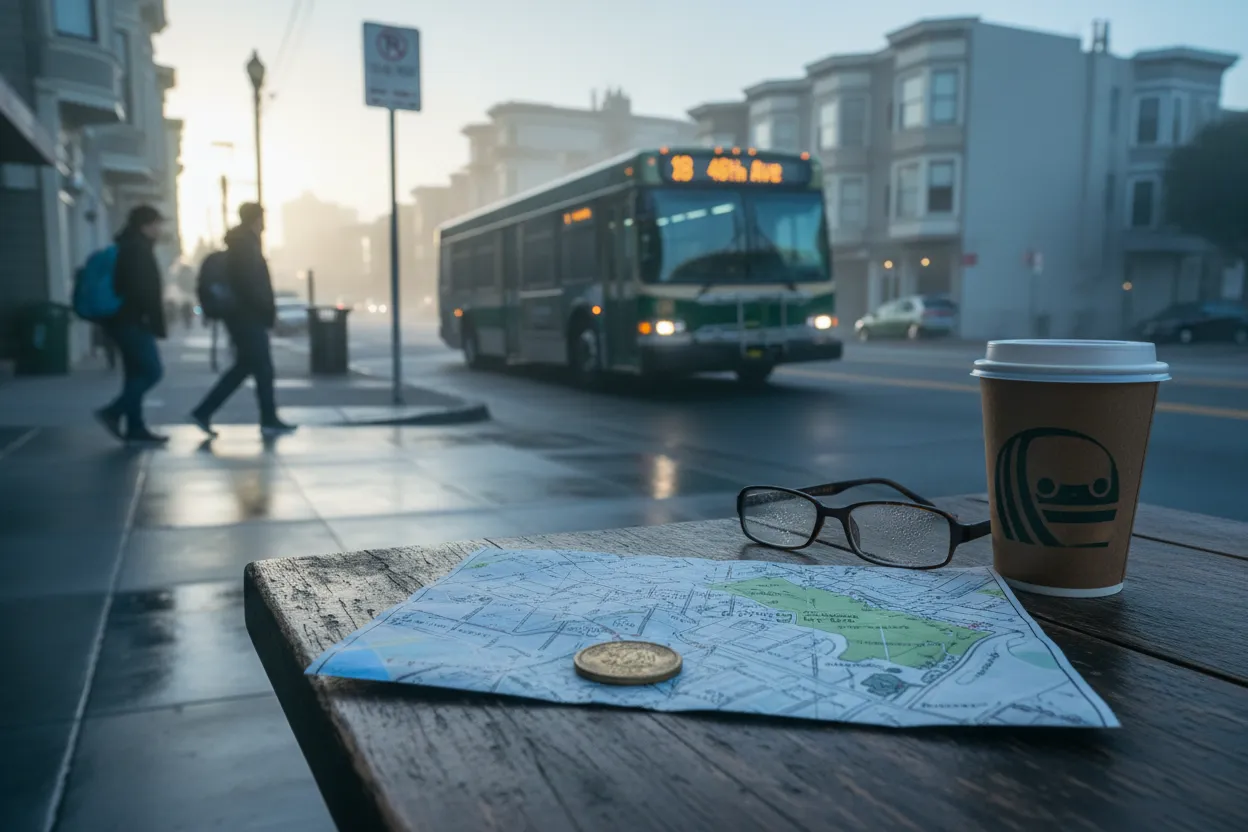
The best odd finds in a city are often not advertised as attractions. They are places where materials, tools, signs, maps, infrastructure, or neighborhood traces are visible. Because changing entry details should not be guessed, treat every candidate as provisional until you verify it on its official page or at the site itself. If the location is connected to a park or recreation facility, use the San Francisco Recreation and Park Department’s official site for current details, because availability and access can change.
Use the first ten minutes on arrival as a reality check. Are public areas clearly marked? Are there posted rules? Is photography allowed where you are standing? Is the entry point obvious, or are you drifting toward a private doorway? Odd-find travel works best when you stay alert to boundaries. A material archive, working facility, or hands-on space can be fascinating precisely because it is not staged for visitors; that also means you should not assume staff time, storage-room access, or permission to handle objects.
Pair the odd stop with a calmer second option
Every San Francisco hidden-gem plan needs a nearby backup. The backup should be calmer, simpler, and easier to exit than the first stop. If the first idea is an interior space, make the second a walkable public viewpoint, transit ride, or neighborhood loop. If the first idea depends on a specific route, make the second reachable by another mode shown in the SFMTA trip planner, such as walking, biking, Muni, or taxi.
Crowd risk is not just about event attendance. It can come from reroutes, construction, weekend shared spaces, weather shifts, or a popular corridor becoming slow at the wrong hour. The SFMTA official page lists travel and transit updates and highlights that service changes can have start dates, such as Muni service changes beginning Aug. 29. That is why your backup should be decided before departure, not invented while you are standing on a corner with low patience.
Respect access photography and privacy rules
Odd does not mean open. Public-facing does not mean unrestricted. Before photographing signs, interiors, workers, residents, children, or sensitive infrastructure, look for posted rules and use ordinary restraint. If a place feels like a workplace, a residence, a school-adjacent area, or a service facility, behave as if the people there did not consent to become part of your travel story.
This matters even more when a popular phrase is driving attention. outside lands may be a timely reason people search San Francisco, but it is not a license to crowd a quiet block or imply affiliation with any event, venue, agency, or local business. Keep captions honest. Say what you verified. Do not claim access you did not receive, and do not present a backup stop as an insider secret if it is simply a public place you reached respectfully.
Verify current entry details
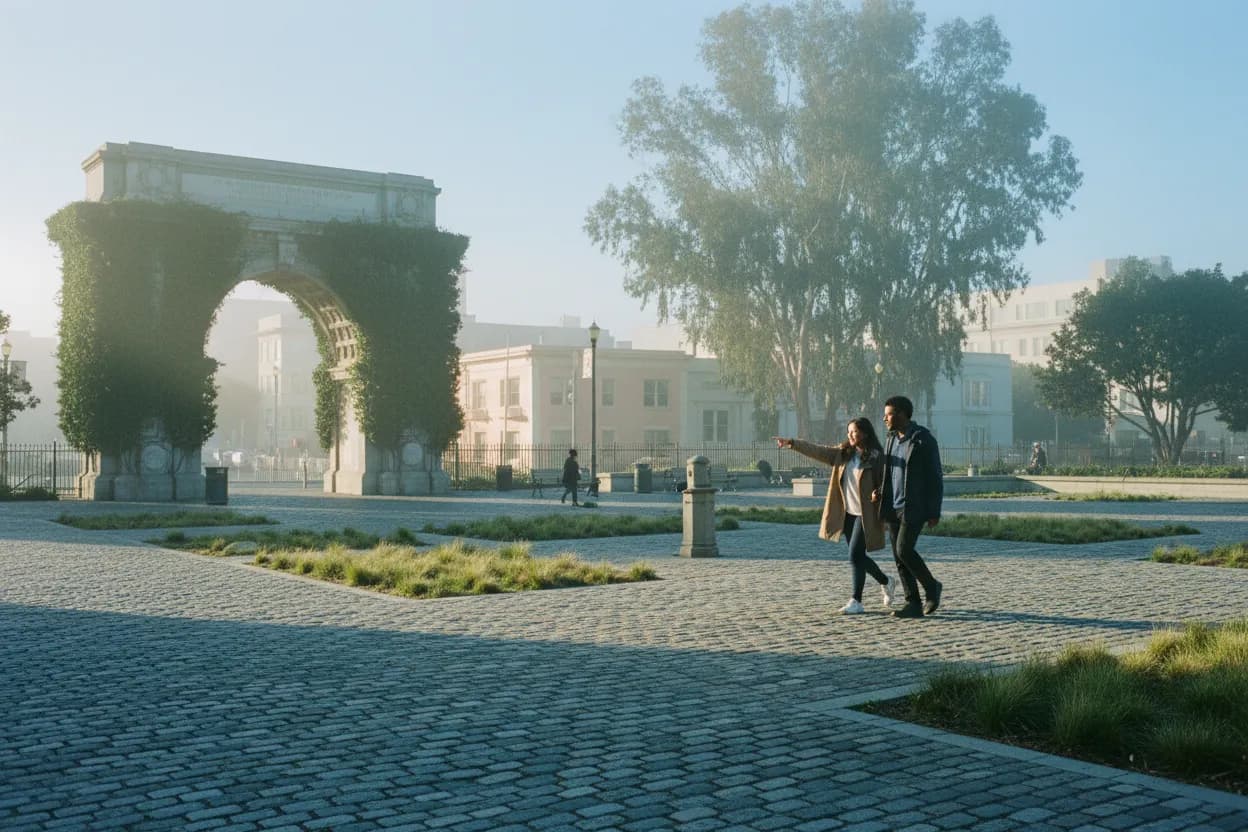
Before you leave, run a short official-source checklist. Check SFMTA alerts for reroutes or disruptions. Use the trip planner for your start and end points. Review Muni routes and stops if your plan depends on a specific line. Look at Muni Metro elevator status if step-free access matters. For regional information, SFMTA points users to 511 Regional Info, and for city help it lists SF 311, including an outside-San-Francisco phone number and TTY contact.
Then verify the destination itself. If a page is temporarily unreachable, do not fill the gap with old blog posts or social screenshots. Wait, call, choose another official channel, or use your backup. A good San Francisco city guide should save you from bad assumptions, not decorate them. The win is not seeing the most obscure thing; it is getting through the city with enough verified information that the obscure thing remains enjoyable.
Tags: #AskKarpo #BeforeYouGo #OutsideLands #SanFrancisco #HiddenGems #OddFinds #SFMTA #Muni #CityGuide #TransitTips #PublicAccess #SFTravel #UrbanDetour #VerifyFirst
Sources consulted: sftravel.com · sfmta.com · sfrecpark.org
All trademarks are the property of their respective owners.
Ask Karpo first
Ask Karpo first if your San Francisco plan depends on timing, transit, access, or a backup. Share your start point, must-see interest, mobility needs, and deadline, and Karpo can help turn a vague odd-find idea into a checkable public route.


