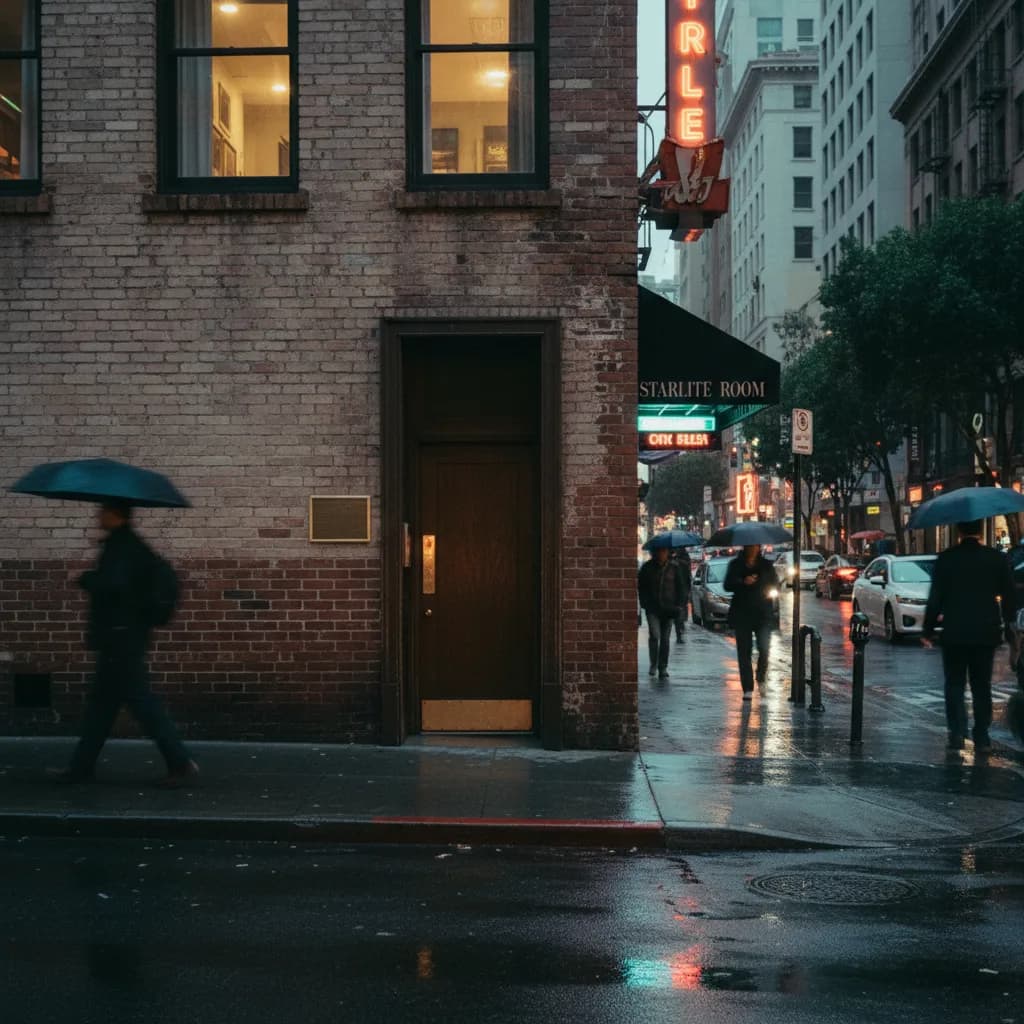
 Starlite Room Union Square: Unforgettable Concerts Above Powell Street
Weekend Plans
Outside Lands 2026: SF Festival Transit, Packing, and Exit Guide
Navigate Golden Gate Park's festival terrain, layered weather, and transit choices with practical strategies for arrival, meeting points, and late-night exits.
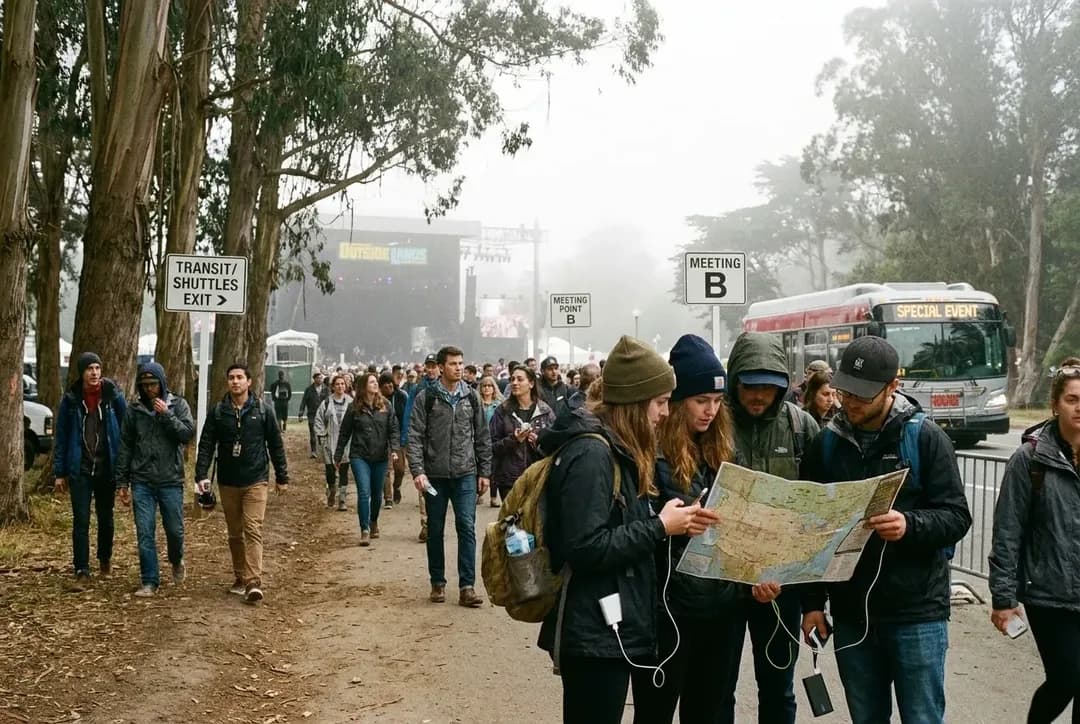
Outside Lands 2026 returns to Golden Gate Park August 7–9, and while the lineup excites, the logistics—microclimates, sprawling grounds, and post-headliner transit—often determine whether your day feels triumphant or chaotic. This festival operates across sandy paths, uneven dirt roads, and grassy fields that shift from fog-chilled mornings to sun-baked afternoons, then back to brisk evenings. Gates open at 11 a.m., music runs noon to 10 p.m., and re-entry is generally not allowed, so every choice—what you wear, when you arrive, how you charge your phone, where you agree to regroup—carries weight. Whether you're coordinating a friend group prone to wandering, attending with a date who hates crowds, or flying solo and determined to catch every act on your personalized schedule, understanding the interplay of weather, terrain, meeting logistics, and exit timing transforms excitement into confidence.
Text Karpo your SF starting neighborhood, festival day, group size, mobility needs, and ideal arrival time for a transit plan, meeting-point checklist, and calmer exit backup.
Choosing Your Arrival Route and Timing the Gate Rush
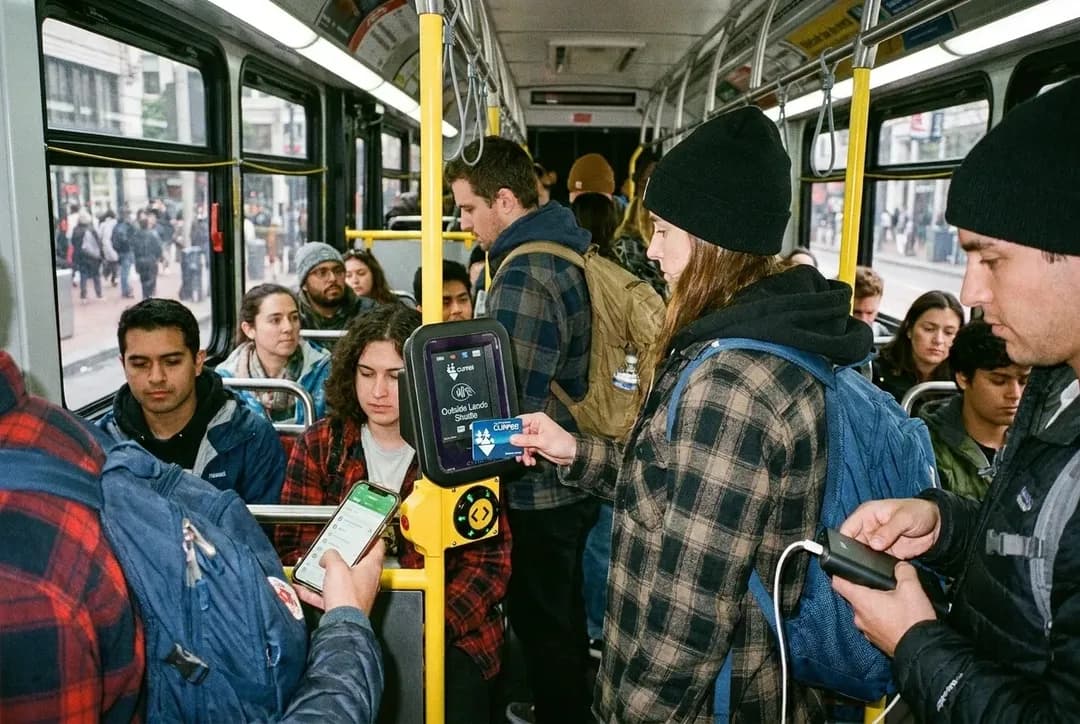
The festival sprawls across Golden Gate Park with multiple entry points, but your ticket tier and mobility needs shape which gate makes sense. General Admission and GA+ ticket holders can use any entrance, yet the ADA entrance at 36th Avenue and JFK Drive—strongly encouraged for guests with disabilities or injuries—also serves as a calm alternative if you're dropped off by rideshare or private vehicle; drivers enter at 36th and Fulton, then follow staff directions to the JFK drop-off. The official shuttle from Bill Graham Civic Auditorium (near Civic Center BART, Muni, and Caltrain) drops passengers at the festival's South Entrance; shuttles begin at 11 a.m. and run continuously except limited 5–8 p.m. coverage, with the last outbound departure at 8 p.m. If you're using Muni, SFMTA's trip planner at SFMTA.com/Go helps map bus or light-rail connections to park perimeters, though expect weekend service changes and crowding near gates as noon approaches.
Arriving right at 11 a.m. secures first access to lockers (8″ × 12″ × 18″ with universal phone charger, reservable by area), prime spots at accessible viewing platforms, and short merch-store lines, but it also means navigating peak security queues. The bag policy permits clear plastic/vinyl/PVC backpacks, small purses up to 6″ × 8″ × 3″, and empty hydration packs under 2.5 liters with one additional pocket; non-clear drawstring bags, umbrellas, selfie sticks, coolers, and any liquid except personal-sized hand sanitizer are prohibited. If your group includes someone carrying prescription meds (label must match photo ID) or special dietary items (doctor's note required), budget extra screening time. Conversely, arriving mid-afternoon skips gate chaos but forfeits early exploration and forces tighter scheduling if you want to claim a viewing-platform chair or rent a locker before they fill.
Layering for Microclimates and All-Day Comfort
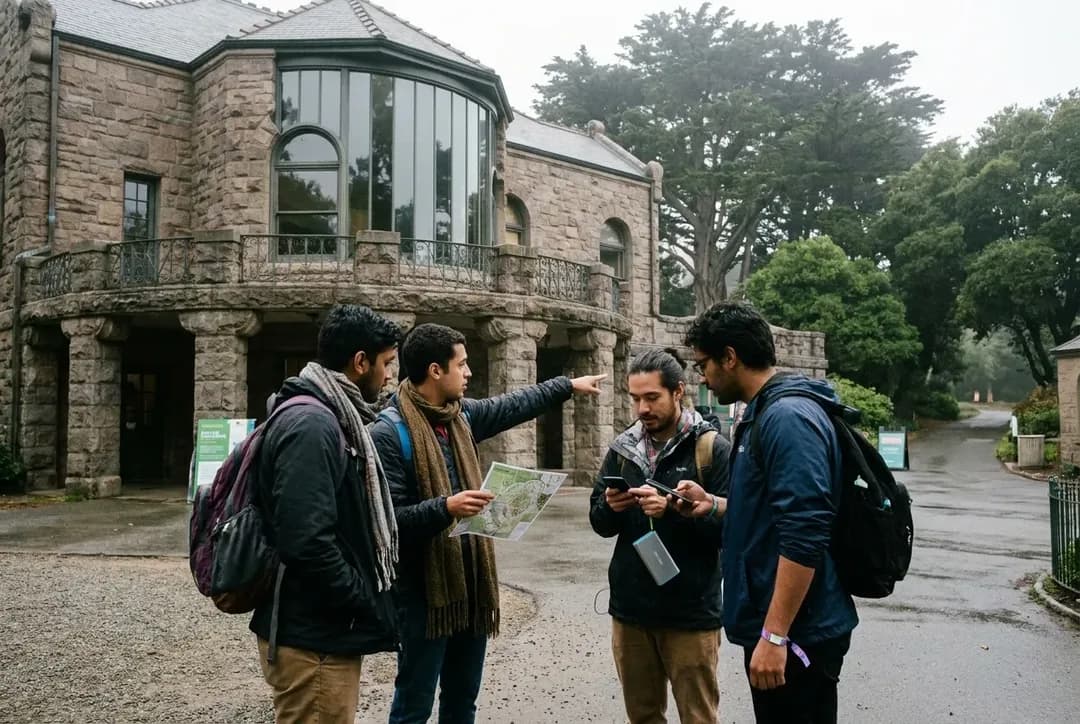
San Francisco's August weather is famously deceptive: mornings in Golden Gate Park often hover in the mid-50s under fog, afternoons can spike into the 70s when sun breaks through, and by the time headliners take the stage at dusk, temperatures plunge again while wind picks up. The festival's outdoor setting—sandy paths, dirt roads, grassy fields—means you'll walk significant distances across varied terrain, and there's no re-entry to fetch a forgotten jacket from your car. The layering strategy that works best starts with a moisture-wicking base (long-sleeve tee or lightweight thermal), adds a midweight fleece or hoodie you can tie around your waist, and tops with a windproof shell that stuffs into your clear backpack or small purse. Avoid cotton, which traps sweat and stays damp; synthetic or merino-blend fabrics dry faster and regulate temperature as you move between sun-exposed stages and shaded food-vendor corridors.
Footwear matters as much as outerwear: closed-toe shoes with ankle support handle uneven ground and tree roots better than sandals, and a spare pair of socks in your bag rescues feet if morning dew soaks through. Sunglasses, a wide-brimmed hat that won't blow off (chin straps help), and reef-safe sunscreen (reapply every two hours) protect against midday UV, while a bandana or buff doubles as a neck warmer after sunset. The festival prohibits umbrellas, so pack a packable rain shell if forecasts hint at drizzle. Because you can't leave and return, every layer and accessory must either fit your bag or stay on your body all day—test your outfit at home, walk a mile, and ensure nothing chafes or overheats before committing.
Establishing Meeting Points When Crowds Swallow Cell Service
Losing your group in a 70,000-person festival is easy; finding them again without a plan is misery. Cell towers near Golden Gate Park strain under simultaneous data traffic, so texts delay, calls drop, and location-sharing apps freeze precisely when you need them. The solution is analog: before you enter, agree on specific physical landmarks and backup times. The festival map—available at sfoutsidelands.com and on the official iOS/Android app—shows seven stages (Lands End, Twin Peaks, Sutro, and others), hydration stations, accessible restroom clusters, and the Access Center just inside the ADA entrance at 36th and JFK. Choose landmarks that are fixed, visible, and away from stage-front crush zones: the Access Center, a particular hydration station, the North Tunnel entrance to Polo Field, or the box office at 25th Avenue and Fulton (open 10 a.m.–9 p.m. Friday/Saturday, 10 a.m.–8 p.m. Sunday).
Set staggered check-in times—say, 2 p.m., 5 p.m., and 8 p.m.—so if someone wanders during a set, the group reconvenes at the next interval rather than spiraling into frantic searches. Designate one person as the 'anchor' who stays put for ten minutes past the agreed time while others navigate toward them. If you're attending with a date or a friend prone to distraction, consider matching a brightly colored bandana or hat that stands out in crowd photos. The official app lets you create a personalized schedule and explore the map offline (download it before you arrive), but remember that real-time updates depend on connectivity you may not have. For accessibility users relying on golf-cart shuttles—dispatched by request to viewing platforms, gates, and the Access Center—communicate pickup needs to staff early, as limited carts mean waits stretch during peak hours.
Battery Strategy and Staying Connected All Day
Your phone is your ticket scanner (if you registered your wristband online beforehand), schedule reference, camera, and only link to your group when you separate—so a dead battery by 4 p.m. is a crisis. The festival offers locker rentals with built-in universal phone chargers, granting unlimited access and the option to leave non-perishable items overnight; reserve early through the festival site and choose a locker location (GA, GA+, or VIP areas) near stages you'll frequent. If lockers sell out or you prefer mobility, carry a fully charged 10,000+ mAh power bank in your clear bag; that capacity typically delivers two full phone charges. Bring your own Lightning or USB-C cable, because borrowing from strangers mid-festival is unreliable, and enable Low Power Mode once your battery dips below 50 percent to stretch life through the headliner.
Airplane mode between sets—or at least disabling background app refresh and location services for non-essential apps—reduces drain while you're exploring food vendors or resting on grass. The official Outside Lands app is essential, so keep it active, but close social media, streaming music (save playlists offline), and any apps auto-uploading photos. If you're using the accessibility program's assistive listening devices (available at the Access Center), confirm battery life with staff and request a spare if your visit spans the full 11 a.m.–10 p.m. window. For groups, one shared power bank passed around at check-in times works better than everyone carrying individual units that die simultaneously. Test your bank's output the night before; cheap models often deliver half their rated capacity, leaving you stranded when it matters most.
Exit Timing and Post-Festival Transit Realities
When the final headliner wraps at 10 p.m., 70,000 people funnel toward exits, shuttle stops, and rideshare zones simultaneously, turning a fifteen-minute walk into a forty-minute shuffle. If you're taking the official shuttle back to Bill Graham Civic Auditorium, return buses run continuously until one hour after music ends (11 p.m.), but lines peak immediately post-show; leaving five minutes before the closer's encore sacrifices one song but gains a twenty-minute head start. Rideshare pickups occur several uphill blocks outside the park (ask Access Center staff for the exact location), and surge pricing routinely triples fares between 10 and 11 p.m.; ordering a ride at 10:45 p.m., after the initial crush subsides, often costs half as much and involves less waiting in a scrum of strangers staring at their phones.
Muni buses serving park perimeters fill fast and may skip stops if packed; SFMTA's real-time arrival data (available via their trip planner or third-party apps like Transit) helps you gauge whether walking to a less-crowded stop makes sense. If you drove and parked in the limited ADA lot at 36th and Fulton, request a golf-cart shuttle to your vehicle before the final set to avoid the post-show parking-lot jam. Walking out together as a group—even if it means a longer trek to a BART or Muni station—keeps everyone accountable and turns the exit into a decompression ritual rather than a stressful solo scramble. For accessibility users relying on golf-cart or van transport, notify Access Center staff of your departure plan early in the evening; demand spikes after 9:30 p.m., and waits extend. Verify your wristband is secure and visible before you leave—cut or tampered bands void entry, and there's no second chance if you realize mid-exit you forgot something inside, since re-entry requires supervisor approval only for emergencies.
Tags: #OutsideLands #GoldenGatePark #SanFranciscofestivals #musicfestivaltips #SFtransit #festivalpacking #microclimates #crowdnavigation #accessibility #weekendplans
Sources consulted: Source 1: sf.gov · Source 2: sfmta.com · Source 3: sfpl.org · Source 4: sf.gov
All trademarks are the property of their respective owners.
Ask Karpo first
Ask Karpo to turn this San Francisco idea into a current plan for your date, budget, companion, transit preference, and energy level. Karpo can narrow the route and flag what to verify before you go.
Ask Karpo for more information.
Keep reading
- Starlite Room Union Square: Unforgettable Concerts Above Powell Street
 Union Square Concerts: Love + Propaganda's Subterranean Rhythms Beckon
 Exotic dinner near me: Marrakech, a Tenderloin Moroccan Supper Club.