In New York and Chicago, September is when people start counting the outdoor meals they have left. In Miami it is the opposite: September is the last hard month, and the good part of the year is about to begin. Anyone who has tried to eat on an unshaded terrace here in August knows the difference is not marginal.
The turn from unbearable to excellent happens over about three weeks, and it arrives neighbourhood by neighbourhood. Ask Karpo which patios near you are comfortable this week rather than next month.
The actual calendar
Miami runs on two seasons rather than four. The rainy season runs from May through October, and the dry season begins in November. Those are the dates that matter for outdoor dining, and they are considerably more useful than the temperature forecast, because the thing that ruins a terrace here is not heat on its own — it is heat plus humidity plus the afternoon storm.
The numbers make the turn clear. October averages roughly six and a third inches of rain; November drops to around three and a third. Humidity, which sits oppressively high through the summer, comes down to an average of about seventy-three per cent in October and keeps falling. So the transition is not a single day, it is a three-to-four-week slide through the second half of October, and by the first week of November the city is a genuinely different place to eat outside.
What to do in the meantime
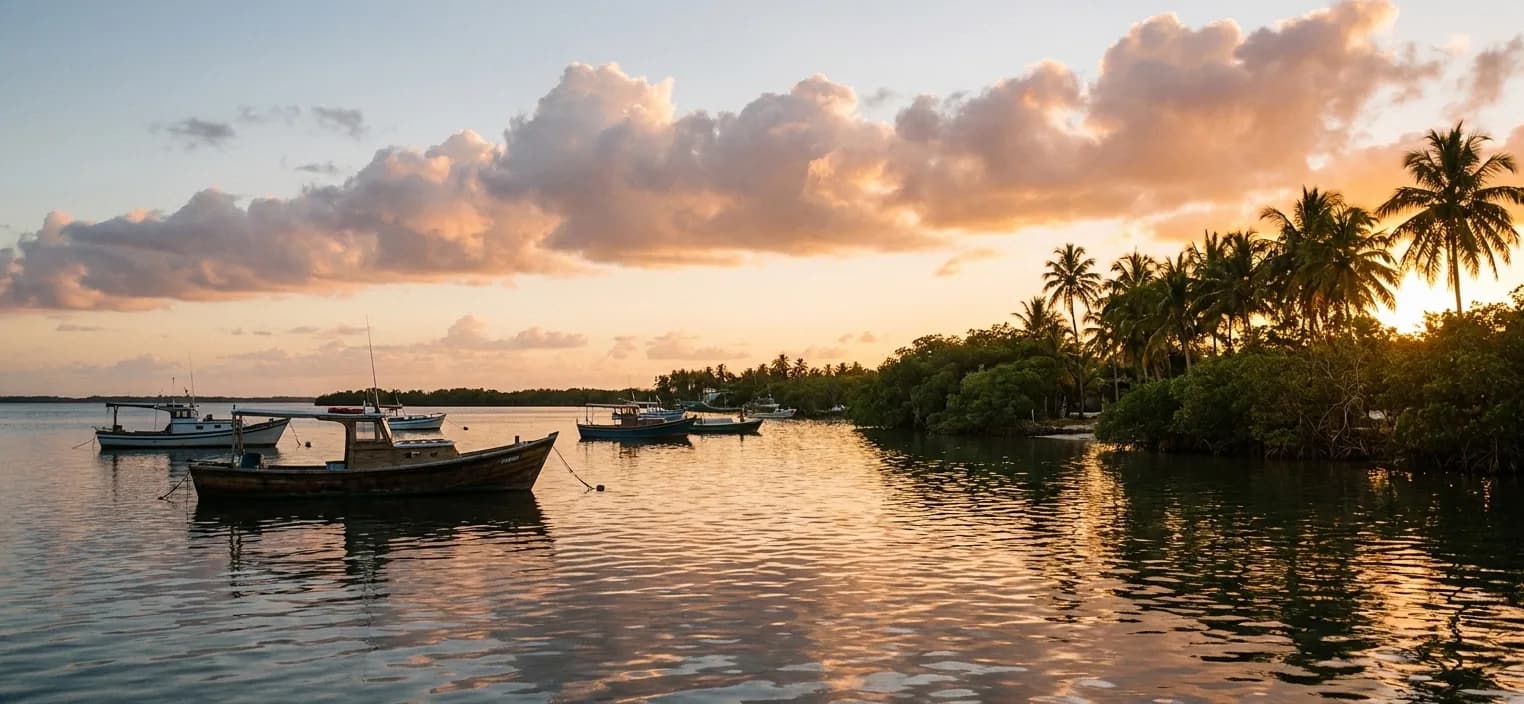
September and early October are not a write-off, they just require different rules. Eat late. A table at six in the evening in late September is still working against the day's stored heat; the same table at half past eight is pleasant. The sea breeze matters more than shade after dark, which flips the usual logic — the waterfront terraces that are punishing at lunch are the best places in the city at nine.
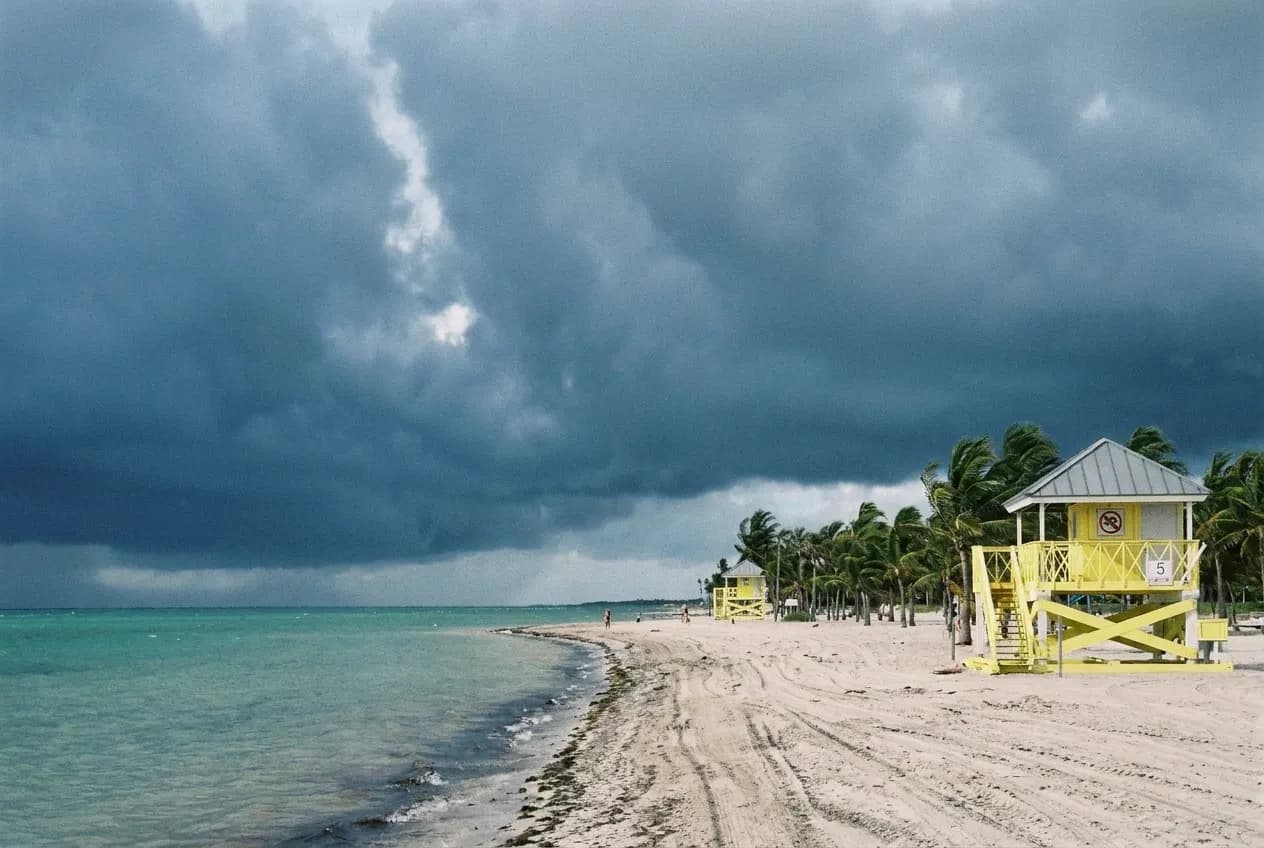
Watch the sky rather than the forecast. The rainy-season pattern is a convective afternoon storm that builds, breaks hard for thirty to sixty minutes, and clears. A day with a seventy per cent chance of rain does not mean a wet evening; it usually means a wet four o'clock. Booking outdoors for eight-thirty in September is a much safer bet than booking for six, and most people do the reverse.
Covered, uncovered and the third option
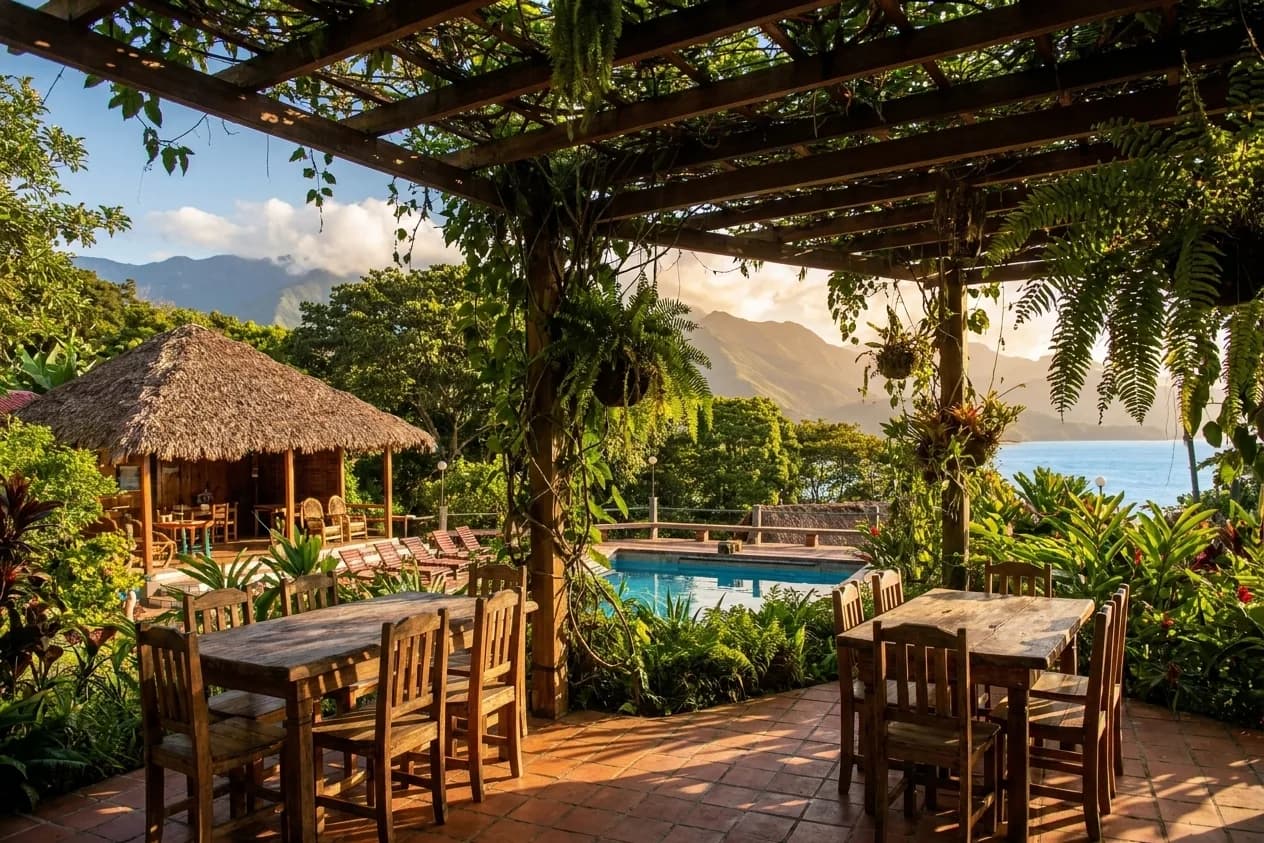
The distinction that matters most on a Miami reservation is not indoor versus outdoor, it is covered versus uncovered. A covered terrace with fans is usable months earlier than an open one and is the difference between a restaurant being a September option and a December option. Fans in particular are underrated: moving air changes the perceived temperature more than shade does once the sun is down.
The third option, and the one that quietly makes Miami work, is the restaurant with a good indoor room and an outdoor one, where you can move. Book inside and ask to move outside after the storm passes, or start outside and retreat. The restaurants that handle this gracefully are the ones worth building a habit around, because they work in every month of the year rather than four of them.
Mosquitoes are the other rainy-season variable, and they are the one people forget when they book a waterfront table in September. Standing water after an afternoon storm produces them within days, and the worst hour is the one either side of sunset — precisely the hour you want to be outside. Restaurants near mangrove and canal edges usually run repellent systems or fans for exactly this reason, and the ones that do not are noticeably less pleasant in October than they are in February.
Where the season turns first
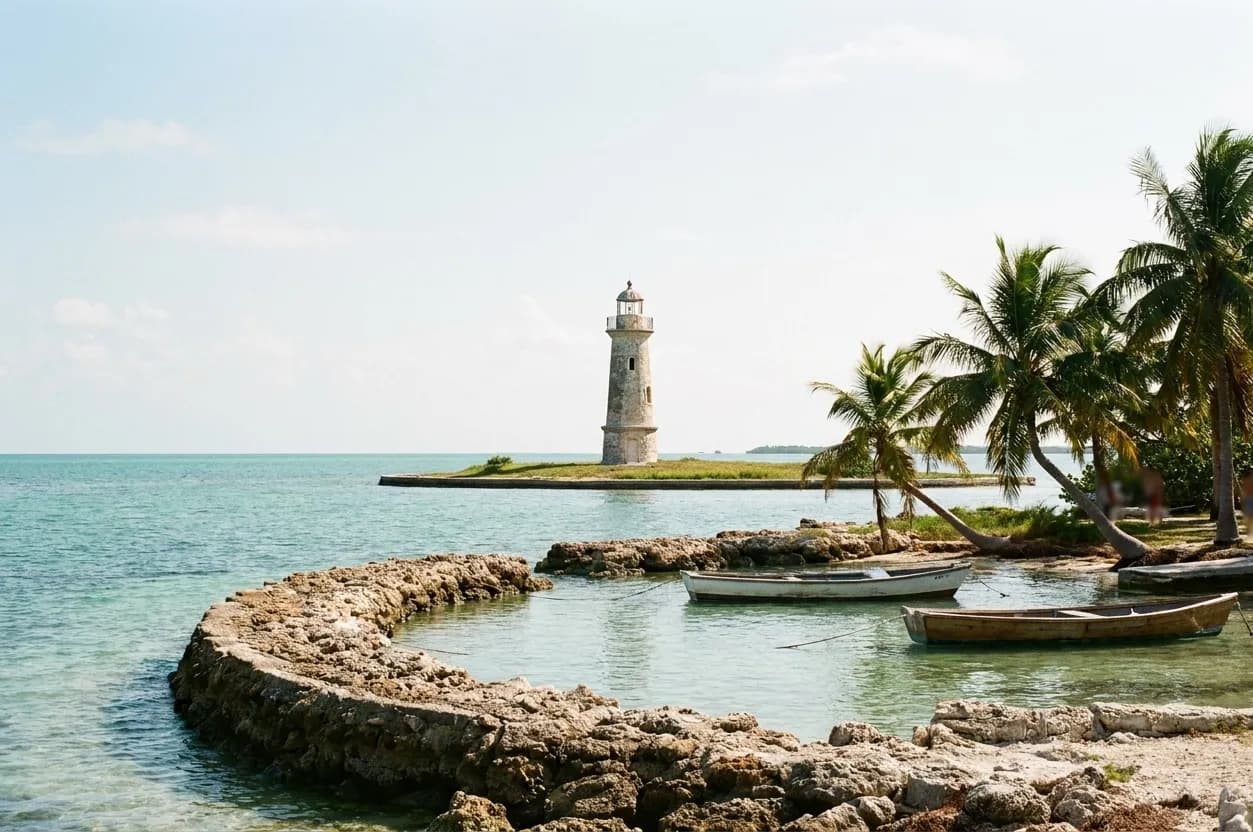
The turn is not uniform across the city. Coastal Miami Beach and Key Biscayne get the sea breeze earliest and feel comfortable before inland neighbourhoods do. Coconut Grove, with its tree canopy, is one of the few places that stays tolerable through the worst of the summer. Brickell and downtown, with their glass and concrete, hold the day's heat longest and turn last — sometimes two or three weeks behind the water.
That is worth exploiting rather than working around. Through October, point yourself at the water and the tree cover for anything outdoors. From November, the whole city opens up and the calculation stops mattering at all, which is why the season that follows is worth waiting for. From November through April, Miami has the best outdoor dining weather of any major city in the country, and nobody who lives here takes it for granted — because they have just spent five months earning it.
Practical notes
Miami's rainy season runs May to October; the dry season begins in November. October averages about 6.3 inches of rain and around 73% humidity, falling to roughly 3.3 inches in November. Afternoon storms in the rainy season typically break and clear within an hour — book outdoor tables for 8:00pm or later in September rather than 6:00pm. Covered terraces with fans are usable weeks earlier than open ones.
Tags: #Miami #OutdoorDining #PatioSeason #WeekendPlans #MiamiEats #Waterfront #CoconutGrove #MiamiBeach #DrySeason #AlFresco #SouthFlorida #WhereToEat #Brickell
All trademarks are the property of their respective owners.
Ask Karpo first
Whether a terrace is covered, fanned or exposed is rarely on a booking page, and in Miami it decides the evening. Ask Karpo which patios near you are comfortable right now and which are worth waiting until November for.