 Haaland Has Seven Goals and Norway Runs Entirely Through Him
⚽️2026 FIFA WORLD CUP
Why the 1–0 World Cup Final Wasn’t Truly Even
Spain's 1–0 victory over Argentina in extra time masked a gulf in performance that the final scoreline barely captured. The numbers reveal a contest far more one-sided than the margin suggests.
Spain defeated Argentina 1–0 after extra time in the World Cup final at East Rutherford, but the slender margin told only part of the story. Argentina failed to register a single shot until the match entered its additional period, while Emiliano Martínez was forced into 12 saves according to the Associated Press—a statistical portrait of a team under siege for the entirety of regulation time.
Text Karpo to explore tactical breakdowns and performance metrics from any World Cup match. We'll help you understand what the numbers reveal beyond the scoreline.
When the Score Lies About the Story
A 1–0 result in football carries a particular mystique. It suggests efficiency, perhaps even balance—a tightly contested affair decided by a moment of brilliance or misfortune. But scorelines function as crude summaries, compressing 120 minutes of action into a binary outcome that obscures the texture of what actually transpired on the pitch.
The East Rutherford final exemplifies this compression. On paper, Spain edged past Argentina by the narrowest of margins. In reality, the match represented something closer to controlled dominance meeting exceptional goalkeeping and defensive organization. The gap between these narratives—between what happened and what the score suggests happened—reveals why we need to look beyond results when evaluating performance.
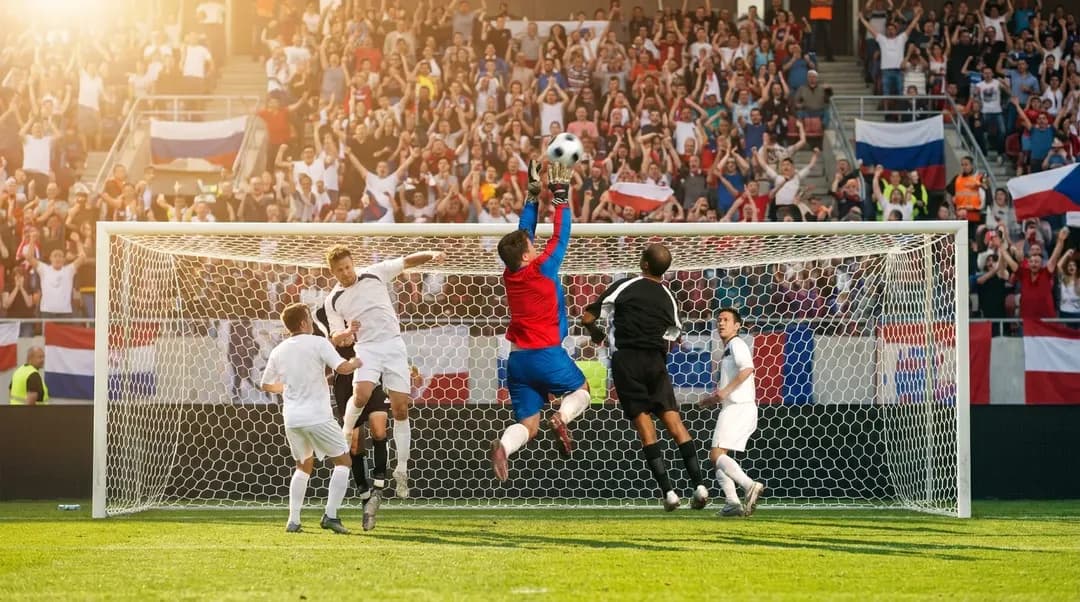
Twelve Saves Tells Its Own Tale
Emiliano Martínez's 12 saves stand as the most concrete evidence of Argentina's defensive posture throughout regulation. Twelve distinct moments when Spain created enough danger to force Argentina's goalkeeper into action. Each save represents a moment when the ball was traveling toward goal with intent, when Spanish attackers had manufactured the space and precision to threaten the net.
For context, most evenly matched finals see both goalkeepers tested multiple times, with save totals that roughly mirror each other. When one goalkeeper makes a dozen saves while his counterpart faces no shots whatsoever until extra time, we're witnessing not a balanced contest but rather one team's sustained offensive pressure meeting another's desperate resistance. Martínez's performance was undoubtedly heroic, but heroism becomes necessary only when under relentless threat.
The Meaning of No Shots
Argentina's failure to attempt a shot until extra time represents perhaps the starkest indicator of imbalance. This isn't merely about possession statistics or territorial advantage—metrics that can sometimes mislead. A shot represents the culmination of attacking intent, the moment when a team has progressed the ball into a dangerous position and found an opportunity to test the goalkeeper.
To go 90 minutes without recording a single attempt speaks to systematic suppression. It suggests Spain controlled not just the ball but also the spaces Argentina needed to construct attacks. It indicates that Argentina's forwards were either starved of service, pinned too deep to venture forward, or suffocated whenever they did receive possession in promising areas. This wasn't a case of poor finishing or bad luck—it was an inability to generate even the raw material for scoring chances.
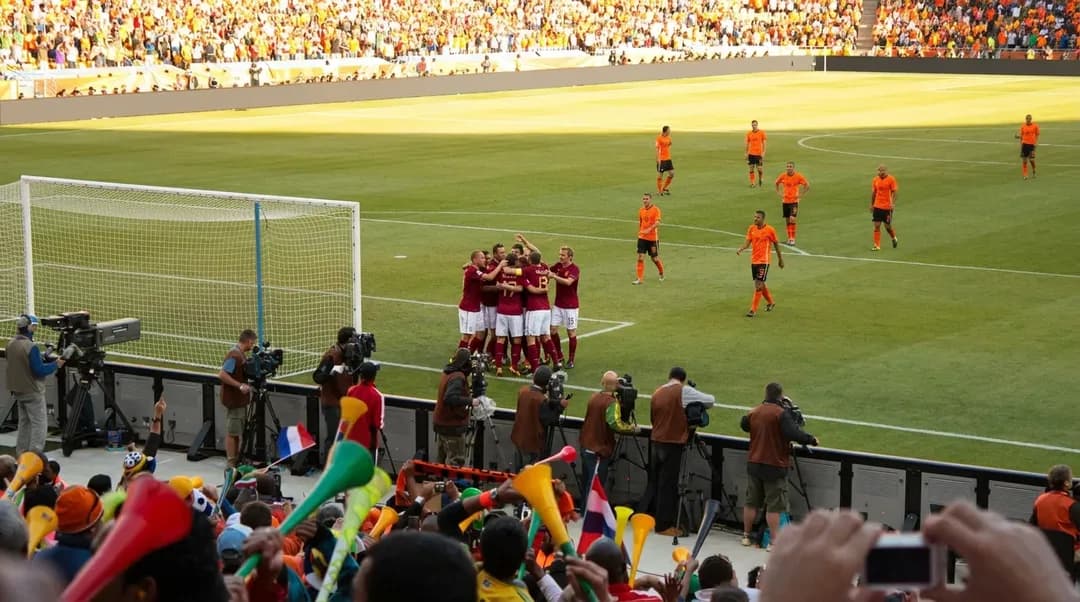
Survival as Strategy
Argentina's approach should not be dismissed as passive or defeatist. When facing overwhelming pressure, organizing defensively and relying on a world-class goalkeeper represents a legitimate tactical choice. The strategy nearly succeeded—the match did reach extra time at 0–0, meaning Argentina was 30 minutes from potentially forcing penalties despite their lack of attacking output.
This defensive approach transforms the goalkeeper into the team's primary weapon. Every Martínez save in regulation kept Argentina's tournament hopes alive, each denial extending the possibility that one counterattack, one set piece, one moment of individual brilliance in extra time might prove decisive. The strategy's validity doesn't change what it reveals about the balance of play—it simply acknowledges that dominance doesn't always translate to goals within the allotted time.
Extra Time Changes the Equation
Argentina's first shot arrived in extra time, suggesting either a tactical adjustment or simply the desperation that comes with knowing penalties loom. The additional period introduces fatigue, forces substitutions, and can scramble the patterns established over 90 minutes. Teams that defended successfully through regulation sometimes find themselves unable to maintain the same intensity.
Spain's goal in extra time vindicated their approach while confirming the pattern. The team that had created a dozen opportunities in regulation found the breakthrough when given additional time. The goal didn't arrive against the run of play—it arrived as the logical extension of sustained pressure finally overwhelming even the most resolute resistance. The timing of the goal doesn't diminish Spain's dominance; it illustrates how elite defending can delay but not indefinitely prevent the inevitable.
What We Miss When We See Only Scores
Results matter tremendously—Spain won the World Cup, Argentina did not, and no amount of performance analysis changes that fundamental reality. But if we consume football only through scorelines, we deprive ourselves of understanding how the game actually works. We miss the texture of tactical battles, the meaning of statistical disparities, and the difference between deserved victories and fortunate ones.
The East Rutherford final offers a case study in this distinction. Spain won 1–0, a scoreline that will appear in record books without footnotes or asterisks. Yet anyone who examines the underlying numbers sees a team that dominated proceedings against an opponent forced into defending for survival. Both narratives are true—Spain won narrowly, and Spain dominated comprehensively. The scoreline captures the first truth, but only the statistics and tactical analysis reveal the second. Understanding why these truths coexist makes us better readers of the game, capable of seeing past the crude summary to the complex reality beneath.
Tags: #WorldCupFinal #SpainArgentina #FootballAnalysis #EmilianoMartinez #EastRutherford #TacticalBreakdown #WorldCup2026 #SoccerStats
All trademarks are the property of their respective owners.
Ask Karpo First
Whether you're analyzing tournament performances, comparing team statistics, or trying to understand tactical approaches, Karpo helps you access the context that transforms scores into stories. We connect the numbers to the narratives so you can appreciate not just who won, but how and why the match unfolded as it did.
Ask Karpo for more information.
Keep reading
- Haaland Has Seven Goals and Norway Runs Entirely Through Him
 World Cup Trophy Ceremony Timing Medals and Postmatch Celebrations
 Olise and France's Attack: The Semifinal Tactical Question