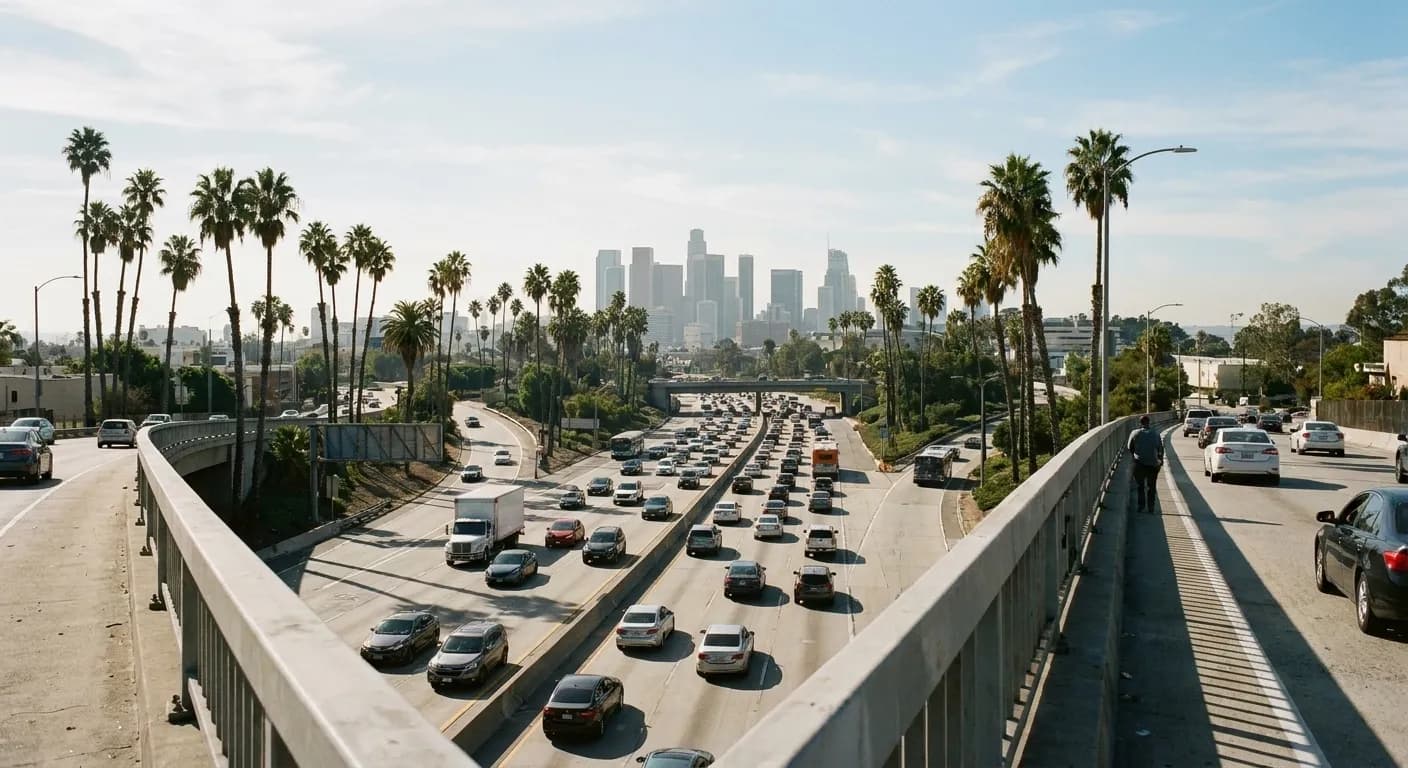
Almost every published list of the best things to do in Los Angeles in a single day fails for the same reason: it is a list rather than a route. Downtown in the morning, the beach at noon, Griffith at sunset and Hollywood for dinner is a plan that involves roughly three hours in a car and arrives everywhere at the wrong time. A workable day here moves in one geographic direction, ideally with the traffic rather than against it, and never doubles back.
Traffic here is a function of the hour, not the distance. Ask Karpo how long each leg actually takes today.
The single rule: pick an axis
Los Angeles runs roughly east to west along a few corridors, and a good day picks one and stays on it. The three that work are the coastal axis from Santa Monica down through Venice, the central axis from downtown out through Hollywood, and the eastern axis from downtown up through Highland Park and Pasadena. Trying to combine two of them is where days go wrong.
The counterintuitive part is that the morning should be spent as far from your endpoint as possible, because you want to travel with the flow of a day that empties the centre in the evening. Starting at the ocean and ending in the hills works. Starting in the hills and ending at the ocean means driving west into the sunset in Friday traffic, which is the worst commute in the country.
A day on the central axis
Start downtown before nine, when parking is cheap and available and the streets are still quiet. Grand Central Market for breakfast, the Broad or the nearby museums when they open, and a walk through the Historic Core and Little Tokyo. Downtown rewards an early start more than any other part of the city and punishes a late one.
Move west by late morning, before the lunch traffic builds. Koreatown for lunch is the correct choice and the one most itineraries skip — it is directly on the route, the food is excellent, and the lunch specials are cheap. From there, the afternoon belongs to whatever appeals along the corridor: the museums on Wilshire, the neighbourhoods around Melrose and Fairfax, Thai Town further east if you want food rather than sights.
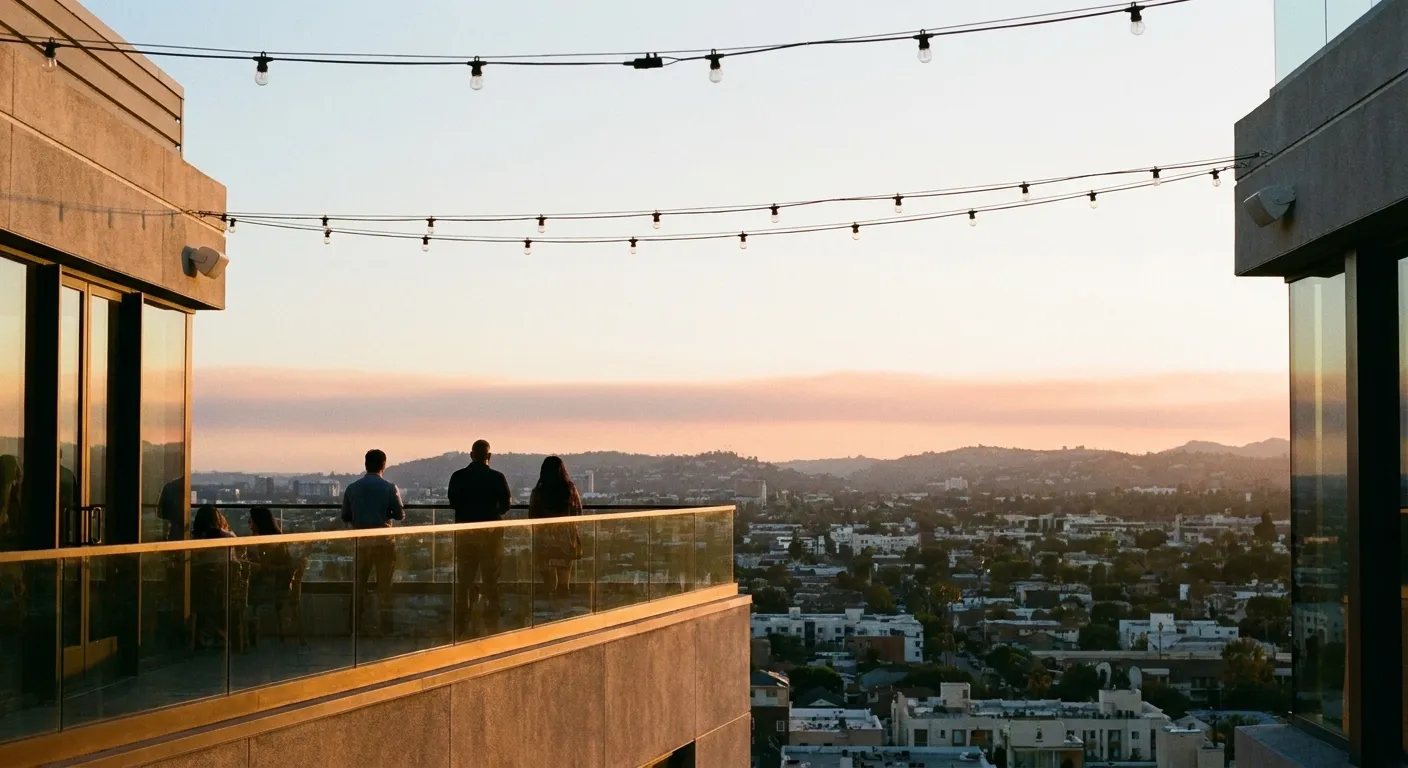
End at Griffith Observatory, arriving an hour before sunset. Parking is genuinely difficult and the shuttle from the bottom is the sensible route on a weekend. The view over the basin as the lights come on is the single best free thing in the city and it is worth arranging an entire day around.
A day on the coastal axis
Start at the northern end and work south. Early morning in Santa Monica, when the beach is empty and the light is good. The Venice canals, which almost nobody visits and are genuinely lovely, then Abbot Kinney. Lunch inland rather than on the boardwalk. Then continue south to the Marina, Playa del Rey and, if the day is going well, all the way down to Manhattan or Hermosa Beach.
The advantage of this axis is that it avoids the freeways almost entirely — the coast road handles it — and the disadvantage is that it sees a version of Los Angeles that is not very representative of the city. It is the right choice for a first visit in good weather and the wrong choice if you want to understand the place.
A day on the eastern axis
The underrated one. Start in Highland Park with coffee and the York Boulevard strip, move up to the Southwest Museum area and the Arroyo, then into Pasadena for the Huntington gardens or the Norton Simon, both of which are world-class and neither of which is crowded by Los Angeles standards. End the day back down in Chinatown or Echo Park for dinner.
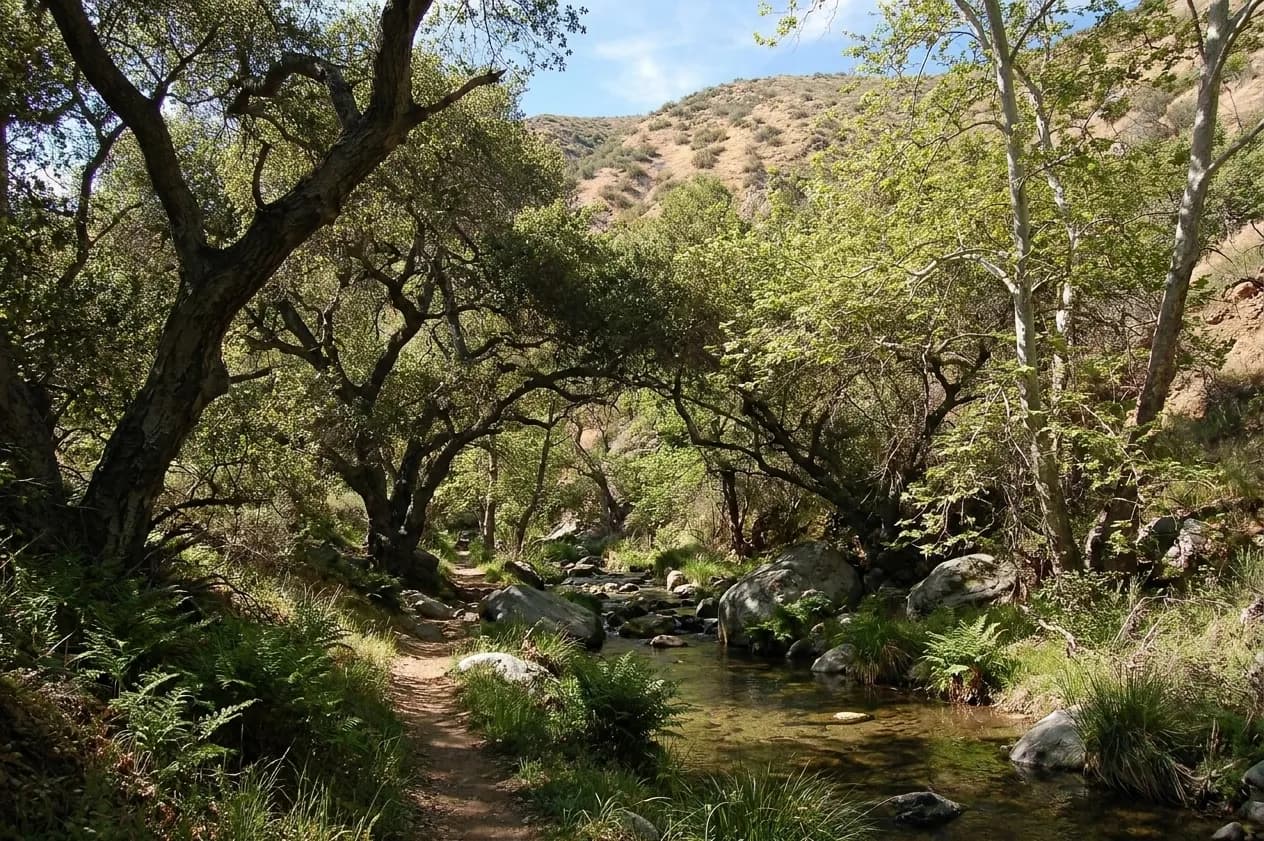
This route is shorter, involves less driving than either of the others, and shows a side of the city that visitors essentially never see. It is also the most pleasant to do on a hot day, because the Arroyo and the gardens have shade.
What to do about food along the way
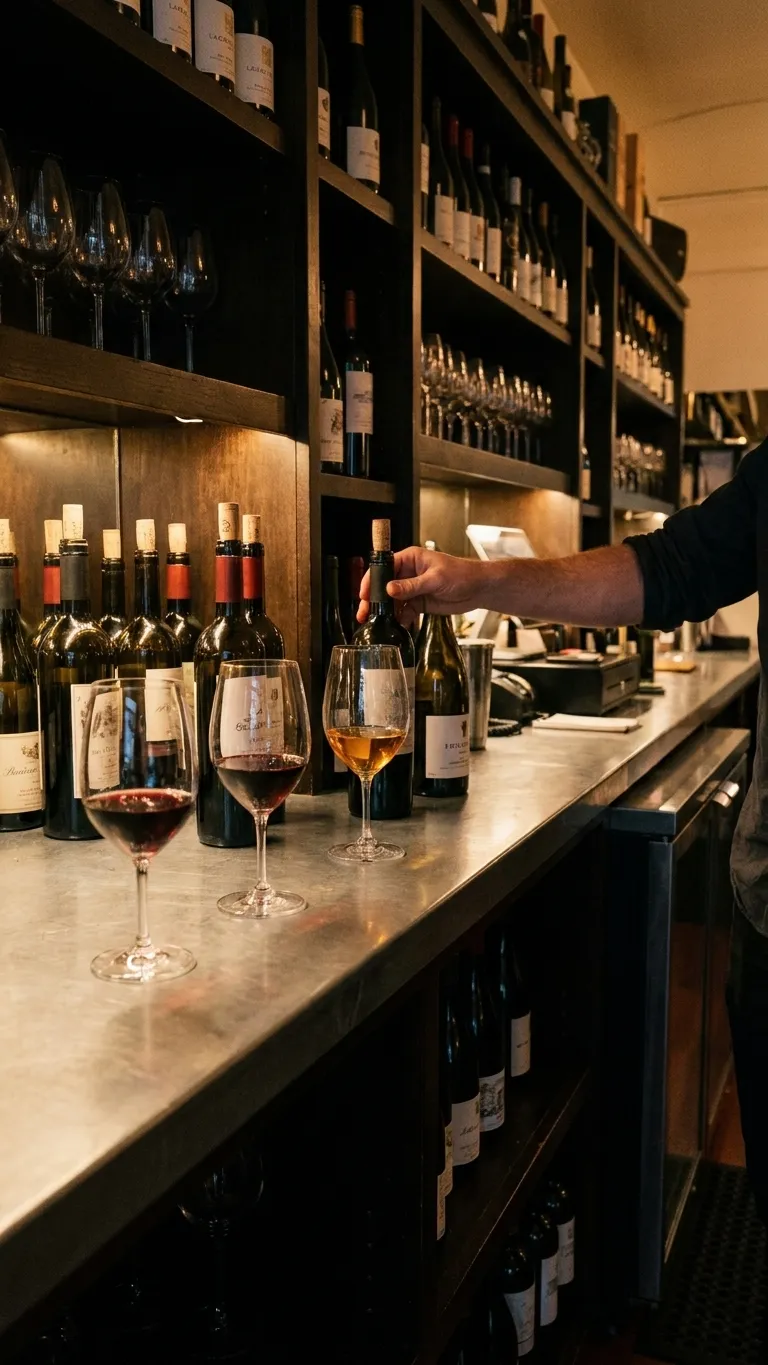
The most common way a Los Angeles day goes wrong is eating badly because of where you happened to be at the time. The fix is to decide the two meals in advance and route around them rather than the reverse. Lunch should be somewhere with density and cheap options — Koreatown, Thai Town, the San Gabriel Valley, Little Tokyo — and dinner should be near where you intend to finish, booked if it is a weekend.
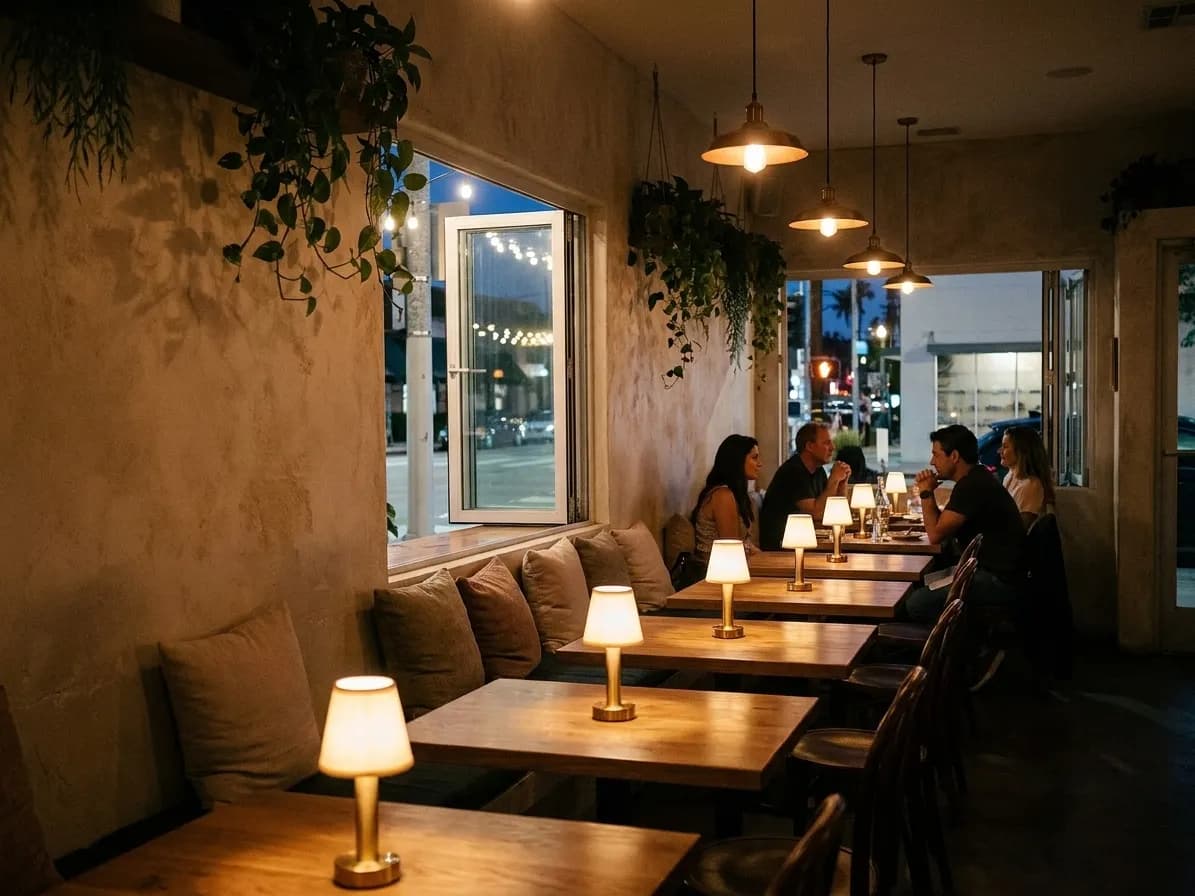
The other habit worth adopting is eating at the local hours rather than the visitor hours. Lunch at half past one, when the office rush has cleared. Dinner at half past eight, when the first seating has turned over. Doing both means shorter waits and better service, and it fits the traffic pattern rather than fighting it.
The timings that matter
Be somewhere by nine. Eat lunch before one or after two. Do not attempt any drive over ten miles between four and seven. Be at your final destination before the light goes, and eat dinner after eight when the restaurants have turned over their first seating. Follow those five rules and the specific attractions matter far less than the sequence does. Los Angeles rewards people who plan around its clock and punishes people who plan around a map.
Tags: #LosAngeles #LAItinerary #OneDayInLA #GriffithObservatory #DowntownLA #Koreatown #HighlandPark #Pasadena #SantaMonica #LATraffic #ThingsToDoLA #SoCal #TravelGuide
All trademarks are the property of their respective owners.
Ask Karpo first
Ask Karpo how long the next leg of your Los Angeles day actually takes right now, what is open when you get there, and whether to reverse the order.