 Zombie Escape Room Near Me: Tidal Force VR in Flatiron
Weekend Plans
Zombie Escape Room Near Me: Komnata Quest Brooklyn After Dark
A Greenpoint guide to Komnata Quest Brooklyn at 104 West Street, with room-selection advice, horror pacing, team tactics, and a waterfront evening itinerary.
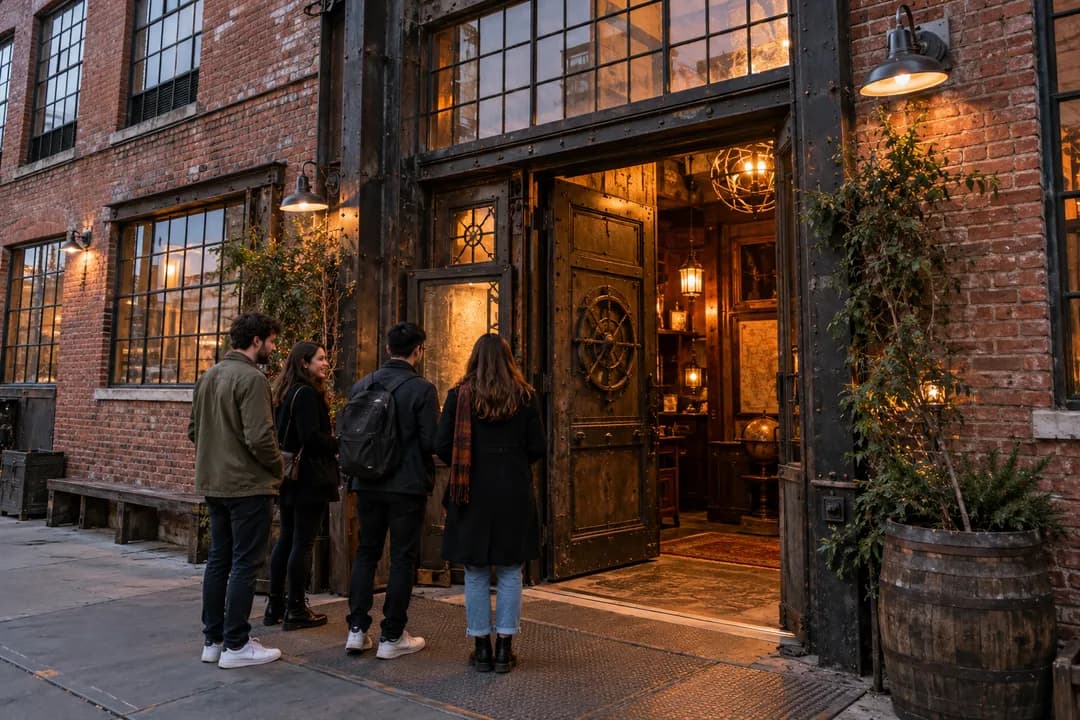
Komnata Quest Brooklyn at 104 West Street, Brooklyn, NY 11222 is a strong zombie escape room near me option for players who want a theatrical room rather than a generic padlock collection. The Greenpoint setting gives the outing an industrial edge before the first clue appears: brick, warehouse-scale streets, and the East River nearby create a more convincing transition into a story about experiments, contamination, or survival. Komnata Quest's Brooklyn lineup is built around immersive scenarios, including horror-leaning rooms such as Doctor Frankenstein, so the booking choice should follow the group's appetite for atmosphere instead of the most dramatic title.
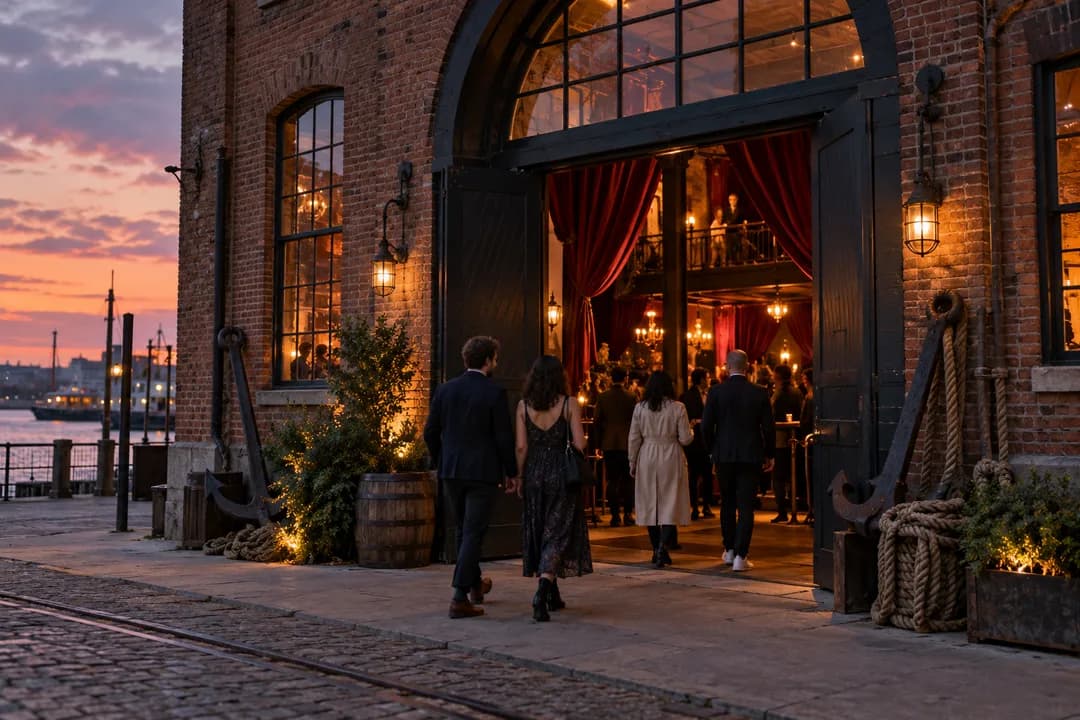
Greenpoint Gives the Night a Real Setting
The address also changes how the evening should be planned. This is not a quick Midtown stop you squeeze between two reservations. Meet in Greenpoint, let the group settle, and leave time for the walk to the venue. The best arrival is early enough to hear the rules and understand whether the room uses actors, sound cues, or physical effects. Treat the first few minutes as part of the experience. A group that arrives breathless and still debating who paid will miss the design work that makes a horror room feel different from a standard puzzle box.
Komnata Quest rooms reward a conversation before purchase. Ask the group what they actually want: a spooky narrative, a difficult chain of puzzles, a theatrical set, or a story that asks players to move quickly. Horror fans often say they want a zombie-style scare, then discover that they prefer a tense investigation with controlled surprises. Someone who dislikes darkness may be fine with a laboratory story but unhappy with a room that relies on sudden sound and close-quarters movement. The useful decision is not whether the room looks scary online; it is whether the room's format matches the people who will be inside it.
Four to six players creates a good balance. Four gives every clue a clear owner and keeps the room from feeling crowded. Five or six allows someone to read, someone to search, and someone to track combinations without leaving the whole group waiting. Larger parties need stronger communication because horror rooms are especially vulnerable to the “everyone follows one person” problem. If the room has a private option, it is worth choosing for a birthday or date night. A private group can react loudly, pause to regroup, and take a hint without worrying about strangers.
Choose Fear, Story, or Puzzle Density
The first rule for an immersive room is to respect the set. Do not force a drawer, twist a prop that is not part of the puzzle, or climb onto furniture because a clue seems out of reach. If a mechanism does not respond, call the guide. The venue wants players to feel like they are inside a story, but the objects still have a designed purpose and a safety boundary. Designate one person to announce every discovery, and keep solved items in a visible “finished” area so the room does not become a pile of repeated searches.
Horror changes the rhythm of problem solving. A scare can make a team forget the last clue it found, while a dark corner can make three people search the same shelf. Use a simple reset: name the objective, name the clues already used, and assign each player a zone. The person who stays calm under pressure should not necessarily become the permanent leader; rotating the next move keeps the room collaborative. When the guide gives a hint, treat it as story information rather than an admission of failure. The best teams use help to keep the narrative moving.
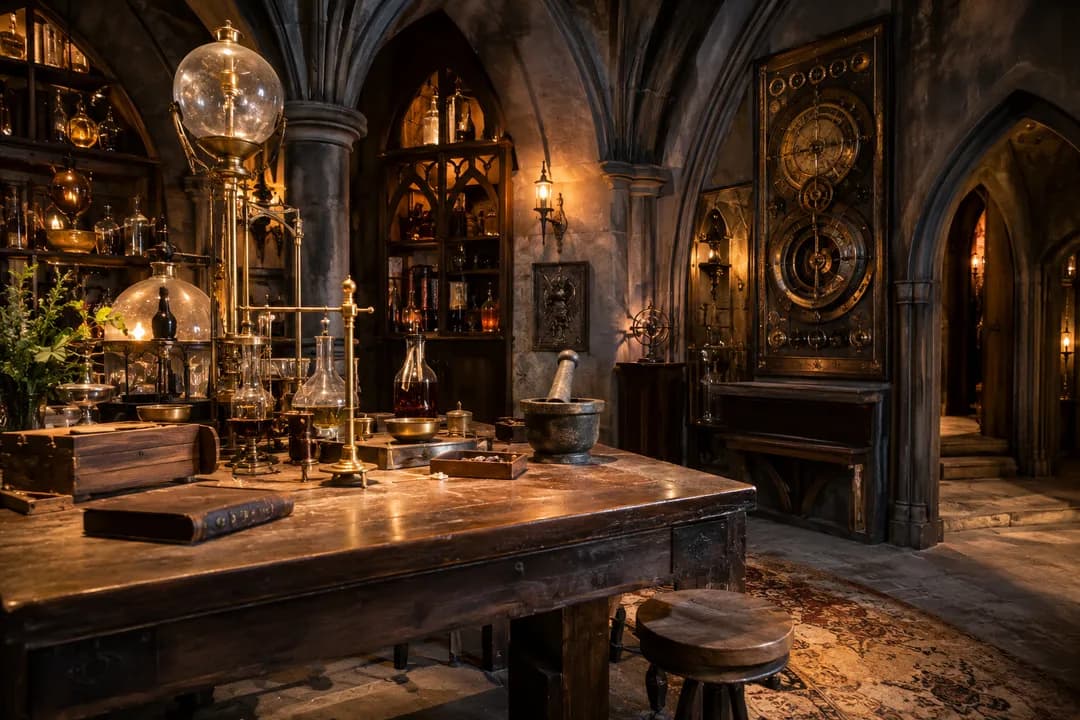
The room's strongest moment usually comes from the connection between set and puzzle. A glass vessel, a medical chart, a strange symbol, or a repeated number can be decoration until the team understands its role. Read labels aloud. Look at the backs and edges of objects without taking anything apart. If a clue seems too obvious, test it once and move on; spending seven minutes trying to make one answer fit is the easiest way to lose the ending. A clean inventory of used locks and open compartments is more valuable than frantic searching.
How to Play a Horror Room Without Losing the Plot
My honest skip is booking the most intense room for a mixed group just because one friend wants a bigger scare. The person who hates darkness will not enjoy being pushed through it, and the rest of the team will spend the session managing discomfort instead of solving. Choose a story with atmosphere when the group has different limits. Komnata Quest is more successful when everyone agrees on the emotional volume before the door closes.
Build the arrival around West Street rather than treating the neighborhood as a transfer point. Greenpoint's industrial blocks and waterfront views make a short pre-game walk useful, especially for visitors who want a night that feels distinct from Manhattan. Meet at a café or a casual restaurant, distribute the booking details, and walk to 104 West Street together. The person who arrives first can handle the practical work while everyone else catches up, but do not let the early group enter the building without a clear message thread and meeting point.
Afterward, use the waterfront as a decompression route. A horror room gives people a lot to compare: which clue looked decorative, who noticed the hidden connection, and whether the scare helped or interrupted the puzzle. A short walk makes those conversations easier than immediately putting everyone on a train. Keep the first post-game stop casual. If the group is hungry, choose a nearby meal that can handle a loud recap; if the group is tired, go straight toward the nearest transit connection instead of adding another attraction.
Greenpoint Before and After the Room
Weather matters in Greenpoint because the neighborhood walk is part of the plan, not because the room is outdoors. In rain, move the meeting point inside a café and leave the group a clear final walking route. In cold weather, avoid bulky coats during the puzzle if the venue's storage setup allows a lighter arrival. The goal is simple: reach the briefing focused, not spend the first five minutes asking where everyone's gloves went.
Share the full address as 104 West Street, Brooklyn, NY 11222, and keep the neighborhood name attached to it so nobody heads to a different escape-room listing in Manhattan. Arrive early enough for check-in and the venue's rules. The official room description is the best authority for the exact scenario, so describe the outing as a horror-forward immersive escape room rather than guaranteeing zombies or live actors unless the selected room says so.
Komnata Quest Brooklyn suits teams who care about set design, narrative, and the feeling of entering a different world. It is less suited to visitors who want a bright, low-stakes puzzle afternoon or a completely self-directed room with no theatrical framing. The payoff is the combination of Greenpoint's industrial mood and a room that asks the group to make decisions while the atmosphere keeps tightening.
The final team trick is to decide who will do three jobs before the start: clue caller, physical searcher, and timekeeper. Swap those jobs halfway through if the room allows it. This prevents one player from becoming the only person touching props and gives quieter guests a reason to speak. In a horror room, good communication is not just a way to escape; it is the thing that keeps the story fun.
Ask Karpo for more information.
Keep reading
- Zombie Escape Room Near Me: Tidal Force VR in Flatiron
 Zombie Escape Room Near Me: Brooklyn Escape Room Survival Guide
 Zombie Escape Room Near Me: Shipwrecked Brooklyn Puzzle Night