 Inwood Winter Greenmarket Picker for Hikers on Cold Mornings
Weekend Plans
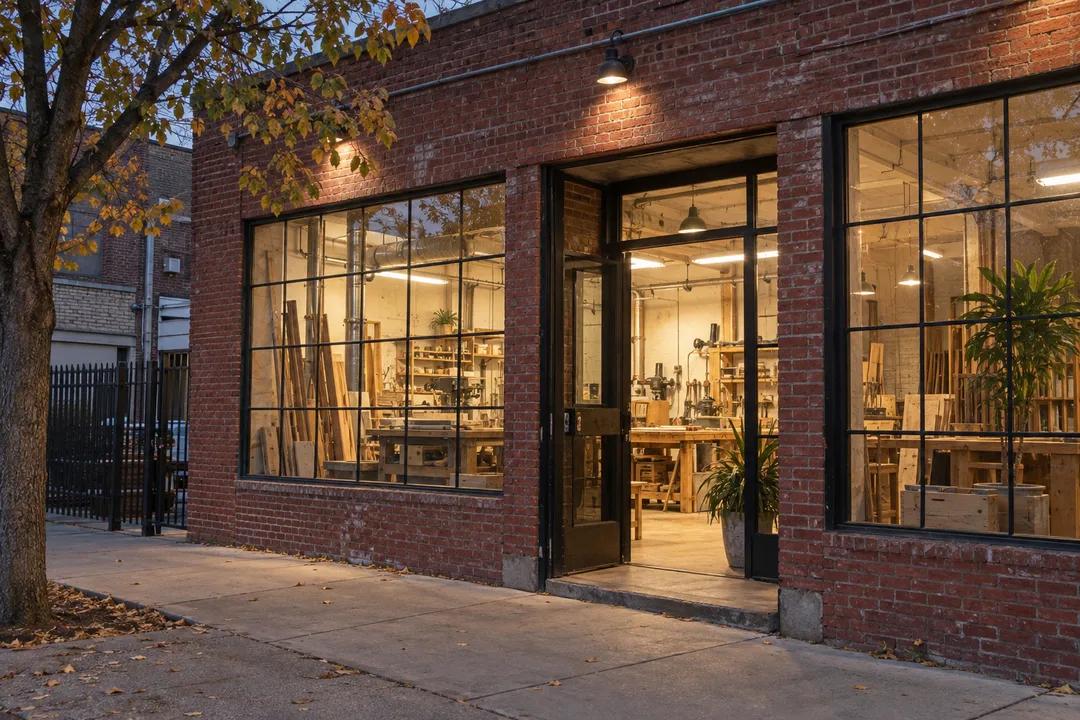
Woodworking Studio in Astoria: Woodworkers Collective Shop
Astoria Woodworkers Collective is a volunteer-run community woodshop in Queens, started by local furniture makers. See how the shared shop works.
Astoria Woodworkers Collective operates a volunteer-driven non-profit community woodshop at 1210 Astoria Blvd, Astoria, NY 11102, positioned near 14th Street in Western Queens. Established in 2021 by a dedicated grassroots group of local furniture makers and wood craft enthusiasts, this welcoming cooperative offers an affordable sanctuary for residents searching for a collaborative woodworking studio near me in Queens. The collective hosts open shop shifts and supervised bench sessions Wednesday through Friday from 6:00 pm to 9:30 pm, and Saturday through Sunday from 10:30 am to 6:00 pm, while reserving Monday and Tuesday for volunteer maintenance.
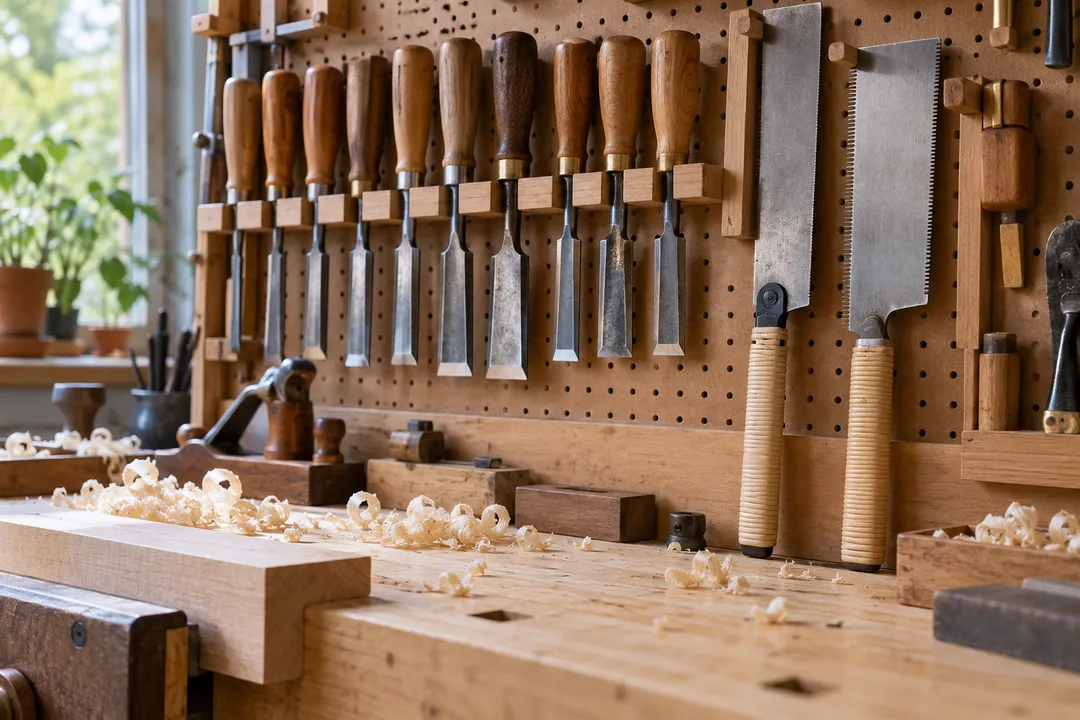
Grassroots Cooperative Woodworking on Astoria Boulevard
The founding of Astoria Woodworkers Collective in 2021 was fueled by a vision of democratic, affordable access to high-quality industrial woodcraft tools in Queens. Local artisans recognized that escalating commercial studio rents and cramped apartment living prevented countless talented makers from building furniture, repairing vintage heirlooms, and practicing tactile craft. Organizing as a registered non-profit educational cooperative, the collective secured a street-level commercial storefront on Astoria Boulevard and transformed it with volunteer labor into an efficient, fully equipped neighborhood workshop.
The studio exudes an unpretentious, welcoming atmosphere that reflects the rich immigrant craftsmanship and community spirit of Astoria. Heavy butcher-block workbenches built by founding members stand alongside shared pegboards lined with Japanese pull saws, block planes, and vintage hand tools donated by neighborhood retirees. Sunlight streams through broad storefront display windows, giving the shop an open, transparent presence on the street. The community gathers beginners, retired carpenters, architectural draftspeople, and DIY enthusiasts who learn together in an atmosphere devoid of commercial pressure.
Community-Sourced Hand Tools, Bandsaws and Planer Stations
Despite its cooperative non-profit framework, Astoria Woodworkers Collective maintains high equipment standards focused on operator safety and dependable milling accuracy. At the heart of the machine area stands a SawStop professional cabinet table saw equipped with automatic flesh-sensing electronic safety cartridges that instantly retract the blade if skin contact occurs. Straight-line dimensioning and flattening rely on a 6-inch benchtop jointer and a DeWalt 13-inch two-speed surface thickness planer fitted with reversible carbide knives that handle dense domestic hardwoods cleanly.
For contouring, detail work, and joinery, the collective provides a Delta 14-inch steel-frame bandsaw, a Ridgid oscillating edge belt and spindle sander, and a heavy-duty floor drill press with variable speed pulleys. Hand tool woodworkers have full access to sharpening stations featuring Japanese water stones, diamond flattening plates, and leather strops with chromium oxide paste. Safety protocols require every maker to complete an orientation covering eye protection, mandatory dust mask usage, and hearing defense before operating any power machinery on the communal shop floor.
Accessible Furniture Cohorts and Annual Membership Dues
The collective educational curriculum balances foundational safety orientations with intensive project-based courses tailored for beginner woodworkers. All prospective members begin by completing the mandatory Woodshop Safety Orientation, which is provided free with annual membership and covers emergency power shutoffs, safe push-block techniques, and dust extraction gates. For complete beginners seeking deep structured mentorship, the collective periodically hosts its flagship Something From Nothing cohort course priced at $800 for an intensive multi-week series where students design and build custom hardwood furniture from scratch.
Specialized weekend skill clinics cover focused craft disciplines such as Japanese Hand Tool Joinery, Traditional Mortise and Tenon Framing, and Hand-Cut Dovetail Boxes, typically priced between $95 and $175 per participant including lumber. Private one-on-one mentorship sessions with senior volunteer woodworkers can be arranged for $75 per hour, offering individualized project troubleshooting, cut list optimization, and finish consultation. All class revenues are reinvested directly into shop tooling, machine maintenance, new saw blades, and community scholarship programs.
Volunteer Shop Management and Hourly Bench Access
The financial structure of Astoria Woodworkers Collective is purposefully designed to maintain accessibility for working New York City residents. Annual membership dues are set at an affordable $200 per year, which is open to all residents aged eighteen and older across the five boroughs. Once certified through the safety orientation, active members can book open woodshop bench shifts for just $13 per hour, making it one of the most cost-effective maker facilities in the entire metropolitan area.
Shift reservations are coordinated through an intuitive online booking calendar that limits capacity to four to six woodworkers per shift, ensuring unhurried bench space and zero overcrowding around major saws. The collective operates entirely through volunteer member contributions, with volunteer shift supervisors overseeing safety, assisting with tool setups, and checking out communal clamps. Members participate in quarterly deep-clean work parties and tool sharpening days, fostering a deep sense of shared ownership and mutual pride in the facility.
Queens Transit Connections via Astoria Boulevard Elevated Train
Reaching Astoria Woodworkers Collective via the New York City transit network is simple and direct from both Queens and Midtown Manhattan. Commuters can ride the elevated N or W subway train to the Astoria Boulevard station, descending to street level and walking four short blocks west along Astoria Boulevard toward 14th Street. The shop is also served by several key MTA bus lines, including the Q19 bus running along Astoria Boulevard directly past the front door, and the Q69 bus along 21st Street with a transfer stop two blocks away.
Cyclists can follow protected bike lanes along 14th Street and Astoria Boulevard, with dedicated bike parking racks located directly in front of the storefront entrance. For members transporting heavy timber or collecting completed furniture projects, street parking is readily available along Astoria Boulevard and quiet residential side streets like 14th and 12th Streets. A curb cut directly in front of the shop entrance allows members to load vehicles quickly with plywood sheets and assembled side tables.
Mediterranean Tavernas and Astoria Park Waterfront Promenades
Astoria is celebrated as one of the most culturally vibrant and culinarily diverse neighborhoods in New York City, offering an enticing backdrop for a day at the woodshop. Just down the block along Astoria Boulevard, classic neighborhood bakeries and Greek cafes serve iced freddo espressos, warm spanakopita, and freshly baked custard bougatsa. Walking north toward 24th Avenue leads to renowned traditional Greek tavernas like Taverna Kyclades and Agnanti, where woodworkers celebrate completed projects over grilled octopus, lamb chops, and lemon potatoes.
A few blocks west of the shop lies Astoria Park, a sprawling waterfront park offering sweeping vistas of the East River, Hell Gate Bridge, and the historic Robert F. Kennedy Triborough Bridge. The park features lush lawn spaces, scenic shoreline promenades, and the historic Astoria Park Pool, making it a wonderful destination to unwind after an afternoon at the workbench. The friendly neighborhood rhythm and rich community cohesion make every visit to the collective feel grounded, authentic, and inspiring.
Shop Cleanliness Rules, Timber Storage and Practical Recommendations
When preparing for your first shift at Astoria Woodworkers Collective, wear practical work clothes made of durable cotton twill or heavy denim that can tolerate sawdust and stray wood glue. Sturdy flat-soled leather boots or hard-wearing work shoes provide the necessary stability when operating the table saw and jointer. Avoid synthetic fleeces, dangling necklaces, and hooded sweatshirts with long strings, and ensure that long hair is tied back securely before turning on any power equipment.
Embrace the cooperative community ethos by arriving a few minutes early to meet your volunteer shift supervisor and discuss your project workflow. Take time to plan your cut sequences carefully, measure twice, and mark reference faces clearly on your raw timber before making your first saw cuts. The supportive members at Astoria Woodworkers Collective are always eager to share advice, demonstrate safe clamping setups, and celebrate your creative journey into the rewarding world of custom woodworking.
Ask Karpo for more information.
Keep reading
- Inwood Winter Greenmarket Picker for Hikers on Cold Mornings
 Carroll Gardens Winter Greenmarket Picker for Holiday Bakers
 Jackson Heights Winter Greenmarket Picker for a Family Day