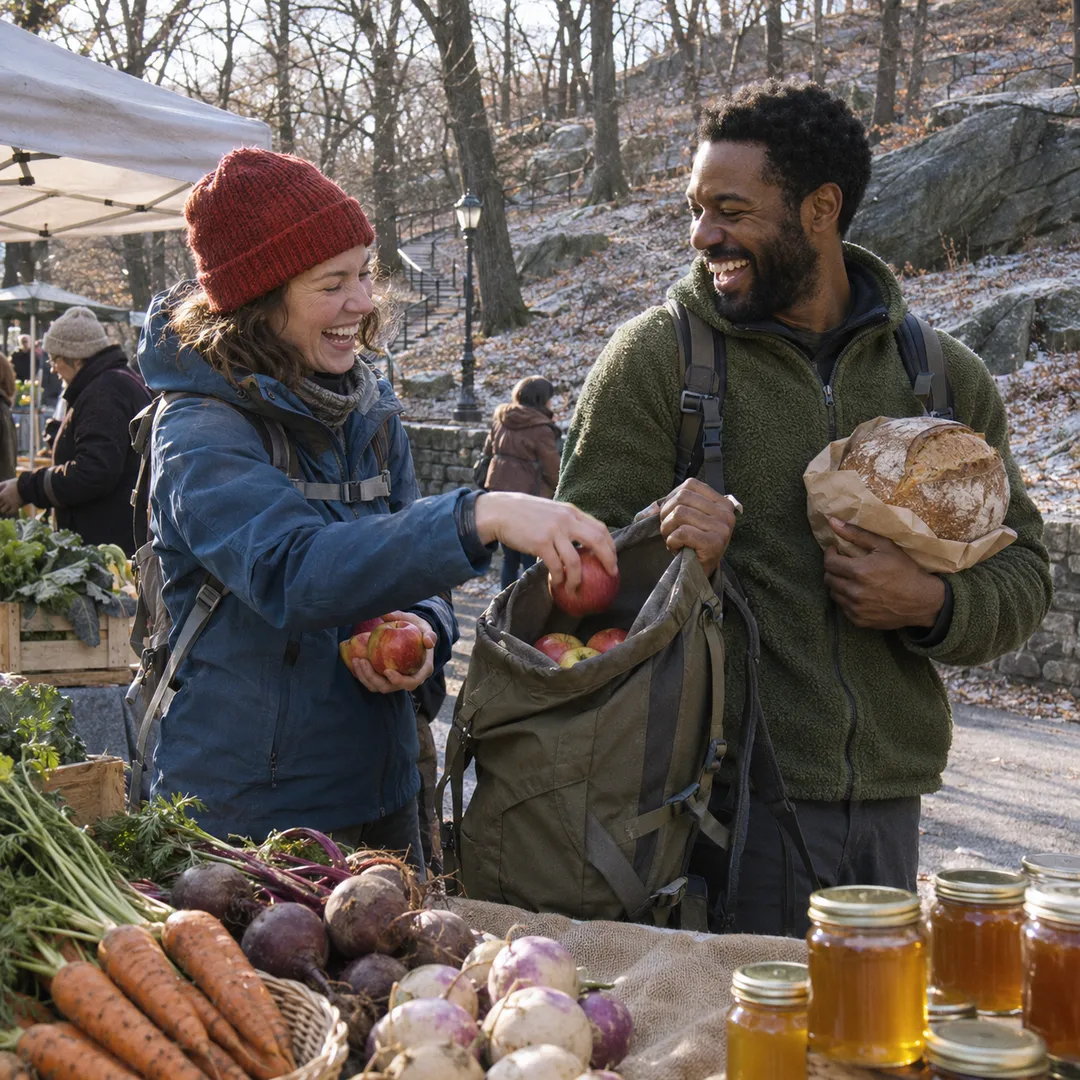
 Inwood Winter Greenmarket Picker for Hikers on Cold Mornings
Weekend Plans
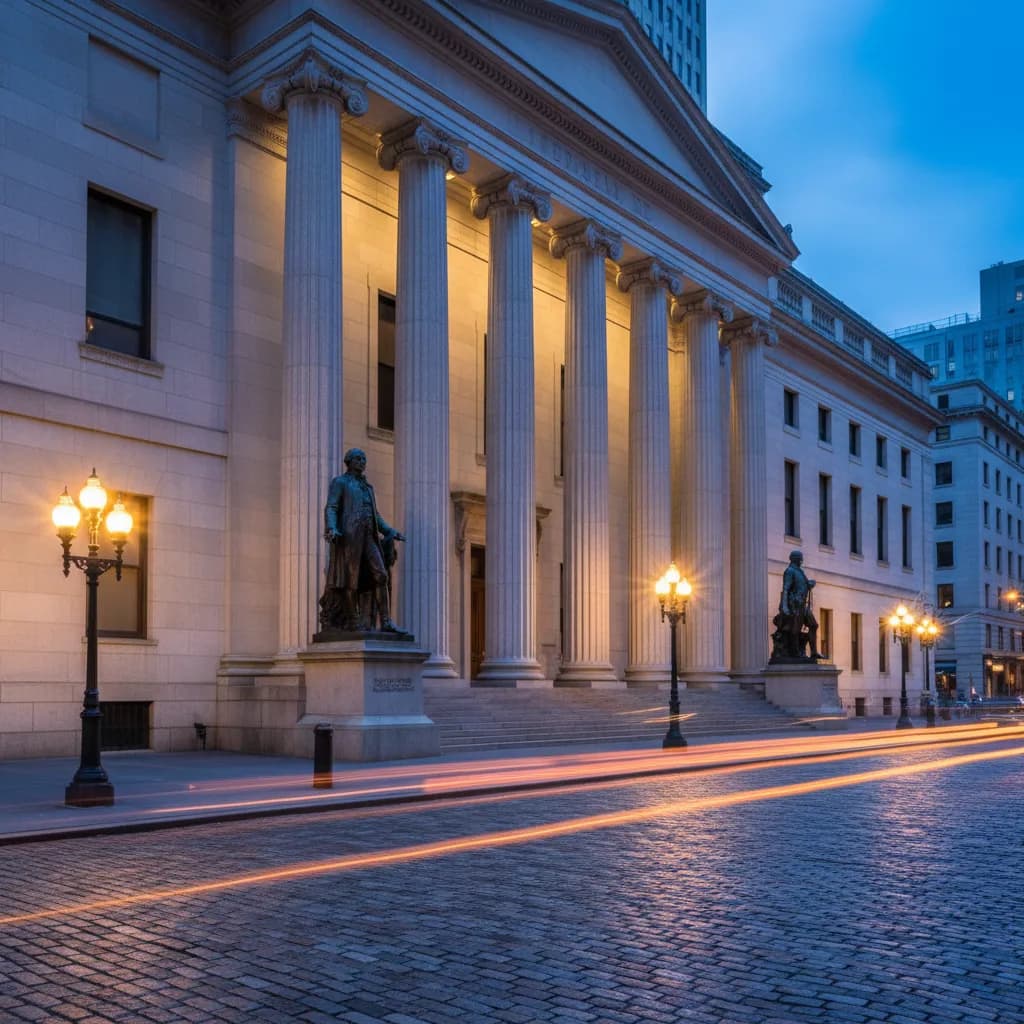
Historic True Crime Tour in Lower Manhattan with Boroughs of the Dead
An intellectually rich Victorian true crime walking tour through Lower Manhattan, examining 19th-century Gilded Age murders, forensic milestones, and dark historical scandals.
For history buffs and literary enthusiasts seeking a deeply researched true crime tour near me, Boroughs of the Dead sets the benchmark for intellectual dark history walking tours in New York City. Established in 2013 by historical novelist and educator Andrea Janes, this boutique touring company specializes in thoroughly documented, non-sensationalized accounts of historic crimes, burial grounds, and gothic urban mortality. The acclaimed Death and the City: Mortality and Mourning in Old New York walking tour gathers outside 1 Bowling Green, New York, NY 10004, at the front steps of the National Museum of the American Indian, leading participants on a sophisticated historical journey through Lower Manhattan's oldest burial grounds and colonial corridors.
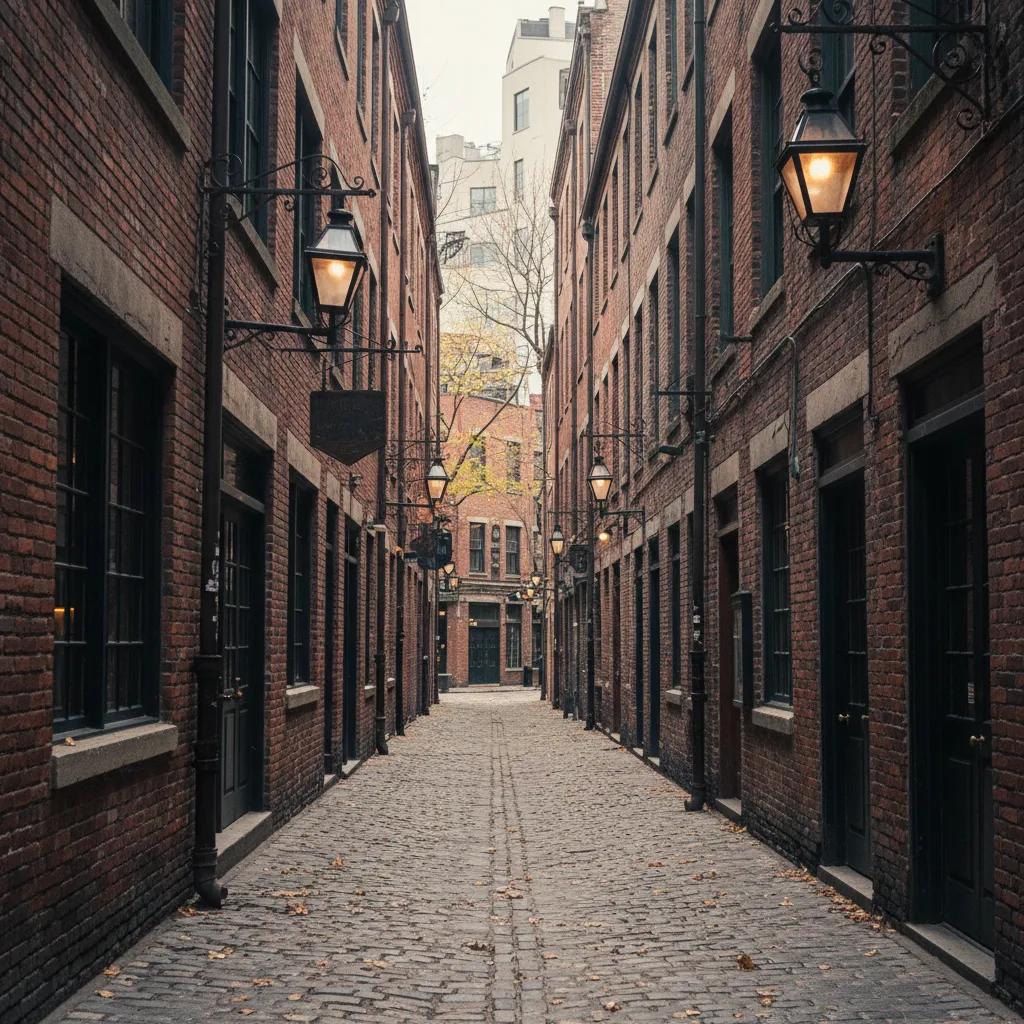
The physical setting of Lower Manhattan provides a striking visual juxtaposition between towering modern financial skyscrapers and quiet colonial alleyways. Gathering at the historic Alexander Hamilton U.S. Custom House at 1 Bowling Green, the tour moves northward past early Dutch colonial street layouts, historic churchyards, and forgotten institutional burial grounds. Guides hold advanced degrees in history, literature, or museum education, ensuring that every narrative is anchored in primary source archival evidence, coroner records, and municipal court transcripts rather than exaggerated ghost legends.
The core curriculum of Death and the City traces four hundred years of New York City history through the solemn lens of how the city has treated, memorialized, or neglected its dead. Guides deconstruct the grim realities of colonial-era epidemics, early capital executions, and the harrowing conditions endured aboard British prison ships during the American Revolutionary War. Walking through historic street corridors, guests explore forgotten potter's fields, colonial churchyard boundaries, and the turbulent legal controversies that arose as rapid urban growth clashed with sacred resting places.
Ticket pricing for Boroughs of the Dead walking tours is clear and transparent. Standard adult admission is priced at $40.00 per person directly through the official website at boroughsofthedead.com. This specialized mortality and true crime tour runs seasonally during autumn months in October and November, offering scheduled weekend departures. Group capacities are strictly limited to twenty-five participants, allowing the guide's natural speaking voice to carry easily without the distortion of impersonal loudspeaker amplification systems.
A key highlight of the route examines landmark public unrest and early forensic controversies, including the notorious Doctors' Riot of 1788. Guides recount how widespread public outrage erupted over illegal grave-robbing by medical students at New York Hospital, sparking violent street clashes and emergency militia mobilizations. The narrative also examines the Manhattan Burial Crisis of 1822, when municipal health authorities prohibited further interments south of Canal Street following catastrophic yellow fever outbreaks, fundamentally altering the geography of New York City cemeteries.
The two-hour walking route spans approximately 1.2 miles through the historic heart of Lower Manhattan, concluding near the African Burial Ground. Along the route, storytellers highlight the discovery and preservation of this crucial ancestral site, unravelling the profound social and racial histories that shaped colonial and early federal New York. Participants gain a sobering, deeply moving perspective on how municipal authorities systematically marginalized free and enslaved Black New Yorkers both in life and in death.
The route is thoughtfully plotted across flat pedestrian walkways and historic paved streets, maintaining an unhurried pace suitable for visitors of all endurance levels. Frequent stationary storytelling stops near historic landmarks such as Bowling Green Park, Trinity Churchyard, and City Hall allow guests to absorb architectural details and historical context comfortably. Participants are advised to wear supportive, broken-in walking shoes to navigate occasional uneven historic granite pavers and cobblestone crosswalks.
Tour departures proceed in various weather conditions, with Lower Manhattan's historic architecture appearing particularly dramatic under overcast skies or gentle autumn mist. Guides utilize porticos, awnings, and sheltered entryways during intermittent weather to keep guests comfortable throughout the presentation. Participants should dress in breathable seasonal layers and pack a compact umbrella for coastal weather changes.
Exploring the Financial District before or after your tour reveals fascinating layers of American revolutionary and municipal history. Visitors can pay their respects at Alexander Hamilton's monument inside Trinity Churchyard, admire the massive limestone facade of the Custom House, or take an evening waterfront stroll along Battery Park with panoramic views of New York Harbor and the Statue of Liberty.
When hunger strikes in Lower Manhattan, the neighborhood offers fantastic historic dining destinations. Stone Street is packed with bustling taverns, including the historic Fraunces Tavern at 54 Pearl St, where George Washington bid farewell to his officers in 1783. Visitors can tour the upstairs museum galleries for $10.00 general admission before sitting down in the tavern for craft ales and traditional fare, or visit Delmonico's at 56 Beaver St, celebrated as America's first fine-dining institution.
Transit access to the meeting point at 1 Bowling Green is exceptionally convenient from all five boroughs. The Bowling Green subway station on the 4 and 5 lines exits directly at the Custom House entrance, while the South Ferry station on the 1 train and the Whitehall Street station on the R and W lines are just steps away. Standard single subway fares are $2.90 per ride via contactless payment or OMNY. Street parking is restricted throughout Lower Manhattan, making mass transit the recommended travel choice.
Practical notes provide helpful logistical details for attendees. The meeting location is positioned on the front steps of the National Museum of the American Indian at 1 Bowling Green, New York, NY 10004. For customer support, private walking reservations, or educational group inquiries, staff can be contacted directly by email at info@boroughsofthedead.com. Guests are encouraged to arrive ten minutes before departure to ensure seamless group organization.
Should your scheduled tour date encounter sell-out conditions, Lower Manhattan offers wonderful self-guided historical alternatives. Walking through the outdoor memorial plaza of the African Burial Ground National Monument on Duane Street provides a moving historical reflection, while touring the historic graveyard at St. Paul's Chapel delivers rich insight into early New York colonial burials and revolutionary survival.
Recommended items for your walking bag include a lightweight notebook for jotting down reading recommendations, a pocket umbrella, and a compact camera for capturing evening architectural shots. Andrea Janes and her team frequently share curated bibliographies of early American true crime and mortality history, giving guests wonderful reading inspiration for weeks after the tour.
Boroughs of the Dead elevates the walking tour genre into an enthralling masterclass in nineteenth-century social history, forensic evolution, and literary intrigue. By exploring the actual historic grounds where early New Yorkers lived, struggled, and were laid to rest, attendees gain a mature, respectful, and profound connection to the city's complex historical soul.
Ask Karpo for more information.
Keep reading
- Inwood Winter Greenmarket Picker for Hikers on Cold Mornings
 Carroll Gardens Winter Greenmarket Picker for Holiday Bakers
 Jackson Heights Winter Greenmarket Picker for a Family Day