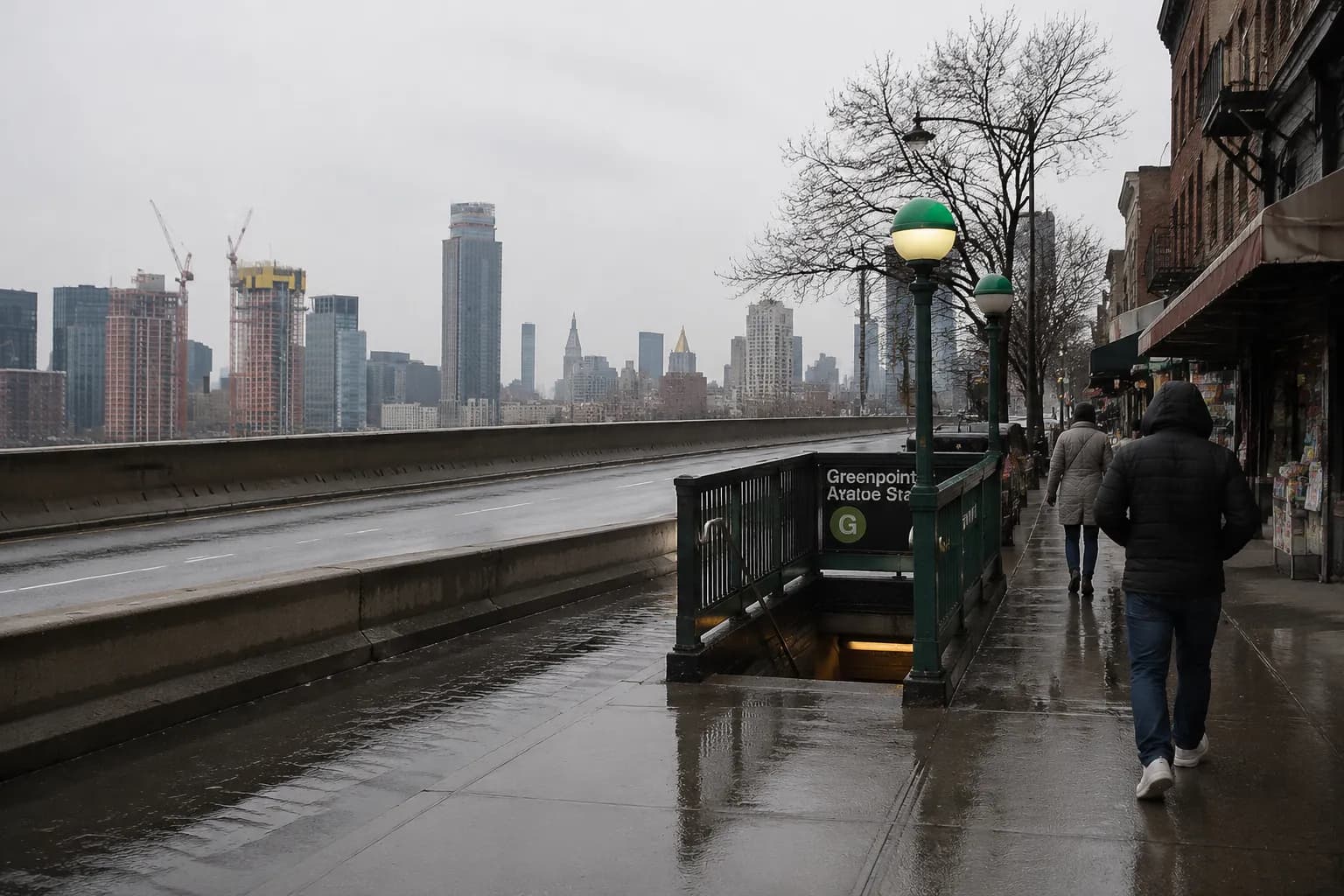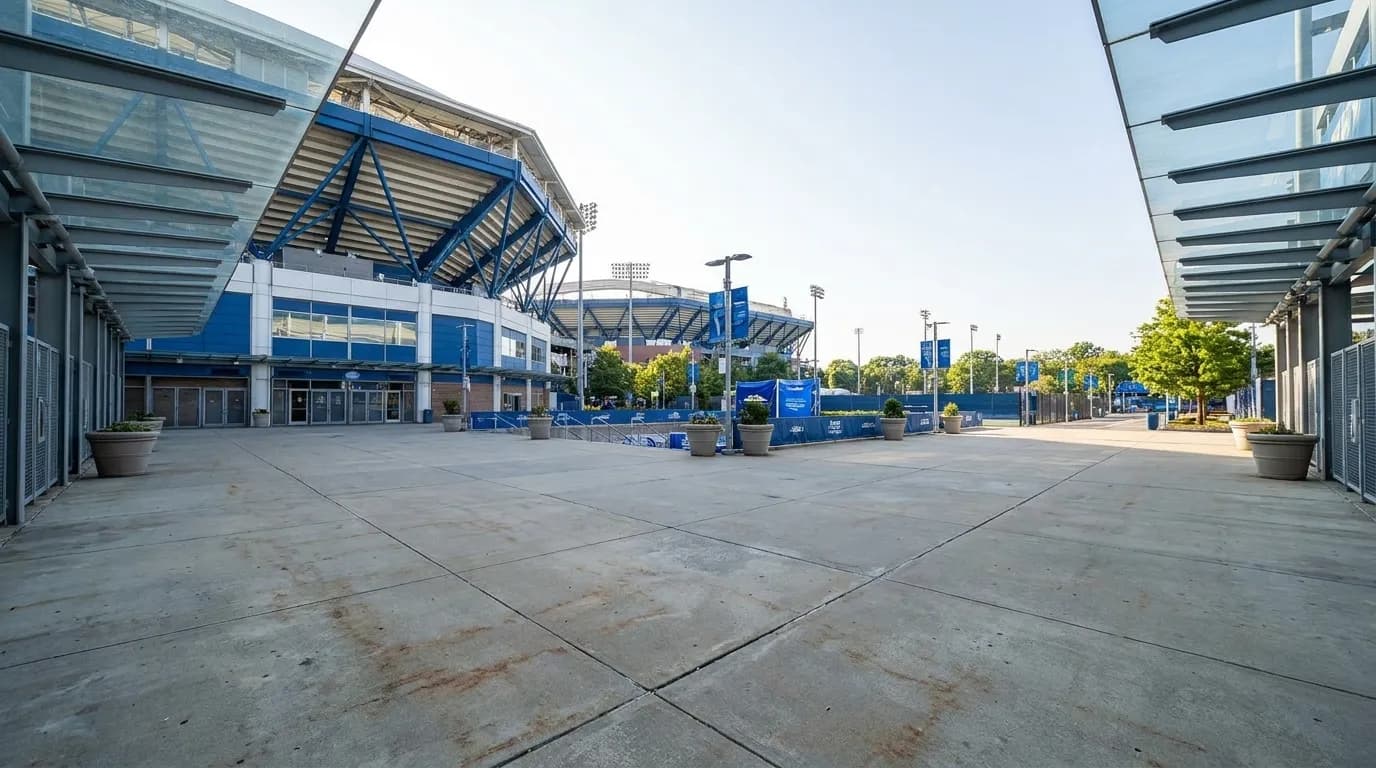
Tommy Paul is one of the top American men's players right now, and when he's scheduled at the US Open or another New York tournament, the city turns its attention to Flushing. The Open runs late August into September at the USTA Billie Jean King National Tennis Center. Outside that window, exhibition matches and smaller ATP events occasionally land at Madison Square Garden or other venues, but those are rare and usually announced weeks ahead. Check the USTA calendar and the venue's own schedule before you commit to a weekend plan.
Text Karpo now for live transit to Flushing Meadows, backup bar listings if you can't get tickets, and a realistic train home after the match ends.

What you're actually signing up for
If there's a match on, you're looking at a trip to Queens. The 7 train from Grand Central or Times Square takes forty to fifty minutes to Mets–Willets Point. That's the stop everyone uses. The walk from the platform to the grounds is well-marked, about ten minutes through the park. Crowds are heaviest for night sessions and weekend day matches. If Tommy Paul is playing a feature court—Arthur Ashe Stadium or Louis Armstrong Stadium—expect airport-level security lines. Grounds passes get you into the smaller courts without reserved seats, and those lines move faster.
Crown Heights to Flushing means the 3 or 4 to Grand Central, then the 7. Budget an hour fifteen each way, more if you're traveling during evening rush or if there's train work. The 7 runs express during big events, but it's still a long ride and the train fills up fast after a popular match. Late-night service on the 7 can be unpredictable outside the Open's official hours, so if you're planning around an exhibition or a night session, check the MTA status before you leave.
Stay in the city or make the trip

You have two realistic plans. One: go to the match. Two: watch it in a bar that cares about tennis and skip the commute. Both are legitimate weekend choices, and the decision comes down to whether you want the live experience or whether you'd rather stay in Brooklyn and keep your evening flexible.
If you're going to Flushing, buy tickets early. Day session grounds passes are cheaper and give you access to outside courts where you can sit close. If Tommy Paul is on a show court, you'll need a reserved seat, and those sell out fast for American players. The grounds have food, but it's expensive and the lines are long. Eat before you go or bring something that clears security—sealed snacks, empty water bottles you can refill inside. The venue is outdoors, so check the weather. August and early September in Queens can be brutal. Bring a hat, sunscreen, and something to sit on if you're on the grounds.
The bar route is simpler. Plenty of spots in Manhattan and Brooklyn will have tennis on if it's a big match, but not every place treats it like a marquee event. If you want commentary and a crowd that's actually watching, call ahead. Corner spots near Barclays or along Flatbush in Prospect Heights tend to have the game on during the Open. You won't get the stadium energy, but you also won't lose three hours to the subway and you can leave when the match drags.
From Crown Heights, you can walk to Prospect Heights in fifteen minutes or take the 2 or 3 one stop to Grand Army Plaza. Franklin Avenue has a few reliable bars with TVs. If you want Manhattan, the 2 or 3 to Penn Station or the 4 or 5 to Union Square put you near places that will have it on. Confirm the day before that they're showing it—tennis isn't a default like baseball or basketball.
What the day actually costs
A US Open grounds pass during the day session starts around forty dollars if you buy early, but prices climb as the tournament progresses. Reserved seats for a show court can run into the hundreds, especially for a weekend match featuring an American player. Add the subway—MetroCard swipe is $2.90 each way, so six dollars round trip. If you're buying food and drinks inside, budget another thirty to fifty dollars. The venue doesn't allow outside alcohol, and the beer and cocktail lines are long and pricey.
If you're watching in the city, you're looking at the cost of drinks and maybe food. A beer in a Brooklyn bar is seven to nine dollars. Two or three over a match puts you at twenty-five dollars, and you're not dealing with the commute or the heat. The trade-off is the atmosphere—watching tennis in a bar is fine, but it's not the same as being in the stadium when the crowd turns.
Plan for time, not just money. A day session at the Open means leaving Crown Heights by late morning if you want to get through security and find a seat before the first match. Night sessions start at seven, but if it's a popular match, you want to be on the 7 train by five-thirty. After the match, the subway platform at Mets–Willets Point is a mess. Thousands of people funnel onto the same train, and it's standing room only back to Manhattan. If the match goes late and you're trying to transfer to the 3 or 4 at Grand Central, expect delays and crowding. The last express trains thin out after midnight, and the local crawls.
What to check before you go

Look up the match schedule the night before. The USTA posts order of play a day ahead, sometimes the morning of. Tommy Paul might be listed for a day session or a night session, and the start time shifts depending on how long earlier matches run. If he's third on a show court, you could be waiting hours. Grounds passes let you move around, but if you have a reserved seat, you're committed to that court.
Check the weather and the MTA. Summer thunderstorms delay matches, and the Open has a roof on Arthur Ashe but not on the other courts. If rain is likely, matches get pushed or moved, and the schedule falls apart. The MTA's website or the app will tell you if the 7 is running local or if there's work between Grand Central and Flushing. On weekends, track work is common, and a local 7 adds fifteen minutes each way.
If you're staying in the city, confirm the bar is showing it. Not every place defaults to tennis, even during the Open. Call or check their social media. Some spots take reservations for big matches, others are first-come. If you're planning to watch from Crown Heights or Prospect Heights, you have more flexibility—you can walk to a backup if the first place is packed or not showing it.
Bring less than you think you need if you're going to Flushing. Security is strict. No large bags, no outside food except sealed snacks, no umbrellas with metal tips. Sunscreen and a hat are non-negotiable in the daytime. The grounds are huge, and you'll be walking between courts if you're on a grounds pass. Comfortable shoes matter. If you're going at night, bring a light layer—it cools off fast once the sun drops, and the stadium seats are metal.
Practical notes
- Match schedules post one day ahead; check USTA site morning-of for updates and court assignments.
- 7 train to Mets–Willets Point: 40-50 min from Midtown, longer from Crown Heights; expect crowds after night sessions.
- Grounds passes cheaper than reserved seats; get you close on outside courts but no guaranteed seat on show courts.
- Venue security strict: no large bags, outside alcohol, or metal-tipped umbrellas; bring sealed snacks and refillable water bottle.
- Weather matters—August/September heat is serious; night sessions cooler but can run past midnight.
- Bar backup: call ahead to confirm tennis coverage; Prospect Heights and Flatbush have reliable spots during the Open.
Tags: #karpo #tommypaul #newyorkcity #nyc #usopen #flushing #crownheights #weekendplans #tennis #queens #brooklynweekend #7train #nyctennis #flushingmeadows #prospektheights
Sources consulted: USTA Billie Jean King National Tennis Center · MTA Subway Status
All trademarks are the property of their respective owners.
Ask Karpo first
Text Karpo to confirm the match is still on, get live subway timing from Crown Heights to Flushing, and find a backup bar in Brooklyn if the trip feels too long. Karpo checks what's actually open and gives you a route that accounts for weekend train work.