 Inwood Winter Greenmarket Picker for Hikers on Cold Mornings
Weekend Plans
Paranormal Museum Near Me: Dyckman Farmhouse Museum Revolutionary Lore in Inwood
Explore Manhattan's oldest surviving Dutch colonial farmhouse at Dyckman Farmhouse Museum in Inwood, featuring 1784 timber architecture, reconstructed Hessian military huts, and Revolutionary War ghost folklore.
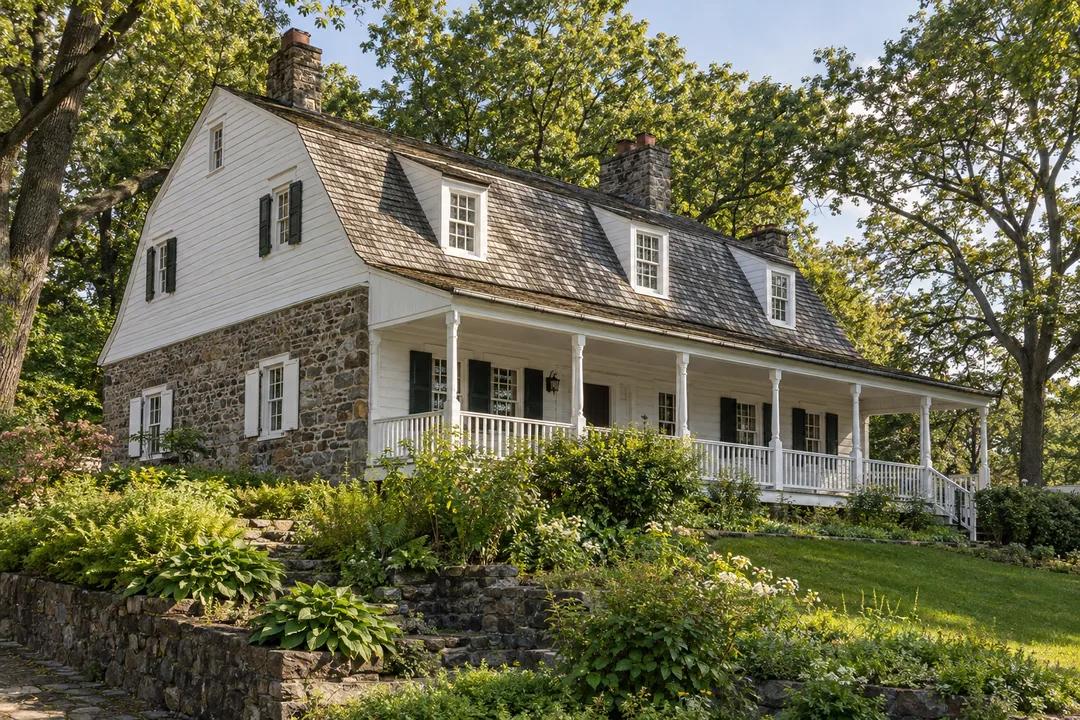
Dyckman Farmhouse Museum at 4881 Broadway is the oldest surviving Dutch colonial residence on the island of Manhattan, perched on a rocky hillside in Inwood. For explorers looking up a paranormal museum near me to uncover Northern Manhattan's layered military and supernatural history, this 1784 fieldstone homestead offers an unvarnished encounter with the Revolutionary War. Surrounded by modern apartment buildings and elevated train lines, the landmark stands upon ground where British and Hessian regiments maintained wartime barracks, preserving original artifacts, colonial death records, and enduring spectral folklore.
Manhattan's Last Dutch Farmstead and the Revolutionary Occupation
The Dyckman family first acquired land across Upper Manhattan in the late seventeenth century, establishing productive orchards, grazing pastures, and cider mills along the Harlem River. During the Revolutionary War, the entire northern end of the island was seized by Crown forces following the Battle of Fort Washington in November 1776, prompting the patriot-aligned Dyckmans to flee their homestead. When William Dyckman returned to the property after the British evacuation in 1783, he found his original family home burned to ashes and the hillside covered in military trenches and soldier encampments.
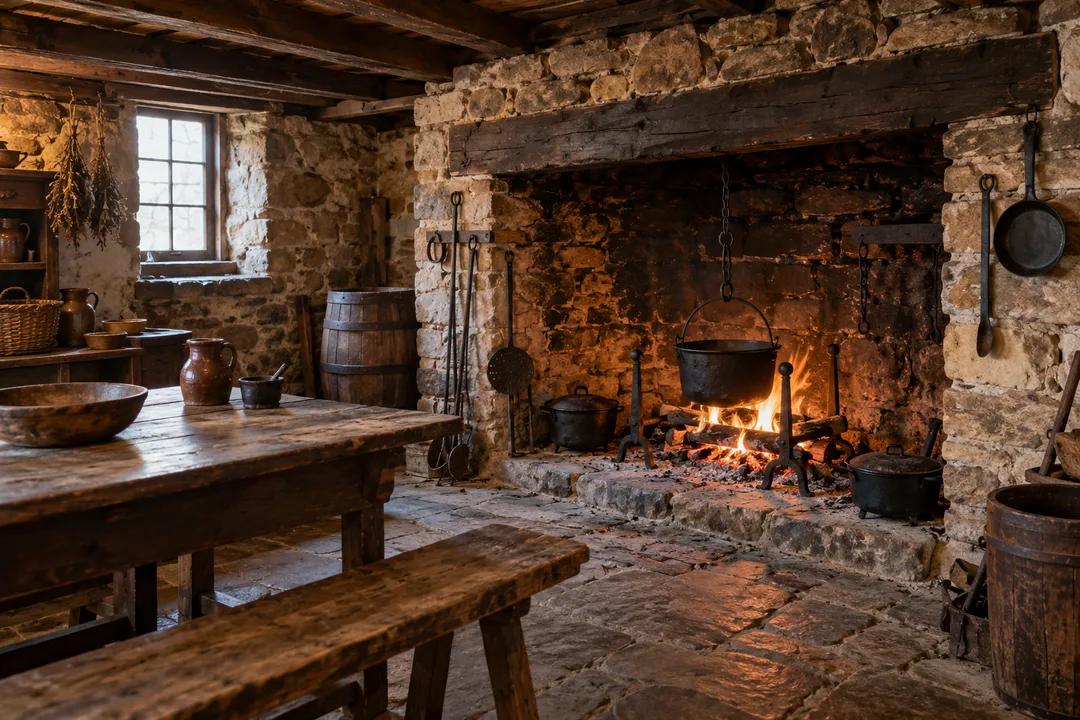
Undeterred by the destruction, William constructed the current Dutch colonial farmhouse in 1784, incorporating Manhattan schist fieldstones and hand-hewn chestnut timbers salvaged from surrounding fortifications. The house features a traditional Dutch flared gambrel roof, sweeping covered front and rear porches, and an authentic ground-level winter kitchen with heavy exposed ceiling beams. Because the residence remained occupied by Dyckman descendants until sisters Mary Alice and Fannie Fredericka Dyckman purchased and restored the home to open it as a public museum in 1916, the rooms retain authentic decorative arts, family Bible registries, and hand-forged kitchen implements from early New York statehood.
Hessian Military Huts and Spectral Cellar Phenomena
During the seven-year British occupation, more than a thousand Hessian mercenary soldiers and British regulars built dozens of semi-subterranean dugouts along the slopes behind the farmhouse. Archaeological digs conducted on the property in the early twentieth century uncovered hundreds of military relics, including lead musket balls, regimental brass buttons from the Prince Charles Regiment, iron cannonballs, and broken stoneware rum jugs. A reconstructed full-scale Hessian military hut now stands on the museum's upper garden terrace, providing visitors with a tactile glimpse into the grim, freezing winter camp conditions of 1777.
Staff, volunteers, and nighttime security guards over the past century have reported recurrent paranormal occurrences concentrated in the stone winter kitchen and cellar storage vaults. Unexplained drops in ambient temperature frequently gather near the massive stone hearth, accompanied by the distinct scent of pipe tobacco and the rhythmic thud of heavy military boots across the upper floorboards when the museum is closed. Rather than leaning into theatrical embellishment, the institution presents the authentic archaeological record of military disease, winter malnutrition, and wartime casualties that left an indelible psychological imprint on the Inwood hillside.
Visiting Hours, Admission Pricing, and Property Logistics
The Dyckman Farmhouse Museum opens for public visitation on Fridays from 12:00 pm to 4:00 pm and Saturdays from 10:00 am to 4:00 pm. Admission is exceptionally reasonable, priced at $3.00 for adults, $2.00 for seniors over sixty-five and students with school identification, while children under ten enter completely free of charge. Tickets can be acquired directly at the reception entry located at the main porch door facing Broadway at West 204th Street. Visitors can explore the historic parlor, dining room, bedchambers, winter kitchen, and the outdoor military reconstruction at their own pace using informative printed guides or mobile digital audio tours.
The museum sits elevated approximately fifteen feet above the sidewalk grade of Broadway, accessed via a flight of outdoor stone steps leading through the landscaped perimeter garden. Inside the historic building, doorways are constructed with low eighteenth-century headers, so taller guests should watch their clearance while moving between the parlor and dining quarters. Modern restroom facilities and a small educational welcome center are located on the ground level adjacent to the winter kitchen.
Honest Advice on Seasonal Timing and Heritage Garden Walks
A standard self-guided visit to the farmhouse and its outdoor grounds takes approximately forty-five to sixty minutes, making it an easy and rewarding weekend cultural stop. Visiting during the early afternoon between 1:00 pm and 2:30 pm on a Friday offers a peaceful environment with few other visitors, allowing you to examine historical artifacts without interruption. The terraced hillside gardens feature heritage apple varieties, blooming hydrangeas, and traditional Dutch boxwood hedge beds that recreate the original agricultural setting.
Visitors should avoid expecting a massive plantation-style mansion; the farmhouse is an honest, compact rural residence that reflects early American agrarian life. If cold autumn winds make lingering outdoors uncomfortable, spending extra time inside the ground-floor winter kitchen next to the massive colonial fireplace offers an atmospheric refuge. Non-flash still photography is permitted throughout all museum rooms, and guests are encouraged to capture the craftsmanship of the original wide-plank wood flooring and hand-forged iron door hinges.
Inwood Hill Park Forest Trails and Salt Marsh Detours
Directly west of the farmhouse lies Inwood Hill Park, containing Manhattan's only surviving natural primeval forest, freshwater springs, and tidal salt marshes. Follow Payson Avenue into the park to reach the historic Shorakkopoch Rock, commemorating the location of a legendary tulip tree and the native Lenape encampments that predated Dutch arrival. Hiking along the paved and earthen woodland trails leads to dramatic glacial potholes, historic rock shelters known as the Indian Caves, and scenic overlooks gazing across the Spuyten Duyvil Creek toward the Bronx.
After finishing your walk through the forest, head south along Broadway or 207th Street to sample authentic Dominican cuisine, including roasted pernil, mofongo, and fresh tropical fruit juices at local neighborhood bistros. The neighborhood's blend of colonial history, lush forested parkland, and vibrant street culture offers one of the most distinctive neighborhood experiences in New York City. Pairing a quiet hour at the farmhouse with an afternoon hike through the ancient Inwood woodland creates an unforgettable encounter with Manhattan's deepest historical roots.
Essential Practical Notes for Travelers
Dyckman Farmhouse Museum is located at 4881 Broadway, New York, NY 10034, situated at the corner of West 204th Street in the Inwood neighborhood of Upper Manhattan. Reaching the site via public transit is straightforward: take the A train to the 207th Street terminal station and walk two blocks south, or take the 1 train to the 207th Street station and walk one block west to Broadway.
On-street vehicular parking along Broadway and 204th Street is metered and fills rapidly on weekend afternoons, so the subway remains the fastest and most convenient travel method. The historic rooms do not feature modern air conditioning or central heating, so dressing appropriately for outdoor temperatures ensures a pleasant visit throughout the spring and autumn months. For history buffs and curious urban explorers seeking tangible connections to early Dutch life and Revolutionary wartime hauntings, this Manhattan landmark delivers an authentic historic adventure.
Ask Karpo for more information.
Keep reading
- Inwood Winter Greenmarket Picker for Hikers on Cold Mornings
 Carroll Gardens Winter Greenmarket Picker for Holiday Bakers
 Jackson Heights Winter Greenmarket Picker for a Family Day