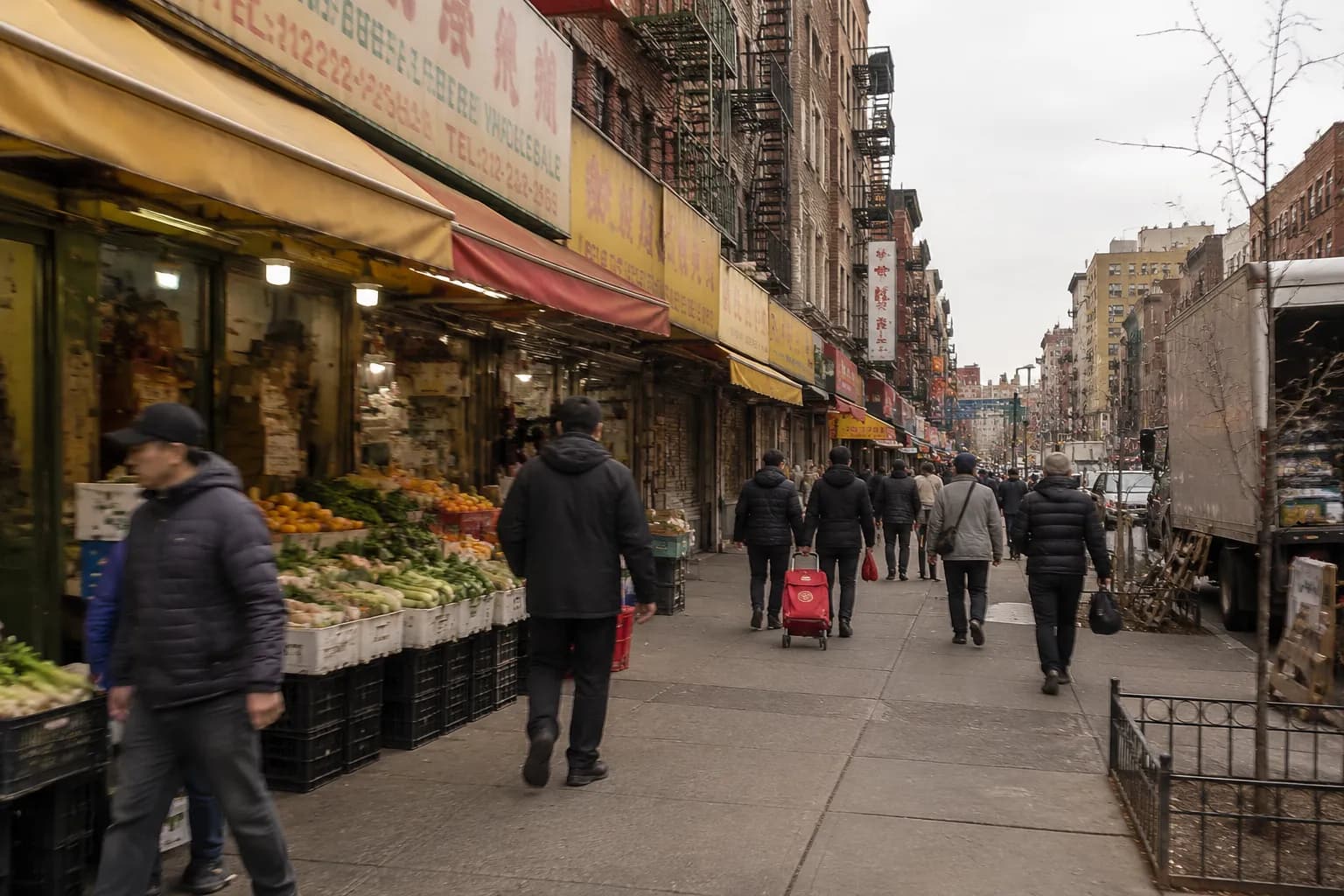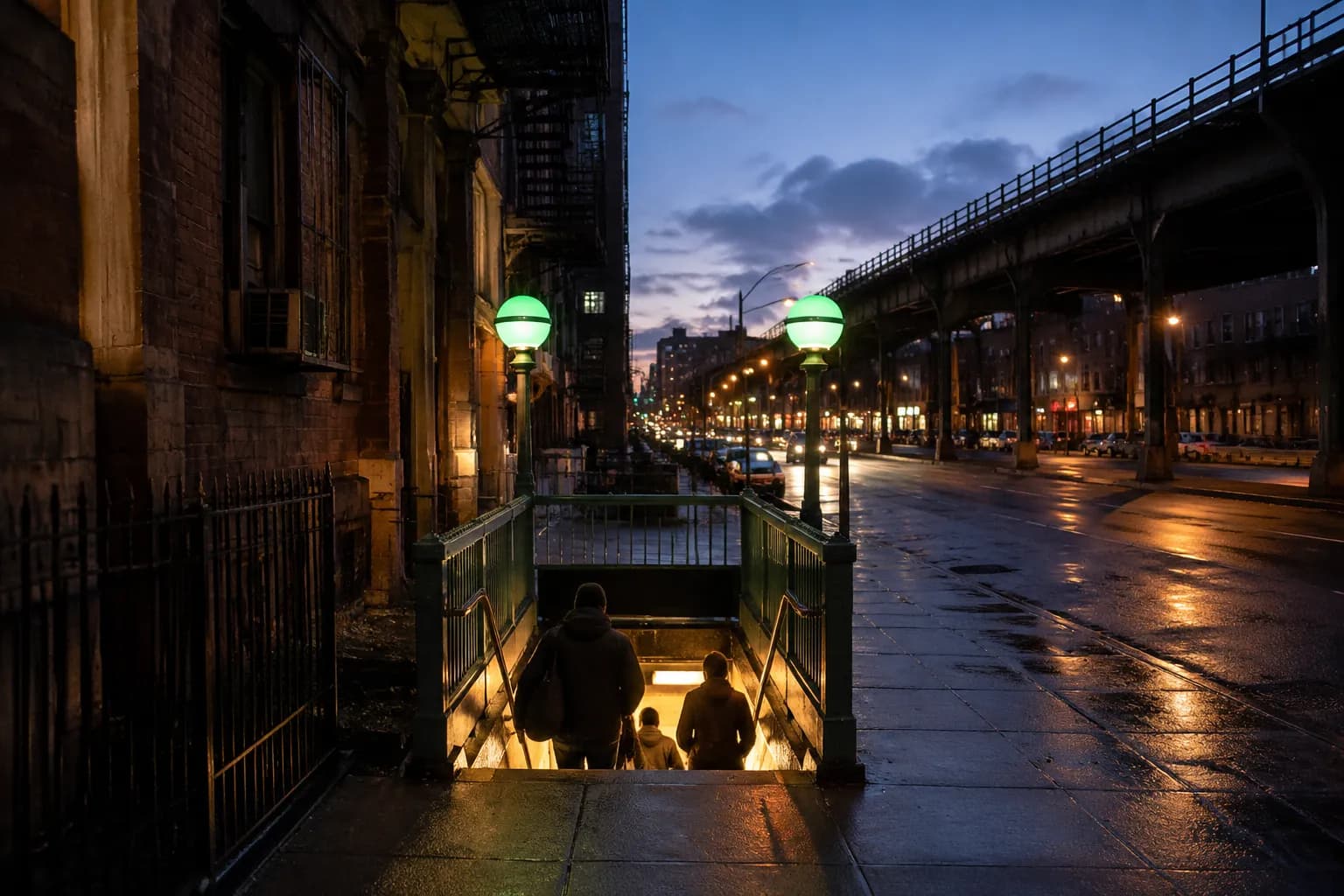
OJ Brigance played for the Baltimore Ravens, won two Super Bowls, and later became one of the most visible advocates for ALS research after his diagnosis. His story is about resilience, leadership, and showing up when the odds are stacked. That kind of determination doesn't need a stadium. It translates to a city walk—one that costs nothing and asks you to move through neighborhoods that have their own legacy of perseverance.
Karpo gives you a live route with subway backups, checks which parks and memorials are open today, and adjusts if the weather turns. Text it before you leave.

Why a football story sends you walking uptown
This plan starts in Crown Heights, Brooklyn, and takes you north to Harlem, Manhattan. You'll cover roughly eight miles on foot, with subway options if you need to bail. The route threads through Prospect Park, crosses the Manhattan Bridge approach or uses the 2/3 train, then follows Central Park's eastern edge before finishing at Marcus Garvey Park. Every segment is public space. No tickets, no entry fees, no timed reservations.
OJ Brigance's name trends when people search for inspiration around sports figures who faced something bigger than the game. The Ravens connection is strong—Baltimore built a culture around toughness and second chances, and Brigance embodied both. New York City has its own version of that ethos, carved into the blocks where people work, walk, and keep moving no matter what. This walk borrows that frame. It's not a pilgrimage to a filming location or a pop-up. It's a structure for a day when you want to move with purpose and spend zero dollars.
Crown Heights to Harlem: the route and the rhythm
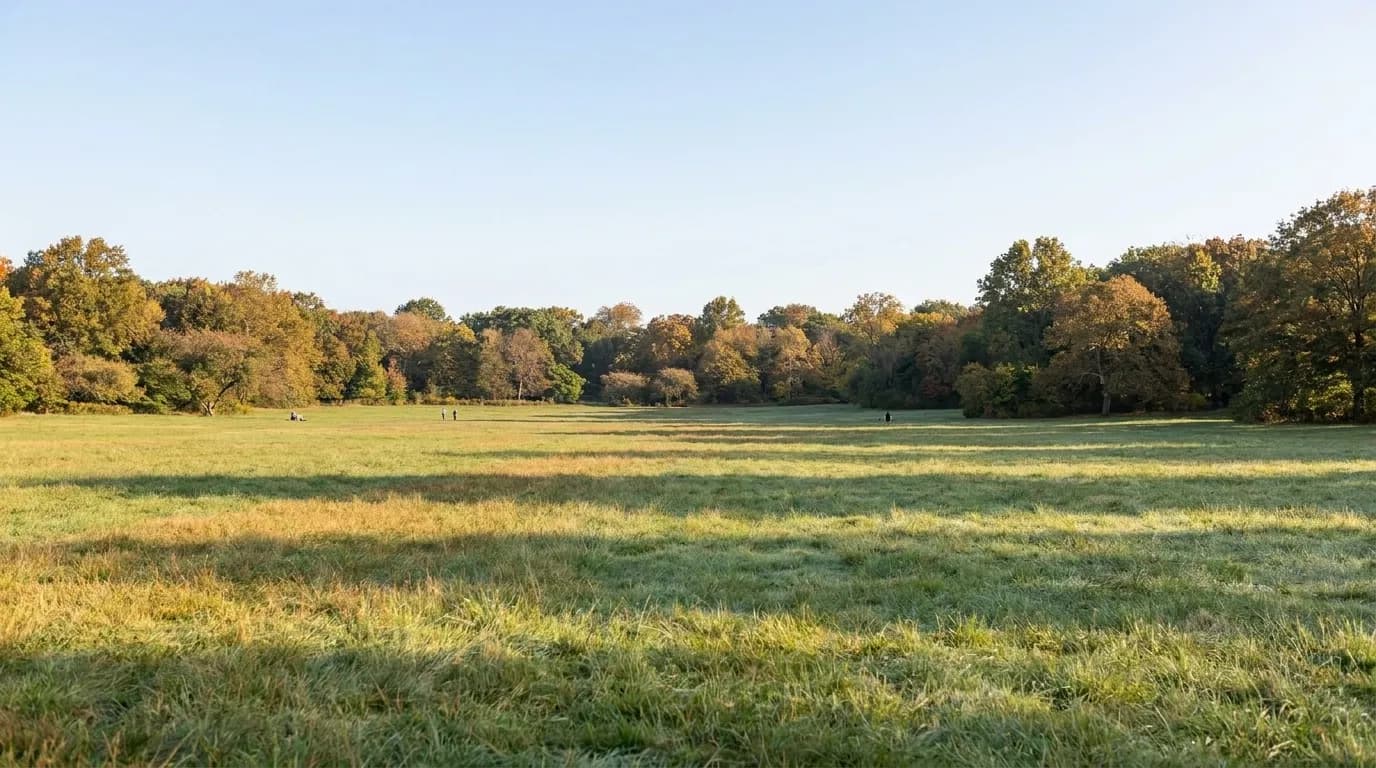
Start at the northeast corner of Prospect Park, near the Grand Army Plaza entrance. The park's perimeter loop is three and a half miles if you take the full circuit, but you only need the northern half today. Walk the path that hugs Flatbush Avenue, then cut through the Long Meadow toward the Prospect Park West exit near Ninth Street. The meadow is wide open, and on weekdays before noon it's mostly joggers and dog walkers. Weekends bring crowds, especially near the playgrounds, so aim for an early start if you want elbow room.
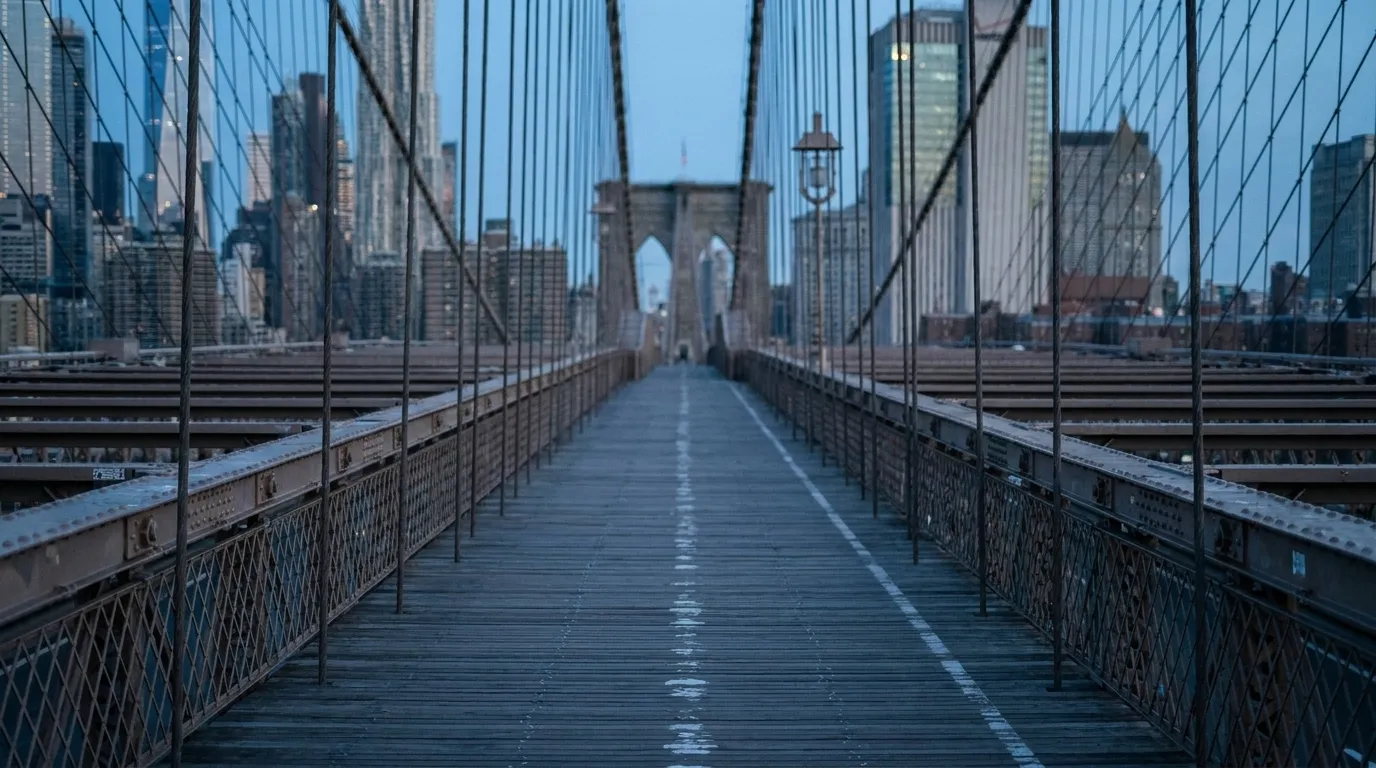
From Prospect Park West, walk north to the 2/3 train at Grand Army Plaza or continue on foot to the Manhattan Bridge pedestrian path if you prefer to stay above ground. The bridge walk is free, windy, and takes about twenty-five minutes at a steady pace. You'll emerge near Canal Street. If you take the subway instead, ride the 2 or 3 to 125th Street and Lenox Avenue—that's a forty-minute trip with no transfers, and it skips the canal-side chaos.
Once you're in Manhattan, the next leg is Central Park. Enter at the southeast corner, near Grand Army Plaza on Fifth Avenue and 59th Street. Walk the East Drive path north, staying on the park side rather than the street. The Jacqueline Kennedy Onassis Reservoir loop is 1.58 miles and offers clear sightlines without dense tree cover—good if you're moving fast. Keep going north past the Harlem Meer, exit at 110th Street and Fifth Avenue, then walk west on 110th toward Malcolm X Boulevard. Turn north and head to Marcus Garvey Park at 124th Street.
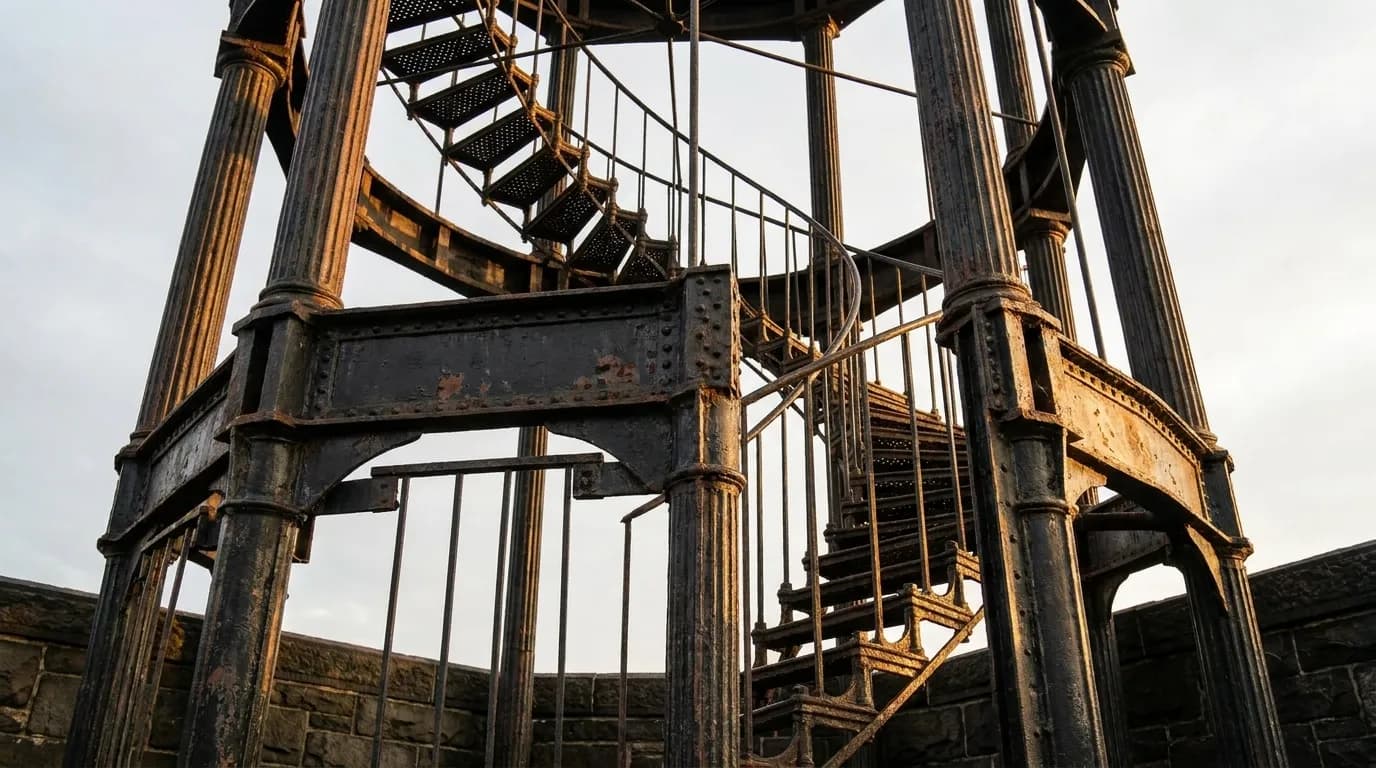
Marcus Garvey Park sits on a rocky hill with an old fire watchtower at the summit. The park is small, about three blocks square, and it's quieter than Central Park's northern end. Climb the path to the tower. The view looks west over Harlem rooftops and south toward Midtown. This is your finish line. The whole route takes four to five hours if you walk straight through, longer if you stop for water or sit on a bench.
What this plan asks from you
You'll walk eight miles, maybe more if you detour. Wear shoes that won't blister by mile three. Bring a water bottle—there are fountains in both parks, but they shut off in cold months, and the ones that work often have lines. Check the weather the night before. Rain turns the Long Meadow into mud, and the Manhattan Bridge pedestrian path has no cover. If it's forecast to pour, take the subway from Crown Heights to 125th Street and walk only the Central Park and Harlem sections.
The subway timing matters. The 2 and 3 trains run express above 96th Street on weekdays, but weekend service often reroutes or skips stops. The MTA posts service changes online, and they're usually accurate within a few hours of your trip. If you're traveling on a Sunday, confirm your line is running to 125th Street before you swipe. The alternative is the A or D train to 125th and St. Nicholas, then a ten-minute walk east to the park.
Crowds are heaviest in Prospect Park between 10 a.m. and 2 p.m. on Saturdays. The Long Meadow fills with soccer games, picnics, and drum circles. If you want space, start before 9 a.m. or after 4 p.m. Central Park's East Drive is popular with runners and cyclists all day, so stay to the pedestrian side. The Harlem Meer path is less trafficked, and by the time you reach Marcus Garvey Park, you'll likely have the hill to yourself unless there's a scheduled event. Check the park's bulletin board near the entrance—community gatherings and performances are posted there, and you might overlap with something worth watching.
There are public restrooms in Prospect Park near the Vanderbilt Playground and in Central Park at the North Meadow Recreation Center near 97th Street. Both are open during park hours, which shift by season. In winter, some facilities close by 5 p.m. Plan accordingly. If you're walking the bridge, there are no facilities until you reach Canal Street, where you can duck into a subway station.
This costs you nothing except time and subway fare if you choose to ride part of the route. A single MetroCard swipe is $2.90. If you walk the entire distance, your cost is zero. No admissions, no reservations, no tipping. The trade-off is effort. Eight miles is manageable for most people, but it's not a stroll. You'll feel it in your legs by the end.
Before you walk out the door
Check the MTA website or app for weekend service changes on the 2 and 3 lines. If those trains aren't running as usual, map your backup using the A or D. Download an offline map of Central Park if your phone battery is low—cell service inside the park can be patchy, especially near the reservoir. Charge your phone fully before you leave.
Pack light. A small backpack with water, a snack, and a rain layer is enough. Avoid carrying anything you'd worry about losing if you set it down on a park bench. Bring a hat if it's sunny—there's limited shade on the bridge and along the reservoir path. In cooler months, wear layers you can tie around your waist once you warm up.
Tell someone your route and your estimated finish time. Solo walks are fine, but it's smart to have a check-in plan. If you're walking with a group, agree on a bail-out point in case someone needs to stop early. The subway access at 125th Street makes it easy to split off without derailing the group.
OJ Brigance's story resonates because it's about forward motion and refusing to quit. This walk borrows that frame. It's not about chasing a celebrity sighting or a branded experience. It's about claiming a day in the city without spending money, using public space the way it's meant to be used, and proving to yourself that you can cover the distance. If that sounds like something worth doing, go do it.
Practical notes
- Total walking distance is approximately eight miles; plan four to five hours.
- Subway backup: 2 or 3 train from Grand Army Plaza to 125th Street, about forty minutes, $2.90.
- Check MTA weekend service changes the night before—reroutes are common.
- Public restrooms in Prospect Park near Vanderbilt Playground and Central Park at North Meadow Recreation Center.
- Bring water and snacks; park fountains may be off in cold months.
- Start before 9 a.m. on weekends to avoid crowds in Prospect Park's Long Meadow.
Tags: #karpo #nyc #newyorkcity #crownheights #harlem #prospectpark #centralpark #freethingstodo #nycwalks #ojbrigance #ravens #walkingnyc #brooklyntoharlem #nycbudget #citywalks
Sources consulted: MTA Service Changes · NYC Parks Department · Central Park Conservancy
All trademarks are the property of their respective owners.
Ask Karpo first
Text Karpo to confirm which park facilities and restrooms are open today, get a live subway route with real-time service alerts, and receive a backup plan if weather changes mid-walk. It'll also tell you the current sunset time so you know when to finish.