 Inwood Winter Greenmarket Picker for Hikers on Cold Mornings
Weekend Plans

NYC Midpoint Meetup Planner: Six Friends, One Dinner Choice
For an Astoria and Williamsburg dinner, weigh each route alongside the needs of four to six diners. Build a small shortlist and agree on one table plan.
Planning dinner for friends from Astoria and Williamsburg is a different midpoint meetup planner task from finding a place for two. A location that looks convenient on a map still has to support four to six people, their food needs, and several departure times. Consider Long Island City as one candidate rather than declaring it the answer. Use Karpo APP to start a focused discovery conversation, then turn the suggestions into a group decision with clear ownership and realistic table arrangements.
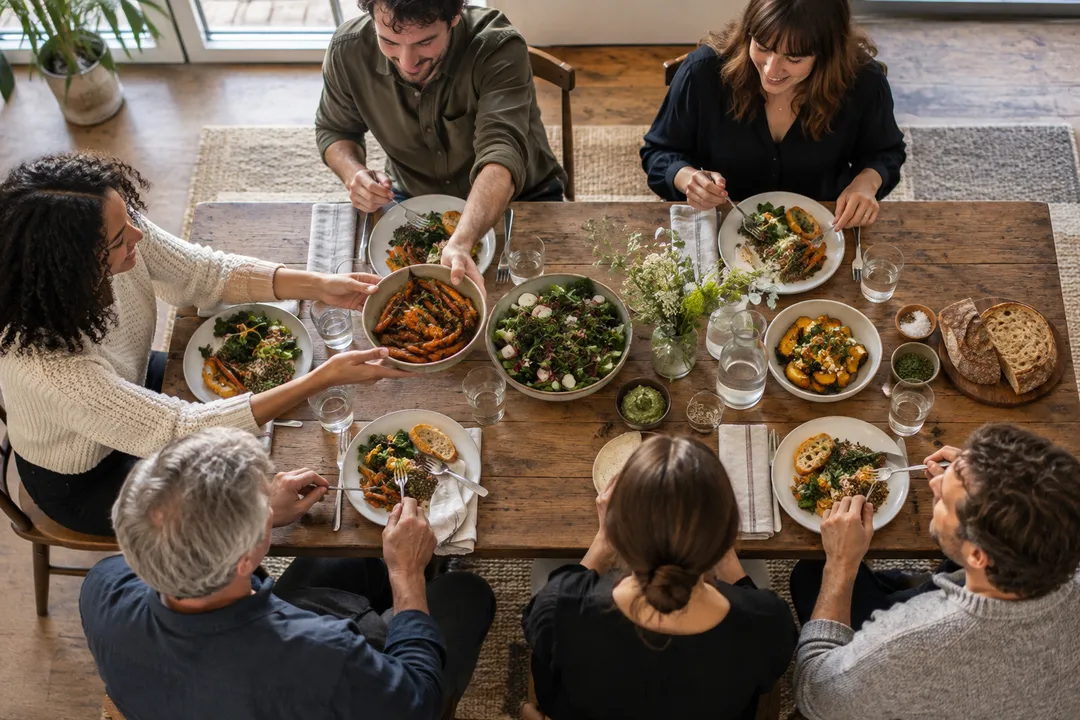
Establish who is actually coming
Ask for a definite headcount before searching for a table. “Four, perhaps six” is useful during the first discussion, but it becomes a problem if the final arrangement assumes only four. Give the group a reply deadline and separate confirmed diners from possible additions. Someone should own the final count and tell everyone when it is settled. Otherwise the restaurant choice can be quietly based on a different party size from the one that arrives.
Collect the details that change the decision: food restrictions, accessibility needs, a personal spending ceiling, and the latest time each person can finish. Ask people to share sensitive information privately with the organizer if they prefer. You do not need a public explanation for every limit. Translate the answers into a usable brief, such as seated dinner for six with vegetarian choices and a firm end time, instead of circulating a long personal questionnaire.
Map the people rather than the boroughs
Astoria and Williamsburg are starting descriptions, not complete routes. Ask each confirmed diner for the station or neighborhood point they expect to leave from that evening. Some may be coming from work elsewhere. Use those origins to compare a candidate area in Long Island City with an alternative closer to the group's actual travel paths. Do not assume that traveling between adjacent boroughs produces a short or direct journey for everyone.
Look at the hardest trip as well as the average. If five diners have easy journeys and the sixth must make several awkward connections, the proposed midpoint may be a poor compromise. Discuss whether the group wants to minimize the longest journey, avoid transfers, or rotate who travels farther across future dinners. Choosing a principle together makes the final area easier to accept than calling one neighborhood central without explaining for whom.
Give Long Island City a specific job
For this plan, Long Island City is a candidate for bringing the group together with a manageable dinner format. It is not evidence that large tables are plentiful or that a particular restaurant can take your party. Define the actual need: one table, a shared arrival period, food everyone can order, and a place where conversation is plausible. These requirements determine whether an individual venue is worth contacting or booking.
If some friends want a scenic walk and others only want dinner, put the meal first. Treat the walk as an optional extension with its own time limit. Do not select a faraway venue solely to add a view, then describe the extra travel as part of the midpoint benefit. A compact evening around the chosen table may do more for a group that has already coordinated several schedules and journeys.
Write a request that reflects the party
Start in Karpo APP with the essentials: “We are four to six friends traveling from these Astoria and Williamsburg starting points. We are considering Long Island City for dinner and want a few options that might suit a seated group conversation.” Add cuisine preferences, the selected date and your own budget. Ask for varied possibilities, such as different meal formats, rather than several nearly identical suggestions differentiated only by the name.
Karpo's website describes exploring the city through a conversation about your mood and schedule. Use the app to express what this group wants from dinner. A recommendation is not a reservation or evidence that six seats are open. When a venue makes the shortlist, handle the table arrangement through that venue's own booking or contact method. Keep the group informed about what is merely being considered and what has actually been arranged.
Make one person responsible for the table
Choose a booking owner once the venue is selected. That person should use the confirmed count, communicate any dietary or access requirement that needs attention, and share the actual arrangement with the group. If the booking channel provides conditions about timing, deposits or cancellation, read and communicate those conditions accurately. Do not invent a general policy or assume that the rules of another restaurant apply to this one.
When no table has been secured, say so plainly in the group message. The alternative may be another venue, a different time, or a smaller confirmed party, depending on what the friends agree. Avoid asking one diner to arrive early and hold an unspecified number of seats unless the venue explicitly supports that approach. The organizer's task is to reduce uncertainty for the group, not transfer it to the person who happens to arrive first.
Settle the money conversation before ordering
Agree whether the group expects to divide everything equally or pay for individual orders. This matters when one person wants a light meal and another plans several courses or drinks. Ask about sharing dishes before making it the centerpiece of the dinner. A shared menu can be sociable, but it can also make dietary restrictions and different budgets harder to handle when those preferences were not discussed in advance.
A spending ceiling is a planning choice, not an advertised venue price. Build your own allowance for the full meal and expected extras, and let each friend decide whether that feels comfortable. There is no need to publish the individual limits in the invitation. If the candidate venue cannot plausibly suit the agreed budget based on its own menu information, remove it before the vote rather than relying on someone to object at the table.
Turn the vote into a clear invitation
Offer two finalists with concise reasons and a decision deadline. One might favor easier travel while another has a meal format the group prefers. Ask for a choice between those real tradeoffs. Do not keep reopening the full search every time a new link appears. Once the confirmed diners agree and the table owner has handled the arrangement, send a single message that everyone can find easily in the conversation.
Practical Notes should include the exact venue pin, arrival time, party name if relevant, planned finish and the person coordinating changes. Ask late arrivals to update that person so the whole table is not managing separate messages. Let everyone inspect their return journey independently. Karpo APP can help begin the discovery, but the successful plan comes from a shared area, a settled count and a table arrangement the friends understand before leaving home.
Ask Karpo for more information.
Keep reading
- Inwood Winter Greenmarket Picker for Hikers on Cold Mornings
 Carroll Gardens Winter Greenmarket Picker for Holiday Bakers
 Jackson Heights Winter Greenmarket Picker for a Family Day