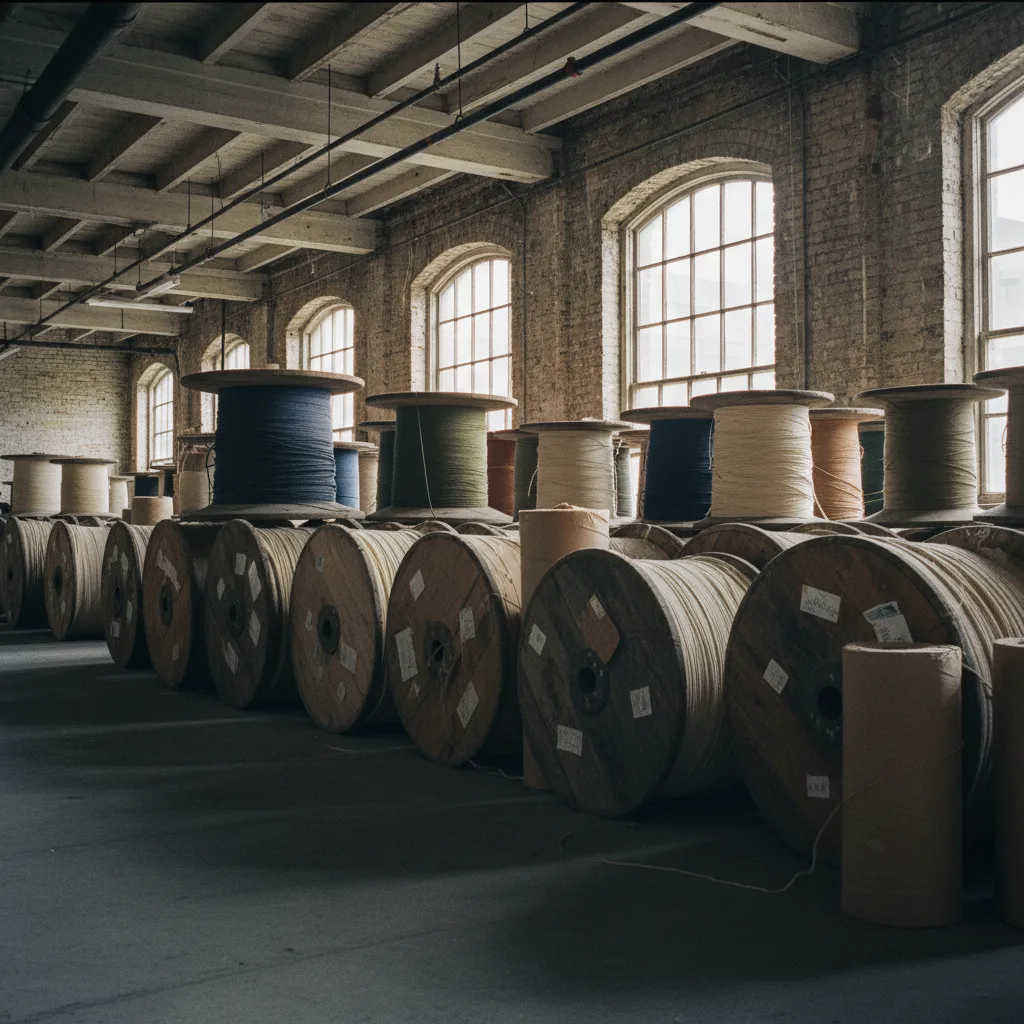
 Garment District Mending Supplies Shop Route: 4 Blocks
Hidden Gems & Odd Finds
Lower East Side Mending Supplies Shop Route: 3 Stops
Walk a Lower East Side mending supplies shop route through historic streets. Describe desired sewing notions to Karpo APP to view nearby spots and pick stops.
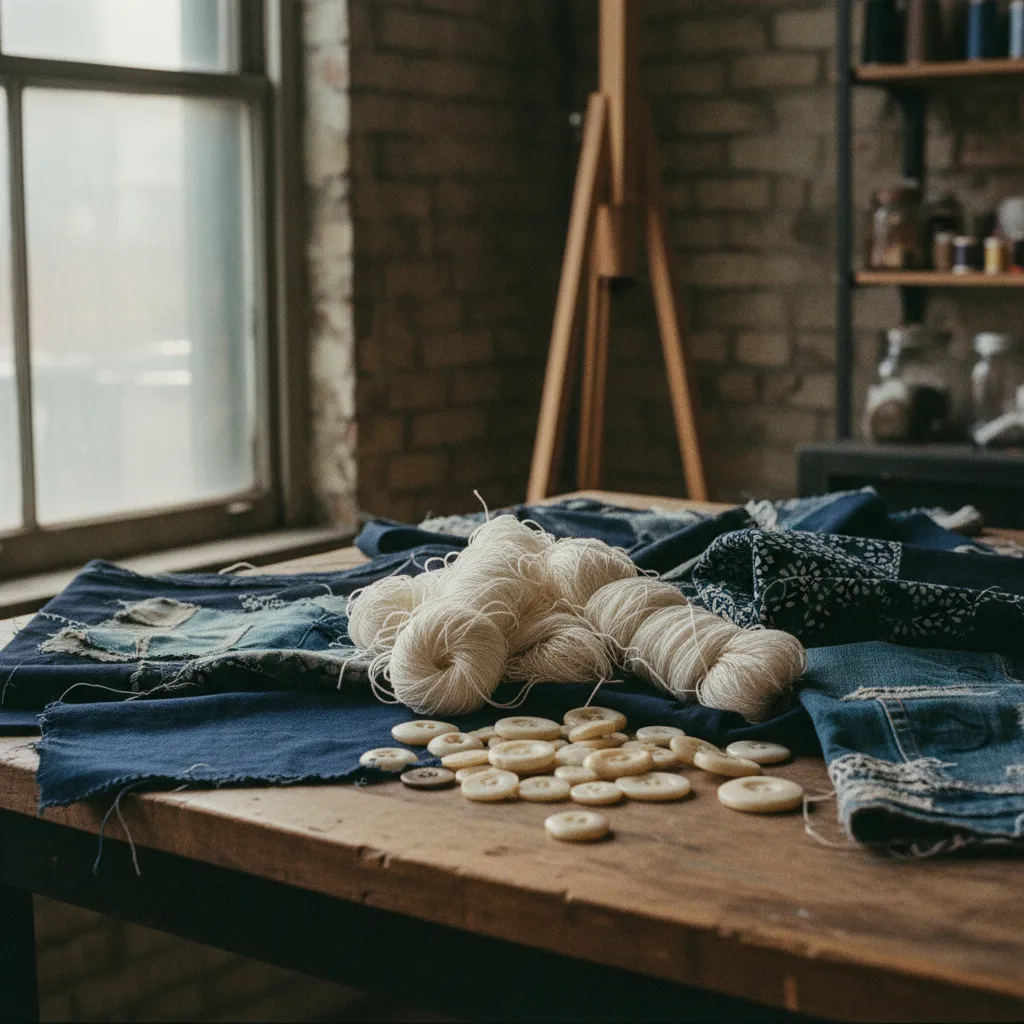
Exploring a Lower East Side mending supplies shop route offers a distinctly creative and historic counterpoint to commercial fabric districts. For well over a century, these tenement-lined streets between Houston and Delancey served as the epicenter of New York's immigrant dry goods trade, where pushcart vendors and basement merchants supplied the city with thread, needles, and scrap cloth. Today, that heritage survives through a vibrant blend of surviving family-run haberdasheries, independent Japanese mending ateliers, and community-driven craft spaces. My friend Clara, an archivist specializing in folk textiles, and I embarked on a weekend walking route to gather materials for visible mending projects: reviving worn chore coats and blown-out raw denim with indigo scraps, contrasting sashiko cotton, and bone buttons. Walking these historic blocks invites you to slow down, examine textile textures in intimate studio settings, and celebrate the art of making old garments stronger than before.
Tracing Downtown Haberdashery Roots Along Orchard and Grand Streets
The character of mending in the Lower East Side centers largely around visible repair and artisanal hand-stitching rather than machine-invisible alterations. Along Orchard and Broome Streets, independent workshops display antique boro textiles, displaying how centuries of Japanese rural menders layered indigo rags and white running stitches to prolong the lifespan of cotton hemp garments. Entering these sun-filled storefronts, the air carries the subtle scent of vegetable-dyed cotton, natural beeswax, and cedar drawers. Visitors are encouraged to handle sample swatches, comparing the tensile pull of matte unbleached cotton threads against glossy mercerized embroidery floss. Here, the philosophy of mending embraces imperfection, treating frayed elbows and worn pocket hems not as defects to conceal, but as opportunities to showcase personal narrative and textural contrast.
Begin your walking circuit along lower Orchard Street, where specialized suppliers curate imported Japanese sashiko materials alongside domestic craft tools. Traditional sashiko requires a non-divisible, tightly twisted matte cotton thread that creates bold, raised geometric patterns across heavy fabrics. Counter shelves hold rainbow arrays of skeins ranging from rich persimmon and walnut dyes to classic ecru and deep indigo. Beside the thread displays, you will find long, sharp sashiko needles engineered with oval eyes that slip through multiple plies of canvas without snagging warp yarns. Pairing these with palm thimbles made from supple vegetable-tanned leather allows you to push needles comfortably using the heel of your hand, enabling steady, rhythmic stitching across stubborn denim cuffs.
Selecting Indigo Cotton Patches and Sashiko Skeins Near Ludlow
Wandering east toward Ludlow and Essex Streets brings you to charming dry goods merchants where remnant bins offer treasure troves of high-grade patch materials. Instead of buying whole yards of synthetic cloth, menders can sift through curated bundles of deadstock Japanese selvedge denim, homespun linen scraps, and vintage workwear twill. Finding a scrap of washed chambray or indigo kasuri cloth that echoes the fading of your favorite jacket provides the perfect aesthetic match for sashiko reinforcement. These neighborhood spaces foster creative exchanges: fellow makers gathered around cutting tables often share advice on grainline alignment, heat-erasable marking pens, and basting techniques that keep patches flat during intensive hand embroidery.
Stepping out into the sunlight of a quiet side street lets you review your selected fabric swatches against the daylight bouncing off historic brick facades. Seeing how a dark indigo patch shifts beside soft ecru stitches under open skies helps you determine whether your repair pattern needs more visual contrast or a quieter harmony. This brief sidewalk pause provides a welcome moment of reflection, allowing you to sketch out grid geometries in your notebook and calculate exactly how many skeins of heavy darning thread your planned knee reinforcement will require before continuing your downtown walk.
Exploring Deadstock Trims and Antique Fasteners in Historic Basements
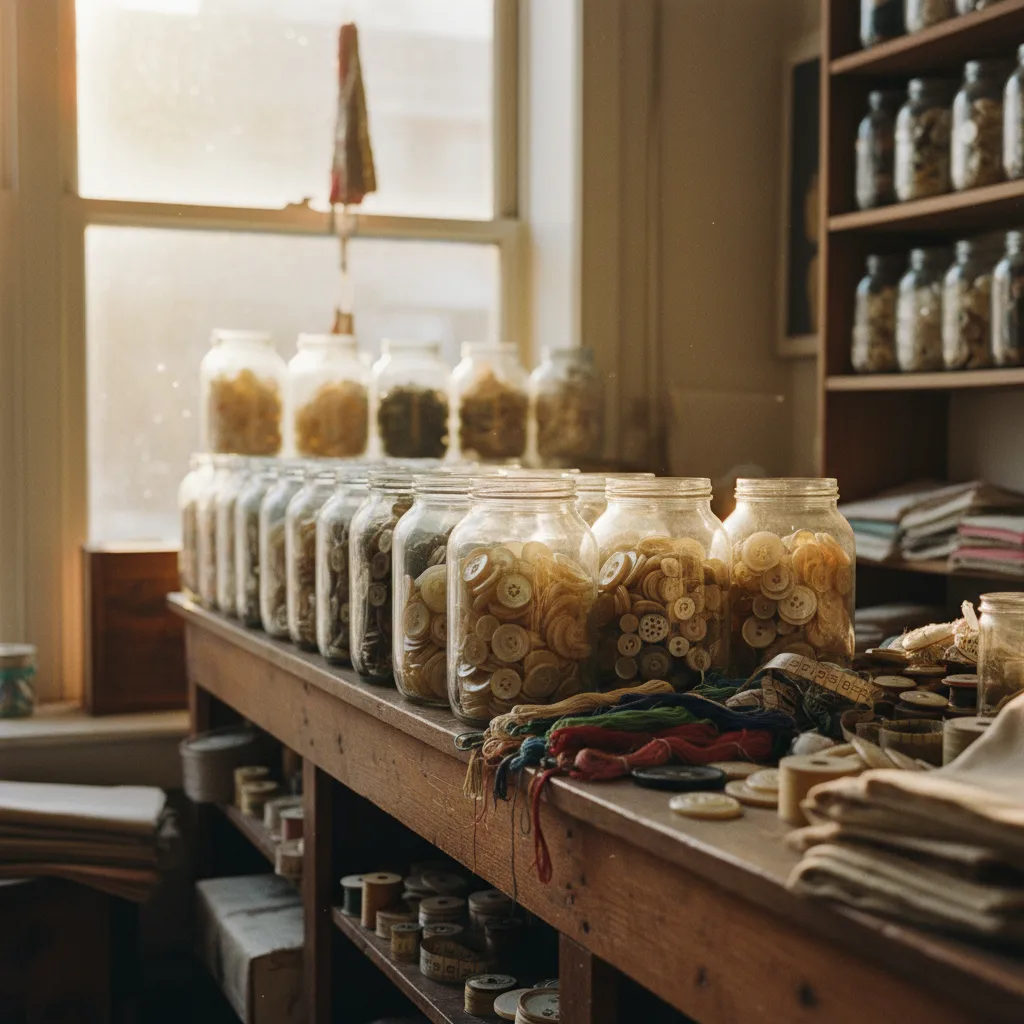
Descending a short flight of stairs into a historic Grand Street basement transports you into the enduring world of traditional dry goods merchandising. Towering timber shelves hold cardboard shoe boxes labeled with handwritten cursive, containing vintage plastic, wood, and metal fasteners that have remained undisturbed for decades. Sifting through vintage mother-of-pearl buttons, carved horn toggles, and cast-pewter clasps feels like uncovering forgotten design history. Choosing a mismatched set of vintage bone buttons to replace lost fasteners on a workwear cardigan lends immediate warmth and irreplaceable character to your finished repair.
High-quality visible mending also relies on dependable conditioning agents and marking tools that simplify precise handwork. Downtown craft stations stock cakes of pure upstate beeswax, water-soluble chalk pencils, and curved tapestry needles designed to navigate tight knitwear ribs. Running your sashiko thread through a notch in a beeswax puck coats the cotton fibers with a micro-thin protective barrier, preventing frustrating thread kinks and friction abrasion as you pull hundreds of stitches through dense denim plackets. These simple, time-tested accessories transform painstaking repair sessions into deeply therapeutic craft rituals.
Gathering Leather Thimbles and Beeswax Conditioners for Visible Mending
Before concluding your neighborhood loop, consider stopping by independent community craft studios tucked along Clinton or Ridge Streets, where open mending circles often gather. Here, makers share scrap bins, trade tips on sweater darning techniques, and demonstrate Swiss darning or Scotch darning methods on woolen socks. The inclusive atmosphere demystifies technical needlework, encouraging beginners to view clothing maintenance not as an intimidating chore, but as an accessible creative habit that reduces textile waste while connecting them to a supportive local maker community.
What distinguishes the Lower East Side's mending scene is its seamless bridge between deep cultural preservation and contemporary sustainability. Whether chatting with second-generation haberdashers about durable seam constructions or learning Japanese embroidery stitches from an indie textile artist, every conversation enriches your practical craft vocabulary. The neighborhood proves that sustainable fashion starts at home with a sharp needle, a skein of strong thread, and the patience to care for what you already own.
Finding Downtown Mending Studios and Checking Nearby Recommendations with Karpo APP
Exploring the Lower East Side's tenement blocks feels rewarding when you know what materials your restoration requires. Instead of searching without direction across busy commercial avenues, you can describe the craft supplies you need to the Karpo APP—such as sashiko thread, leather thimbles, or vintage buttons—and view recommended neighborhood spots. These nearby suggestions help you explore independent ateliers and dry goods merchants on your own terms, leaving you free to choose your favorite locations and decide the sequence of your afternoon walk.
Completing your mending supplies walk through the Lower East Side leaves your bag filled with beautiful natural fibers, vintage notions, and distinctive patch fabrics ready to give new life to well-loved garments. Walking toward the East River promenade as afternoon shadows lengthen across tenement fire escapes, you take home both the physical tools and the creative inspiration to make your repaired wardrobe truly one of a kind.
Ask Karpo for more information.
Keep reading
- Garment District Mending Supplies Shop Route: 4 Blocks
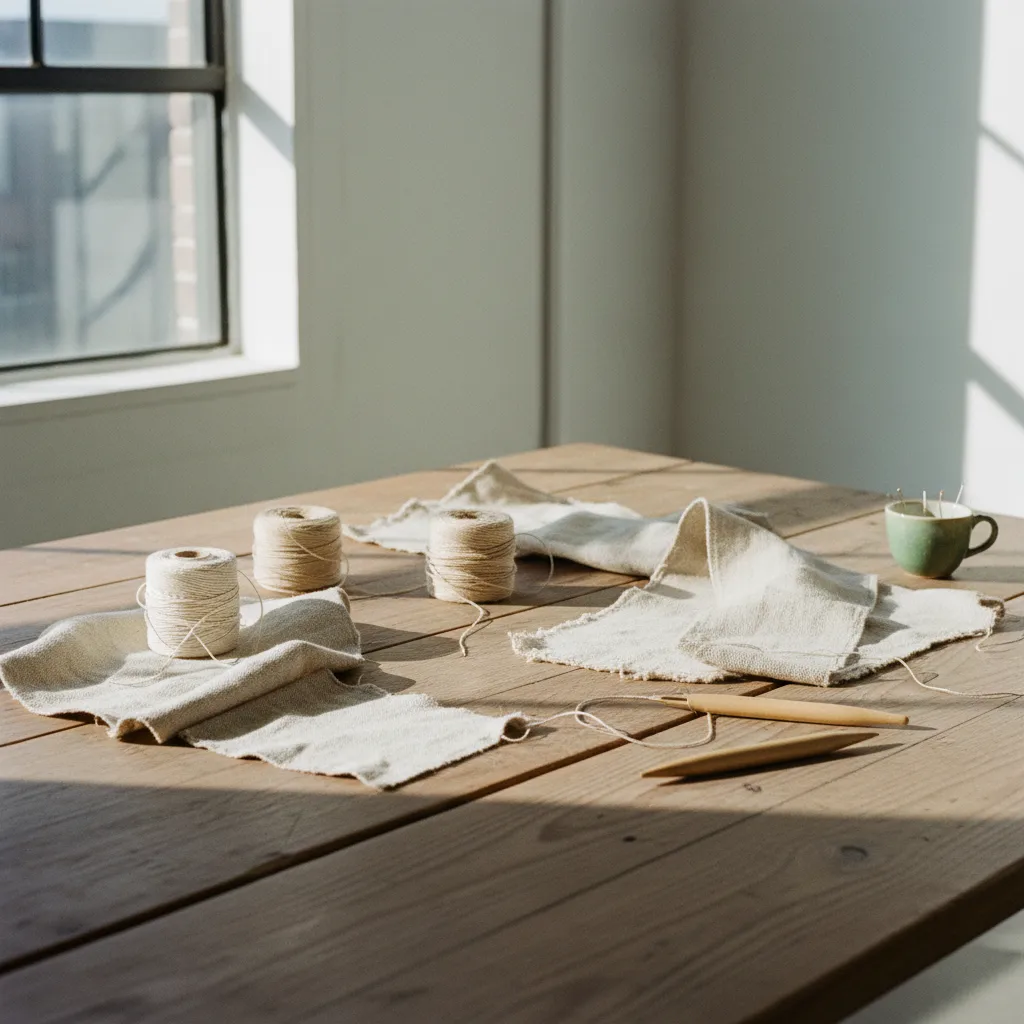 Greenpoint NYC Mending Supplies Shop Route: Sunday Walk
 Astoria Queens Mending Supplies Shop Route: 3 Loop Stops