 Greenpoint NYC Mending Supplies Shop Route: Sunday Walk
Hidden Gems & Odd Finds
Garment District Mending Supplies Shop Route: 4 Blocks
Map a Garment District mending supplies shop route across Midtown Manhattan. Compare wool trims, heavy zippers, and needle notions using Karpo APP filters.
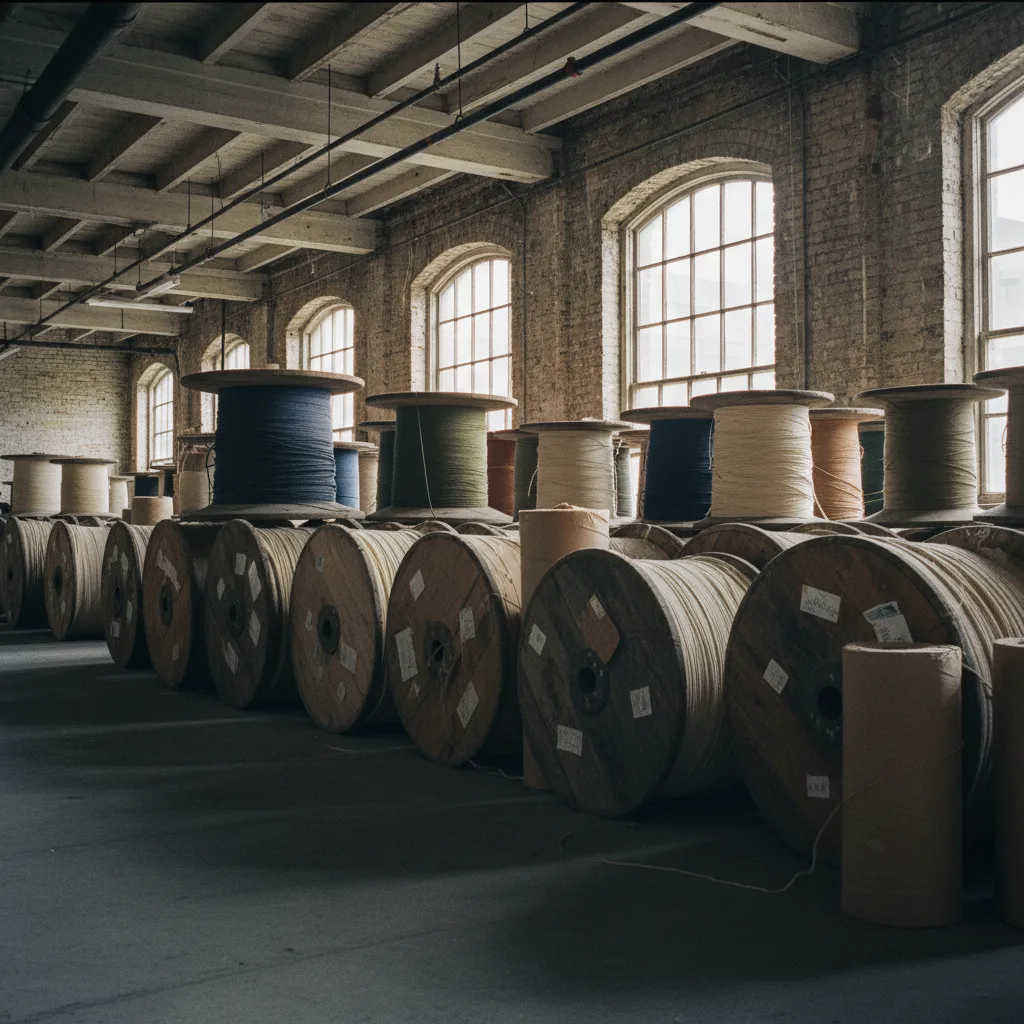
Navigating a Garment District mending supplies shop route through Midtown Manhattan turns ordinary clothing repair into an inspiring masterclass in industrial garment construction. Stepping off the bustling avenue into the canyon between Sixth and Eighth Avenues immediately changes your sensory pace. Freight elevators clatter behind iron accordion gates, hand trucks stacked high with wool bolts roll over weathered asphalt, and narrow glass storefronts brim with towering cardboard cones of thread. My colleague Marcus, who restores historic military overcoats and wool theatrical capes, and I set out on a chilly autumn morning with a clear restoration challenge: sourcing heavy-duty separating zippers, waxed linen cord, and tailored canvas under-collar cloth to reconstruct a damaged vintage car coat. Instead of ordering mismatched generic fasteners online, walking through these concentrated Midtown blocks lets you physically feel textile hand-feel, compare coil weights under natural daylight, and inspect the structural integrity of specialized hardware.
Navigating the Dense Canyon of Wholesale Notions and Notched Racks
The secret to a productive mending expedition through the Garment District lies in understanding the vertical layout of these decades-old establishments. Unlike standard neighborhood suburban craft stores where everything hangs on neat pegboards, Manhattan's wholesale notion emporiums often stash their most valuable mending assets in back cubbies or basement tiers. Narrow aisles are lined from hardwood floors to tin-pressed ceilings with clear plastic bins filled with antique brass slider bodies, grooved chalk holders, and specialty seam-rippers. Costume technicians, Broadway wardrobers, and independent fashion designers move purposefully between the narrow corridors, holding swatch cards up to halogen lamps to verify dye lot matches. Learning the etiquette of these spaces transforms your shopping experience: carry your garment with you in a tote bag, know your required gauge measurements in millimeters rather than vague descriptions, and approach counter staff with specific structural inquiries rather than browsing aimlessly.
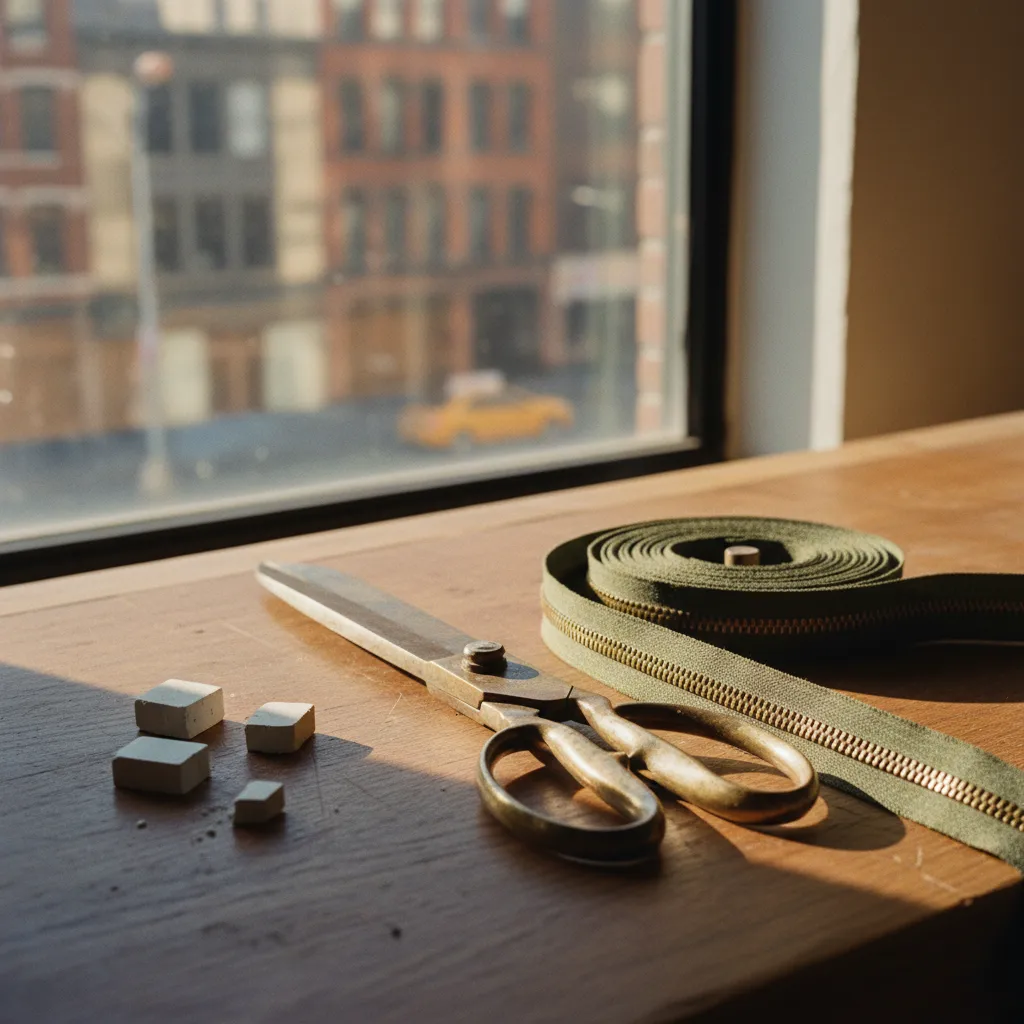
Start your walking progression on West Thirty-Eighth Street, where the density of specialized zipper and ribbon distributors remains unmatched anywhere in North America. When mending cold-weather outerwear, finding an exact match for a broken two-way brass teeth zipper often determines whether a coat remains wearable or gets discarded. Within these specialized counters, skilled clerks will measure your jacket opening, slide on custom replacement stoppers, and crimp heavy top stops right before your eyes. In neighboring drawers, you can browse endless reels of twill ribbon, herringbone stay tape, and rayon seam bindings in hundreds of muted heritage tones. For reinforcing stressed pocket corners on heavy chore jackets, picking up a yard of tightly woven cotton twill tape provides the exact internal anchor needed to prevent future fabric blowout without adding unnecessary bulk to exterior seams.
Selecting Heavy Gauge Zippers and Waxed Canvas Thread on West Thirty-Eighth
Turning south toward West Thirty-Seventh Street shifts your focus toward internal structural components that give tailored garments their crisp silhouettes. A proper wool coat restoration frequently demands more than stitching down loose linings; it requires replacing dissolved chest canvas or collapsed shoulder pads. Within the compact side-street shops tucked between Seventh and Eighth Avenues, you can inspect woven haircloth, fusible tricot interfacings, and bias-cut wool sleeve heads. Running your fingers over different weights of woven interfacing ensures you choose a stabilizing layer that drapes harmoniously with original vintage woolens rather than stiffening like cardboard. For darning moth holes or threadbare cuffs, these counters carry delicate cards of wool darning skeins alongside curved upholstery needles that allow you to weave repair patches seamlessly from the inside.
Taking a brief pause on a sidewalk bench along the pedestrian plazas of Broadway allows you to inventory your findings before heading toward specialty fastener purveyors. Examining your zipper teeth, tailor chalk triangles, and spools of bonded nylon thread under outdoor daylight is essential for spotting subtle undertones that indoor fluorescent lighting frequently masks. A navy wool coat may look charcoal inside a basement mezzanine but reveal rich cobalt hues under open sky, requiring a slightly deeper navy thread to achieve an invisible repair. This midway assessment helps refine your remaining shopping list, ensuring you only seek out finishing hardware and closure buttons that complement the materials already resting inside your canvas shoulder bag.
Sourcing Tailoring Interfacings and Horsehair Canvas Off Seventh Avenue
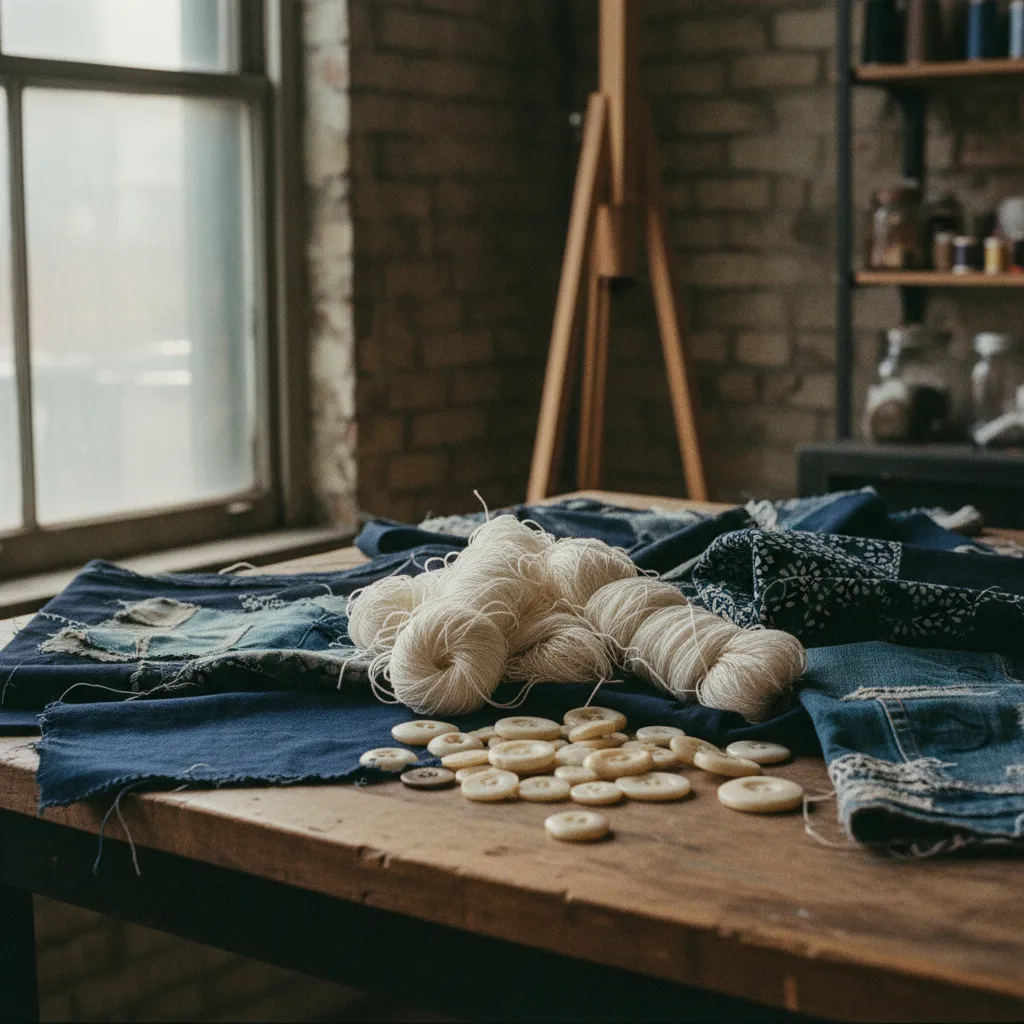
As you weave into the button galleries nestled along West Thirty-Sixth Street, the sheer abundance of garment closures can overwhelm the unprepared mender. Historic floor-to-ceiling glass display jars hold thousands of genuine horn buttons, corozo nut discs, mother-of-pearl blanks, and enameled military metal shanks. Rather than settling for modern plastic replacements that cheapen a restored coat, you can rummage through vintage deadstock bins to discover a set of four matching mottled horn buttons harvested from mid-century overcoats. Knowledgeable counter assistants can suggest appropriate thread shanks to ensure buttons sit cleanly over thick wool plackets, preventing strained fabric around keyhole buttonholes while maintaining period-accurate aesthetics.
Specialized mending also requires precision hand-sewing implements that standard home kits simply do not supply. Along this section of the district, specialized cutlery counters feature heavy forged-steel tailor shears, spring-action thread snips, and hardened English darning needles. Testing the weight and balance of Japanese shears in your palm reveals how clean shears slice through heavy melton wool without fraying delicate cut edges. Picking up a cake of filtered natural beeswax to coat your hand-sewing linen thread prevents tangling and increases tensile strength, ensuring repair stitches endure decades of seasonal wear and laundering.
Evaluating Horn Buttons and Industrial Bias Tapes in Compact Mezzanines
Before concluding your walking circuit, take time to explore the peripheral trim houses where unusual notions and vintage haberdashery artifacts hide in plain view. Spools of elastic webbing, tubular cotton drawstrings, metal eyelet grommets, and nickel snaps can be purchased in modest single-yard increments or small bulk bundles. Seasoned repair hobbyists know that carrying a small notebook with precise measurements—sleeve inseams, collar circumference, and hem allowances—prevents overbuying while ensuring every structural deficit in your wardrobe finds its ideal hardware companion before you head home.
What makes this four-block pocket of Midtown irreplaceable is the living repository of craft knowledge passed across cutting tables and counter ledges. Clerks who have staffed these counters for decades can instantly diagnose why a zipper separated on a down parka or recommend an iron-on mending tape that flexes naturally with active knitwear. Taking time to listen to these practical recommendations enriches your repair journey, transforming a mechanical task into a deeply satisfying connection to New York's enduring textile legacy.
Connecting Midtown Cutting Floors and Planning Custom Walks with Karpo APP
Navigating Midtown's dense commercial maze can occasionally prove daunting when private showroom buzzers and second-floor mezzanine entrances hide behind unmarked building facades. To streamline your pedestrian loop without missing tucked-away notion suppliers, you can turn to the Karpo APP to explore Garment District shopping routes, filter neighborhood shops specializing in tailoring trims or fastener repair, and map efficient multi-stop walking paths across adjacent avenues. Using the platform's clear map layers allows you to pivot smoothly if a particular supplier is packed with wholesale showroom buyers, discovering alternate notion basements only a short block away.
Completing your mending supplies walk through the historic Garment District leaves you fully equipped to restore cherished garments with authentic craftsmanship and long-lasting durability. Walking back toward Herald Square with high-grade nylon threads, horn buttons, and replacement brass zippers tucked securely in your bag, you carry forward a sustainable philosophy of wardrobe renewal rooted in the heart of Manhattan's iconic garment tradition.
Ask Karpo for more information.
Keep reading
- Greenpoint NYC Mending Supplies Shop Route: Sunday Walk
 Astoria Queens Mending Supplies Shop Route: 3 Loop Stops
 Lower East Side Mending Supplies Shop Route: 3 Stops