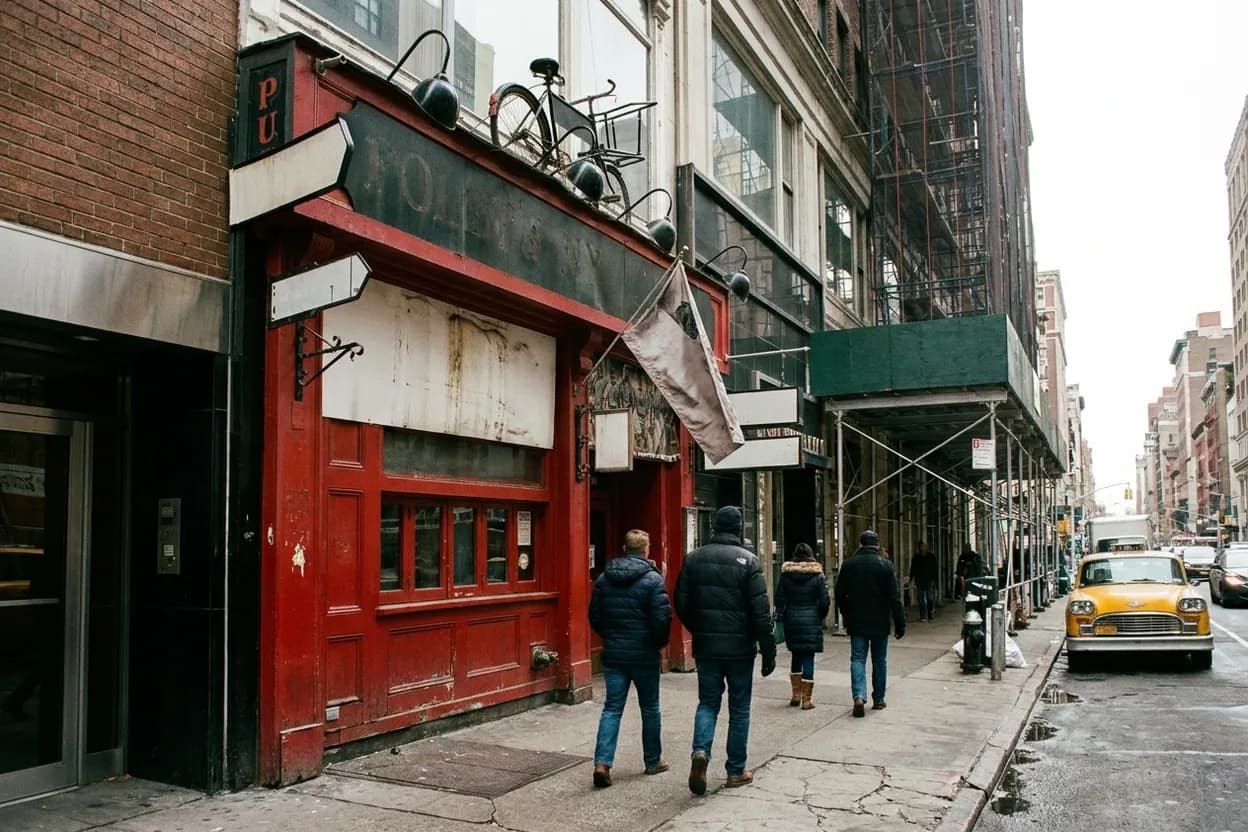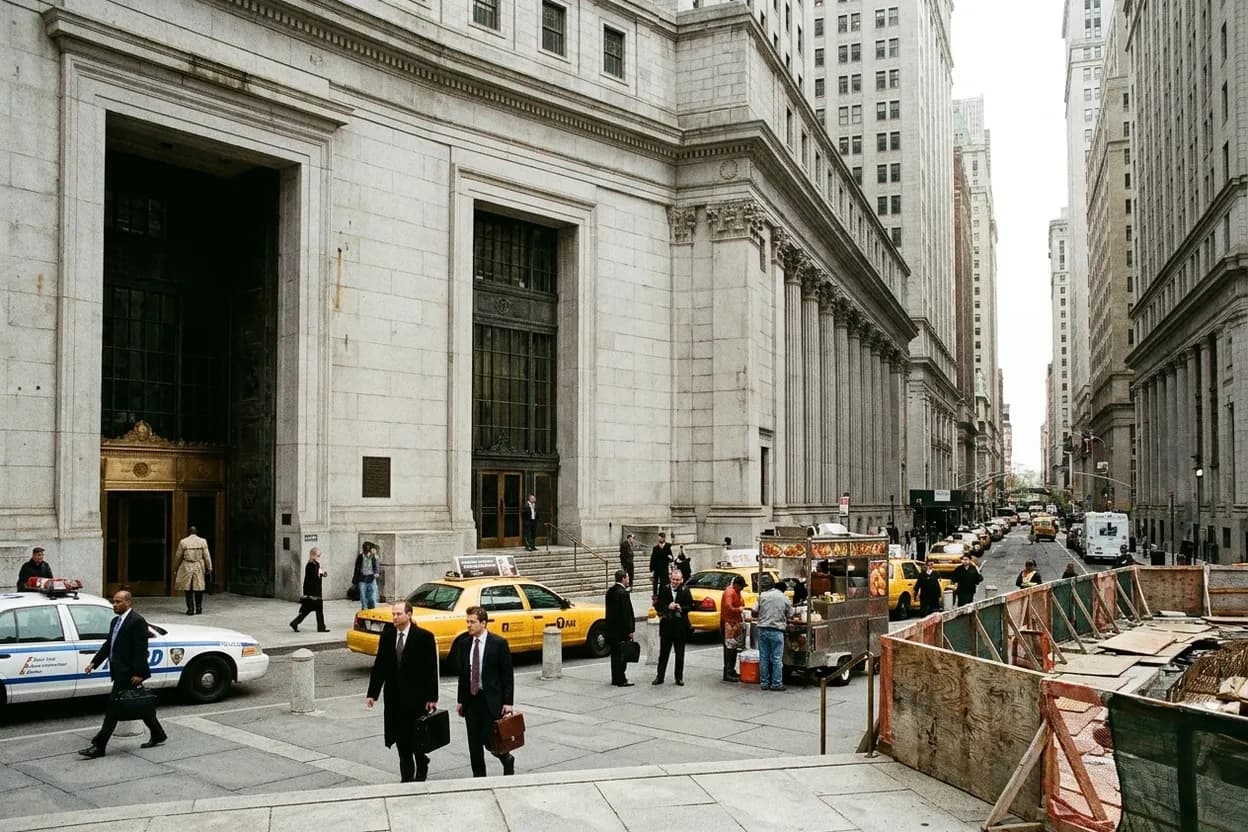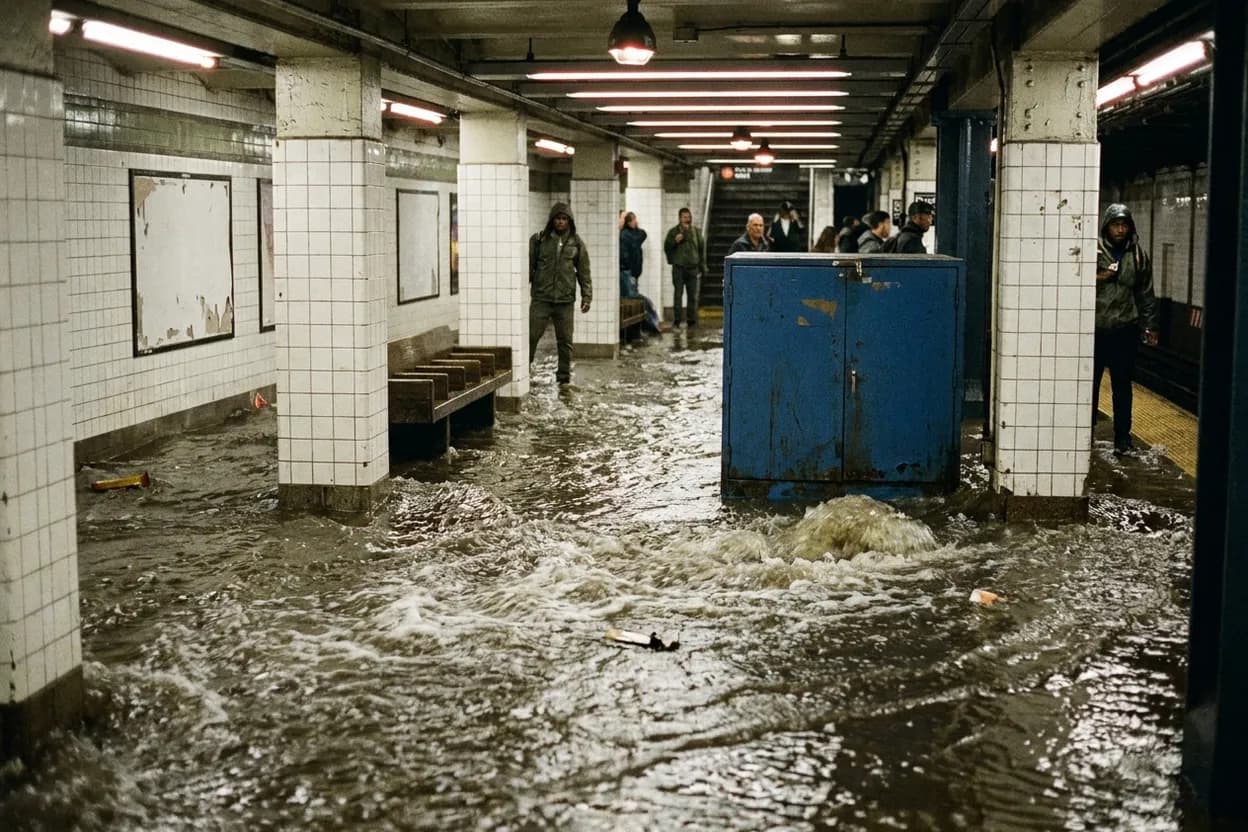
Sudden NYC lluvia can turn a simple daytime trip into a wet, slow decision tree: which entrance is open, whether the bus is stuck behind ponding, and where you can wait without blocking a platform. The better move is not one perfect route; it is a short list of verified options you can change quickly. Start with official MTA service information, check NYC emergency alerts when rain is heavy, and build in dry transfer points near libraries, terminals, museums, and major stations. This guide is for solo commuters, students, and visitors who need practical choices, not weather drama, when a downpour appears between errands, class, work, or a timed reservation.
Want a dry, transit-smart backup before you step outside? Text Karpo with your start point, destination, mobility needs, and rain timing for a tighter NYC route plan.

Check MTA Status Before Choosing Subway Over Bus
For most rainy daytime trips, the subway is still the first route to test because it avoids surface traffic, but it is not automatically the safest or fastest choice during heavy rainfall. MTA service changes are explicitly subject to change, and the agency directs riders to check the MTA homepage and its apps for up-to-the-minute subway, bus, and rail information. Build your first decision around live status, not the route you usually take on a dry morning.
The failure mode is committing too early: walking ten minutes to a familiar entrance, finding crowding or water conditions, then losing the option to pivot. Before leaving, compare your train with a parallel line, a crosstown bus, and a sheltered waiting place. If elevators matter, check station accessibility status separately before you move; rain can turn a manageable stair detour into an unsafe or exhausting trip.
Use MTA Bus Time When Sidewalks Are Still Passable
Buses can be the right call when the rain is steady but streets are not flooded, especially for short crosstown moves where subway transfers add exposed walking. MTA Bus Time lets riders search by route, intersection, or the six-digit stop code posted at many stops. That is useful in rain because the real question is not whether a route exists; it is whether a bus is close enough to justify waiting outside.
The tradeoff is reliability during storm recovery. Bus Time pages may show alerts, detours, stop changes, or warnings that arrival information may be unavailable or inaccurate during detours. If the next bus is far away, do not stand in runoff beside the curb. Move to a canopy, station mezzanine, library lobby, or store entrance where you are allowed to wait, then recheck before returning to the stop.

Make Grand Central Terminal Your Midtown Dry Transfer
Grand Central works well as a rain reset because it connects subway service, Metro-North, food, restrooms, and broad indoor circulation in one place. Use it when your trip touches the East Side, Midtown offices, or northbound regional rail. The practical advantage is pacing: you can pause, dry your phone, confirm the next leg, and avoid making route decisions while standing at a wet corner with traffic splashing the curb.
The weakness is crowd pressure. During a downpour, commuters cluster near doors, stairways, and information points, so leave space for people moving with luggage, strollers, canes, or wheelchairs. If your route requires an elevator, verify the specific subway or rail access path before you commit. Your final check should be MTA status plus the station signs inside the terminal, because a dry transfer is only useful if the next train is actually moving.
Use Moynihan Train Hall or Penn Station for West Side Holds
For the West Side, Moynihan Train Hall and Penn Station are better rain holds than pacing outside near Eighth Avenue. They suit Amtrak, LIRR, NJ Transit, subway, and bus pivots, and they give you a sheltered place to wait while a storm cell passes. This is especially useful for students or commuters carrying laptops, paper folders, instruments, or anything that becomes a problem once soaked.
Do not treat the complex as a casual lounge without checking your onward trip. Rail areas can have access controls, crowding, and schedule-specific boarding patterns, while subway passages can still require exposed street crossings depending on your line. If your backup is a bus, confirm the stop location before going above ground. The dry-route rule here is simple: decide indoors, walk outside only when the next vehicle or entrance is confirmed.
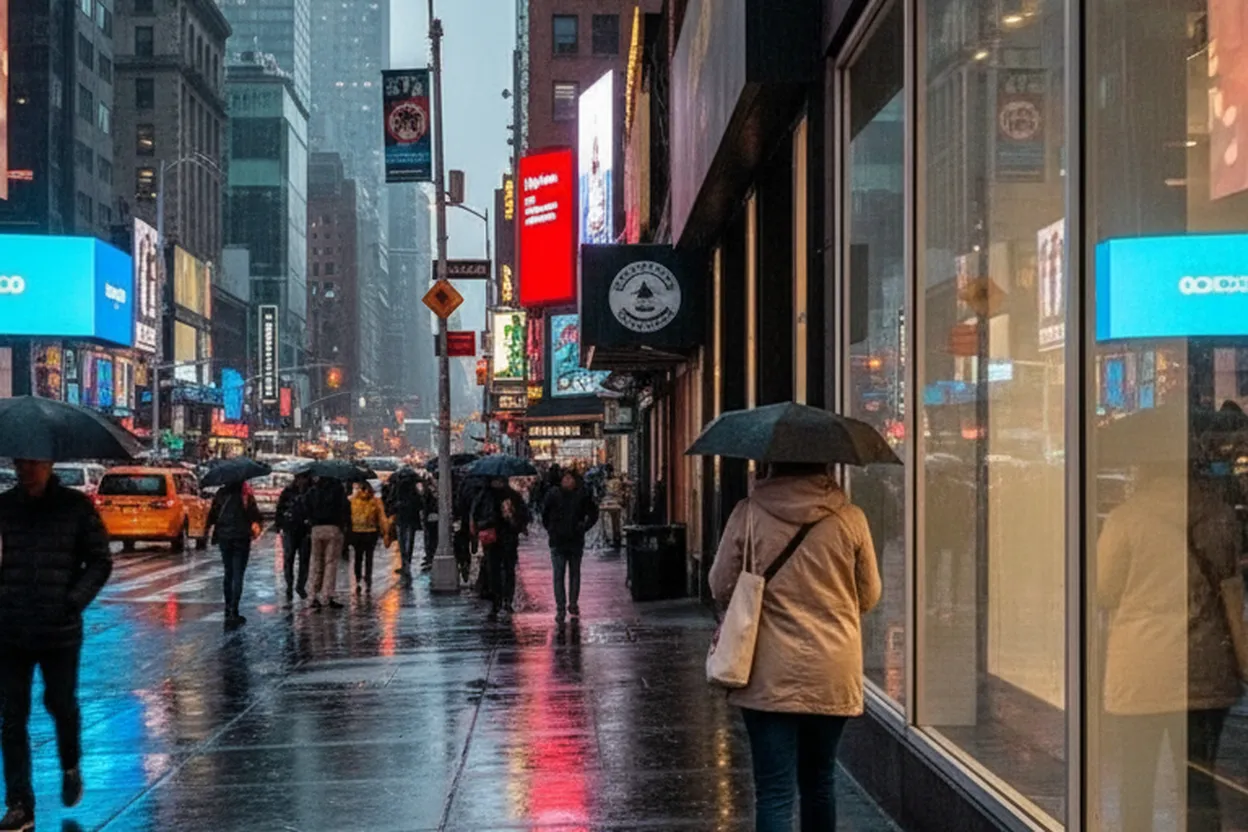
Shelter at NYPL Schwarzman When Bryant Park Plans Get Wet
If rain catches you around Bryant Park, Times Square, or Fifth Avenue, the Stephen A. Schwarzman Building can be a practical indoor pause when it is open. NYPL lists the building at Fifth Avenue and 42nd Street, marks it fully accessible, and notes accessible entrances at 40th Street and 42nd Street as well as the main Fifth Avenue entrance. It fits a quiet solo reset, especially if you need to reorganize bags or wait out the worst rainfall.
The catch is timing and purpose. NYPL hours vary by day, and the building notes last entry before closing, so verify the location page before relying on it. Bryant Park’s public restroom pages also warn that park hours and bathroom access can change, and facilities may close for maintenance or early park closure. If your plan depends on a restroom, a seat, or step-free access, check both pages before leaving the subway.
Choose The Met When Museum Time Beats Wet Wandering
When rain ruins an outdoor Upper East Side plan, The Metropolitan Museum of Art is a strong controlled backup if you can spare enough time. The official visit page lists admission categories, including pay-what-you-wish eligibility for New York State residents and New York, New Jersey, and Connecticut students, with conditions for online or in-person purchase. That makes it especially relevant for back-to-school errands that suddenly need an indoor block.
The Met is not the best backup for a 20-minute gap. Security, ticketing, bag checks, and gallery distance can eat into a short window, and wet umbrellas or bulky backpacks slow you down. Before heading there, verify current hours, ticket rules, and accessibility details on the museum site. If the forecast suggests thunder or flash flooding, prioritize safe transit and indoor waiting over squeezing in a museum stop.
Keep the Staten Island Ferry as a Weather-Aware Option, Not a Shortcut
The Staten Island Ferry is useful in rain when your actual trip involves Lower Manhattan or Staten Island, and NYC DOT confirms it runs every day, year-round, free of charge. The scheduled ride between Whitehall and St. George is about 25 minutes. Terminals provide shelter, and the ferry can be calmer than street-level transfers when buses are delayed by traffic or ponding.
The risk is assuming water travel is immune to weather. NYC DOT says schedules are subject to change without notice and points riders to service updates, 311, and Notify NYC. Do not board just to avoid rain if wind, thunder, crowding, or a time-sensitive connection is part of the equation. Your final verification step is to check DOT ferry updates, MTA status for the connecting leg, and NYC weather alerts before you leave the terminal.
Tags: #NYCWeather #NYCTransit #MTA #SubwayTips #RainyDayNYC #NYCCommute #PublicTransit #NYCStudents #BackToSchool #TravelSmart #FloodSafety #StatenIslandFerry #AskKarpo #BeforeYouGo
Sources consulted: Source 1: mta.info · Source 2: nyc.gov · Source 3: nyc.gov · Source 4: nypl.org · Source 5: nyc.gov · Source 6: visitmetmuseum.com
All trademarks are the property of their respective owners.
Ask Karpo first
Tell Karpo your date, group size, budget, and starting neighborhood. We’ll check current access, timing, transit, and the cleanest plan for None before you head out.