 Inwood Winter Greenmarket Picker for Hikers on Cold Mornings
Weekend Plans
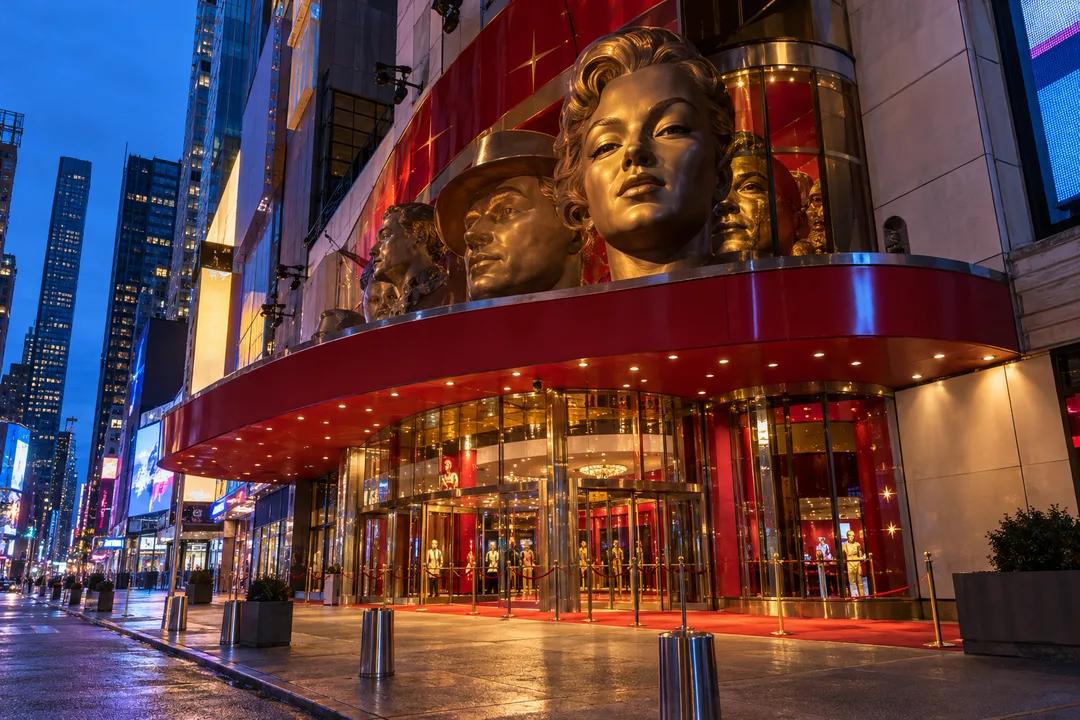
Moving Image: Astoria Horror Wax Museum Film Guide
Museum of the Moving Image at 36-01 35th Avenue is a strong horror-museum alternative, with film artifacts and exhibitions in Astoria for horror fans.
Museum of the Moving Image at 36-01 35th Avenue in Astoria is the practical film-and-media alternative for a horror wax museum search. It does not present a conventional wax collection, but it gives horror fans the material behind the illusion: costumes, props, effects, screens, and the technology that turns a still object into a character. For visitors who care about how fear is made, the museum can be more revealing than a room of finished figures.
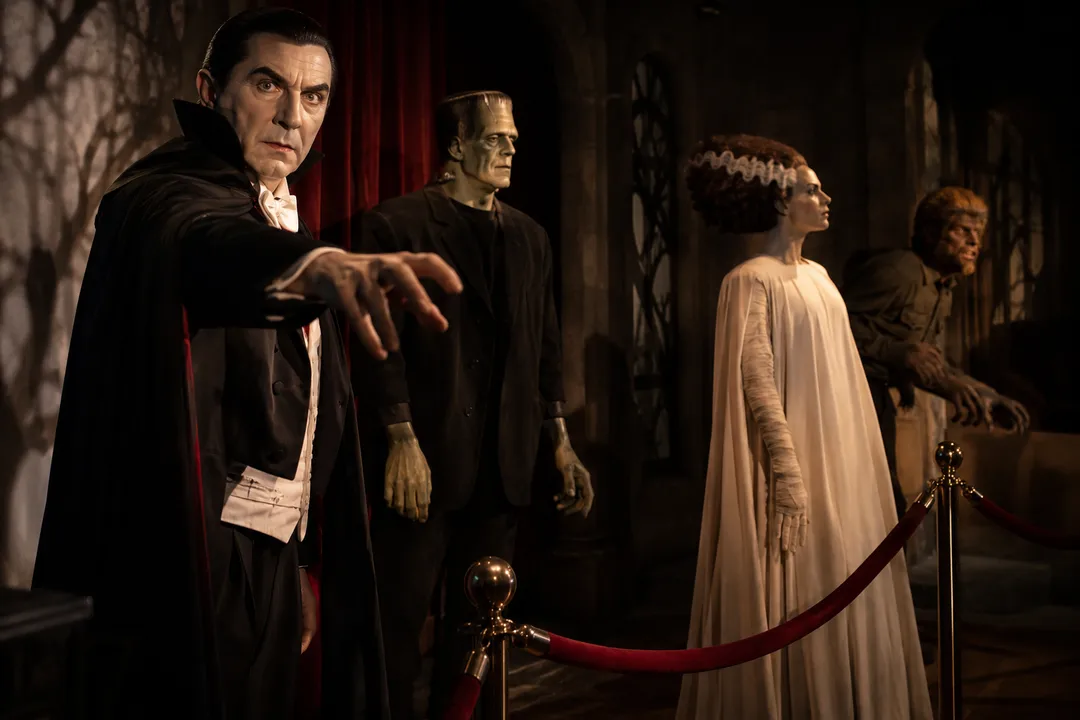
Why Horror Fans Should Go
The visit begins with an important adjustment. You are not entering a haunted attraction, so the museum does not need to startle you. Instead, it asks you to look closely. A mask, model, camera, or lighting rig can explain why a creature feels real on screen. The absence of a jump scare is useful. It gives you time to compare the object in front of you with the emotional reaction it created in a film.
Use the galleries as a lesson in scale. Some objects are smaller than expected, while others reveal the practical labor hidden by editing. A horror figure that seemed huge may fit on a worktable. A costume that looked simple may contain layers, fastenings, and materials designed for movement. Keep the route moving, but pause long enough to read labels. The museum’s value is in the connection between object, maker, performer, and finished scene.
The Objects Matter More Than A Scare
Visitor etiquette is straightforward. Keep hands away from cases, avoid blocking a screen, and make space for school groups and families. The museum can feel calmer than a Times Square attraction, but popular exhibitions still create clusters. If you need a photograph, check the posted rules and step to the side. Do not turn a small display into a personal studio. The next visitor should have the same clear view of the object.
For horror fans, the strongest section may not be the most obviously frightening one. A sequence about animation, sound, or visual effects can explain more about suspense than a monster display. Listen for how a soundtrack changes a scene, then notice what happens when the sound stops. The museum rewards attention to the machinery of feeling. That makes it a good choice for film students, costume readers, and skeptical friends who want evidence rather than a claim of paranormal activity.
Timing The Visit
Choose a day when you can give the exhibitions at least two hours. A rushed visit turns a media museum into a list of rooms, while a slower one lets you watch, read, and revisit an object. Check the official calendar for opening days and exhibition closures before traveling to Astoria. If a special program is on, arrive early enough to find the theater or gallery without crossing through a group already seated.
One honest call: this is not a substitute for a haunted house if the group wants actors and darkness. It is better for people who want to understand why a horror image works. The difference matters. Calling every media exhibit a scare attraction sets the wrong expectation. Frame it as the craft side of a horror wax museum itinerary, and the visit becomes specific, useful, and much easier to enjoy.
Astoria gives the museum a good urban counterpoint. The area is full of residential streets, restaurants, and long blocks that feel lived-in rather than staged. After a gallery about artificial worlds, walking outside among ordinary storefronts can be strangely grounding. Notice how quickly the city supplies its own textures: metal shutters, old brick, overhead tracks, and bright food signs. The neighborhood is not part of the exhibit, but it extends the conversation about images and atmosphere.
Jackson Heights And Astoria Afterward
Afterward, walk toward Steinway Street or choose a restaurant closer to the museum if the group is hungry. Keep the route practical and leave time for the subway home. If weather is good, a slow block-by-block walk makes the transition from screen space to city space feel deliberate. If rain arrives, go straight to food. The best backup is not another attraction. It is enough time to talk about the object that changed your reading of a horror scene.
If an exhibition is sold out, check the museum’s current program rather than relying on an old blog post. A screening, talk, or different gallery may still fit the evening. Do not claim that a closed exhibit is available because a search snippet mentions it. Media museums rotate material, and the exact schedule is part of the experience. A flexible plan protects the group from crossing Queens for something that ended last season.
Practical notes: the museum is at 36-01 35th Avenue in Astoria, Queens. Weekly hours and exhibition schedules change, so use the official visitor calendar for the current day. Admission depends on the ticket type and program. Wear comfortable shoes, allow time for stairs and standing, and keep your phone quiet in screenings. For one specific horror-related exhibition, use the museum calendar to plan the day.
Practical Details
Visitors should also think about sensory comfort. Screens, sound, and darkened rooms can be tiring even when the content is not a scare attraction. Ask staff about seating or take a pause between galleries. A smaller group can absorb more detail than a crowd trying to cover every room. The museum is generous to curious visitors, but it does not reward speed for its own sake.
For a horror wax museum search, Museum of the Moving Image supplies the behind-the-scenes answer. Wax figures depend on stillness and resemblance. Film horror depends on movement, framing, sound, and editing. Seeing those systems next to one another makes the category clearer. You leave with more than a photograph. You leave understanding why a fabricated face can stay in your mind after the screen goes dark.
Practical Notes
Karpo APP can help turn the museum into a fuller Astoria plan. Ask for a nearby meal, a low-key bar, or a walk that fits the exhibition’s closing time. If the group wants more horror, ask for a film screening or a different museum rather than forcing a mismatched attraction. The app is most useful when it turns a fixed ticket into a flexible neighborhood evening.
Ask Karpo for more information.
Keep reading
- Inwood Winter Greenmarket Picker for Hikers on Cold Mornings
 Carroll Gardens Winter Greenmarket Picker for Holiday Bakers
 Jackson Heights Winter Greenmarket Picker for a Family Day